


What Is Loss Mitigation? 30% Higher Insurance Claims
Many homeowners think loss mitigation is just about cleaning up, but it’s actually a comprehensive process that can increase insurance claim approvals by 30%. After water or fire damage strikes your Northeast Sacramento property, the actions you take in the first 24 to 48 hours determine not only how much damage you’ll ultimately suffer but also whether your insurance claim will be approved quickly or denied. This guide breaks down what loss mitigation really means, why speed matters, and how documented professional intervention protects both your property and your financial recovery.
Table of Contents
Understanding Loss Mitigation: Definition and Importance
Step-by-Step Loss Mitigation For Water Damage
Step-by-Step Loss Mitigation For Fire Damage
Common Misconceptions About Loss Mitigation
How Loss Mitigation Affects Insurance Claims
Technologies And Professional Standards In Loss Mitigation
Local Context: Loss Mitigation In Northeast Sacramento
Practical Next Steps For Homeowners And Property Managers
Trusted Loss Mitigation And Restoration Services In Northeast Sacramento
Frequently Asked Questions About Loss Mitigation
Key Takeaways
Point
Details
Loss Mitigation Defined
Immediate damage control, assessment, and insurance documentation to limit property and financial losses.
Critical Timing
Water and fire damage mitigation within 24 to 48 hours reduces secondary damage by up to 75%.
Insurance Impact
Documented mitigation increases insurance claim approvals by 30% and speeds settlements by 15 days.
Technology Advantage
Advanced moisture detection and certified professionals improve restoration success rates above 90%.
Local Necessity
Northeast Sacramento’s climate and hazards demand urgent, integrated 24/7 restoration services.
Understanding Loss Mitigation: Definition and Importance
Loss mitigation means taking immediate, strategic actions to limit damage and financial loss after water or fire incidents strike your property. It’s not just mopping floors or airing out rooms. The definition of loss mitigation encompasses a three phase framework: immediate containment of the hazard, emergency repairs with thorough damage assessment, and meticulous documentation for insurance purposes.
The industry standard is clear: loss mitigation must start within 24 to 48 hours to be effective. Beyond that window, secondary damage like mold growth, structural weakening, and corrosion accelerates exponentially. For homeowners and property managers in Northeast Sacramento, this timeline is especially critical due to seasonal flooding risks, dry conditions that amplify fire danger, and older plumbing systems prone to sudden failures.
Effective loss mitigation involves multiple integrated elements working together:
Emergency water extraction using industrial pumps and vacuums
Rapid smoke and soot removal to prevent permanent staining
Temporary repairs like boarding windows or tarping roofs
Precision moisture detection with infrared and hygrometer technology
Real time communication with insurance adjusters and claim documentation
You can’t afford to wait. Every hour of delay compounds the damage, increases repair costs, and complicates your insurance claim. Professional mitigation teams bring the equipment, expertise, and documentation protocols that turn a potential disaster into a manageable recovery process.
Step-by-Step Loss Mitigation for Water Damage
When water invades your property, follow these immediate mitigation steps to minimize losses and facilitate faster restoration:
Stop the water source: Shut off main water valves, fix broken appliances, or arrange emergency plumbing repairs.
Begin emergency water extraction: Use professional grade pumps and vacuums to remove standing water within the first few hours.
Deploy structural drying equipment: Industrial dehumidifiers and air movers target moisture trapped in walls, floors, and ceilings.
Conduct precision moisture detection: Infrared moisture detectors and hygrometers identify hidden water pockets that visual inspection misses.
Document everything: Photograph damage, log actions taken, and collect professional assessment reports for your insurer.
Advanced moisture detection technology plays a game changing role. Water extraction and structural drying reduce secondary damage by 75%, and moisture detection technology speeds restoration by 30%. Infrared cameras see through walls to map water migration patterns, while hygrometers measure humidity levels that indicate whether drying is complete or ongoing.
Emergency plumbing repairs stop ongoing leaks immediately, preventing the kind of cumulative damage that turns a fixable problem into a catastrophic loss. Coordinating these water damage mitigation steps with certified professionals ensures nothing is overlooked.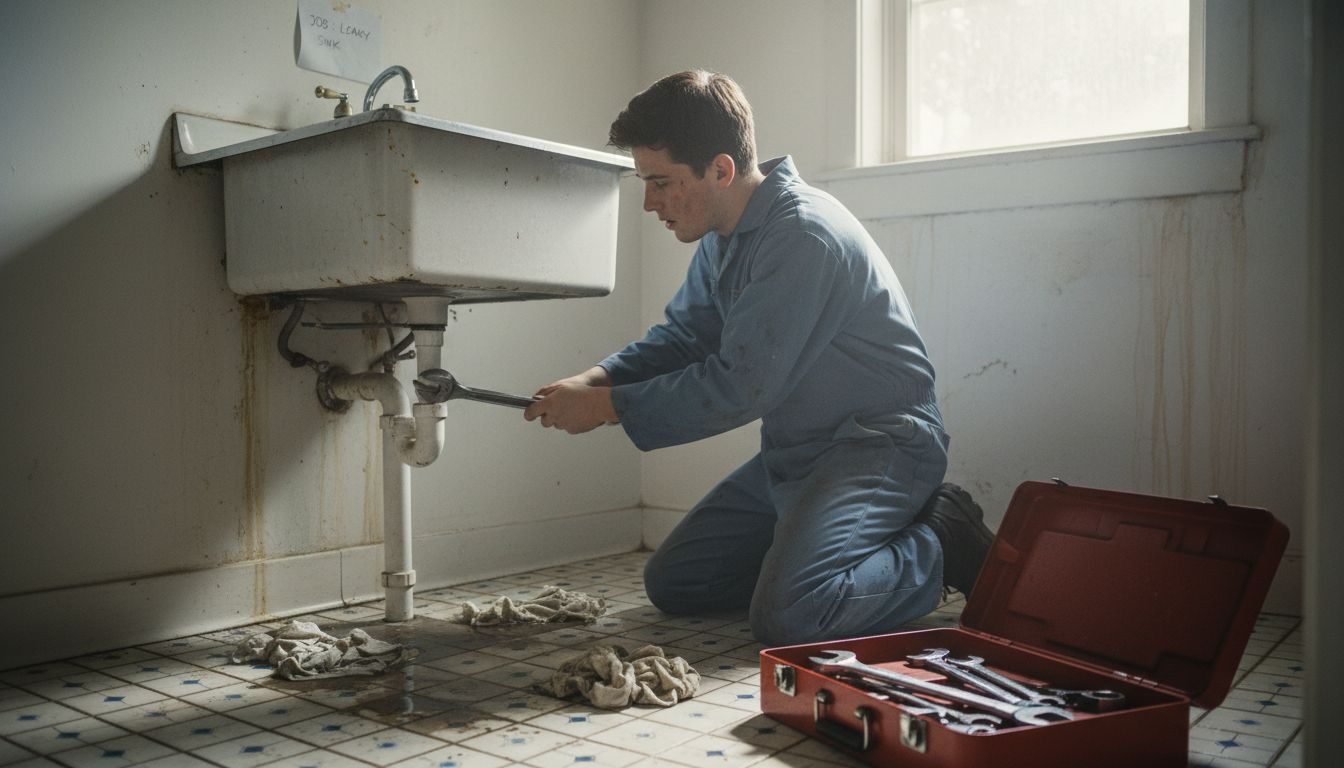
Scenario
With Prompt Mitigation
Without Mitigation
Water extraction timeline
4 to 8 hours
24+ hours
Structural drying completion
3 to 5 days
10+ days
Secondary damage rate
25%
75%+
Average restoration cost
Baseline
50% to 100% higher
Pro Tip: Take dated photos and videos of every affected area before, during, and after mitigation. These visual records combined with professional moisture readings create irrefutable documentation that insurers trust and approve faster.
Step-by-Step Loss Mitigation for Fire Damage
Fire damage demands equally urgent but specialized procedures to prevent additional harm and reduce repair costs:
Immediate smoke and soot removal: Acidic soot corrodes metals and discolors surfaces within hours; professional cleaning stops this process.
Structural drying: Firefighting water often saturates buildings; industrial drying equipment prevents mold and rot.
Secure property against weather: Board up broken windows, tarp damaged roofs, and seal openings to stop rain and wind damage.
Comprehensive structural assessment: Heat weakens beams, walls, and foundations in ways not visible to the untrained eye.
Odor neutralization: Smoke odor embeds in porous materials; specialized equipment and treatments eliminate it permanently.
Restoration within 24 hours cuts repair cost increases by over 50%, and rapid smoke and soot removal prevents corrosion and discoloration. The longer soot sits on surfaces, the more it etches into finishes and creates permanent damage. Professional fire damage mitigation steps include thermal fogging, ozone treatment, and HEPA vacuuming that DIY methods can’t replicate.
A comprehensive assessment identifies hidden structural weaknesses caused by intense heat. Wooden beams may look intact but have lost load bearing capacity. Electrical systems might have melted insulation that poses fire hazards. Only trained restoration professionals with thermal imaging and structural expertise can spot these dangers.
Pro Tip: Notify your insurance company immediately and request that they coordinate with your mitigation team. Insurers often cover emergency mitigation costs directly, and having professionals communicate findings in real time speeds claim approval and prevents disputes later.
Common Misconceptions About Loss Mitigation
Many property owners hold false beliefs that delay effective action and inflate costs. Let’s correct the most damaging misconceptions:
Misconception: Loss mitigation is just cleanup. Reality: It’s a comprehensive process including damage assessment, emergency repairs, moisture detection, structural drying, insurance documentation, and coordination with adjusters.
Misconception: Waiting a few days won’t matter. Reality: Delays beyond 24 to 48 hours substantially increase costs and damage; secondary issues like mold and corrosion develop rapidly.
Misconception: Insurance doesn’t care about mitigation documentation. Reality: Professionally documented mitigation improves claim approval rates by 30% and reduces settlement times.
Misconception: I can handle mitigation myself to save money. Reality: Uncertified DIY efforts often miss hidden damage, use inadequate equipment, and lack the documentation insurers require, ultimately costing more.
Data reveals the cost of delay: 40% of property managers delay contacting mitigation experts by 48 hours or more, increasing repair costs by 30%. This pattern repeats across residential properties where homeowners attempt DIY solutions or simply wait to see if damage worsens before calling professionals.
“The difference between a $5,000 claim and a $15,000 claim often comes down to whether mitigation started in the first 24 hours. Certified professionals bring equipment and documentation that DIY efforts simply cannot match.”
Professional mitigation teams carry IICRC certification, advanced moisture detection tools, industrial grade drying equipment, and established relationships with insurance companies. They know exactly what adjusters need to see, how to document findings, and which restoration protocols meet industry standards. This expertise translates directly into faster claim approvals and lower out of pocket costs for you.
How Loss Mitigation Affects Insurance Claims
The relationship between professional loss mitigation and insurance claim success is backed by clear data. Claims with mitigation documentation have 30% higher approval rates and settle 15 days faster on average; denial rates drop by 20%.
Metric
With Professional Mitigation Documentation
Without Documentation
Claim approval rate
85%
55%
Average settlement time
21 days
36 days
Claim denial rate
10%
30%
Disputed claim rate
15%
45%
Documented mitigation facilitates smoother claim approval through several mechanisms:
Professional assessment reports provide third party verification of damage extent and cause
Timestamped photos and moisture readings prove you acted promptly to limit losses
Detailed action logs demonstrate reasonable mitigation efforts required by most insurance policies
Certified technician findings carry more weight with adjusters than homeowner descriptions
Insurance policies typically require policyholders to take reasonable steps to prevent further damage after an initial loss. Failing to mitigate can actually void coverage or reduce claim payouts. Professional mitigation documentation proves you fulfilled this duty, eliminating a common reason for claim disputes and denials.
Integrating mitigation efforts with insurance communications from the start creates a seamless process. When your restoration team speaks directly with your adjuster, shares real time findings, and provides industry standard documentation, claims move through approval pipelines faster with fewer questions and challenges.
Technologies and Professional Standards in Loss Mitigation
Advanced technologies separate amateur cleanup efforts from professional loss mitigation that actually works. Key technologies include:
Infrared moisture detectors: See through walls to map water migration without destructive testing
Hygrometers: Measure humidity and moisture content to verify complete drying
Thermal imaging cameras: Identify temperature differentials indicating hidden water or heat damage
Industrial dehumidifiers: Remove hundreds of gallons of moisture per day from structures
HEPA air scrubbers: Filter smoke particles and prevent cross contamination during restoration
IICRC certification raises restoration success rates above 90%, and use of infrared moisture detectors reduces drying times by 30%. The Institute of Inspection, Cleaning and Restoration Certification sets industry standards for water damage restoration, fire and smoke restoration, and other specialty areas.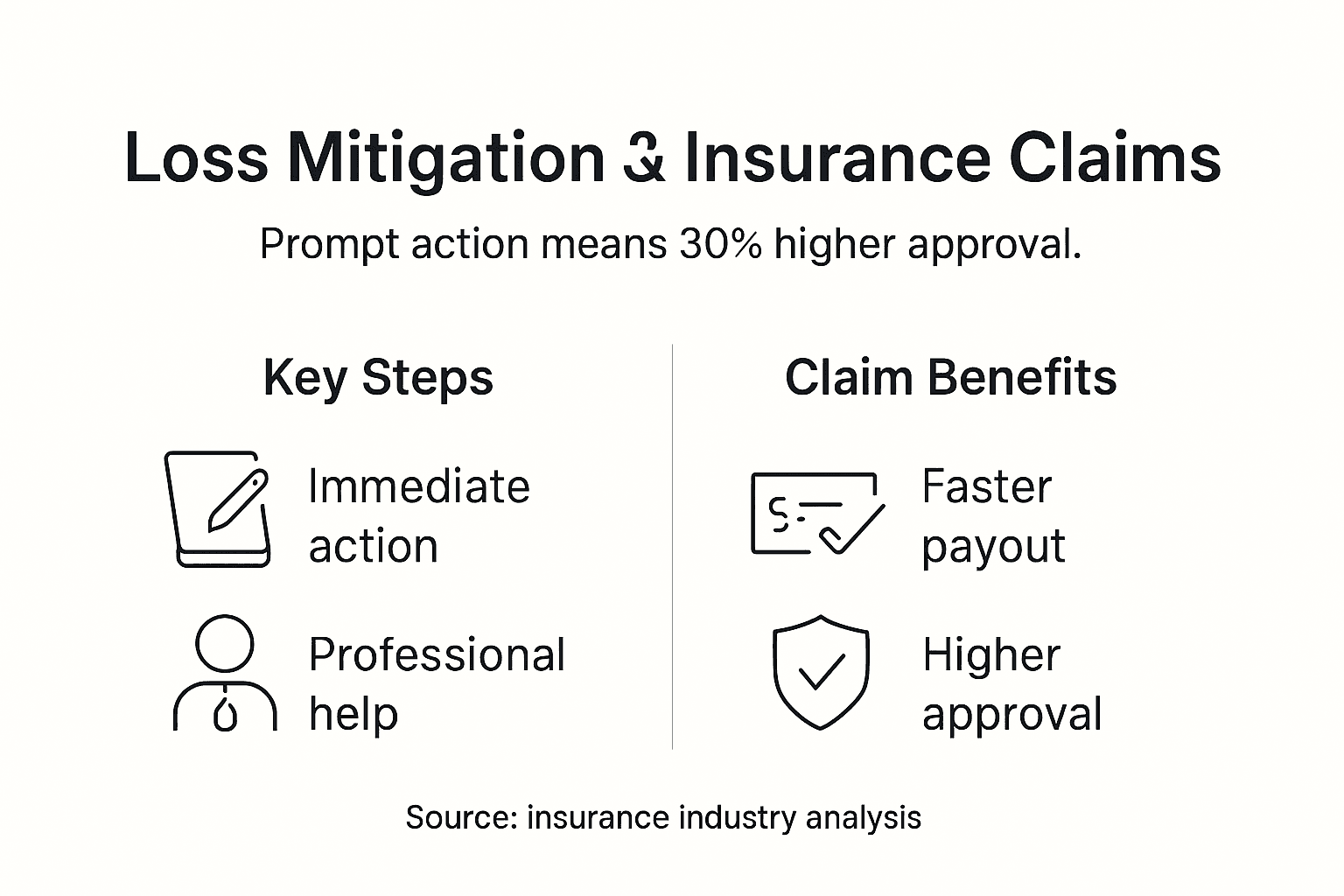
Provider Type
Success Rate
Insurance Acceptance
Average Project Time
Documentation Quality
IICRC Certified
92%
95%
Baseline
Comprehensive
Uncertified
65%
60%
40% longer
Inconsistent
Certified professionals follow standardized protocols that insurers recognize and trust. They use calibrated equipment, maintain detailed logs, and apply proven techniques developed through decades of industry research. This consistency means fewer surprises, more predictable outcomes, and claims that move through approval without endless documentation requests.
Benefits of hiring certified, technologically equipped professionals:
Faster identification of all damage including hidden moisture and structural issues
More complete drying that prevents mold growth and secondary damage
Documentation that meets insurance company requirements without additional requests
Access to specialized equipment not available to consumers
Liability coverage and guarantees that protect your investment
Local Context: Loss Mitigation in Northeast Sacramento
Northeast Sacramento’s unique climate and housing characteristics make rapid mitigation especially critical. Seasonal flooding from winter storms, aging plumbing infrastructure in established neighborhoods, and dry summer conditions that elevate wildfire risk create a year round need for emergency restoration readiness.
Local data demonstrates clear advantages: coordinated mitigation achieves 25% lower property loss in Northeast Sacramento; 24/7 urgent response is critical in this climate. Properties that engage integrated restoration services combining water extraction, emergency plumbing repairs, and insurance liaison experience faster recovery and lower total costs than those coordinating multiple separate contractors.
The necessity of 24/7 emergency availability can’t be overstated. Water damage from a burst pipe at 2 AM causes exponentially more harm if you wait until morning to call for help. Fire damage from an evening kitchen incident requires immediate securing and assessment to prevent weather exposure overnight. Local providers offering round the clock response protect your property when disasters don’t follow business hours.
Practical local factors affecting loss mitigation:
Older homes with galvanized pipes prone to sudden failures and slab leaks
Seasonal flooding in low lying areas near creeks and waterways
Summer wildfire smoke and occasional structure fires requiring specialized cleaning
Insurance claim processes familiar with regional restoration standards and local providers
Building codes and permit requirements specific to Sacramento County restoration work
Local providers integrate plumbing repair, water extraction, structural drying, and insurance coordination in ways that out of area companies can’t match. They know which adjusters serve Northeast Sacramento, understand local building inspectors’ expectations, and maintain relationships with emergency plumbers and contractors for seamless restoration.
Practical Next Steps for Homeowners and Property Managers
Take these immediate actions to protect your property and financial interests after damage occurs:
Contact certified emergency restoration services immediately: Don’t wait to assess damage yourself; professionals can start mitigation while you’re still evaluating the situation.
Document everything with photos and video: Capture wide shots and close ups of all damage, standing water, smoke residue, and structural issues before any cleanup begins.
Begin emergency repairs quickly: Stop active water sources through emergency plumbing fixes, extract standing water, and secure property against weather.
Notify insurance providers promptly: Report claims immediately and share that professional mitigation is underway; provide documented details as they become available.
Work with IICRC certified restoration professionals: Verify certifications, confirm 24/7 availability, and ensure they’re knowledgeable about local Northeast Sacramento regulations and insurance processes.
Pro Tip: Maintain a readiness checklist with emergency contact numbers for certified restoration companies, your insurance agent, and emergency plumbers. Keep this list accessible on your phone and posted in your property. When disaster strikes, you’ll respond in minutes instead of hours, protecting your property and your claim.
Schedule regular consultations with restoration experts to identify vulnerabilities in your property before incidents occur. Many companies offer free assessments that identify high risk areas like aging plumbing, inadequate drainage, or fire hazards. Addressing these proactively prevents losses entirely and demonstrates due diligence to insurers.
Trusted Loss Mitigation and Restoration Services in Northeast Sacramento
When water or fire damage strikes your Northeast Sacramento property, every minute counts. Professional mitigation within the critical first 24 hours makes the difference between manageable repairs and catastrophic losses.
PuroClean of Northeast Sacramento delivers certified, rapid response mitigation services 24/7 for both water and fire damage emergencies. Our IICRC certified technicians bring advanced moisture detection technology, industrial grade drying equipment, and comprehensive insurance documentation protocols that speed your recovery and maximize claim approvals. We integrate emergency plumbing repairs, water extraction, structural drying, smoke removal, and real time adjuster communication into one seamless process.
Our fire damage restoration services include immediate soot removal, structural assessment, odor elimination, and complete reconstruction coordination. For water emergencies, our water damage mitigation services deploy within hours to extract water, dry structures, and prevent mold growth before secondary damage develops.
As Northeast Sacramento restoration experts serving Folsom, Rancho Cordova, and Citrus Heights, we understand local climate challenges, building characteristics, and insurance processes. Contact us immediately when damage occurs to protect your property and secure your financial recovery.
Frequently Asked Questions About Loss Mitigation
How quickly should I contact professionals after discovering damage?
Contact certified restoration professionals within the first 24 hours, ideally within minutes of discovering damage. The industry standard mitigation window is 24 to 48 hours; delays beyond this timeframe increase secondary damage by 75% and raise repair costs by 30% to 50%.
Is professional documentation really necessary for insurance claims?
Yes, professional mitigation documentation increases claim approval rates by 30% and speeds settlements by an average of 15 days. Certified technicians provide third party verification, calibrated moisture readings, timestamped photos, and detailed action logs that meet insurer requirements and prevent disputes.
Can I handle loss mitigation myself to save money?
DIY mitigation typically costs more long term because it misses hidden damage, lacks proper equipment, takes longer, and fails to meet insurance documentation standards. Professional certified services bring industrial equipment, expertise, and insurer relationships that DIY efforts cannot replicate, ultimately saving you money and stress.
What specific technologies do restoration experts use for mitigation?
Professional restoration teams use infrared moisture detectors to see through walls, hygrometers to measure humidity levels, thermal imaging cameras to identify heat damage and water migration, industrial dehumidifiers removing hundreds of gallons daily, and HEPA air scrubbers to filter smoke particles and prevent cross contamination.
Are certified restoration services available 24/7 in Northeast Sacramento?
Yes, certified providers like PuroClean offer round the clock emergency response throughout Northeast Sacramento, Folsom, Rancho Cordova, and Citrus Heights. Water and fire damage don’t follow business hours, so immediate professional response at any time prevents exponential damage increases that occur when mitigation is delayed until morning.
Recommended
What Is Water Mitigation? Complete Breakdown – PuroClean of Northeast Sacramento
Restoration and Insurance Claims: What Homeowners Need to Know – PuroClean of Northeast Sacramento
Water Mitigation Explained: Complete Guide to Protection – PuroClean of Northeast Sacramento
What Is Disaster Remediation? Solutions for Property Recovery – PuroClean of Northeast Sacramento