


What Is Property Restoration? Complete Overview
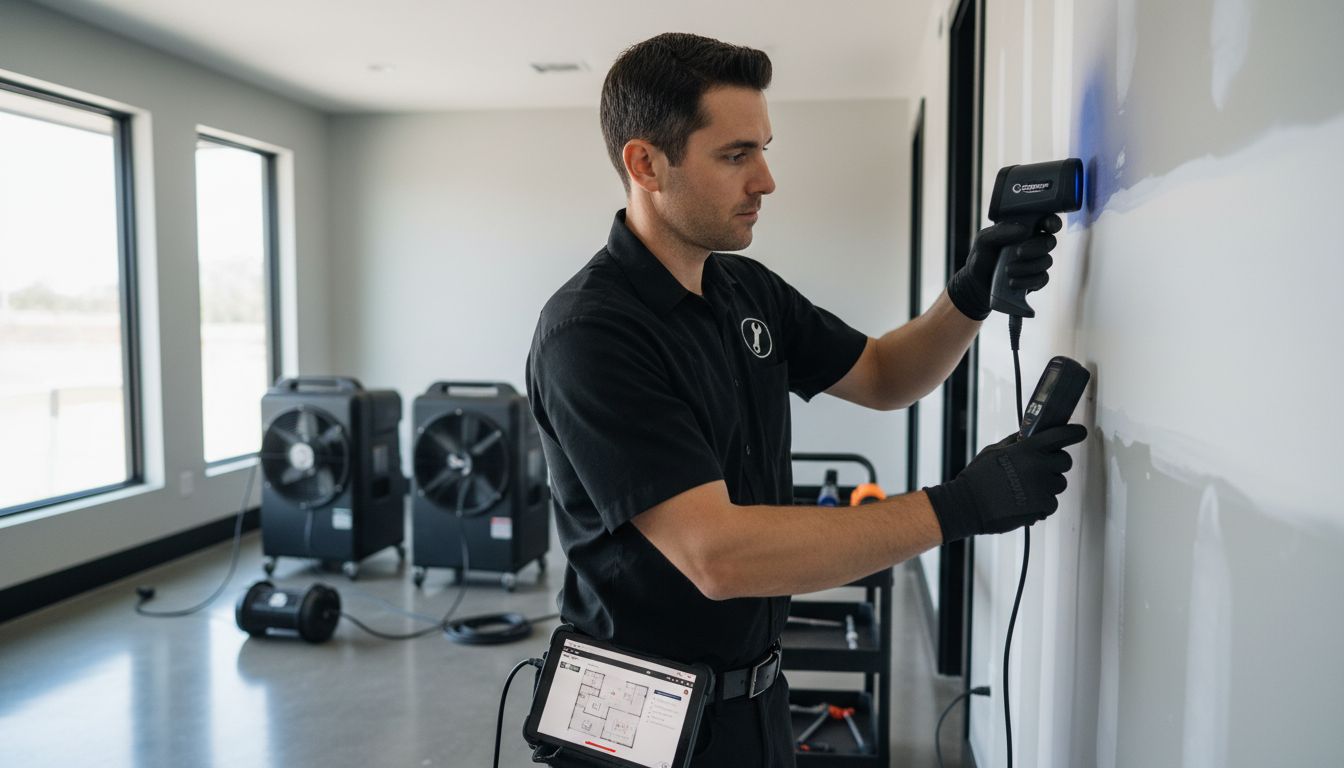
Major storms, burst pipes, or even a hidden mold problem can change the safety and value of a property in just hours. Over $14 billion is spent each year on property restoration in the United States alone, highlighting how common—and costly—unexpected damage can be. When disaster strikes, knowing how restoration protects your investment and brings your space back to life is vital. This guide untangles what property restoration really means, from its core purpose to the expert steps involved.
Table of Contents
- Defining Property Restoration And Its Purpose
- Major Types Of Property Restoration Services
- Key Steps In The Restoration Process
- Risks, Costs, And Insurance Considerations
- How To Choose A Qualified Restoration Company
Key Takeaways
| Point | Details |
|---|---|
| Purpose of Property Restoration | Aims to return damaged structures to their original condition while ensuring structural integrity, safety, and functional preservation. |
| Types of Restoration Services | Major categories include water damage, fire damage, mold remediation, and storm damage restoration, each requiring specialized approaches and equipment. |
| Restoration Process Steps | Involves initial assessment, emergency mitigation, cleaning, sanitization, and final reconstruction to ensure comprehensive recovery. |
| Choosing a Restoration Company | Select a qualified provider based on certifications, experience, emergency response capabilities, and reputation to ensure effective restoration. |
Defining Property Restoration and Its Purpose
Property restoration represents a specialized professional service designed to return damaged structures and spaces to their original condition following unexpected events like natural disasters, accidents, or systemic deterioration. Property restoration goes far beyond simple cleaning or repair, encompassing comprehensive strategies that address structural integrity, safety, and functional preservation.
According to research from MDPI, restoration projects fundamentally focus on conserving and renewing structures through careful repair and reconstruction, carefully guided by detailed assessment and historical understanding. This approach ensures not just surface-level fixes, but holistic rehabilitation that maintains the property’s core architectural and functional characteristics.
The primary purposes of property restoration include:
- Recovering structural damage from water, fire, or storm events
- Preventing further deterioration of affected areas
- Mitigating potential health risks from environmental hazards
- Preserving the economic and functional value of the property
- Restoring safety and habitability to damaged spaces
Restoration professionals utilize advanced diagnostic techniques, specialized equipment, and industry-certified methodologies to systematically address property damage. Whether confronting a minor water leak or extensive fire damage, these experts develop tailored strategies that efficiently return properties to their pre-damage condition. For property owners facing unexpected damage, understanding how to hire a restoration company becomes a critical first step in navigating the complex recovery process.
Major Types of Property Restoration Services
Property restoration is a complex field with multiple specialized services addressing different types of damage and environmental challenges.
Here’s a comparison of the four major types of property restoration services:
| Service Type | Common Causes | Key Restoration Steps | Specialized Equipment Used |
|---|---|---|---|
| Water Damage Restoration | Flooding Burst pipes Leaks | Moisture detection Water extraction Drying | Moisture meters Dehumidifiers |
| Fire Damage Restoration | Fires Smoke Soot | Smoke removal Sanitization Odor control | HEPA vacuums Ozone generators |
| Mold Remediation | Water intrusion Humidity | Containment Removal Air filtration | Air scrubbers Antimicrobial agents |
| Storm Damage Restoration | Hurricanes Wind Hail | Structural assessment Debris removal Reconstruction | Tarping tools Heavy-duty extractors |
| According to research from Number Analytics, restoration services primarily encompass four critical categories: water damage restoration, fire damage restoration, mold remediation, and storm damage restoration. |
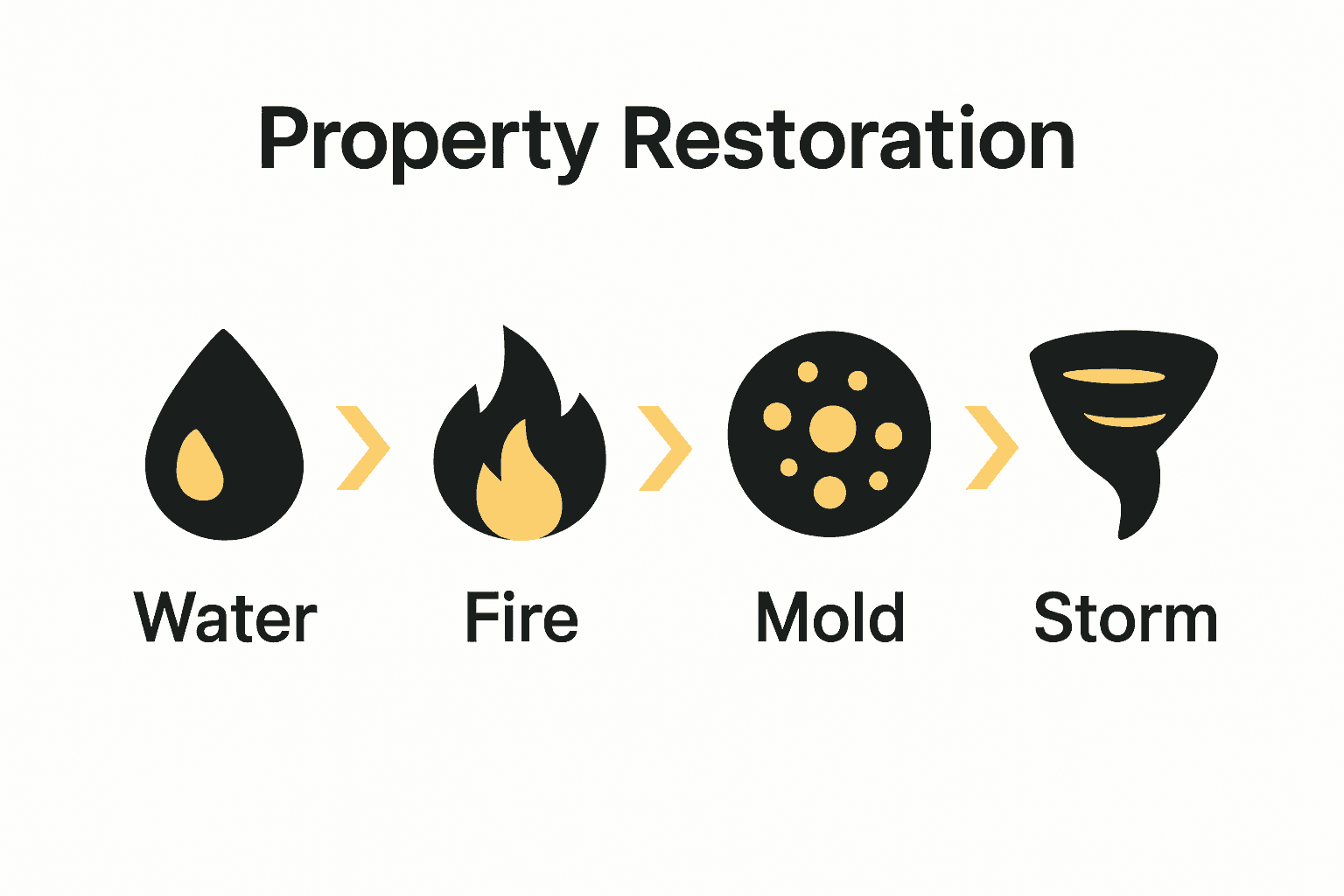
Water Damage Restoration is perhaps the most common type of property restoration service. This involves addressing issues caused by flooding, burst pipes, leaks, and other water-related incidents. Professionals use advanced moisture detection equipment, industrial-grade dehumidifiers, and specialized drying techniques to prevent structural damage, mold growth, and potential long-term deterioration.
Fire Damage Restoration requires a more complex approach, involving multiple stages of recovery. This service includes:
- Smoke and soot removal
- Structural cleaning and sanitization
- Odor elimination
- Reconstruction of damaged areas
- Salvaging and restoring personal belongings
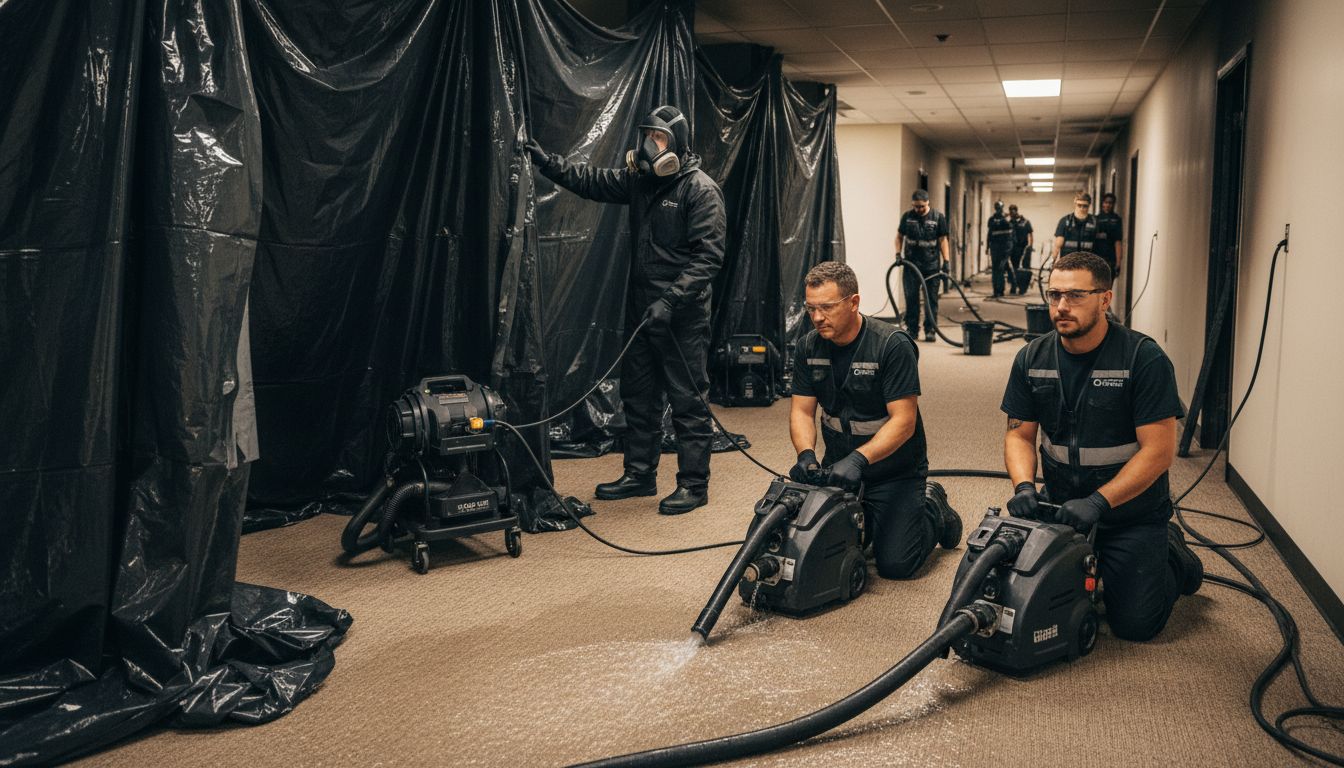
For property owners navigating complex restoration challenges, understanding the advantages of professional disaster restoration becomes crucial in ensuring comprehensive and effective property recovery. Mold Remediation focuses on identifying, containing, and eliminating potentially hazardous mold growth, which can pose significant health risks and compromise structural integrity. Professionals use specialized containment procedures, air filtration systems, and targeted removal techniques to address mold infestations safely and thoroughly.
Storm Damage Restoration addresses destruction caused by severe weather events like hurricanes, tornadoes, and extreme wind or hail damage. This comprehensive service involves structural assessment, debris removal, water extraction, temporary protective measures like tarping or boarding up damaged areas, and full-scale reconstruction when necessary. The goal is always to restore the property to its pre-damage condition while ensuring safety and preventing future vulnerabilities.
Key Steps in the Restoration Process
Property restoration follows a systematic and comprehensive approach designed to effectively address damage and return properties to their original condition. According to Number Analytics, the restoration process involves critical stages of assessing damage, mitigating further deterioration, cleaning and sanitizing affected areas, and ultimately repairing or reconstructing damaged structures.
Initial Assessment and Damage Evaluation represents the critical first step in the restoration process. Professionals conduct thorough inspections using advanced diagnostic tools like moisture meters, thermal imaging cameras, and structural assessment equipment. This comprehensive evaluation helps determine the extent of damage, identify potential safety risks, and develop a precise restoration strategy tailored to the specific property’s needs.
The key steps in the restoration process typically include:
- Emergency Mitigation
- Securing the property
- Preventing additional damage
- Implementing immediate protective measures
- Stopping active water or structural threats
- Detailed Damage Documentation
- Photographing and recording all damage
- Creating comprehensive damage reports
- Preparing documentation for insurance claims
- Establishing a clear restoration roadmap
- Water Extraction and Drying
- Removing standing water
- Using industrial-grade dehumidifiers
- Monitoring moisture levels
- Preventing secondary damage like mold growth
For property owners seeking additional guidance, understanding the advantages of professional disaster restoration can provide crucial insights into navigating complex restoration challenges. Cleaning and Sanitization follow the initial mitigation efforts, involving specialized techniques to remove contaminants, eliminate odors, and prepare surfaces for reconstruction. Professionals use advanced cleaning agents, antimicrobial treatments, and industry-certified protocols to ensure thorough restoration.
The final stage involves Reconstruction and Restoration, where damaged structural elements are repaired or replaced. This comprehensive process goes beyond simple repairs, focusing on returning the property to its pre-damage condition while addressing any underlying vulnerabilities that might have contributed to the initial damage.
Risks, Costs, and Insurance Considerations
Property restoration involves complex financial and risk management challenges that require careful navigation. According to Number Analytics, restoration costs can significantly vary based on the extent of damage, making it essential to understand insurance coverage to manage expenses and ensure comprehensive restoration.
Property Damage Risks encompass a wide range of potential financial and structural vulnerabilities. These risks include progressive damage from unaddressed water intrusion, potential mold growth, structural weakening, and secondary damage that can dramatically increase restoration costs if not immediately addressed. Potential risks range from minor cosmetic issues to complete structural compromise, with each level of damage presenting unique financial and safety challenges.
Key financial considerations in property restoration include:
- Immediate emergency mitigation costs
- Comprehensive damage assessment expenses
- Professional restoration service fees
- Potential temporary relocation expenses
- Long-term structural repair investments
Insurance Coverage Complexities require meticulous documentation and understanding of policy details. Different insurance policies offer varying levels of coverage for restoration services, with some covering only specific types of damage. Understanding the advantages of professional disaster restoration becomes crucial in navigating complex insurance claims and ensuring maximum coverage.
The cost of restoration can range dramatically, from hundreds to tens of thousands of dollars depending on the severity and type of damage. Factors influencing restoration expenses include the property’s size, damage extent, material types, and the specific restoration techniques required. Proactive documentation, quick response times, and working with certified restoration professionals can help minimize overall costs and maximize insurance claim potential.
How to Choose a Qualified Restoration Company
Selecting the right restoration company can mean the difference between a successful property recovery and potential long-term damage. According to Number Analytics, choosing a qualified restoration company requires carefully assessing their experience, certifications, response time, and customer reviews to ensure effective and reliable restoration services.
Critical Qualification Factors play a crucial role in identifying a reputable restoration professional. These include industry-specific certifications, proven track records of successful restoration projects, advanced technological capabilities, and comprehensive insurance and licensing credentials. Professionals should demonstrate expertise across multiple damage types, from water and fire restoration to mold remediation and structural repair.
Key criteria for selecting a restoration company include:
- Certifications and Training
- IICRC (Institute of Inspection, Cleaning and Restoration Certification)
- State-specific professional licenses
- Ongoing technical training credentials
- Specialized damage restoration qualifications
- Emergency Response Capabilities
- 24/7 availability
- Rapid initial response times
- Comprehensive emergency mitigation services
- Advanced diagnostic equipment
- Reputation and References
- Verified customer testimonials
- Online reputation and ratings
- Professional references
- Transparent service history
Top questions to ask before hiring a restoration company can provide additional insights into making an informed selection. Technological Capabilities separate exceptional restoration companies from average service providers. Look for professionals utilizing advanced moisture detection tools, thermal imaging cameras, industrial-grade drying equipment, and comprehensive digital documentation systems.
Ultimately, the ideal restoration company combines technical expertise, rapid response, comprehensive services, and a proven track record of successful property recovery. Property owners should prioritize professionals who offer transparent communication, detailed restoration plans, and a commitment to returning properties to their pre-damage condition.
Restore Your Property with Trusted Experts in Northeast Sacramento
Facing unexpected damage from water, fire, mold, or storms can feel overwhelming. The article highlights critical challenges such as preventing further deterioration, managing health risks, and navigating complex insurance claims. These pain points show how vital it is to have prompt, professional restoration that goes beyond quick fixes to fully restore safety, structure, and peace of mind.
At PuroClean of Northeast Sacramento, we specialize in comprehensive property restoration services tailored to your unique situation. Our 24/7 emergency response team uses advanced technology and certified methods to handle water damage restoration, fire and smoke cleanup, mold remediation, and storm recovery. We help you document damage for insurance, mitigate ongoing risks, and rebuild your home or business with care and precision.
Discover how choosing expert restoration can protect your investment and well-being today.
Don’t wait for problems to worsen. Contact PuroClean of Northeast Sacramento now to schedule an immediate assessment and begin your property’s full recovery. Learn more about water damage restoration and how professional disaster restoration can save you time and money.
Frequently Asked Questions
What is property restoration?
Property restoration is a specialized professional service focused on returning damaged structures to their original condition following incidents like natural disasters, accidents, or deterioration. It involves comprehensive strategies that ensure structural integrity and safety.
What types of damage can property restoration services address?
Property restoration services typically address four major types of damage: water damage from floods or leaks, fire damage from smoke and soot, mold remediation from water intrusion, and storm damage from severe weather events.
What are the key steps involved in the restoration process?
The restoration process generally includes several key steps: initial assessment and damage evaluation, emergency mitigation to prevent further damage, detailed documentation of the damage, water extraction and drying, cleaning and sanitization, and finally, reconstruction and restoration of affected areas.
How can I choose a qualified restoration company?
When selecting a restoration company, consider their certifications and training, emergency response capabilities, reputation through customer reviews, and their use of advanced technology. Look for professionals with a proven track record and comprehensive restoration services.
Recommended
Why Refurbish Espresso Machines: Complete Guide – Coffee Sensor
Property Restoration Myths: Debunking the Most Common
How to Hire a Cleaning or Restoration Company After a Property Disaster
The Advantages of Hiring a Professional Disaster Restoration Company