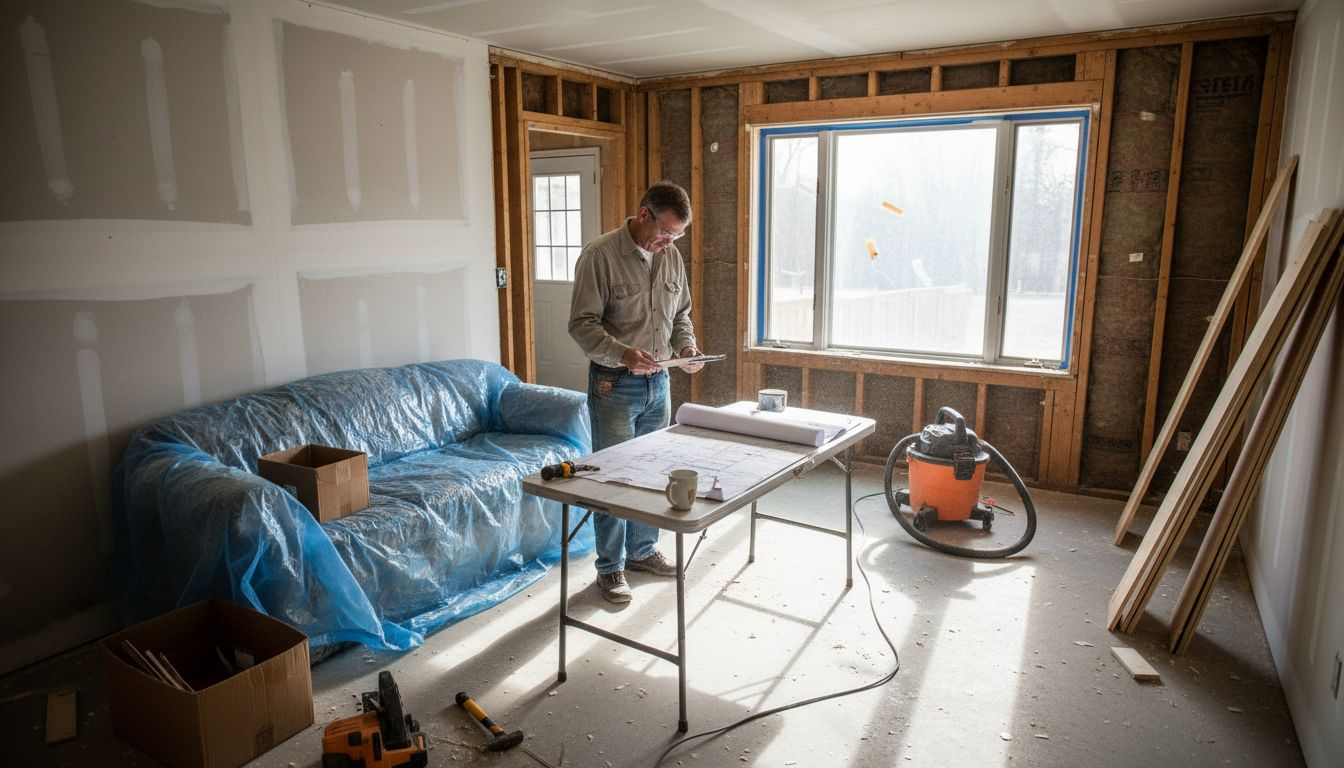
Many homeowners facing fire or water damage assume reconstruction can start immediately after the disaster. This misconception leads to rushed decisions, insurance complications, and unexpected costs. Reconstruction is a complex phase distinct from emergency mitigation, involving structural rebuilding, permitting, and careful coordination with insurance providers. Understanding the reconstruction process helps Northeast Sacramento homeowners manage timelines, avoid delays, and navigate insurance claims confidently during recovery.
Table of Contents
- Introduction To Reconstruction In Restoration
- Step-By-Step Process Of Reconstruction
- Comparison: Mitigation Vs. Reconstruction
- Insurance Claims And Reconstruction
- Factors Influencing Reconstruction Timelines And Costs
- Role Of Restoration Professionals In Reconstruction
- Conclusion And Practical Guidance For Homeowners
- Trust PuroClean Of Northeast Sacramento For Expert Reconstruction
- Frequently Asked Questions
Key takeaways
| Point | Details |
|---|---|
| Reconstruction rebuilds damaged structures after emergency mitigation stabilizes the property. | It involves structural repairs, interior finishing, and compliance with building codes. |
| Insurance coverage requires thorough documentation including damage photos, assessments, and contractor estimates. | Claim approval delays can extend reconstruction timelines by 30% or more. |
| Mitigation focuses on immediate damage control while reconstruction addresses long-term structural repair. | Proper sequencing prevents secondary damage and reduces overall costs. |
| Timelines vary from weeks to months depending on damage severity, permits, and specialized services. | Fire damage reconstruction includes additional steps like smoke odor removal. |
| Restoration professionals coordinate all phases from assessment through final inspection. | Their expertise ensures code compliance and reduces homeowner stress. |
Introduction to reconstruction in restoration
Reconstruction represents the rebuilding phase after fire or water damage has been mitigated. While mitigation involves immediate emergency response like water extraction, structural drying, and temporary repairs, reconstruction focuses on restoring your home to pre-damage condition or better. This distinction matters because each phase requires different expertise, equipment, and timelines.
Reconstruction becomes necessary when structural elements, drywall, flooring, or electrical systems sustain damage beyond simple cleaning or drying. For water damage, this might include replacing subfloors warped by flooding. For fire damage, reconstruction addresses burned framing, heat-damaged wiring, and compromised structural integrity. The role of restoration after fire extends beyond visible repairs to include hidden structural concerns.
Delaying proper reconstruction creates escalating problems. Moisture trapped in walls breeds mold within 48 hours. Fire-damaged structures weaken over time, creating safety hazards. Comprehensive restoration process planning prevents these secondary issues while managing costs effectively.
Fire damage reconstruction involves particularly complex considerations:
- Smoke odor removal and hazardous material handling extend project timelines significantly
- Structural integrity assessments require specialized inspectors
- Heat damage to hidden components like wiring or plumbing may not be immediately visible
- Soot residue removal requires specific cleaning protocols before reconstruction begins
Homeowners who understand reconstruction as a distinct phase make better decisions about contractor selection, insurance negotiations, and realistic timeline expectations. This knowledge reduces stress during an already challenging recovery period.
Step-by-step process of reconstruction
Reconstruction follows a logical sequence designed to restore safety, functionality, and livability. Each step builds on the previous one, making proper sequencing critical for successful outcomes.
- Damage assessment and documentation. Professional inspectors evaluate structural integrity, document all damage with photos and detailed reports, and create restoration plans. This documentation supports insurance claims and guides reconstruction scope.
- Complete mitigation before reconstruction begins. All water must be extracted and dried, fire residue removed, and emergency stabilization finished. Skipping thorough mitigation leads to mold growth, continued deterioration, and failed reconstruction work.
- Demolition of unsalvageable materials. Contractors remove damaged drywall, flooring, insulation, and structural components beyond repair. This phase clears the way for rebuilding while eliminating contaminated materials.
- Structural and utility repairs. Framing, roofing, plumbing, and electrical systems are repaired or replaced to meet current building codes. These foundational repairs ensure safety and functionality.
- Interior finishing and final inspection. New drywall, flooring, paint, and fixtures restore your home’s appearance. Building inspectors verify code compliance before issuing occupancy permits.
- Final walkthrough and documentation. Homeowners confirm work quality, receive warranties, and obtain completion certificates for insurance.
Pro Tip: Request moisture meter readings before reconstruction begins. Trapped moisture ruins new materials and creates expensive rework. Document these readings for your insurance file.
Understanding effective fire damage response steps helps homeowners recognize when each phase should start. View fire damage restoration examples to see the transformation from damage through completed reconstruction.
Comparison: mitigation vs. reconstruction
Homeowners often confuse mitigation with reconstruction because both involve restoration professionals working on damaged properties. Understanding their distinct purposes prevents unrealistic expectations about timelines and costs.
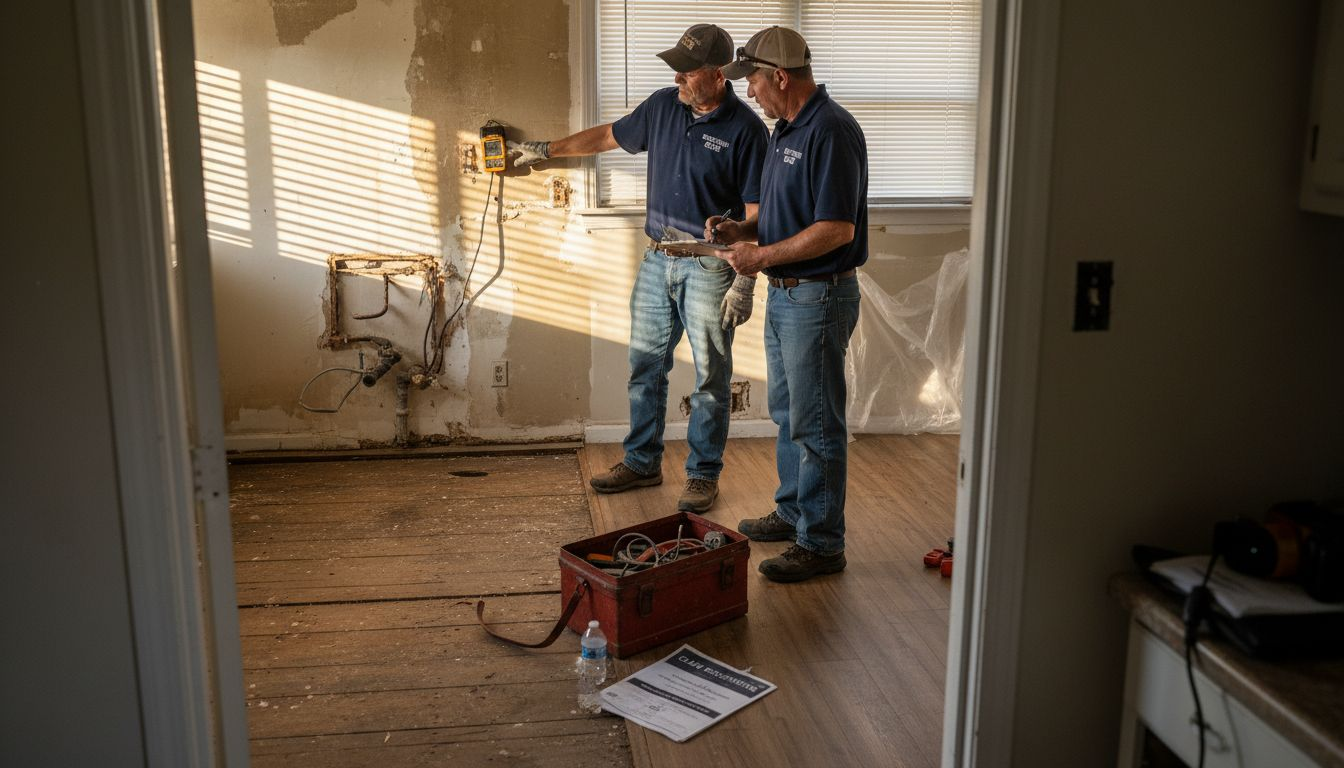
| Aspect | Mitigation | Reconstruction |
|---|---|---|
| Primary goal | Stop further damage immediately | Rebuild and restore structure |
| Timing | Within hours of damage | After mitigation completes |
| Duration | Days to 2 weeks typically | Weeks to months |
| Key activities | Water extraction, drying, boarding up, tarping | Framing, drywall, flooring, electrical, plumbing |
| Equipment | Dehumidifiers, air movers, moisture meters | Construction tools, building materials |
| Urgency level | Emergency response required | Planned project with permits |
Mitigation activities focus on damage control:
- Emergency water extraction within 24-48 hours prevents mold
- Structural drying using industrial dehumidifiers and air movers
- Temporary roof tarping or board-up services protect against weather
- Content pack-out to prevent additional loss
- Initial damage documentation for insurance
Reconstruction activities rebuild your home:
- Structural framing repairs or replacement
- New drywall, insulation, and interior finishes
- Flooring installation from subfloor through final surface
- Electrical and plumbing system restoration
- Painting, trim work, and cosmetic completion
Proper sequencing matters enormously. Starting reconstruction before complete drying traps moisture behind new walls, creating hidden mold problems. This mistake costs thousands in rework and extends timelines significantly. The comprehensive restoration process guide explains why patience during mitigation saves money during reconstruction.
Insurance claims and reconstruction
Insurance coverage typically includes reconstruction costs, but securing full benefits requires careful documentation and persistent communication. Understanding how insurers evaluate reconstruction claims empowers homeowners to protect their interests.
Insurance companies require specific documentation:
- Detailed damage photos from multiple angles
- Professional damage assessments with scope of work
- Itemized contractor estimates breaking down materials and labor
- Proof of mitigation completion before reconstruction begins
- Records of all communication with adjusters
Claim approval delays push reconstruction timelines significantly. Industry data shows insurance processing can extend project schedules by 30% or more when documentation is incomplete or disputes arise. Homeowners who submit thorough initial claims with professional assessments experience faster approvals.
Common insurance challenges during reconstruction include:
- Disputes over depreciation vs. replacement cost coverage
- Disagreements about scope of necessary repairs
- Delays in releasing funds for each reconstruction phase
- Requirements for multiple inspections before payment
Pro Tip: Photograph every repair phase before new materials cover previous work. These photos prove completed work if payment disputes arise later. Store digital copies in cloud storage as backup documentation.
Maintaining clear communication prevents costly misunderstandings. Request written confirmation of coverage decisions. Clarify payment schedules before reconstruction begins. Ask your restoration contractor to communicate directly with your adjuster when technical questions arise.
Learn how restoration and insurance claims work together to maximize your benefits while minimizing out-of-pocket costs during the reconstruction process.
Factors influencing reconstruction timelines and costs
Reconstruction duration and expenses vary dramatically based on damage severity, property characteristics, and external factors. Northeast Sacramento homeowners should understand these variables when planning recovery budgets and schedules.
| Factor | Impact on Timeline | Impact on Cost |
|---|---|---|
| Damage severity | Minor: 2-4 weeks, Major: 2-6 months | $5,000 to $150,000+ |
| Permit processing | 1-4 weeks added | Permit fees $500-$2,000 |
| Insurance approval | 2-8 weeks potential delay | Affects payment schedule |
| Specialized services | Adds 1-3 weeks | 20-40% cost increase |
| Material availability | Supply delays vary | Market rate fluctuations |
Damage severity determines reconstruction scope. Water damage affecting only drywall and flooring in one room costs far less than whole-house flooding requiring subfloor replacement, insulation removal, and electrical rewiring. Fire damage severity ranges from smoke cleaning to complete structural rebuilding.
Local Northeast Sacramento permitting requirements add time and cost. Building departments review plans, schedule inspections, and enforce current codes. Older homes often require updates to electrical, plumbing, or structural systems to meet 2026 code requirements during reconstruction.
Specialized services increase both duration and expense:
- Smoke odor removal requires specialized equipment and repeated treatments
- Mold remediation adds containment, air filtration, and separate inspections
- Asbestos or lead abatement in older homes requires certified contractors
- Structural engineering assessments for major fire or water damage
Material costs fluctuate with market conditions. Lumber prices, drywall availability, and appliance supply chains all affect reconstruction budgets. Contractors provide estimates based on current pricing but recommend contingency funds for price changes during longer projects.
Explore comprehensive water damage restoration services to understand typical project scopes. Compare best fire damage restoration providers to find contractors experienced with complex reconstruction projects.
Effective project management by experienced restoration professionals mitigates many delay factors through proper planning, vendor relationships, and proactive communication with all stakeholders.
Role of restoration professionals in reconstruction
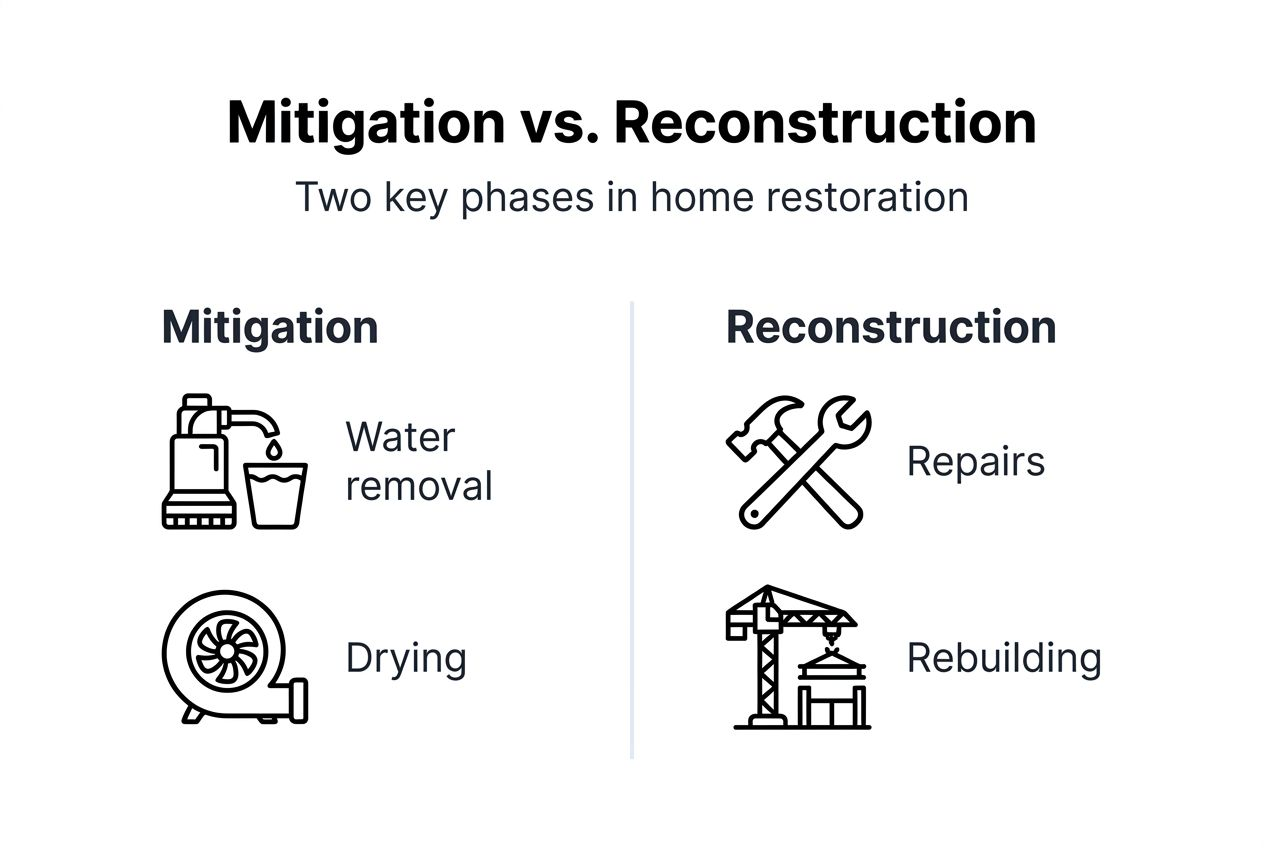
Restoration companies provide expertise that transforms overwhelming reconstruction projects into manageable, organized recoveries. Their role extends far beyond simple repairs to encompass project management, technical knowledge, and stakeholder coordination.
Restoration professionals manage the complete reconstruction process:
- Conduct thorough damage assessments using moisture meters, thermal imaging, and structural inspection tools
- Develop detailed scopes of work with timelines and cost estimates
- Coordinate with insurance adjusters to document damage and justify repairs
- Obtain necessary permits and schedule required inspections
- Supervise subcontractors for electrical, plumbing, and specialty work
- Ensure all work meets current building codes and safety standards
Advanced restoration technology accelerates reconstruction while improving quality. Industrial-grade dehumidifiers complete drying faster, preventing mold that would complicate reconstruction. Thermal imaging cameras detect hidden moisture or heat damage invisible to visual inspection. Air scrubbers remove contaminants before reconstruction begins.
Restoration companies maintain relationships with local building departments, insurance providers, and material suppliers. These connections streamline permit approvals, facilitate insurance communication, and secure materials during supply shortages. Homeowners attempting reconstruction without professional coordination face longer timelines and higher costs.
Quality restoration professionals provide transparency throughout reconstruction. They explain each phase, answer questions promptly, and document progress with photos and reports. This communication reduces homeowner stress during an already difficult period.
Their insurance expertise proves particularly valuable. Experienced restoration contractors understand coverage language, document requirements, and negotiation strategies. They advocate for homeowners when disputes arise, often securing additional benefits the homeowner wouldn’t know to request.
Understand the connection between restoration and insurance claims through professional guidance. Learn about the comprehensive role of restoration after fire to appreciate the specialized knowledge required for successful reconstruction.
Conclusion and practical guidance for homeowners
Successful reconstruction requires knowledge, patience, and proactive involvement. Homeowners who understand the process make better decisions, avoid common pitfalls, and achieve superior outcomes.
Take these practical steps to navigate reconstruction confidently:
- Contact restoration professionals immediately after damage occurs, even before insurance notification
- Document everything with photos, videos, and written notes including dates and conversations
- Request and review detailed written estimates before authorizing any reconstruction work
- Maintain organized files with all insurance correspondence, contractor agreements, and receipts
- Ask questions when you don’t understand processes, costs, or timelines
- Verify contractor licenses, insurance, and references before signing contracts
Realistic timeline expectations reduce frustration. Minor reconstruction projects take weeks while major rebuilds require months. Insurance processing, permit approvals, and material delivery all affect schedules beyond contractor control. Patience during proper mitigation prevents expensive problems during reconstruction.
Pro Tip: Create a dedicated email folder and physical binder for reconstruction documents. Organized records speed insurance claims, resolve payment disputes, and provide valuable references if future issues arise.
Open communication with all stakeholders prevents misunderstandings. Clarify coverage details with your insurance adjuster. Discuss timeline concerns with your contractor. Address questions immediately rather than letting confusion grow into conflicts.
Be proactive about potential delays. Follow up on permit applications. Confirm material delivery dates. Schedule required inspections early. Your involvement keeps projects moving forward efficiently.
Understand effective fire damage response steps to act quickly when disaster strikes. Reference the comprehensive restoration process guide as your roadmap through mitigation and reconstruction phases.
Trust PuroClean of Northeast Sacramento for expert reconstruction
When water or fire damage strikes your Northeast Sacramento home, PuroClean provides comprehensive reconstruction services that restore your property efficiently and completely. Our team manages every phase from initial assessment through final inspection, coordinating with your insurance provider to maximize coverage while minimizing your stress.
Our fire damage restoration expertise includes specialized smoke odor removal, structural repairs, and complete interior rebuilding. We handle complex projects like sewage cleanup and sanitization that require immediate response and careful reconstruction. Our mold mitigation and removal services prevent secondary damage that complicates reconstruction timelines.
Available 24/7 throughout Northeast Sacramento, Folsom, Rancho Cordova, and Citrus Heights, we bring advanced restoration technology and local expertise to every project. Our certified technicians ensure code compliance, quality workmanship, and transparent communication from emergency response through reconstruction completion. Contact PuroClean of Northeast Sacramento today for trusted restoration services that rebuild your home and your peace of mind.
Frequently asked questions
What is the typical timeline for reconstruction after water or fire damage?
Reconstruction timelines range from two weeks for minor damage to six months for extensive losses requiring structural rebuilding. Insurance approval processes, permit requirements, and specialized services like smoke odor removal extend project duration. Most moderate reconstruction projects in Northeast Sacramento complete within two to three months.
How does reconstruction differ from mitigation in home restoration?
Mitigation is emergency damage control performed immediately after loss, focusing on water extraction, drying, and stabilization to prevent further harm. Reconstruction is the planned rebuilding phase that repairs or replaces damaged structural elements, systems, and finishes. Mitigation takes days while reconstruction requires weeks or months.
What documentation is essential for insurance during reconstruction?
Insurance companies require comprehensive damage photos from multiple angles, professional damage assessments with detailed scopes of work, and itemized contractor estimates. You should also maintain records of all adjuster communications, receipts for all expenses, and proof of mitigation completion. Organized documentation accelerates claim approvals and payment releases.
Can restoration companies handle both mitigation and reconstruction?
Many professional restoration companies provide complete services from emergency mitigation through final reconstruction. This integrated approach ensures better coordination between phases, eliminates gaps in responsibility, and typically produces faster overall recovery. Single-source restoration reduces homeowner stress and simplifies insurance communication throughout the process.
Recommended
- Restoration Process Step by Step: Complete Guide – PuroClean of Northeast Sacramento
- Restoration and Insurance Claims: What Homeowners Need to Know – PuroClean of Northeast Sacramento
- Why Use Restoration Services: Complete Guide for 2024 – PuroClean of Northeast Sacramento
- Property Restoration Process Guide: Steps for Success – PuroClean of Northeast Sacramento