


What Is Trauma Cleaning? 70% Homeowners Need Expert Help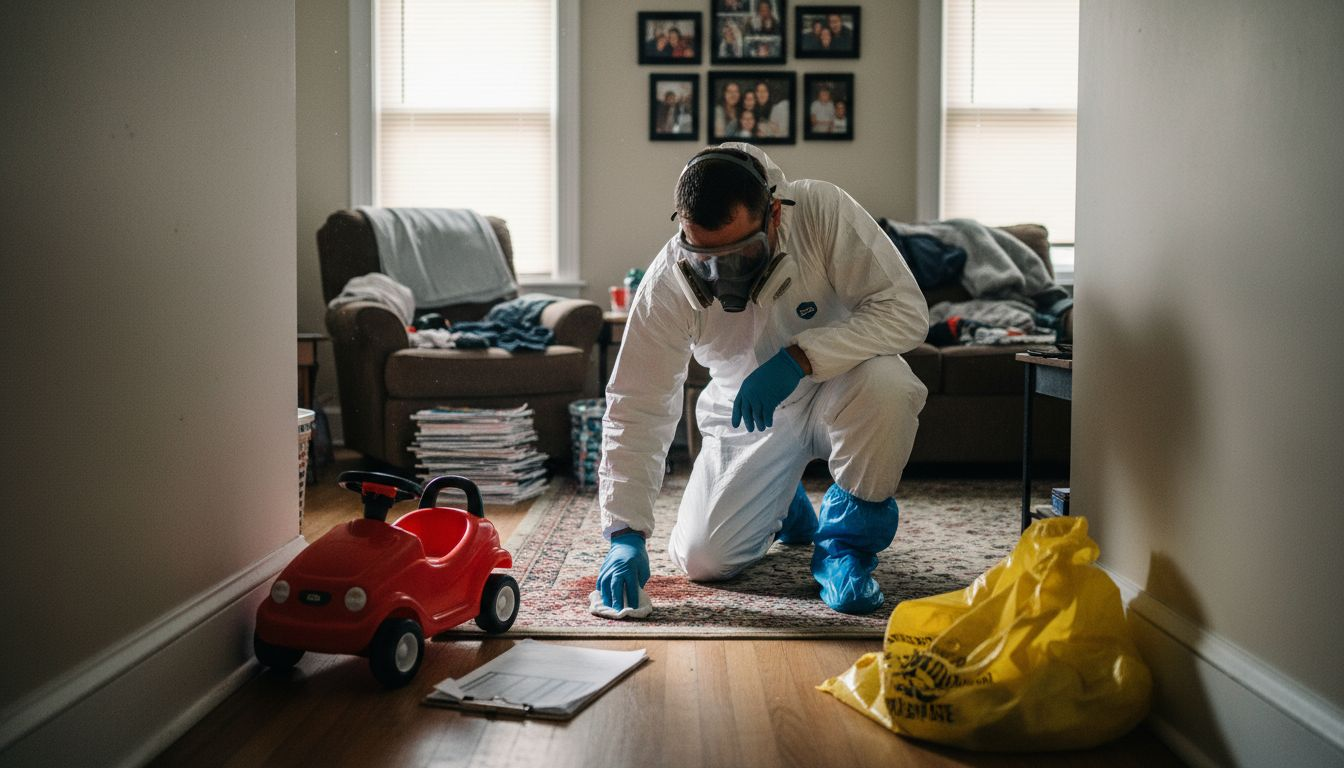
Many homeowners assume trauma cleaning is just deep cleaning after a fire or flood. It’s not. Trauma cleaning specifically targets biohazards like bloodborne pathogens and infectious materials that pose serious health risks. Without proper certification and equipment, attempting this work yourself exposes your family to dangerous diseases. This guide explains what trauma cleaning truly involves, why certified professionals are essential, and how to protect your health and insurance claims during recovery.
Table of Contents
Understanding Trauma Cleaning: Definition and Scope
How Trauma Cleaning Differs From Standard Restoration Services
Regulations and Safety Standards Governing Trauma Cleaning in California
The Trauma Cleaning Process: Technologies and Timelines
Insurance Considerations When Hiring Trauma Cleaning Services
Common Misconceptions About Trauma Cleaning
Choosing a Qualified Trauma Cleaning Service in Northeast Sacramento
Summary: Why Trauma Cleaning Matters for Homeowners After Fire or Water Damage
Expert Trauma Cleaning Services in Northeast Sacramento
Frequently Asked Questions About Trauma Cleaning
Key Takeaways
Point
Details
Specialized Biohazard Work
Trauma cleaning removes bloodborne pathogens and infectious materials requiring OSHA-compliant protocols.
Regulatory Compliance Required
California mandates Cal/OSHA standards, EPA disposal permits, and certified personnel for legal trauma cleanup.
Insurance Documentation Critical
Certified trauma cleaning documentation prevents claim denials and accelerates insurance processing.
Psychological Sensitivity Essential
Professional services address emotional trauma impacts alongside physical decontamination for homeowner wellbeing.
Health Risks Without Certification
DIY attempts expose individuals to hepatitis, HIV, and other pathogens requiring specialized safety measures.
Understanding Trauma Cleaning: Definition and Scope
Trauma cleaning involves specialized removal and decontamination of biohazards including bloodborne pathogens, bodily fluids, and other potentially infectious materials, according to OSHA guidelines. This work goes far beyond standard restoration because it directly addresses biological threats that can transmit disease.
When your home experiences trauma events, whether from accidents, crime scenes, or unattended deaths, the resulting contamination requires trained specialists. These professionals follow strict protocols to eliminate health hazards while restoring your property safely. Standard fire and water damage restoration focuses on structural repairs and moisture removal, but trauma cleaning deals with invisible biological dangers.
California regulations specifically govern how trauma cleaning must be performed. The scope includes:
Complete removal of all biohazardous materials and contaminated surfaces
Proper containment to prevent pathogen spread during cleanup
EPA-compliant disposal of infectious waste through permitted channels
Environmental safety verification through testing and documentation
Adherence to workplace safety standards protecting both technicians and residents
“Trauma cleaning requires more than surface cleaning. It demands complete decontamination verified through testing to ensure no biological threats remain.”
The biohazard cleanup complete breakdown explains how these services differ fundamentally from general restoration work. Professional trauma cleaners use hospital-grade disinfectants, specialized personal protective equipment, and containment systems that prevent cross-contamination.
Regulatory frameworks exist because even trace amounts of biological material can harbor dangerous pathogens for weeks. Without proper training in microbiology and infection control, well-meaning homeowners risk spreading contamination throughout their property while exposing themselves to serious illness.
How Trauma Cleaning Differs From Standard Restoration Services
The distinctions between trauma cleaning and typical restoration work matter for your safety and legal compliance. Standard restoration technicians handle water extraction, structural drying, and smoke removal. Trauma cleaning specialists manage infectious materials that can transmit life-threatening diseases.
Certification requirements tell the story. Trauma cleaners must complete bloodborne pathogen training, hazardous waste handling certification, and ongoing education in infection control protocols. Your typical water damage technician receives training in moisture detection and drying equipment, not disease transmission prevention.
Standard Restoration
Trauma Cleaning
Removes water, smoke, structural damage
Eliminates bloodborne pathogens and biohazards
Uses drying equipment and dehumidifiers
Employs hospital-grade disinfection and containment
Focuses on property preservation
Prioritizes health safety and disease prevention
General liability insurance adequate
Requires biohazard and medical waste coverage
Technician training in equipment operation
Certification in OSHA bloodborne pathogen standards
Psychological considerations set trauma cleaning apart. Unlike general restoration, trauma cleaning often requires managing the psychological trauma impact on residents alongside physical cleanup, according to research studies. Professional trauma cleaners receive training in compassionate communication because homeowners are processing emotional shock while their property undergoes intensive decontamination.
The biohazard cleanup procedures detail equipment differences. Trauma cleaning demands full body protection including respirators, sealed suits, and triple-glove protocols. Standard restoration uses basic protective gear suitable for moisture and debris.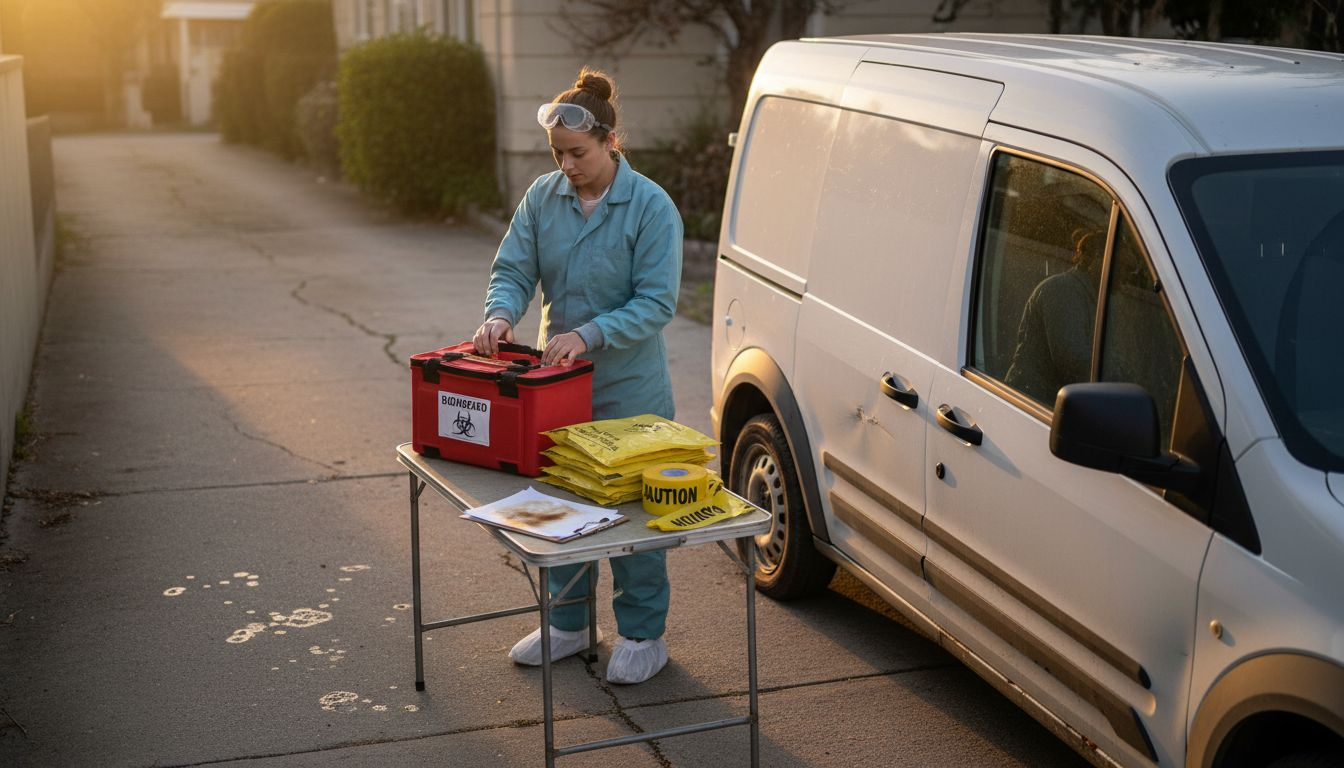
Insurance implications diverge significantly. Most homeowner policies cover trauma cleaning under specific circumstances, but only when performed by certified professionals following documented protocols. DIY attempts or uncertified services often void coverage entirely. The biohazard cleanup guidelines explain compliance requirements that protect your claim.
Pro Tip: Always request proof of bloodborne pathogen certification and biohazard liability insurance before hiring any trauma cleaning service. These credentials protect you legally and financially if complications arise during cleanup.
Regulations and Safety Standards Governing Trauma Cleaning in California
California maintains strict oversight of trauma cleaning through Cal/OSHA and EPA mandates. In California, trauma cleaning providers must abide by Cal/OSHA standards for workplace safety and must obtain permits for biohazard waste transport and disposal, according to Cal/OSHA regulations.
Compliance begins with written exposure control plans. Every certified trauma cleaning company must maintain detailed protocols covering:
Employee training documentation and bloodborne pathogen certification records
Personal protective equipment selection, use, and disposal procedures
Contamination containment and cross-contamination prevention methods
Biohazard waste segregation, packaging, labeling, and transport protocols
Emergency response procedures for accidental exposure incidents
Permitting requirements protect public health beyond your property. Trauma cleaning generates medical waste requiring EPA-approved disposal through licensed facilities. Improper disposal carries heavy fines and criminal liability. Your chosen provider must demonstrate current permits for biohazard transport and relationships with certified disposal facilities.
Local health departments enforce additional requirements in Northeast Sacramento and surrounding areas. Some jurisdictions require advance notification before trauma cleaning begins, allowing officials to verify proper containment measures. These regulations exist because contamination spreading to neighboring properties creates public health emergencies.
The virus decontamination services demonstrate how certified providers maintain regulatory compliance through systematic protocols. Each step gets documented, creating the paper trail necessary for legal protection and insurance approval.
Regulatory standards evolve as new pathogens emerge and research advances. Certified trauma cleaning professionals complete continuing education to stay current with changing requirements. This ongoing training ensures they apply the latest safety protocols and decontamination technologies to protect your household.
The Trauma Cleaning Process: Technologies and Timelines
Understanding the trauma cleaning workflow helps you set realistic expectations and recognize quality service. Professional trauma cleaning follows a systematic approach designed to eliminate all biological threats while documenting every step for insurance and legal purposes.
Initial Assessment and Safety Planning Certified technicians evaluate contamination extent, identify specific biohazards present, and develop containment strategies. They photograph conditions, test air quality, and map affected zones. This documentation becomes critical for your insurance claim.
Containment and Cross-Contamination Prevention Teams establish negative air pressure zones using HEPA filtration systems. They seal ventilation ducts, install physical barriers, and create decontamination corridors. These measures prevent pathogens from spreading to clean areas during removal work.
Biohazard Removal and Surface Decontamination Technicians remove all contaminated materials following OSHA protocols. Porous materials like carpet, drywall, and insulation often require complete disposal because biohazards penetrate beyond surface cleaning. Non-porous surfaces undergo multi-step disinfection using EPA-registered antimicrobials.
Advanced Technology Application Professionals deploy ozone generators, hydroxyl machines, and thermal fogging equipment to eliminate pathogens and odors at the molecular level. These technologies reach contamination in cracks, crevices, and HVAC systems that manual cleaning cannot access.
Verification Testing and Documentation After decontamination, independent laboratories test surfaces and air quality to verify complete biological elimination. This scientific proof protects you legally and satisfies insurance requirements.
Final Restoration and Property Return Once testing confirms safety, teams restore removed materials and prepare your property for occupancy. They provide detailed reports documenting every action taken.
Timeline matters critically for your health and insurance claim. Biohazards become more dangerous as time passes. Pathogens multiply, contamination spreads, and structural damage worsens. Professional trauma cleaning should begin within 24 to 48 hours of the incident whenever possible.
Pro Tip: Request a detailed written protocol before work begins. Reputable companies provide clear timelines, technology descriptions, and testing procedures upfront. Vague promises or rushed starts without proper assessment signal problems.
The biohazard cleanup workflow guide offers deeper insight into each phase, helping you recognize thorough professional service versus shortcuts that compromise safety.
Insurance Considerations When Hiring Trauma Cleaning Services
Your insurance coverage for trauma cleaning depends heavily on documentation, certification, and prompt action. Most homeowner policies include trauma cleaning under specific circumstances, but claim approval requires meeting strict conditions.
Insurance companies demand certified trauma cleaning documentation to approve claims. They require:
Proof of technician bloodborne pathogen certification and company licensing
Detailed photographic evidence of contamination before cleanup begins
Step-by-step work logs showing protocols followed during decontamination
Independent laboratory test results verifying complete biological elimination
Itemized invoices linking specific services to policy coverage terms
Certified professionals understand insurance requirements because they work with adjusters regularly. They photograph everything, maintain detailed notes, and structure documentation to match policy language. This expertise dramatically increases approval rates and speeds payment processing.
Timing affects coverage significantly. Most policies require notification within specific timeframes after discovering contamination. Delays can provide insurers grounds to deny claims. Additionally, waiting allows biological hazards to spread, potentially expanding damage beyond covered limits.
The documenting damage for insurance explains documentation strategies that protect your claim. Even if trauma cleaning stems from water damage or fire, the biological component requires specialized documentation beyond standard restoration claims.
Common pitfalls that jeopardize insurance recovery include:
Hiring uncertified cleaners whose work insurers reject as inadequate
Beginning cleanup before documenting initial conditions thoroughly
Failing to separate trauma cleaning costs from general restoration expenses
Missing notification deadlines specified in your policy terms
Accepting verbal cleanup promises without written protocols and guarantees
Choosing certified providers protects your financial recovery. Their experience navigating insurance requirements prevents costly mistakes that leave you personally liable for trauma cleaning expenses often reaching tens of thousands of dollars.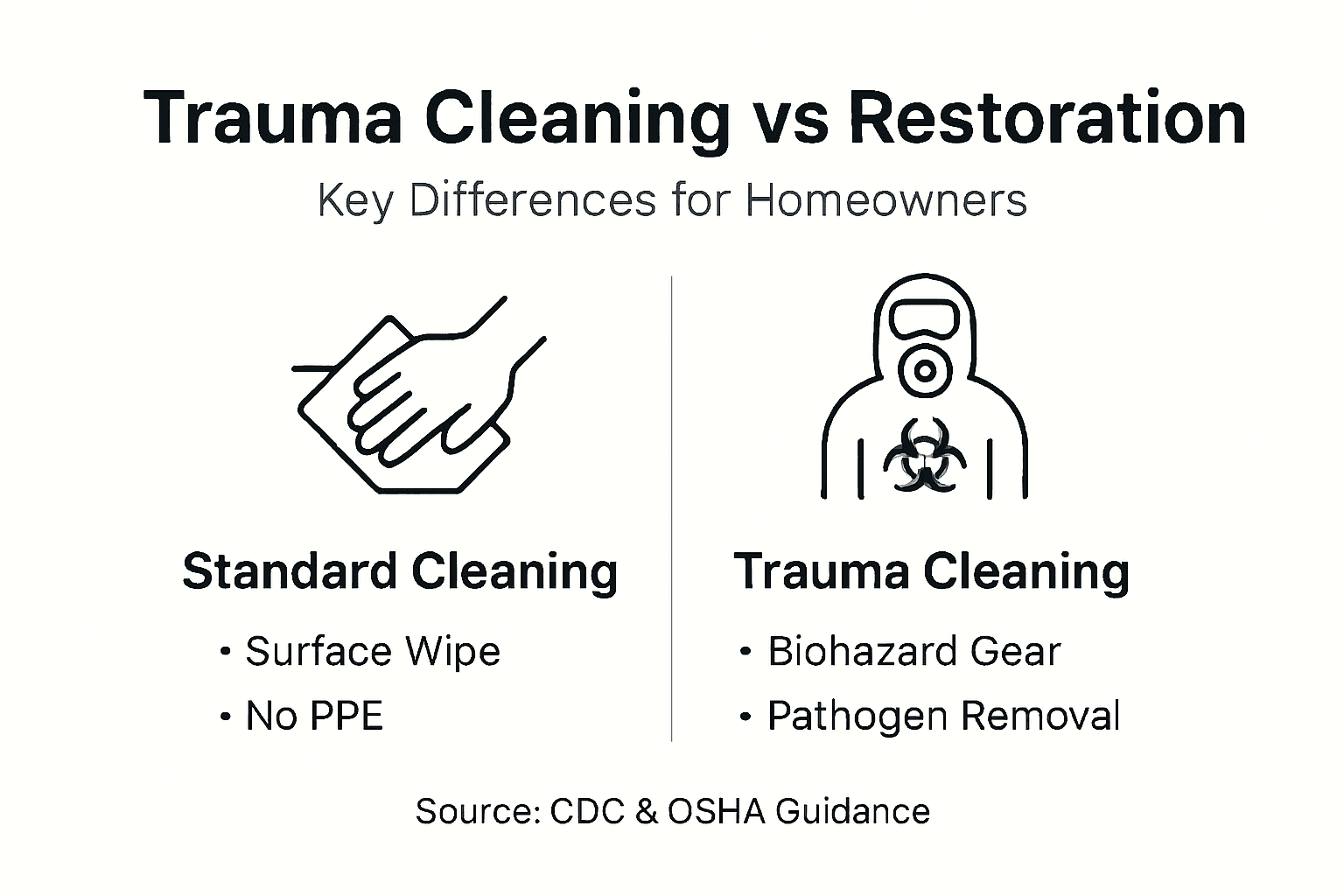
Common Misconceptions About Trauma Cleaning
Dangerous myths about trauma cleaning put homeowners at serious risk. Correcting these misconceptions helps you make safe decisions during already stressful situations.
Myth: Trauma Cleaning Is Just Deep Cleaning Reality shows trauma cleaning addresses invisible biological threats requiring specialized protocols. Surface appearance means nothing when bloodborne pathogens remain. DIY trauma cleaning risks serious health hazards including exposure to hepatitis and HIV pathogens, according to CDC warnings.
Myth: Bleach and Household Cleaners Eliminate Biohazards While bleach kills some pathogens, it fails against spores and certain viruses. Professional-grade antimicrobials target specific biological threats. More importantly, proper application technique, contact time, and containment prevent spreading contamination during cleaning.
Myth: You Can Save Money Doing Trauma Cleaning Yourself Beyond obvious health risks, DIY attempts often void insurance coverage entirely. You also lack proper disposal options for biohazardous waste. Illegal disposal carries criminal penalties. The biohazard cleanup safety guidelines detail why certification protects both your health and finances.
Myth: Any Restoration Company Can Handle Trauma Cleaning General restoration certification does not include bloodborne pathogen training or biohazard handling protocols. Companies lacking specific trauma cleaning credentials expose you to liability if workers get injured or contamination spreads.
“The assumption that visible cleanliness equals biological safety has hospitalized homeowners who attempted DIY trauma cleaning. Professional verification through laboratory testing is the only reliable confirmation.”
Myth: Trauma Cleaning Requirements Are Excessive Regulation These standards exist because people died or contracted serious diseases before regulations mandated proper protocols. Hepatitis B survives on surfaces for seven days. HIV remains viable in dried blood for extended periods. The risks are real and documented through decades of public health research.
Understanding these truths helps you prioritize professional certified trauma cleaning over risky shortcuts that endanger your family’s health and financial security.
Choosing a Qualified Trauma Cleaning Service in Northeast Sacramento
Selecting the right trauma cleaning provider protects your health, property, and insurance claim. Apply these criteria to identify qualified professionals serving Northeast Sacramento and surrounding areas.
Verify Certifications and Training Demand proof of current bloodborne pathogen certification for all technicians who will work on your property. Ask for company licenses, biohazard waste transport permits, and liability insurance covering biological contamination. Legitimate companies provide this documentation immediately.
Confirm Regulatory Compliance Your provider must demonstrate familiarity with Cal/OSHA requirements and local health department regulations. Ask how they handle biohazard disposal and which licensed facilities they use. Request examples of their exposure control plans and employee training records.
Assess Relevant Experience Trauma cleaning after fire or water damage presents unique challenges. Water can spread biological contamination throughout structures. Fire scenes may include multiple hazard types. Choose providers with documented experience handling complex scenarios combining trauma cleaning with restoration work.
Evaluate Emergency Response Capability Biological hazards demand immediate action. Your chosen company should offer 24/7 availability with rapid response times. Ask about their typical arrival timeframe after your call. Delays of more than a few hours suggest inadequate local resources.
Consider Psychological Sensitivity Trauma cleaning occurs during emotional crises. Professional providers train staff in compassionate communication and trauma-informed service delivery. They understand when to give you space and when to explain necessary steps.
Request References and Transparent Pricing Speak with previous customers about their experiences. Ask specifically about claim approval, communication quality, and final results. Obtain detailed written estimates explaining what services cost and why. Vague pricing often signals upcoming surprise charges.
The safe restoration procedures and biohazard cleaning safety tips help you evaluate whether providers follow proper protocols during your consultation.
Pro Tip: Schedule consultations with multiple certified providers before making your decision. Compare their assessment thoroughness, documentation practices, and communication style. The cheapest option rarely delivers the certified, compliant service your situation demands.
Local expertise matters significantly. Providers familiar with Northeast Sacramento understand regional regulations, work effectively with local insurance adjusters, and maintain relationships with area disposal facilities. This knowledge streamlines your recovery process considerably.
Summary: Why Trauma Cleaning Matters for Homeowners After Fire or Water Damage
Trauma cleaning represents specialized biohazard removal requiring certification, regulatory compliance, and advanced technology beyond standard restoration services. When your home experiences trauma events alongside fire or water damage, professional trauma cleaning protects your family from bloodborne pathogens and infectious materials that pose serious health risks.
Certified professionals eliminate biological threats while documenting every step to support your insurance claim. Their expertise navigating Cal/OSHA standards, EPA disposal requirements, and insurance protocols prevents claim denials that leave you financially responsible for expensive cleanup.
Timing critically affects outcomes. Beginning professional trauma cleaning within 24 to 48 hours reduces health risks, limits contamination spread, and improves restoration success. The psychological support certified providers offer helps you cope with trauma while ensuring your property becomes safe for occupancy.
Choosing qualified local experts with proper certification, transparent processes, and compassionate service delivery makes the difference between dangerous exposure and complete recovery. Your health and your home’s safety depend on recognizing when trauma cleaning is necessary and acting decisively to secure proper professional help.
Expert Trauma Cleaning Services in Northeast Sacramento
When trauma affects your Northeast Sacramento property, PuroClean delivers certified biohazard removal and comprehensive restoration services. Our team holds required bloodborne pathogen certifications and maintains full regulatory compliance with Cal/OSHA standards.
We respond immediately to trauma situations, combining specialized cleaning protocols with compassionate service during your crisis. Our fire damage restoration services address both structural damage and biological hazards. For properties experiencing water-related trauma, our water damage restoration guide explains our comprehensive approach. We also provide sewage cleanup and sanitization when biological contamination affects your property.
Contact us 24/7 for immediate trauma cleaning assistance throughout Northeast Sacramento, Folsom, Rancho Cordova, and Citrus Heights.
Frequently Asked Questions About Trauma Cleaning
What documentation does insurance require for trauma cleaning claims?
Insurance companies need proof of certified technician credentials, photographic evidence of contamination before cleanup, detailed work logs, independent laboratory test results, and itemized invoices. Missing any documentation element can delay or deny your claim.
Why must trauma cleaning be performed by certified professionals?
Certified professionals receive specialized training in bloodborne pathogen handling, understand disease transmission prevention, use hospital-grade disinfection systems, and follow OSHA protocols protecting your health. DIY attempts expose you to hepatitis, HIV, and other serious pathogens while potentially voiding insurance coverage.
How quickly should trauma cleaning begin after discovering contamination?
Professional trauma cleaning should start within 24 to 48 hours whenever possible. Delays allow pathogens to multiply, contamination to spread, and structural damage to worsen. Quick action also supports insurance claim approval by demonstrating reasonable mitigation efforts.
What biohazards commonly require professional trauma cleaning?
Bloodborne pathogens from injuries, bodily fluids from unattended deaths, sewage backups containing fecal matter, contaminated water after floods, and biological materials from crime scenes all require certified trauma cleaning. Any situation involving potential disease transmission demands professional protocols.
How do I know if I need trauma cleaning versus standard restoration?
If biological materials like blood, bodily fluids, sewage, or contaminated floodwater are present, you need trauma cleaning. Standard restoration handles structural damage, water extraction, and smoke removal without biological hazards. When both exist together, certified providers address trauma cleaning first to ensure safety during subsequent restoration work.
Recommended
Why Hire Restoration Services After Property Damage – PuroClean of Northeast Sacramento
Why Hire Restoration Services After Property Damage – PuroClean of Northeast Sacramento
7 Key Examples of Restoration Services Every Owner Should Know – PuroClean of Northeast Sacramento
7 Smoke Cleanup Best Practices Every Property Owner Needs – PuroClean of Northeast Sacramento