


What Is Water Damage? Complete Guide for Property Owners
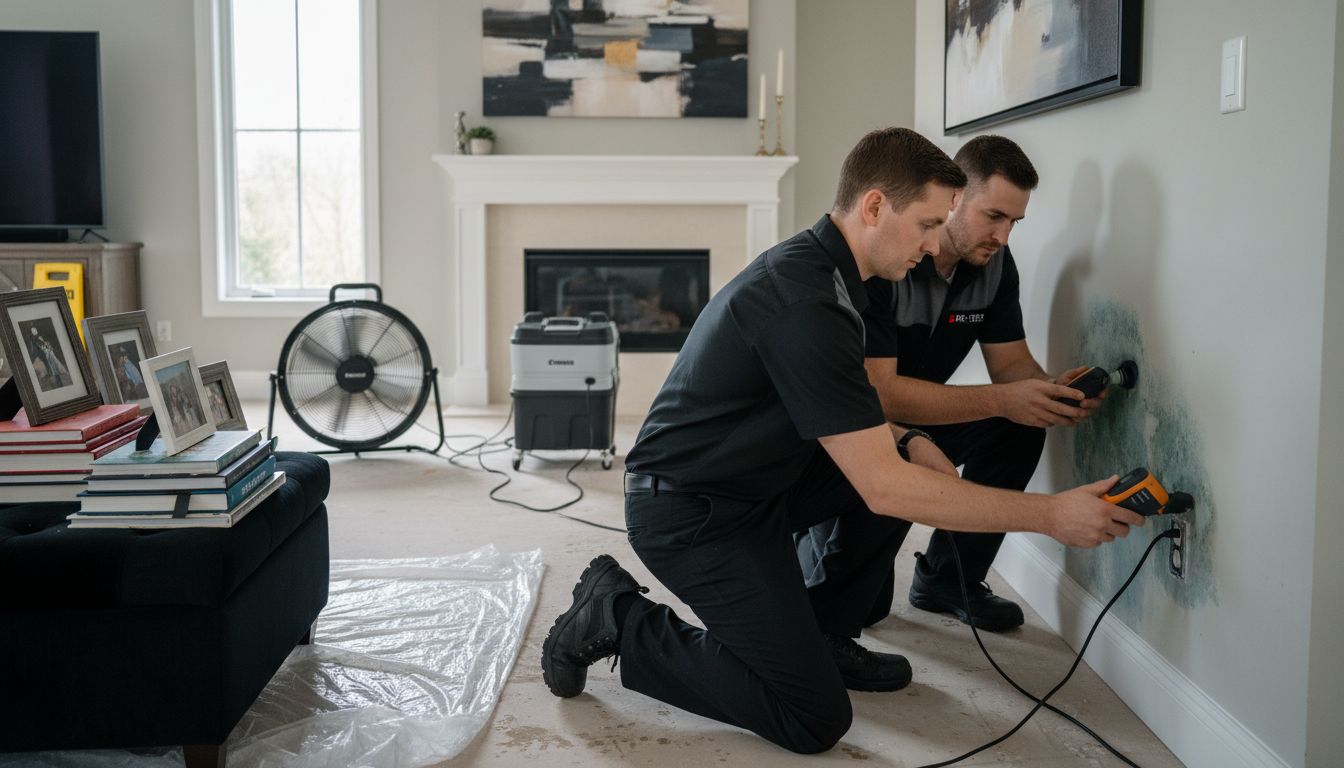
Did you know that water damage affects nearly 14,000 people in the US every day? Many property owners underestimate how easily hidden leaks or unexpected moisture can trigger expensive repairs and threats to home safety. Misunderstandings about water damage often lead to delayed action, turning a minor problem into a major crisis. By clearing up common misconceptions and learning the real risks, you can better protect your property and avoid costly surprises.
Table of Contents
- Defining Water Damage And Common Misconceptions
- Major Causes And Types Of Water Damage
- How Water Damage Impacts Property Structures
- Professional Restoration Process And Industry Standards
- Financial, Insurance, And Legal Implications
- Preventing Water Damage And Common Pitfalls
Key Takeaways
| Point | Details |
|---|---|
| Understanding Water Damage | Water damage involves complex issues beyond visible leaks, including hidden moisture that can undermine structural integrity over time. |
| Categories of Water Damage | Water damage is categorized into three types: Clean Water (Category 1), Gray Water (Category 2), and Black Water (Category 3), each with differing sources and health risks. |
| Importance of Quick Action | Rapid identification and professional intervention within 24-48 hours can prevent extensive damage and costly repairs, as well as health risks related to mold growth. |
| Proactive Prevention Strategies | Regular inspections, prompt leak responses, and proper moisture management are essential to minimizing risks and protecting property from water damage. |
Defining Water Damage and Common Misconceptions
Water damage represents a complex property issue that extends far beyond simple water exposure. According to the National Property Inspection Professionals (NPIP), water damage refers to the destruction or degradation of property resulting from water intrusion, which can originate from diverse sources ranging from natural environmental factors like rainfall to internal infrastructure failures such as plumbing system breakdowns.
Contrary to popular belief, water damage isn’t always immediately apparent. Many property owners mistakenly assume that water damage is exclusively visible through obvious flooding or significant leaks. In reality, moisture can silently infiltrate walls, floors, and structural components, causing gradual but potentially severe deterioration. Common Misconceptions about Mitigation and Restoration highlights how these hidden damages can compromise structural integrity over time.
The primary categories of water damage include:
Here’s a comparison of the three primary categories of water damage:
| Category | Description | Common Sources | Health Risk Level |
|---|---|---|---|
| Clean Water (Category 1) | Sanitary, minimal contamination | Broken water lines Sink overflows | Low |
| Gray Water (Category 2) | Chemical/biological contamination possible | Appliance leaks Drain backups | Moderate |
| Black Water (Category 3) | Sewage, highly contaminated, hazardous | Sewage backups Floodwater | High |
- Clean Water Damage: Originates from sanitary sources like broken water lines or sink overflows
- Gray Water Damage: Contains potential chemical or biological contamination from appliances or drainage systems
- Black Water Damage: Most hazardous category involving sewage or seriously contaminated water sources
Understanding these nuances is crucial for property owners. Quick identification and professional intervention can prevent extensive structural damage, mold growth, and potential health risks associated with prolonged moisture exposure.
 Water Damage Prevention is the Best Medicine provides additional insights into proactive protection strategies.
Major Causes and Types of Water Damage
Water damage presents a complex challenge for property owners, with multiple potential sources and significant risks. According to the National Disaster Recovery Organization, water damage originates from both internal and external sources, including plumbing failures, overflows, and environmental events like heavy rainfall. Homeowner’s Guide to Water Damage in Alexandria VA emphasizes the importance of understanding these potential risks.
Based on research from the University of Florida’s Environmental Health and Safety department, water damage can be categorized into three critical contamination levels:
- Category 1 (Clean Water): Originates from sanitary sources like broken water supply lines
- Category 2 (Gray Water): Contains potential chemical or biological contaminants from appliances or drainage systems
- Category 3 (Black Water): Most hazardous category involving sewage or seriously contaminated water sources
The primary causes of water damage are diverse and often unexpected. Common sources include:
- Plumbing system failures
- Roof leaks and structural vulnerabilities
- Sewer line backups
- Natural flooding events
- Malfunctioning household appliances
Quick recognition and response are crucial. Water Damage Restore: Key Actions in First 24 Hours highlights the critical window for mitigating potential long-term damage and preventing more extensive property destruction.
How Water Damage Impacts Property Structures
Water damage represents a serious threat to property structural integrity, with potential consequences far beyond surface-level moisture. According to research from Venture World, water intrusion can systematically compromise building materials, causing progressive and often hidden deterioration of critical structural components.
The most vulnerable structural elements include:
- Wood Framing: Prone to rotting and warping
- Steel Reinforcements: Susceptible to corrosion and weakening
- Concrete Foundations: Can develop critical cracks and structural instability
- Drywall and Insulation: Quickly deteriorate and promote mold growth
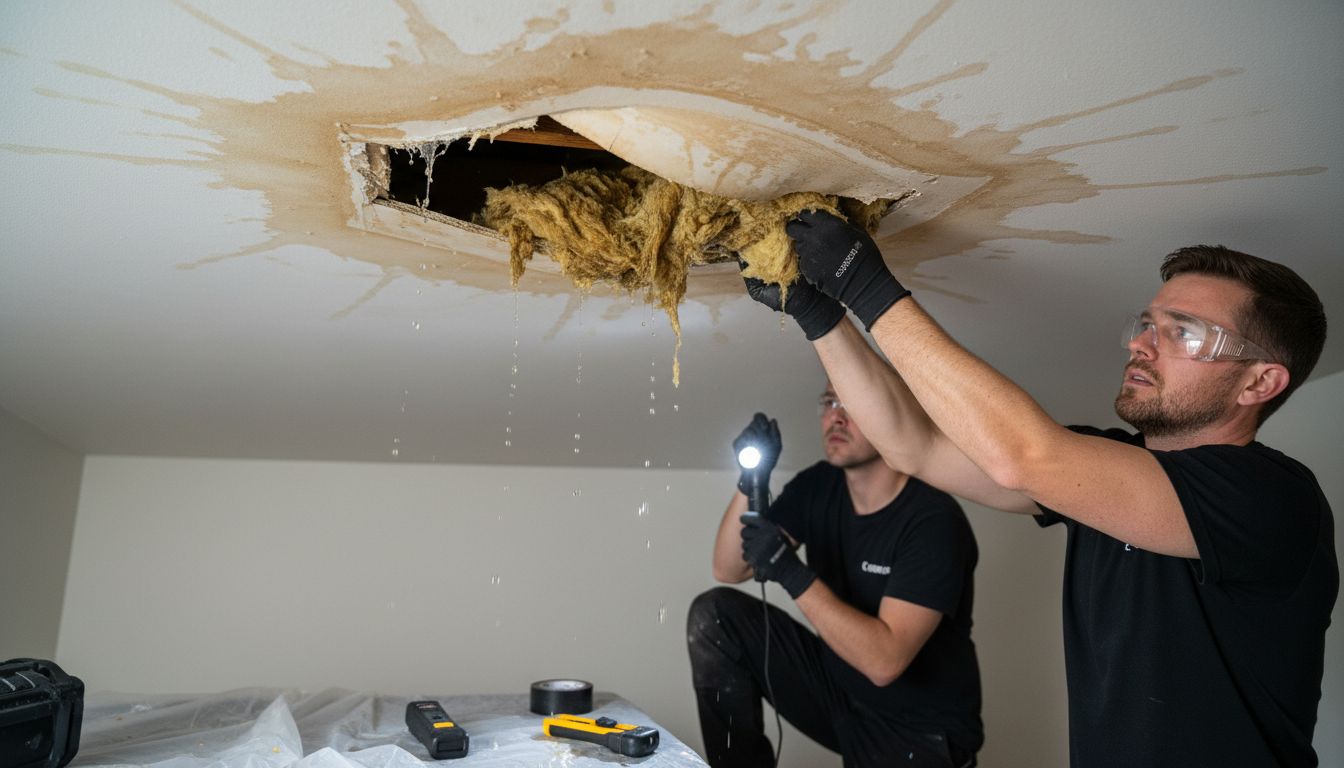
Dry Water-Damaged Walls highlights how moisture penetration creates multiple layers of potential damage. Prolonged exposure can lead to significant structural compromises, including foundation shifting, wall degradation, and potential complete structural failure if left untreated.
The health risks compound the structural concerns. Moisture creates ideal environments for mold and mildew proliferation, which can spread rapidly through walls, floors, and ceiling cavities. These hidden growths not only compromise structural integrity but also pose serious respiratory health risks to occupants. Prompt professional intervention becomes critical in preventing long-term damage and protecting both the property’s structure and its inhabitants’ well-being.
Professional Restoration Process and Industry Standards
Professional water damage restoration follows a rigorous, systematic approach designed to mitigate damage and protect property integrity. According to the University of Florida’s Environmental Health and Safety department, the restoration process begins with critical initial assessments that identify water sources, categorize contamination levels, and develop targeted remediation strategies.
The standard industry restoration process typically involves these key stages:
- Emergency Contact and Assessment
- Water Extraction and Removal
- Drying and Dehumidification
- Cleaning and Sanitization
- Structural Repair and Restoration
Call A Professional emphasizes the importance of rapid response. Research from Montgomery College highlights that addressing water-damaged materials within 48 hours is crucial to prevent mold growth and ensure occupant safety. Professional restoration teams utilize specialized equipment like industrial-grade moisture meters, thermal imaging cameras, and high-capacity dehumidifiers to thoroughly assess and mitigate water damage.
Industry standards mandate comprehensive documentation, including detailed moisture mapping, moisture content readings, and photographic evidence. These protocols not only ensure thorough restoration but also provide critical documentation for insurance claims and future property maintenance. The goal extends beyond simple water removal to complete structural recovery and prevention of potential long-term environmental health risks.
Financial, Insurance, and Legal Implications
Water damage presents complex financial challenges that extend far beyond immediate repair costs. According to the Substance Abuse and Mental Health Services Administration, flood-related damages can create substantial economic disruptions for property owners, impacting both short-term finances and long-term property value.
Key financial considerations for property owners include:
- Direct Repair Costs: Immediate restoration expenses
- Potential Property Value Reduction: Long-term market impact
- Insurance Premium Implications: Potential increases after claims
- Temporary Relocation Expenses: Costs of alternative housing during repairs
Insurance coverage for water damage varies dramatically depending on the source and type of water intrusion. Flood damage typically requires separate insurance policies, while sudden internal water damage might be covered under standard homeowners insurance. Documenting every stage of damage becomes critical for successful insurance claims.
Legal implications can be equally complex. Property owners may face potential liability if water damage is not promptly addressed, potentially leading to health hazards for occupants or adjacent property damage. Proactive maintenance, thorough documentation, and rapid professional intervention are essential strategies for mitigating both financial risks and potential legal complications. Call A Professional underscores the importance of expert guidance in navigating these intricate challenges.
Preventing Water Damage and Common Pitfalls
Controlling indoor moisture requires a proactive and strategic approach to property maintenance. According to the Environmental Protection Agency, implementing proper building design, maintenance, and ventilation strategies can significantly mitigate moisture-related risks and protect property structures from potential water damage.
Key prevention strategies include:
- Regular Inspection: Check plumbing, roof, and potential moisture entry points
- Proper Drainage: Ensure gutters and downspouts direct water away from foundations
- Immediate Leak Response: Address any water intrusion within 24-48 hours
- Maintain Humidity Levels: Keep indoor humidity between 30-50%
How to Prevent Water Damage in Winter highlights seasonal-specific risks. According to Whitman College’s Emergency Management guidelines, promptly identifying and addressing water leaks by notifying maintenance personnel can prevent extensive damage. Common pitfalls property owners often overlook include:
- Ignoring small leaks
- Failing to maintain proper ventilation
- Neglecting regular roof and plumbing inspections
- Not investing in moisture detection technologies
Understanding these prevention techniques can save property owners significant time, money, and potential structural damage. Proactive maintenance is always more cost-effective than reactive restoration.
Protect Your Home From Water Damage Before It’s Too Late
Water damage can silently destroy the foundation and safety of your property. From hidden moisture behind walls to contaminated black water flooding your space, the risks are real and urgent. You need a trusted partner who understands the technical challenges of water intrusion, contamination categories, and the critical need for fast restoration to prevent mold growth and structural failure.
Take control of water damage threats now with professional help from PuroClean of Northeast Sacramento. Our certified restoration experts offer 24/7 emergency response, advanced drying technology, and thorough remediation to save your home or business. Learn more about how we handle complex water damage scenarios in our detailed Restoration Process and why immediate action matters by contacting us today. Do not wait for moisture to cause permanent harm. Act now to protect your property and your peace of mind.
Frequently Asked Questions
What are the different categories of water damage?
Water damage is categorized into three primary types: Clean Water (Category 1) which comes from sanitary sources, Gray Water (Category 2) which contains potential contaminants, and Black Water (Category 3) which is highly hazardous and contaminated.
What are the common sources of water damage in properties?
Common sources of water damage include plumbing system failures, roof leaks, sewer line backups, natural flooding, and malfunctioning household appliances.
How can I prevent water damage in my property?
Preventing water damage involves regular inspections of plumbing and roofs, ensuring proper drainage, responding promptly to leaks, and maintaining indoor humidity levels between 30-50%.
What should I do if I experience water damage in my home?
If you experience water damage, it’s crucial to act quickly: assess the situation, stop the water source if possible, and contact a professional restoration service within 24-48 hours to mitigate damage and prevent mold growth.
Recommended
Historic New York City Flooding and Electrocution Risks
WATER DAMAGE – Prevention is the Best Medicine – PuroClean of Alexandria