 PuroClean of Northeast Sacramento
 What Is Water Mitigation? Complete Breakdown
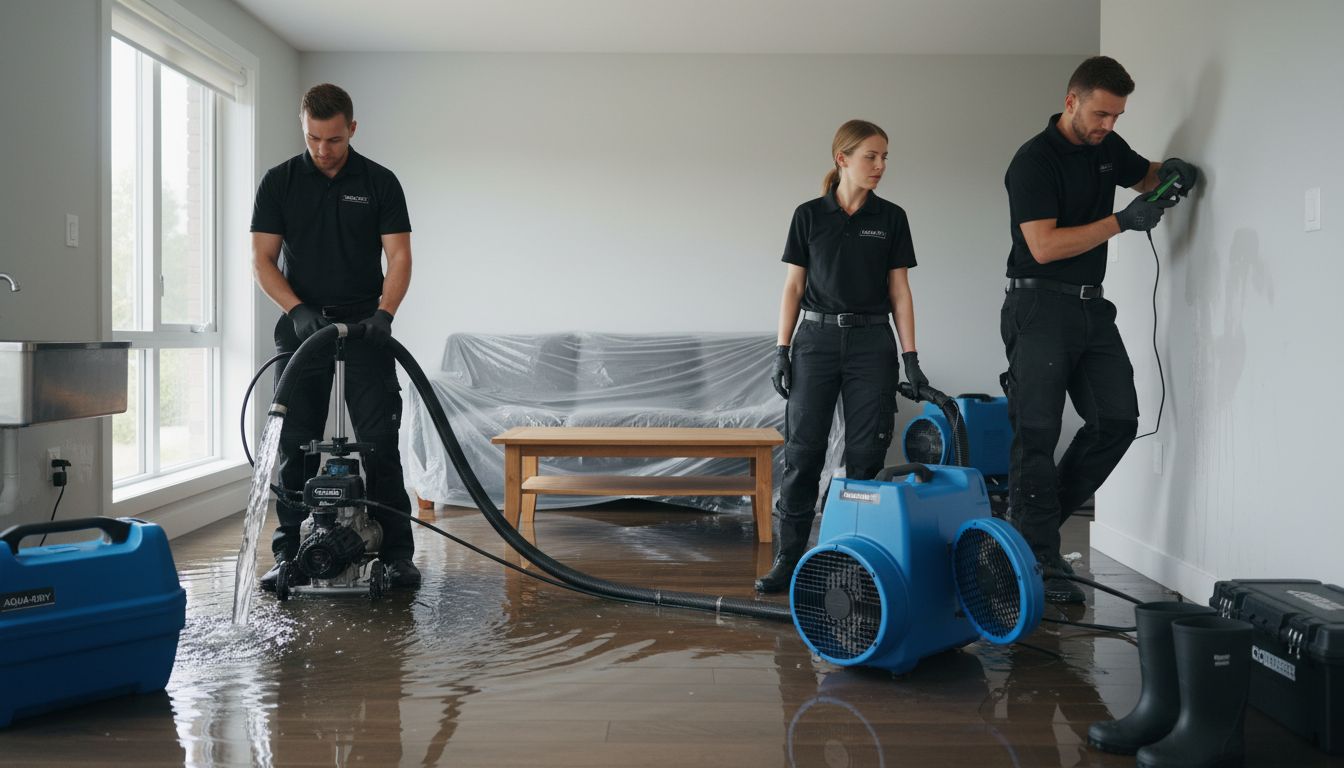
Did you know that just one inch of water in your home can cause over $25,000 in damage? Water-related emergencies strike unexpectedly and can destroy walls, flooring, and even a building’s foundation. Acting fast does more than save your property—it helps avoid serious health hazards like mold and prevents repair bills from spiraling higher. Understanding how water mitigation works gives you the power to limit the impact and protect both your investment and well-being.
Table of Contents
- Defining Water Mitigation And Its Purpose
- How The Water Mitigation Process Works
- Types Of Water Damage And Mitigation Methods
- Costs, Insurance, And Financial Considerations
- Common Water Mitigation Mistakes To Avoid
Key Takeaways
| Point | Details |
|---|---|
| Water Mitigation Importance | Quick, professional response minimizes damage and prevents further destruction post water incidents. |
| Mitigation Process Stages | The structured approach includes extraction, drying, repair, and restoration to ensure comprehensive recovery. |
| Types of Water Damage | Understanding clean, gray, and black water damage types is crucial for implementing appropriate mitigation strategies. |
| Cost Considerations | Proactive water mitigation can save on potential repair costs and insurance claims by preventing further damage. |
Defining Water Mitigation And Its Purpose
Water mitigation represents a critical emergency response strategy designed to minimize damage and prevent further destruction after water-related incidents. Water mitigation involves immediate professional interventions that stop additional water damage, protect property, and reduce potential long-term restoration costs.
According to FEMA, mitigation refers to “any sustained action taken to reduce or eliminate long-term risk to life and property from a hazard event.” In the context of water damage, this translates to strategic actions that prevent secondary complications like structural deterioration, mold growth, and material degradation.
The core purpose of water mitigation extends beyond simple water removal. It encompasses several strategic objectives:
- Rapid Water Extraction: Quickly removing standing water from affected areas
- Moisture Detection: Identifying hidden water sources using advanced technologies
- Structural Protection: Preventing further damage to building materials
- Contamination Prevention: Mitigating potential health risks from water-related hazards
Professional water mitigation services How does Water Mitigation Works: 10 Tips typically involve a systematic approach. This includes immediate assessment, water removal, drying, dehumidification, and sanitization. The goal is not just to address visible water damage but to create a comprehensive recovery strategy that safeguards both the property’s structural integrity and the occupants’ health.
How The Water Mitigation Process Works
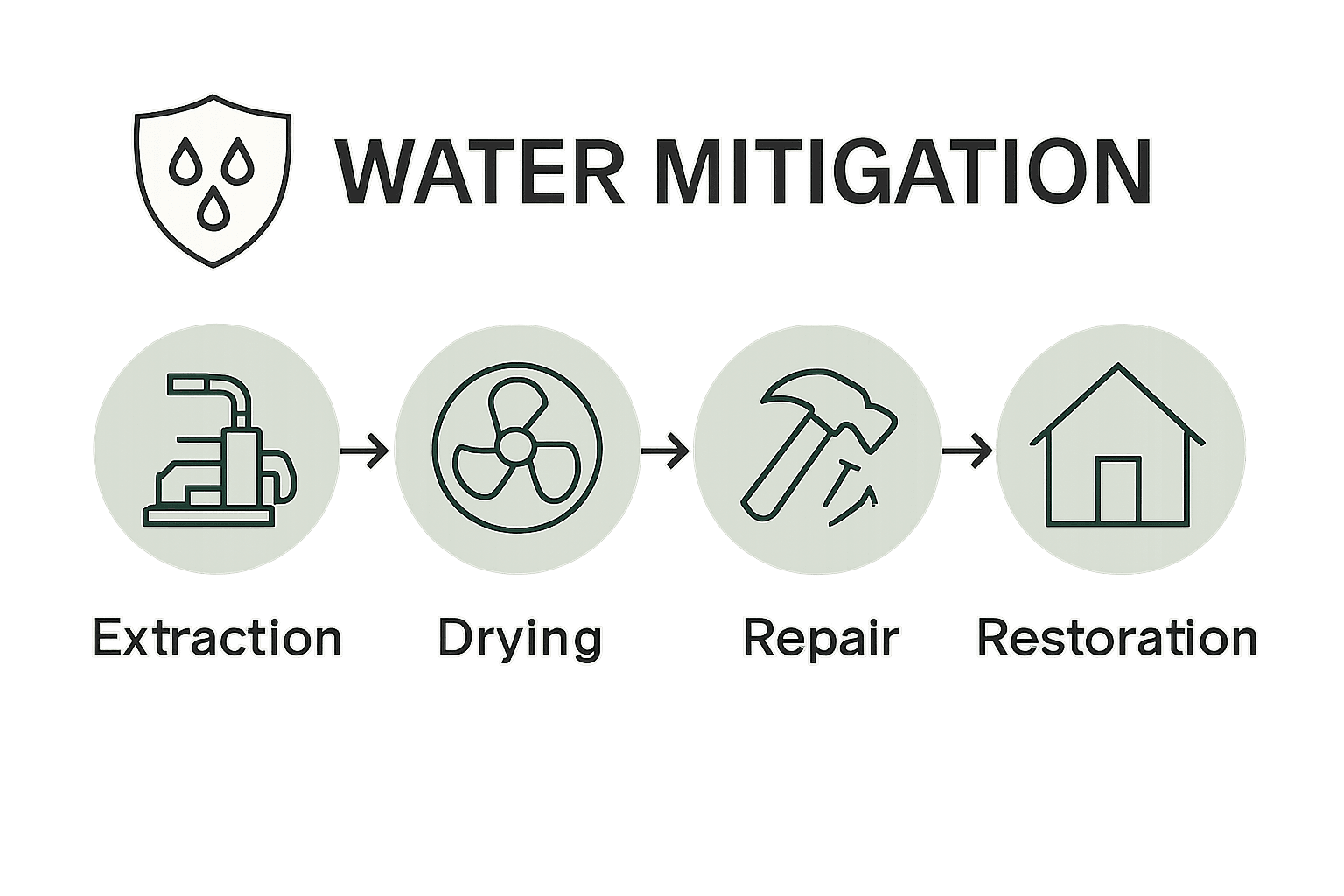
Water mitigation follows a structured, systematic approach designed to minimize damage and protect property after water-related incidents. Water Advisor outlines a comprehensive process that typically involves four critical stages: extraction, drying, repair, and restoration.
The initial phase focuses on water extraction. Professionals use specialized equipment like industrial-grade pumps and wet vacuums to remove standing water quickly. This rapid removal prevents further structural damage and reduces the potential for mold growth. When extracting water, technicians assess the contamination level, determining whether the water is clean, gray, or black, which influences subsequent sanitization procedures.
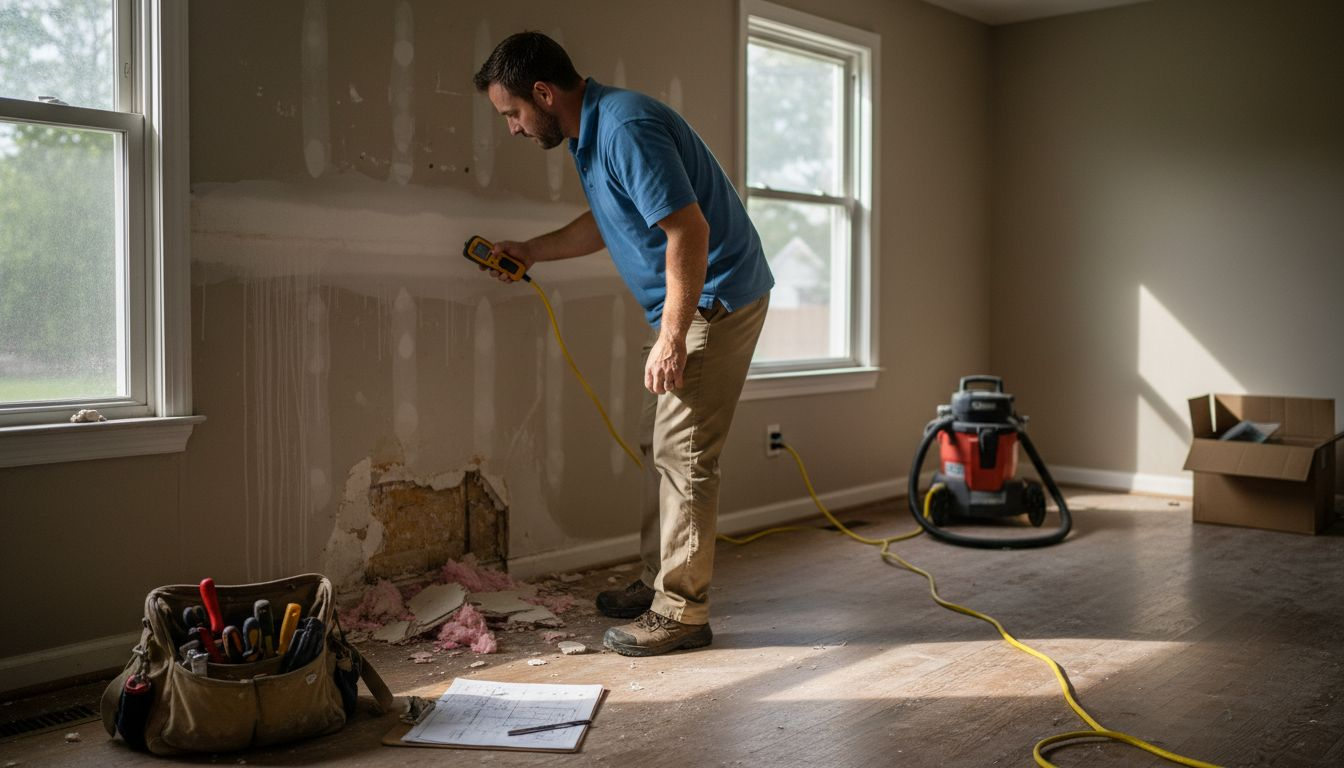
Drying and dehumidification represent the next crucial stage. Advanced moisture detection tools help identify hidden water pockets within walls, floors, and other structural elements. High-powered air movers and industrial dehumidifiers are strategically placed to eliminate residual moisture. According to EPA, mitigation projects often involve strategic modifications to prevent future damage, such as reinforcing structural components and implementing preventative measures.
The final stages involve comprehensive repair and restoration. Contractor Water Damage: Key Factors to Consider Before Signing Contract highlights the importance of professional assessment during this phase. Technicians repair or replace damaged materials, sanitize affected areas, and restore the property to its pre-damage condition. This might include:
- Replacing water-damaged drywall
- Treating potential mold growth sites
- Addressing electrical and structural integrity issues
- Cleaning and disinfecting affected surfaces
The comprehensive water mitigation process ensures not just immediate water removal, but long-term property protection and safety.
Types Of Water Damage And Mitigation Methods
Water damage is not a one-size-fits-all problem, and understanding its various types is crucial for effective mitigation. Just as Ecology suggests a strategic approach to environmental impact, water damage mitigation requires a nuanced understanding of different damage categories and corresponding remediation strategies.
Clean Water Damage represents the least complicated category, originating from sanitary sources like broken water supply lines, sink overflows, or appliance malfunctions. These situations demand rapid intervention to prevent water from becoming contaminated. Mitigation methods typically involve:
- Immediate water extraction
- Thorough drying of affected surfaces
- Minimal material replacement
- Comprehensive moisture monitoring
Gray Water Damage introduces additional complexity. This category includes water from washing machines, dishwashers, and other sources containing potential chemical or biological contaminants. Mitigation requires more intensive cleaning and sanitization protocols. Professionals must:
- Use specialized disinfection techniques
- Remove potentially compromised porous materials
- Implement advanced drying strategies
- Conduct comprehensive contamination assessments
Black Water Damage represents the most severe and hazardous water damage scenario. Water Damage Prevention: Best Medicine highlights the critical nature of these situations, which typically involve sewage backups, flooding from exterior sources, or water containing significant biological and chemical hazards. Mitigation requires:
- Complete evacuation of affected areas
- Extensive protective equipment for technicians
- Advanced sanitization and decontamination
- Potential structural material replacement
- Comprehensive health risk assessments
Each water damage type demands a tailored approach, emphasizing the importance of professional assessment and targeted mitigation strategies to protect property and occupant health.
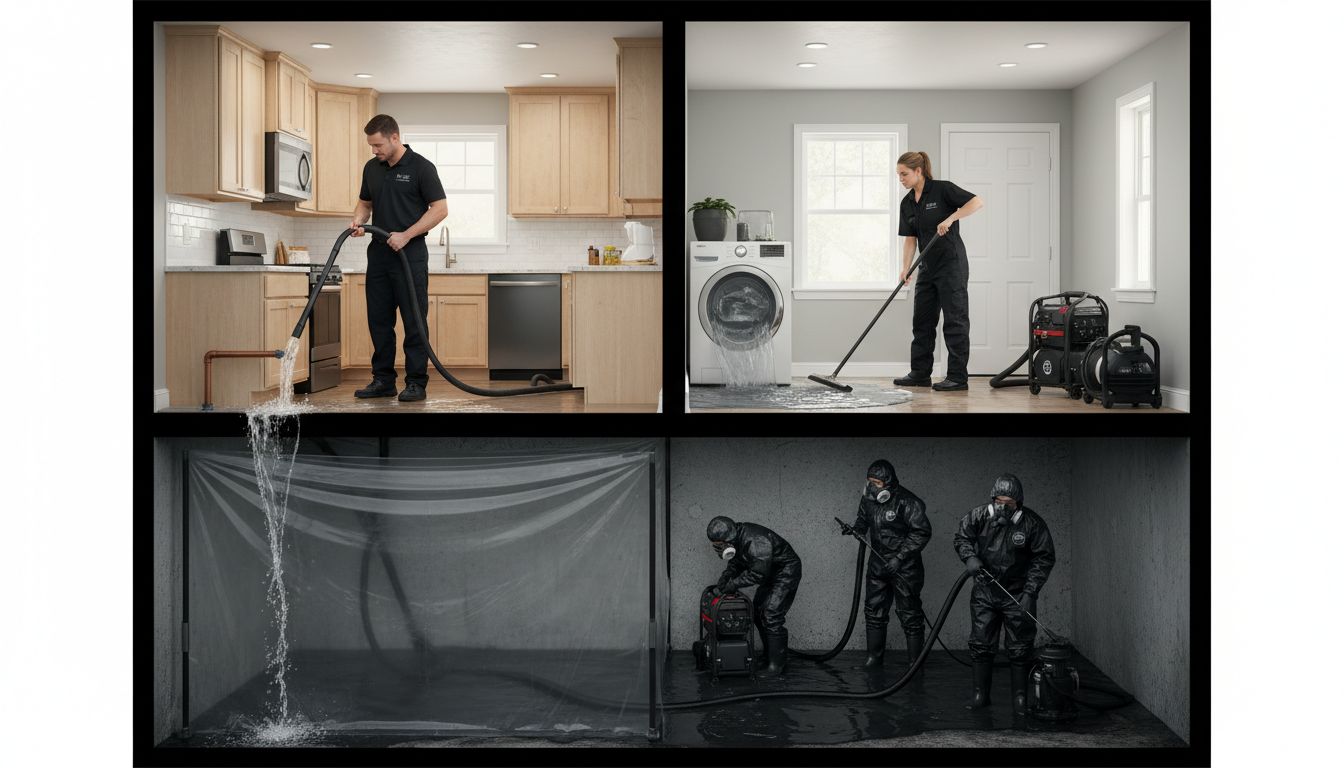
Here’s a comparison of types of water damage and their mitigation methods:
| Type of Water Damage | Common Sources | Key Risks | Recommended Mitigation Methods |
|---|---|---|---|
| Clean Water | Broken pipes Sink overflows Appliance leaks | Low contamination Potential mold growth | Rapid extraction Thorough drying Minimal replacement |
| Gray Water | Washing machines Dishwasher leaks Toilet overflows (no feces) | Chemical/biological contaminants Health risks | Disinfection Remove compromised materials Advanced drying |
| Black Water | Sewage backups Floodwater Storm surges | Severe contamination Health hazards | Area evacuation Protective equipment Advanced sanitization Structural replacement |
Costs, Insurance, And Financial Considerations
Water damage mitigation is not just about immediate restoration but also understanding the complex financial landscape of property recovery. According to EPA, federal programs like FEMA’s Hazard Mitigation Assistance offer critical financial support to help property owners reduce potential damage and recovery expenses.
Insurance coverage for water damage varies dramatically based on the source and type of water intrusion. Most standard homeowners insurance policies cover sudden and accidental water damage, such as burst pipes or appliance malfunctions. However, they typically exclude:
- Flood damage
- Gradual water damage
- Sewage backups
- Maintenance-related water issues
Water Advisor emphasizes that professional water mitigation services can actually be cost-effective in the long run. By quickly addressing water damage, property owners can prevent secondary damage that insurance companies might refuse to cover. This proactive approach can save thousands in potential repair and replacement costs.
Financial considerations extend beyond immediate restoration expenses. Homeowners should anticipate potential costs such as:
- Emergency water extraction ($1,000 – $3,500)
- Structural drying and dehumidification ($500 – $1,500)
- Material replacement and reconstruction ($2,000 – $10,000)
- Potential temporary relocation expenses
Prudent property owners should maintain an emergency fund, review their insurance policies annually, and understand the full scope of their coverage. DIY Water Damage Cleanup Alexandria recommends consulting with insurance professionals to develop a comprehensive damage mitigation strategy that balances immediate needs with long-term financial protection.
Common Water Mitigation Mistakes To Avoid
Water damage can quickly escalate from a minor inconvenience to a major catastrophe if not handled correctly. Water Advisor warns that failing to promptly address water damage can lead to devastating consequences, including mold growth, structural deterioration, and exponentially increasing restoration costs.
One of the most critical mistakes homeowners make is delayed response. Many property owners underestimate the urgency of water damage, believing that a small leak or minor flooding can wait. This misconception can be catastrophic. Water spreads rapidly, seeping into walls, floors, and foundations, causing:
- Hidden structural weakening
- Electrical system damage
- Potential mold and mildew proliferation
- Compromised indoor air quality
- Increased restoration expenses
Another significant error is attempting do-it-yourself water mitigation without proper knowledge or equipment. While the intention to save money is understandable, amateur efforts often result in incomplete moisture removal and inadequate sanitization. According to EPA, neglecting comprehensive mitigation strategies can dramatically increase long-term damage risks.
Professional water mitigation experts identify several additional common mistakes:
- Insufficient moisture detection
- Using household fans instead of industrial-grade drying equipment
- Failing to remove wet materials promptly
- Overlooking potential contamination risks
- Inadequate documentation for insurance purposes
How Do I Prevent Air Conditioning Water Damage? suggests that proactive prevention and immediate professional intervention are the most effective strategies for minimizing water damage impact. Remember: every minute counts when protecting your property from water-related destruction.
Protect Your Home with Expert Water Mitigation Services From PuroClean of Northeast Sacramento
Water damage can quickly spiral from a small leak to extensive, costly repairs. This article highlights key challenges like rapid water extraction, moisture detection, and preventing contamination that homeowners and property managers face during water mitigation. When every minute counts to stop mold growth, structural damage, and hidden moisture threats, you need trusted professionals who understand these urgent risks and act swiftly.
At PuroClean of Northeast Sacramento, we specialize in comprehensive water mitigation and restoration tailored to your unique situation. Our 24/7 emergency response team uses advanced technology to uncover and dry hidden water pockets so secondary damage stays under control. We also help you navigate insurance details and minimize disruption to your life or business.
Don’t wait until water damage worsens. Reach out now for fast, effective water mitigation that safeguards your home and health. Learn more about our restoration process and commitment to your property by visiting PuroClean of Northeast Sacramento. Your property deserves a restoration partner ready to respond immediately and professionally.
Frequently Asked Questions
What is water mitigation?
Water mitigation is an emergency response strategy aimed at minimizing damage and preventing further destruction after water-related incidents. It includes actions like water extraction, moisture detection, and contamination prevention.
What are the steps involved in the water mitigation process?
The water mitigation process typically involves four key stages: water extraction, drying, repair, and restoration, which ensure comprehensive management of water damage and protection of property.
What types of water damage are there, and how are they mitigated?
Water damage is categorized into three types: clean water damage, gray water damage, and black water damage. Each type requires specific mitigation methods, ranging from simple water extraction to advanced sanitization and structural repair for severe contamination.
How does water damage mitigation affect insurance claims?
Most homeowners insurance policies cover sudden and accidental water damage, but not all types of water issues. Effective water mitigation can prevent secondary damage that may not be covered by insurance, making it a cost-effective approach to property recovery.
Recommended
WATER DAMAGE – Prevention is the Best Medicine – PuroClean of Alexandria
How does Water Mitigation Works: 10 Tips – PuroClean of Alexandria
Water Damage Restoration and Repair in Walnut Creek, CA
Contractor Water Damage: Key Factors to Consider Before Signing Contract
 PuroClean of Northeast Sacramento