 PuroClean of Northeast Sacramento
 Why Hire Restoration Professionals After Property Damage
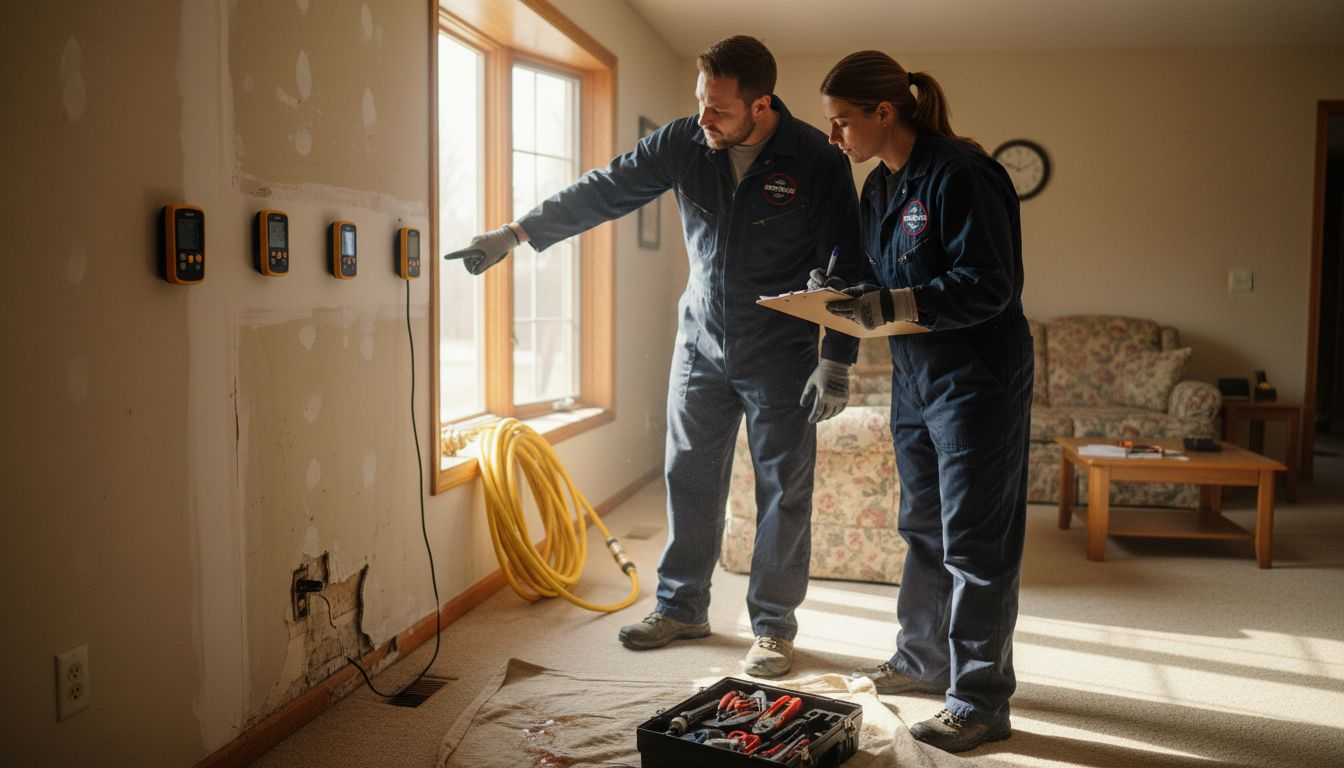
Every year, American homes and businesses suffer billions in property damage due to unexpected disasters like floods, fires, or storms. When chaos strikes, most people feel helpless against the physical and financial risks that can follow. Restoration professionals step in as emergency experts, providing rapid damage assessments and specialized recovery to stabilize and safeguard your property. Understanding what these professionals offer—and why their training is so crucial—could save you from costly mistakes and serious future headaches.
Table of Contents
- What Restoration Professionals Do And Why It Matters
- Key Restoration Services: Water, Fire, Mold, Biohazards
- Industry Qualifications And Emergency Response Standards
- Safety, Health, And Legal Compliance Requirements
- Insurance Assistance And Cost-Saving Benefits
- Risks Of Diy Restoration Versus Hiring Experts
Key Takeaways
| Point | Details |
|---|---|
| Restoration Professionals Mitigate Damage | They specialize in quickly repairing property damage from disasters, preventing further structural deterioration. |
| Four Main Service Types | Restoration covers water, fire, mold, and biohazard situations, each requiring specialized techniques and equipment. |
| Insurance Support | Professionals help navigate insurance claims, ensuring documentation is thorough and maximizing potential reimbursements for property owners. |
| Risks of DIY | Attempting restoration without expertise can lead to health hazards and further property damage; hiring professionals is safer and more effective. |
What Restoration Professionals Do and Why It Matters
Restoration professionals are emergency first responders who specialize in mitigating and repairing property damage caused by natural disasters, accidents, and environmental hazards. These specialists work quickly to prevent further structural deterioration after incidents like floods, fires, water damage, and sewage backups. Their primary mission is to stabilize and restore damaged properties, protecting homeowners from potential long-term financial and structural risks.
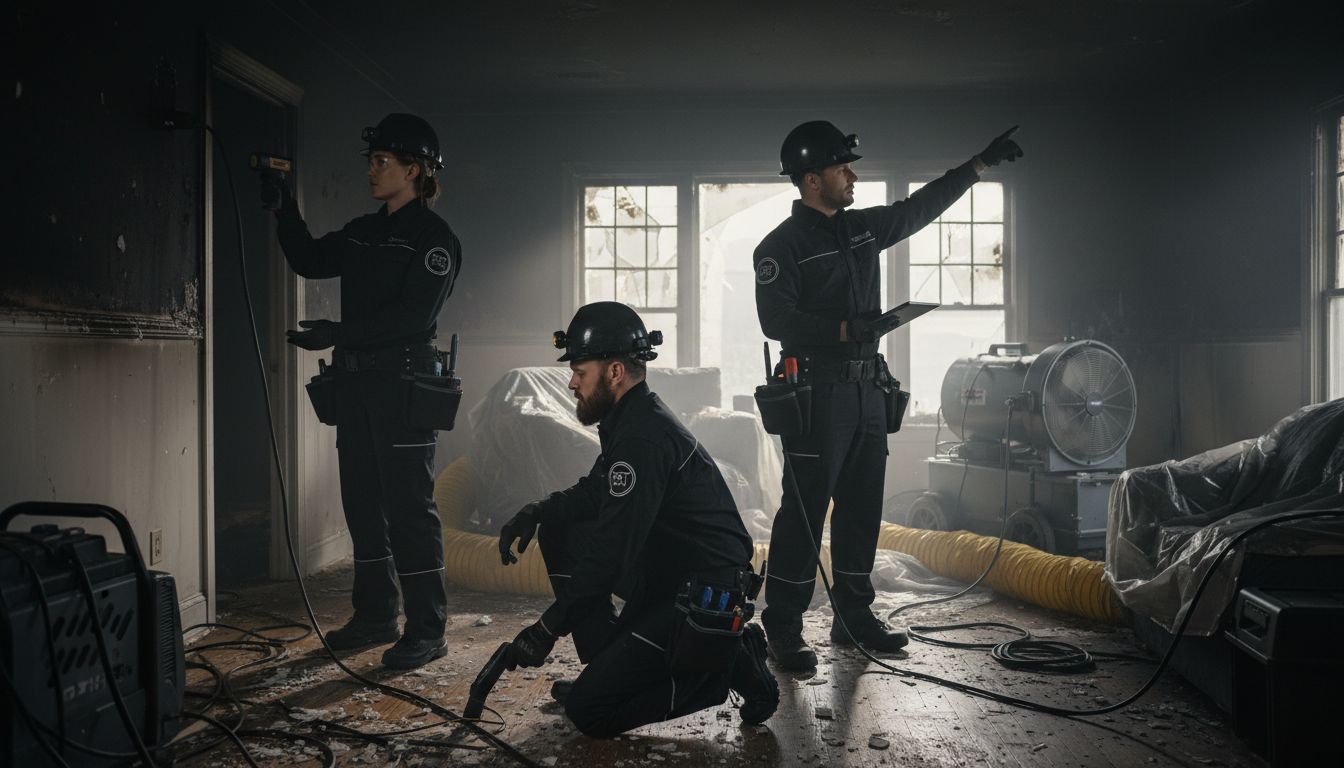
The comprehensive scope of restoration work involves multiple critical stages. Restoration specialists conduct thorough damage assessments to determine the extent of destruction and develop strategic repair plans. This process includes identifying hidden moisture, assessing structural integrity, removing contaminated materials, sanitizing affected areas, and implementing comprehensive recovery strategies. Professionals use specialized equipment like industrial dehumidifiers, moisture meters, and advanced cleaning technologies to ensure complete restoration.
Beyond immediate damage control, restoration professionals play a crucial role in preventing secondary complications. Water damage, for instance, can lead to mold growth, structural weakening, and potential health hazards if not addressed promptly and correctly. By employing scientifically validated techniques and following strict industry protocols, these experts can salvage valuable property, minimize repair costs, and protect inhabitants from potential health risks associated with water, fire, or mold damage.
Pro Tip: Always document property damage thoroughly with photographs and detailed notes before restoration professionals arrive, as this can help expedite insurance claims and provide a clear baseline for the restoration process.
Key Restoration Services: Water, Fire, Mold, Biohazards
Restoration professionals offer comprehensive services addressing four critical types of property damage: water, fire, mold, and biohazard restoration. Each service requires specialized techniques and advanced equipment to effectively mitigate risks and prevent long-term structural deterioration. Commercial properties often face complex damage scenarios that demand multi-layered restoration approaches, especially when incidents involve multiple damage types.
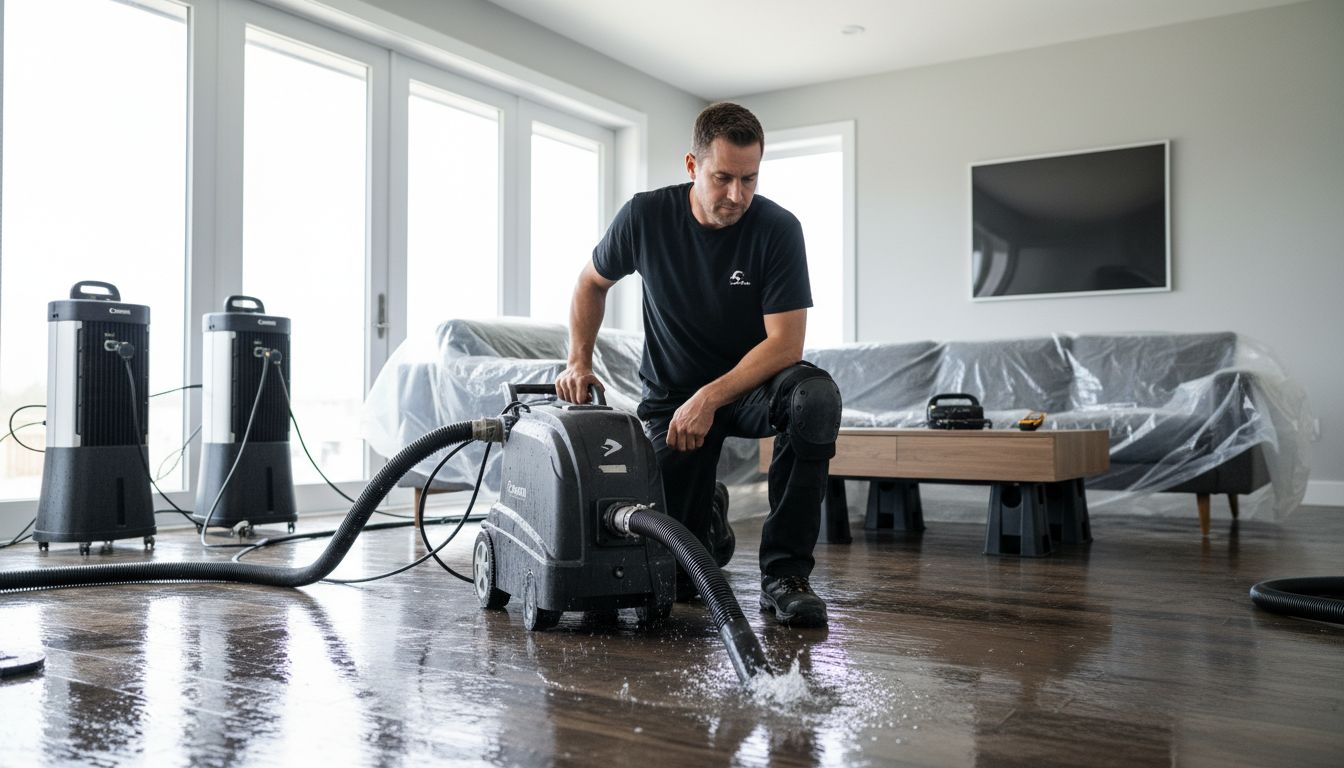
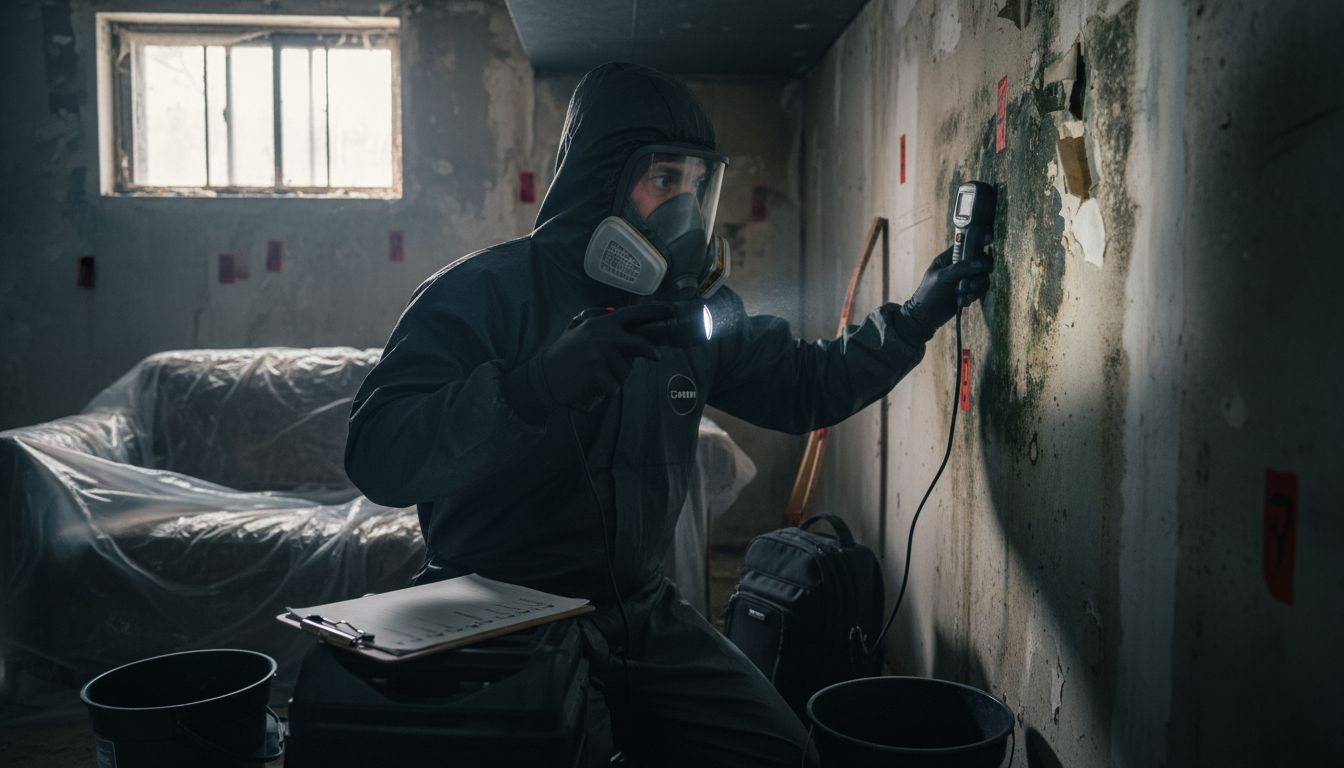
Water damage restoration involves rapid water extraction, thorough drying, and moisture control to prevent secondary issues like mold growth and structural weakening. Professionals use industrial-grade dehumidifiers, specialized air movers, and advanced moisture detection equipment to completely dry affected areas. Fire damage restoration goes beyond visible damage, addressing smoke residue, structural compromise, and potential water damage from firefighting efforts. Mold remediation requires precise containment, removal of contaminated materials, and thorough sanitization to prevent health risks and further spread.
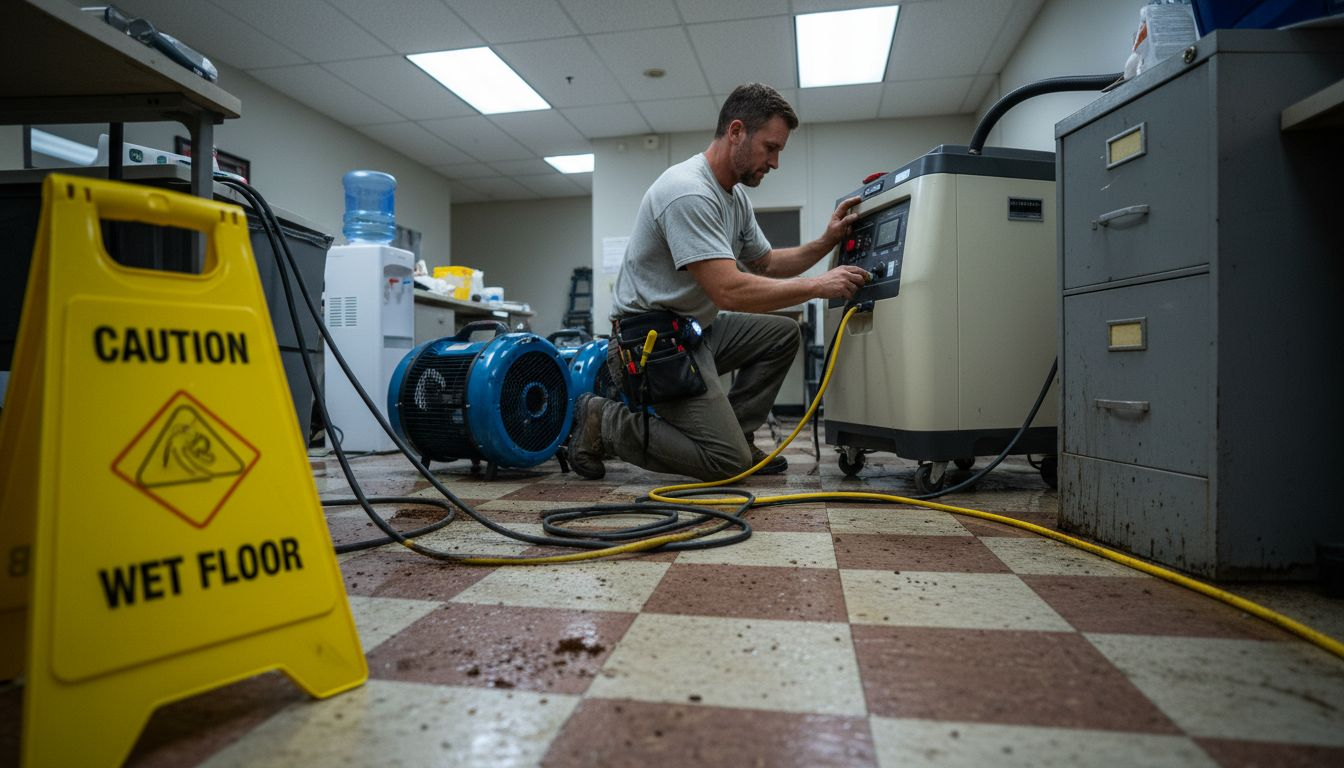
Biohazard restoration represents a unique and critical service addressing potentially dangerous contamination scenarios. This specialized process involves careful removal of hazardous materials, complete sanitization, and strict adherence to safety protocols. Restoration experts use personal protective equipment, advanced cleaning agents, and scientific decontamination techniques to ensure environments are safe for future occupancy. A comprehensive guide to restoration services can help property owners understand the complexity and importance of professional intervention.
Pro Tip: Always verify a restoration professional’s certifications and insurance coverage before hiring, as specialized damage restoration requires specific technical expertise and comprehensive safety protocols.
Here’s a quick overview comparing the four main types of restoration services:
| Service Type | Major Challenges | Specialized Equipment | Typical Health Risks |
|---|---|---|---|
| Water Damage | Hidden moisture, mold growth | Industrial dehumidifiers, air movers | Mold exposure, allergens |
| Fire Damage | Smoke residue, structure loss | Air scrubbers, HEPA vacuums | Particulates, toxic residue |
| Mold Remediation | Spores spreading, containment | Negative air machines, biocides | Respiratory problems, toxins |
| Biohazard Cleanup | Pathogen exposure, contamination | PPE, chemical disinfectants | Infectious diseases, toxins |
Industry Qualifications and Emergency Response Standards
The Institute of Inspection, Cleaning, and Restoration Certification (IICRC) establishes critical professional standards that define professional competency in the restoration industry. These comprehensive certification programs ensure restoration professionals possess the necessary technical skills, safety knowledge, and operational expertise to handle complex property damage scenarios. Certification requirements typically involve rigorous training, practical examinations, and ongoing professional development to maintain industry-recognized credentials.
Emergency response standards encompass multiple critical dimensions, including rapid assessment, strategic intervention, and comprehensive damage mitigation. Professionals must follow strict protocols for evaluating structural integrity, implementing immediate containment strategies, and utilizing specialized equipment to prevent further property deterioration. These standards address diverse scenarios ranging from water extraction and fire damage remediation to biohazard cleanup, requiring technicians to demonstrate adaptability and precise technical knowledge across different restoration contexts.
Resource protection programs, such as those managed by government agencies, provide additional frameworks for understanding comprehensive restoration standards. These programs establish detailed guidelines for assessing damage, implementing restoration strategies, and ensuring environments are returned to their baseline conditions. Professional restoration companies must navigate complex regulatory requirements, environmental considerations, and safety protocols while delivering efficient and effective restoration services.
Pro Tip: Request detailed documentation of a restoration professional’s current certifications and verify their credentials with the issuing organizations before engaging their services.
Safety, Health, and Legal Compliance Requirements
Restoration professionals must adhere to stringent safety and health protocols that protect both property occupants and workers during damage remediation processes. After natural disasters, properties can harbor multiple hazardous conditions that require expert assessment and careful management, including potential structural weaknesses, contamination risks, and environmental health threats. These professionals undergo extensive training to identify and mitigate risks that untrained individuals might overlook, ensuring comprehensive protection throughout the restoration process.
Legal compliance in restoration work involves navigating complex regulatory requirements across multiple domains. This includes environmental protection standards, workplace safety regulations, hazardous material handling protocols, and insurance industry guidelines. Restoration companies must maintain current certifications, carry appropriate insurance coverage, and demonstrate ongoing compliance with local, state, and federal regulations. Professionals must document each stage of the restoration process, providing transparent records that support potential insurance claims and legal documentation requirements.
Health and safety considerations extend beyond immediate damage control, encompassing long-term environmental and occupational health perspectives. Restoration experts utilize advanced personal protective equipment, implement strict containment procedures, and employ scientific testing methods to ensure environments are thoroughly decontaminated and safe for future occupancy. This comprehensive approach addresses potential risks such as mold spore proliferation, chemical contamination, structural instability, and hidden environmental hazards that could compromise occupant health and property integrity.
Pro Tip: Request a detailed safety and compliance report from restoration professionals, including their current certifications, insurance documentation, and specific risk mitigation strategies before beginning any restoration project.
Insurance Assistance and Cost-Saving Benefits
Restoration professionals serve as critical allies in navigating the complex insurance claims process, offering comprehensive support that can significantly reduce financial stress for property owners. Disaster restoration companies provide detailed documentation and strategic assistance throughout the insurance claim process, including comprehensive damage reports, professional photographs, and expert assessments that substantiate insurance claims. Their intimate knowledge of insurance protocols helps property owners maximize claim potential and minimize out-of-pocket expenses.
A speedy and efficient restoration process offers substantial financial benefits for both policyholders and insurance providers, reducing overall claim severity and accelerating recovery timelines. Professional restoration teams leverage advanced technologies and proven methodologies to mitigate damage quickly, preventing additional deterioration that could exponentially increase repair costs. By addressing damage immediately and comprehensively, these professionals help insurance companies control claim expenses while ensuring property owners receive thorough, high-quality restoration services.
Beyond immediate financial advantages, restoration professionals provide long-term cost-saving benefits by preventing secondary damage and potential structural complications. Their expert interventions can halt progressive damage from water intrusion, fire aftermath, or mold contamination, ultimately protecting property values and avoiding more extensive future repairs. Many restoration companies work directly with insurance adjusters, streamlining communication and ensuring that all necessary documentation is accurately prepared and submitted, which can significantly expedite the claims process and reduce administrative burdens for property owners.
Pro Tip: Always request a detailed, line-item estimate from restoration professionals that includes potential insurance claim documentation to help you understand the full scope of restoration work and potential cost recovery.
Risks of DIY Restoration Versus Hiring Experts
In the aftermath of natural disasters, restoration professionals are critical for safely managing complex cleanup challenges, presenting substantial risks for untrained individuals attempting do-it-yourself restoration. Amateur restoration efforts can lead to significant health hazards, structural complications, and potential long-term property damage. Without specialized training, property owners may inadvertently expose themselves to dangerous contaminants, create additional damage, or fail to address underlying issues that professionals would quickly identify and resolve.
Professional restoration teams employ specialized cleaning techniques and advanced decontamination methods that go far beyond surface-level cleaning. These experts use scientifically formulated cleaning agents designed to eliminate bacteria, mold spores, and pathogens embedded in various materials. DIY approaches often lack the technical knowledge required to properly assess contamination levels, select appropriate treatment protocols, and ensure comprehensive restoration. Untrained individuals might use incorrect cleaning solutions, fail to address hidden moisture pockets, or overlook critical structural vulnerabilities that could compromise the property’s long-term integrity.
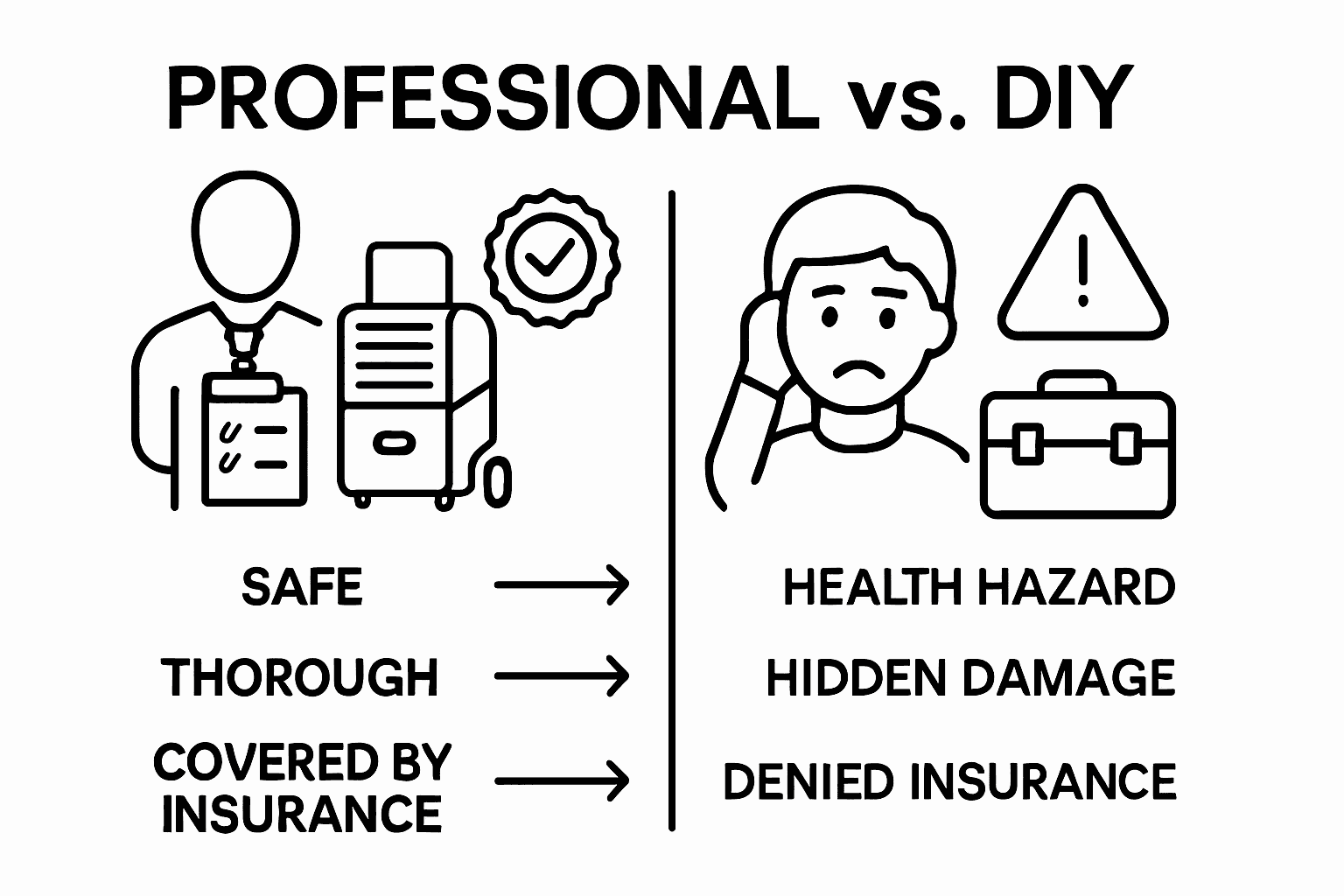
The financial and safety risks of DIY restoration can far outweigh potential cost savings. Professionals bring specialized equipment, comprehensive insurance coverage, and technical expertise that protect property owners from potential liability and additional damage. Amateur restoration attempts can lead to voided insurance claims, undetected structural weaknesses, and potential health risks from incomplete remediation. Moreover, restoration professionals understand complex regulatory requirements, can provide detailed documentation for insurance purposes, and have the technical skills to address multi-layered damage scenarios that extend beyond simple cleaning and repair.
Pro Tip: Before attempting any restoration work, consult with a professional who can provide a comprehensive damage assessment and recommend the most appropriate restoration strategy for your specific situation.
Compare the impact of hiring experts versus attempting DIY restoration:
| Factor | Hiring Professionals | DIY Restoration Attempts |
|---|---|---|
| Safety Assurance | Strict safety protocols | Unidentified hazards possible |
| Insurance Compatibility | Professional documentation | Claims may be denied |
| Damage Risk | Advanced detection & repair | Secondary damage likely |
| Long-Term Cost | Prevents recurrent issues | May require repeated fixes |
Trust the Experts to Restore Your Property with Care and Precision
After experiencing property damage from water, fire, mold, or biohazards, the need for swift and professional restoration is critical to prevent further harm and protect your investment. The article highlights the complex challenges such as hidden moisture, smoke residue, and contamination risks that require trained specialists using advanced technology and certified processes. If you face these issues, relying on untrained DIY methods can lead to costly damages, health hazards, and insurance claim complications.
At PuroClean of Northeast Sacramento, we understand these concerns and are fully equipped to handle every stage of restoration with compassion, expertise, and 24/7 emergency response. From thorough damage assessment to complete remediation, our certified professionals use industry-leading techniques to secure your property and accelerate recovery. Explore our services for water damage restoration, fire and smoke damage repair, and mold removal to learn how we can save your home or business from lasting issues.
Don’t wait for minor damage to become a disaster. Contact PuroClean of Northeast Sacramento now for expert restoration support tailored to your needs. Immediate action ensures safety, thorough cleanup, and maximizes your insurance benefits. Visit https://puroclean.com/northeast-sacramento-ca and take the first step toward restoring your peace of mind today.
Frequently Asked Questions
Why should I hire restoration professionals after water damage?
Hiring restoration professionals ensures immediate and effective water extraction, thorough drying, and moisture control, which prevents mold growth and structural weakening that can lead to costly repairs down the road.
How do restoration professionals assess property damage?
Restoration professionals conduct thorough damage assessments, utilizing specialized equipment to identify hidden moisture, assess structural integrity, and develop strategic repair plans tailored to the specific damage encountered.
What are the risks of DIY restoration compared to hiring experts?
DIY restoration can expose you to serious health hazards, lead to further property damage, and void insurance claims. Restoration professionals bring specialized knowledge, equipment, and insurance coverage to safely and effectively manage complex damage.
How can restoration professionals help with insurance claims?
Restoration professionals provide detailed documentation, including damage reports and photographs, which streamline the insurance claims process, helping you maximize your claim potential and reduce out-of-pocket expenses.
Recommended
Top 5 Flood Restoration Mistakes Homeowners Make – PuroClean Emergency Restoration Specialists
10 Benefits of Hiring a Professional Water Damage Restoration Company
 PuroClean of Northeast Sacramento