


Why Prevent Mold Regrowth After Water Damage
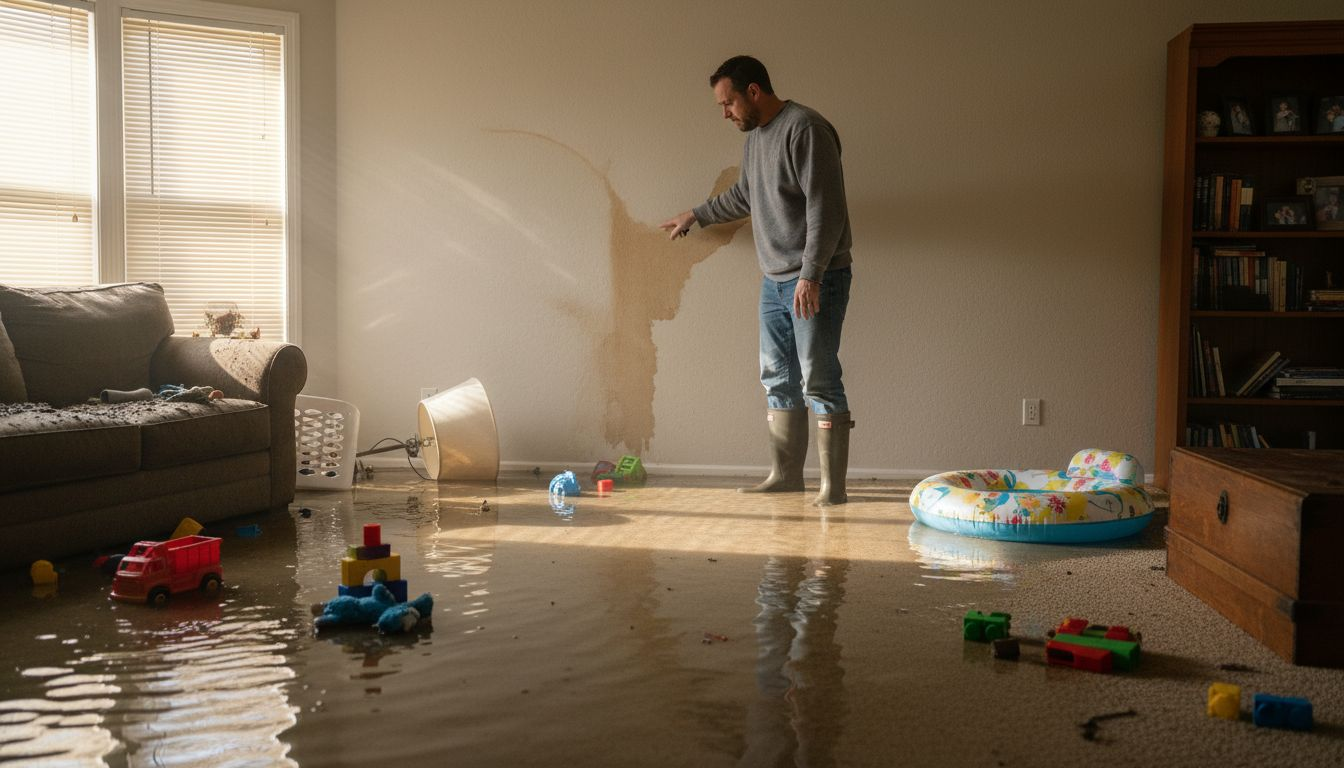
Mold can start regrowing in as little as 24 hours after water damage, catching many American homeowners in Northeast Sacramento off guard. Even small leaks or spills can become a serious problem if moisture is not completely removed. Understanding the science behind mold regrowth and spotting early signs is key to protecting your family, health, and property value. This guide offers clear advice on how to keep your home safe and mold-free with reliable restoration practices.
Table of Contents
- Defining Mold Regrowth After Water Damage
- Common Types and Signs of Household Mold
- Health Risks From Ongoing Mold Exposure
- Structural and Financial Impacts on Properties
- Best Practices for Preventing Mold Regrowth
Key Takeaways
| Point | Details |
|---|---|
| Mold Regrowth Timeline | Mold can colonize within 24 to 48 hours after water exposure; quick action is crucial to prevent extensive damage. |
| Common Mold Types | Familiarize yourself with common mold types and their health impacts to identify and address potential issues early. |
| Health Risks | Prolonged mold exposure can cause serious respiratory issues, particularly for vulnerable populations; proactive management is essential. |
| Prevention Strategies | Implement moisture management techniques, including using dehumidifiers and regular inspections, to reduce mold growth risk. |
Defining Mold Regrowth After Water Damage
Mold regrowth represents a critical environmental process that occurs in water-damaged structures when specific moisture conditions are present. According to professional mold remediation standards, mold spores can rapidly colonize organic building materials within 24 to 48 hours after initial water exposure, creating potentially extensive structural damage.
The scientific mechanism of mold regrowth involves microscopic fungal spores seeking organic materials like wood, drywall, and fabric as nutritional sources. These spores require three primary conditions to proliferate: moisture, appropriate temperature range, and organic material substrate. When water damage creates sustained humid environments, mold can spread exponentially, digesting and breaking down building materials while compromising indoor air quality.
Understanding mold regrowth requires recognizing its rapid propagation timeline. Federal emergency management guidelines highlight that moisture accumulation triggers immediate biological responses, with fungal colonies potentially establishing themselves in less than two days. Homeowners must act quickly to interrupt moisture sources, control humidity levels, and prevent spore germination through targeted remediation strategies.
Pro tip: Invest in professional moisture meters to detect hidden water accumulation zones before mold can establish a foothold in your property.
Common Types and Signs of Household Mold
Homeowners face significant challenges with common indoor mold varieties, which can rapidly develop in moisture-prone environments. The most prevalent household mold types include Aspergillus, Cladosporium, Penicillium, Alternaria, Mucor, and the notorious black mold Stachybotrys chartarum. Each type presents unique characteristics and potential health risks, ranging from mild allergic reactions to more severe respiratory complications.
Mold typically manifests through distinct visual and olfactory indicators that alert homeowners to its presence. Indoor mold growth patterns often appear as discolored, patchy spots on walls, ceilings, and other organic surfaces, accompanied by a characteristic musty odor. Color variations can include green, black, white, or brown patches, with different colors potentially signaling distinct mold species and moisture conditions.
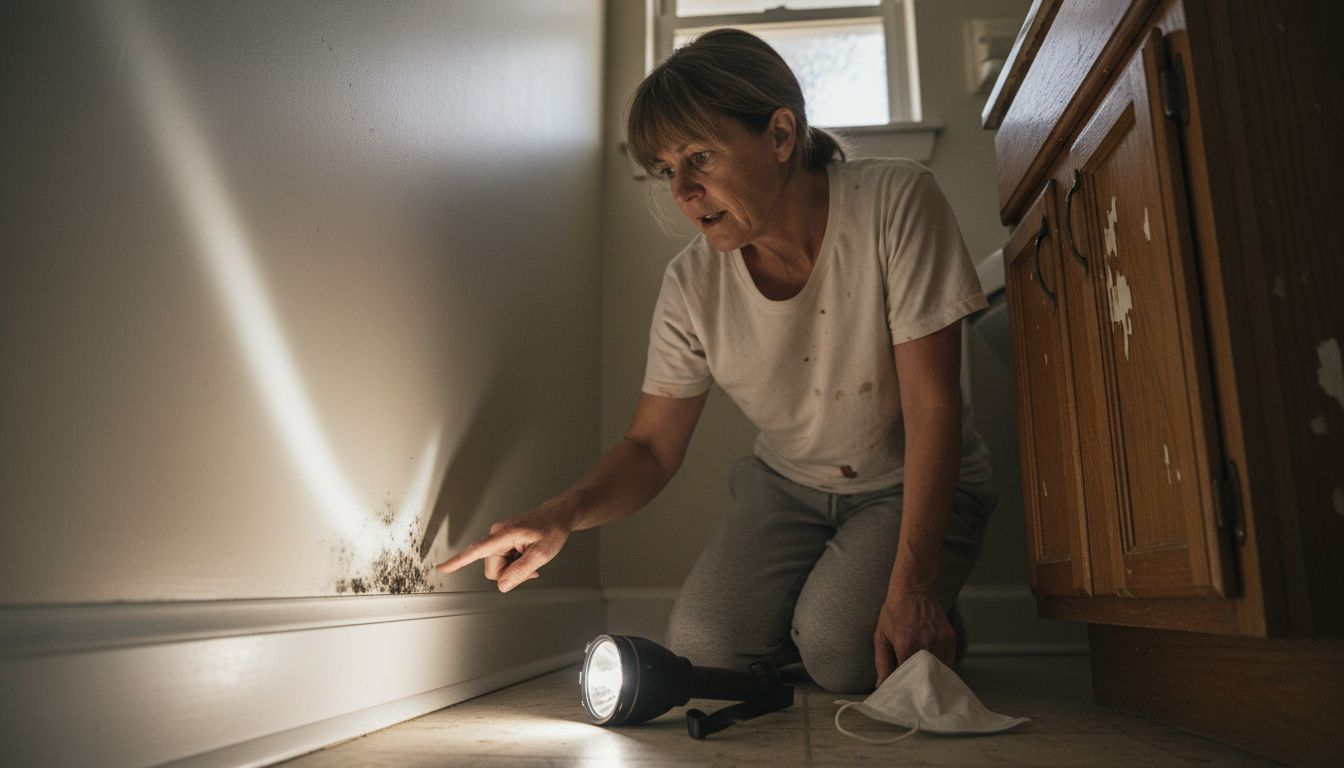
Recognizing specific mold signs requires understanding its preferred habitats. Mold thrives in damp areas like bathrooms, basements, kitchens, and around windows where condensation frequently occurs. High-humidity spaces with poor ventilation create ideal breeding grounds for microscopic spore reproduction. Homeowners should pay special attention to areas with recent water damage, persistent moisture, or inadequate air circulation, as these environments most effectively support mold colony development.
Here’s a quick comparison of common household mold types and their potential health impacts:
| Mold Type | Appearance & Location | Typical Health Impact |
|---|---|---|
| Aspergillus | Green/yellow in damp areas | Allergic reactions, asthma |
| Cladosporium | Black/green on walls, fabrics | Respiratory irritation |
| Penicillium | Blue/green, often on surfaces | Sinus infections, allergies |
| Stachybotrys chartarum | Black, slimy, water-damaged | Severe respiratory issues |
| Alternaria | Dark, in showers/basements | Sneezing, allergic rhinitis |
| Mucor | White/gray, near HVAC/vents | Asthma symptoms, infections |
Pro tip: Conduct monthly visual inspections of moisture-prone areas using a bright flashlight and wear a protective mask to quickly identify potential mold growth before it spreads.
Health Risks from Ongoing Mold Exposure
Mold exposure presents significant health challenges, particularly for vulnerable populations. Comprehensive health hazards research reveals that continuous mold presence can trigger a range of respiratory and allergic reactions. Individuals may experience symptoms like persistent runny nose, eye irritation, chronic coughing, and severe asthma exacerbations. Immunocompromised individuals, children, and those with pre-existing lung conditions face the most substantial risks from prolonged mold exposure.
The biological mechanism of mold-related health complications involves microscopic spores that release mycotoxins into indoor environments. These toxic compounds can penetrate respiratory systems, causing inflammatory responses and potentially leading to more serious long-term health consequences. Certain mold species produce particularly harmful toxins that can compromise immune function, creating a cascading effect of potential health deterioration.
Specific vulnerable groups require extra vigilance against mold-related health risks. Respiratory disease experts emphasize that elderly individuals, young children, and people with chronic respiratory conditions are most susceptible to severe mold-induced health complications. Symptoms can range from mild allergic reactions to complex respiratory distress, underscoring the critical importance of preventing mold growth and maintaining healthy indoor environments.
Pro tip: Schedule annual professional indoor air quality assessments to detect potential mold growth early and mitigate health risks before they become serious.
Structural and Financial Impacts on Properties
Property damage from ongoing mold growth represents a significant financial threat to homeowners. Federal emergency management research reveals that unchecked mold can systematically destroy critical building materials like wood, drywall, and insulation, compromising structural integrity and leading to extensive repair costs. Microscopic mold organisms actively digest organic materials, creating progressive structural degradation that can substantially decrease property value and require expensive reconstruction.
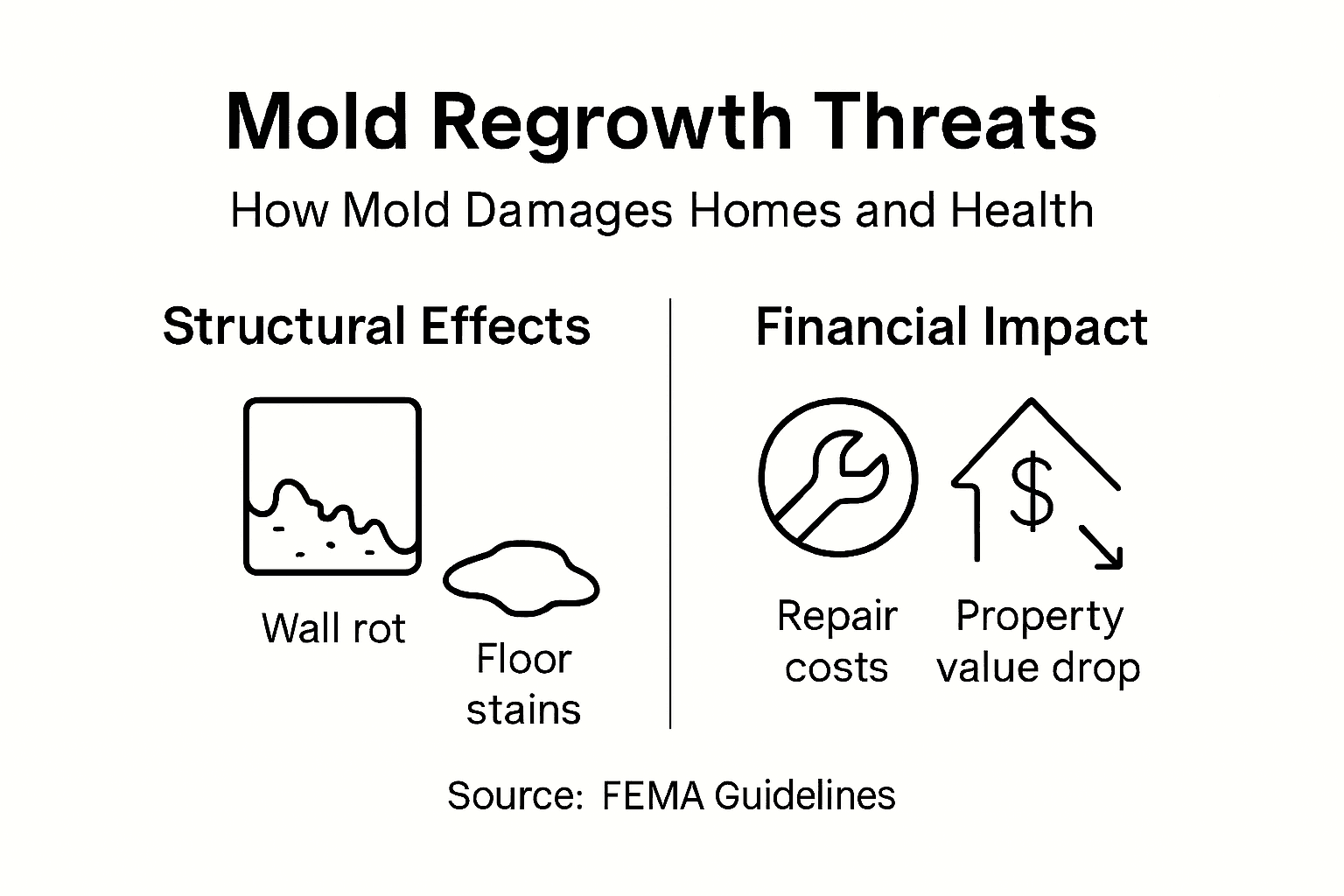
The financial consequences extend beyond immediate repair expenses. Mold contamination can trigger substantial insurance complications, potentially increasing policy premiums and creating long-term economic challenges for property owners. Structural weakening occurs gradually, with mold penetrating building materials and creating microscopic damage that compounds over time, transforming minor moisture issues into major structural vulnerabilities.
Beyond direct structural damage, housing health experts highlight that mold contamination can dramatically reduce market property value. Potential buyers often view mold-affected properties as high-risk investments, leading to significant discounts or complete loss of sale potential. The cumulative financial impact encompasses not just repair costs, but potential legal liabilities, reduced property marketability, and long-term economic consequences of prolonged moisture and mold exposure.
Pro tip: Document all water damage and moisture events meticulously, creating a comprehensive property maintenance record that can support insurance claims and demonstrate proactive property management.
Best Practices for Preventing Mold Regrowth
Mold prevention requires a systematic and proactive approach to moisture control and environmental management. Indoor air quality guidelines emphasize the critical window of 24-48 hours for addressing water damage and potential mold growth. Homeowners must act quickly to dry affected areas, repair leaks, and maintain indoor humidity levels below 60% to interrupt mold colonization processes.
The primary strategies for preventing mold regrowth involve comprehensive moisture management and targeted interventions. This includes using high-efficiency dehumidifiers, ensuring proper ventilation in moisture-prone areas like bathrooms and basements, and promptly removing water-damaged materials that cannot be thoroughly dried. Federal emergency management recommendations suggest using antimicrobial cleaners and implementing regular inspection protocols to detect early signs of potential mold development.
Successful mold prevention also requires understanding and addressing underlying moisture sources. This means conducting regular inspections of plumbing systems, roof integrity, and foundation sealing. Homeowners should invest in moisture detection tools, maintain proper air circulation, and create a consistent maintenance routine that includes checking for hidden leaks, ensuring proper drainage, and monitoring indoor humidity levels with precision instruments.
The following table summarizes effective strategies for mold prevention and their benefits:
| Prevention Strategy | Implementation Step | Long-Term Benefit |
|---|---|---|
| Manage indoor humidity | Use dehumidifiers, monitor levels | Reduces mold growth risk |
| Prompt leak repair | Fix plumbing and roof issues fast | Prevents water damage cycle |
| Improve ventilation | Use exhaust fans, open windows | Limits condensation formation |
| Regular inspections | Check high-risk areas monthly | Detects early mold development |
Pro tip: Invest in a digital hygrometer to continuously monitor indoor humidity levels, keeping them consistently below 50% to create an inhospitable environment for mold growth.
Protect Your Home From Mold Regrowth With Expert Help
After water damage, mold regrowth can quickly threaten the safety and value of your property. The article highlights how moisture invites rapid mold colonization that not only damages your structure but also impacts your family’s health. You need fast and effective moisture control, mold remediation, and restoration action to stop this problem before it worsens.
At PuroClean of Northeast Sacramento, we specialize in professional water damage restoration and mold removal services that address the root causes of mold regrowth. With our 24/7 emergency response, advanced drying technology, and certified remediation experts, we help homeowners regain control of their living spaces and prevent costly, ongoing damage. Learn how our comprehensive solutions can protect your property’s structural integrity and ensure cleaner healthier indoor air by visiting PuroClean of Northeast Sacramento.
Don’t wait for mold to spread and cause further harm. Reach out now to secure prompt mold removal and water damage restoration services. Take the first step toward a safe mold-free environment and restore peace of mind by contacting our restoration specialists. Your home deserves professional care that stops mold regrowth fast and effectively.
Frequently Asked Questions
What causes mold regrowth after water damage?
Mold regrowth occurs when moisture, suitable temperatures, and organic materials are present after water damage. Mold spores can colonize within 24 to 48 hours, leading to extensive structural damage and poor indoor air quality.
How can I prevent mold from growing after water damage?
To prevent mold growth, promptly dry affected areas, repair leaks, and maintain indoor humidity levels below 60%. Use dehumidifiers and ensure proper ventilation in moisture-prone areas.
What are the signs of mold presence in my home?
Signs of mold include discolored patches on walls, ceilings, and other surfaces, along with a musty odor. Inspect damp areas like bathrooms and basements for visual indications of mold growth.
Why is it important to address mold exposure quickly?
Addressing mold exposure quickly is crucial to prevent serious health risks, especially for vulnerable populations like children and immunocompromised individuals. Prolonged exposure can lead to respiratory issues, allergic reactions, and long-term health complications.
Recommended
- Strategies to Prevent Mold Growth after Water Damage
- Home Mold Remediation: 10 Essential Tips to Prevent Mold Recurrence – PuroClean of Coral Gables
- Preventing Mold Growth After Water Damage: Expert Tips for Maryland Homeowners – PuroClean Emergency Restoration
- The Link Between Water Damage and Mold: Important Homeowner’s Guide – PuroClean of Coral Gables
- Keep Your Pool Deck Pristine: Best Practices for Maintenance – white-diamond-pressure