


Why Professional Mold Removal: Complete Guide
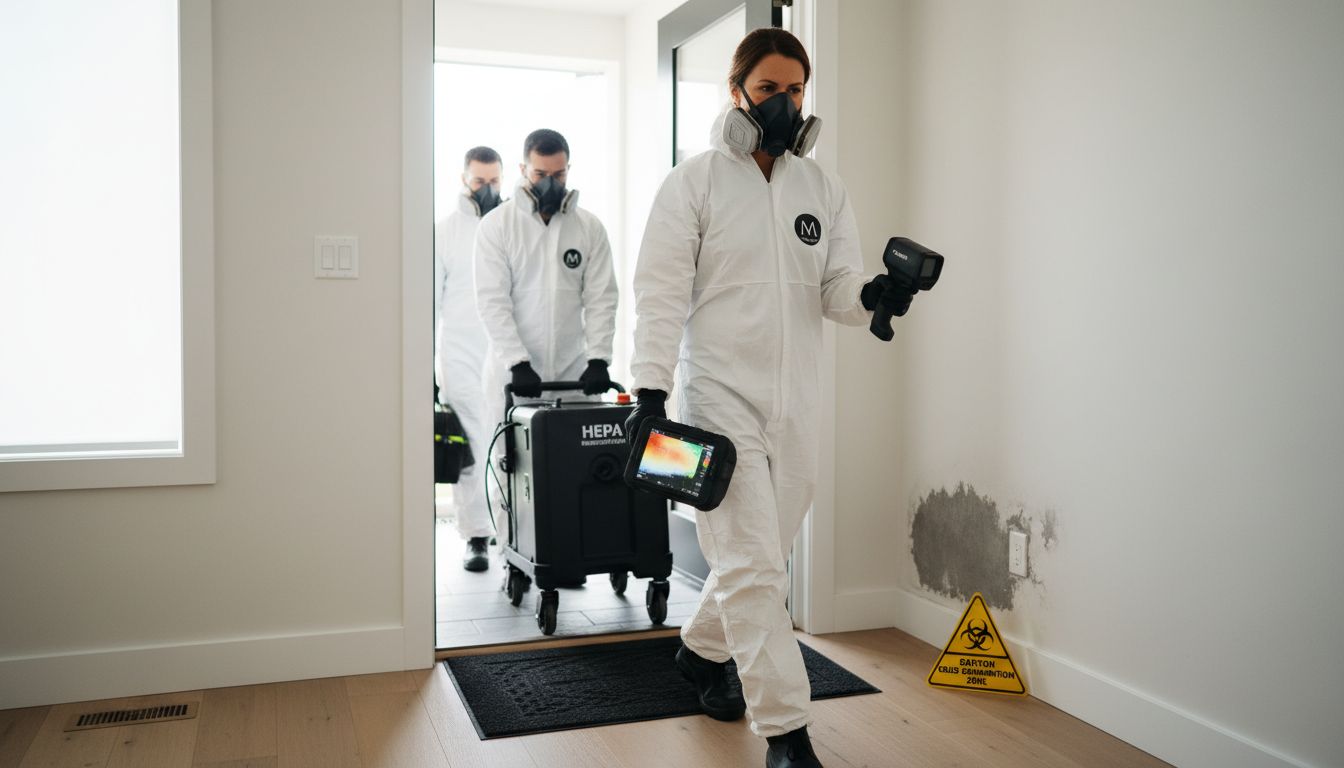
Did you know that over 50 percent of homes in the United States have some form of mold problem? Mold does much more than damage property value. It can threaten your health and safety. Owners often underestimate how hidden fungi can grow behind walls or under floors for months. Understanding professional mold removal and its importance helps homeowners protect their spaces and avoid expensive surprises down the road.
Table of Contents
- Defining Professional Mold Removal Services
- Types Of Mold And Common Infestations
- How Professional Mold Remediation Works
- Risks Of DIY Mold Removal Methods
- Costs, Insurance, And Safety Considerations
Key Takeaways
| Point | Details |
|---|---|
| Professional Mold Removal | Involves comprehensive assessment, containment, and remediation strategies beyond simple cleaning. |
| Mold Types and Risks | Common indoor mold types vary in appearance and potential health risks; understanding them is crucial for effective remediation. |
| Dangers of DIY | Amateur mold removal poses risks like spore dispersal and incomplete remediation, potentially exacerbating the problem. |
| Cost and Safety Considerations | Mold remediation costs vary significantly; safety protocols and proper PPE are essential during the process. |
Defining Professional Mold Removal Services
Professional mold removal services represent a specialized intervention designed to address complex and potentially hazardous mold contamination scenarios in residential and commercial properties. According to the EPA, these services go beyond simple cleaning, involving comprehensive identification, precise containment, and thorough remediation of mold infestations.
At its core, professional mold removal encompasses a systematic approach that differs significantly from DIY attempts. As outlined by the CDC, these services include critical steps such as:
- Detailed contamination assessment
- Strategic containment procedures
- Specialized equipment deployment
- Advanced removal techniques
- Moisture problem resolution
The methodology employed by professional teams ensures not just surface-level treatment, but a holistic approach to mold management. Technicians utilize advanced diagnostic tools to identify hidden moisture sources, assess contamination extent, and develop targeted remediation strategies. This precision is crucial, as improper handling can lead to spore spread and potential health risks.
Moreover, professional mold removal services recognize that effective intervention extends beyond immediate cleanup. Professional mold remediation integrates preventative measures, addressing underlying environmental conditions that contribute to mold growth. By combining technical expertise, specialized equipment, and comprehensive assessment, these services provide property owners with a robust solution to mold challenges.
Types Of Mold And Common Infestations
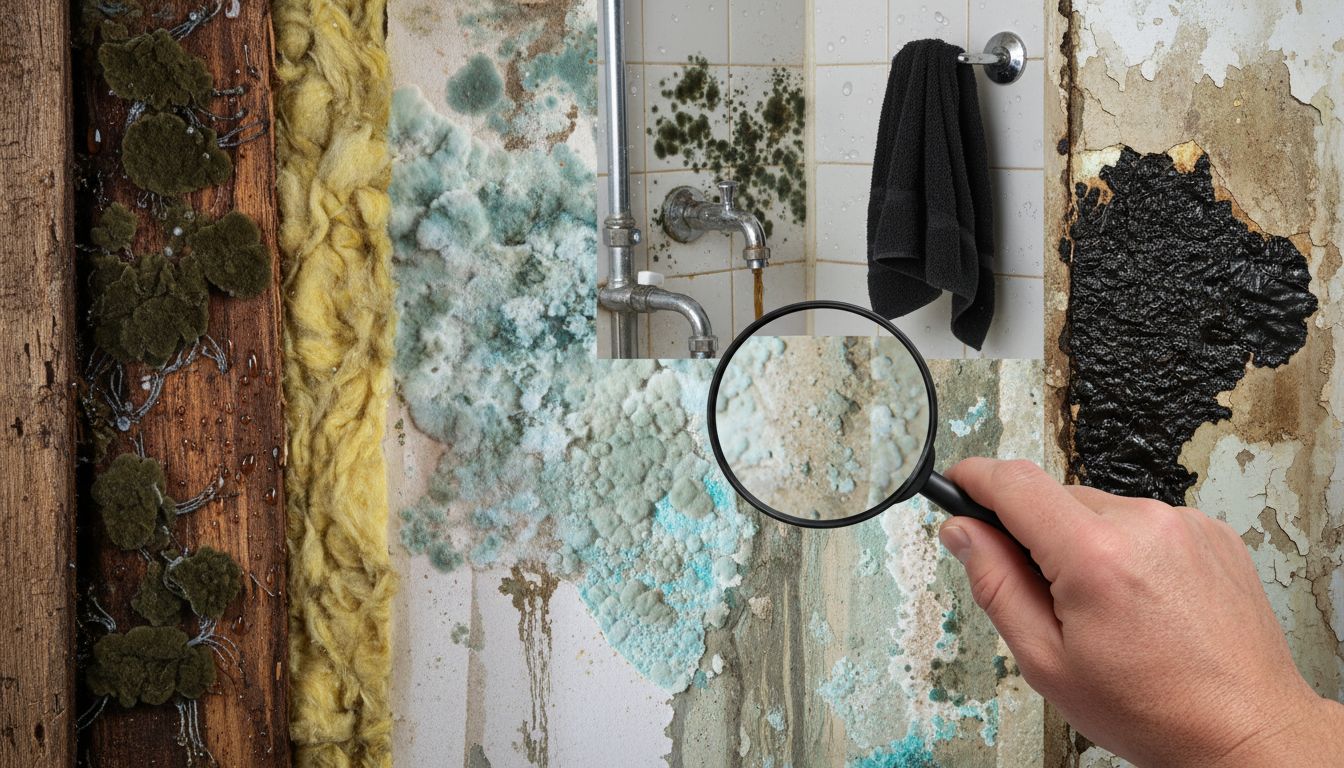
Mold represents a diverse group of fungi that can proliferate in various indoor environments, presenting significant challenges for property owners. According to Johns Hopkins Medicine, indoor spaces commonly harbor multiple mold species, each with unique characteristics and potential health implications.
The most frequently encountered indoor mold types include:
Here’s a summary of the most common indoor mold types and their characteristics:
| Mold Type | Appearance | Common Locations | Potential Risks |
|---|---|---|---|
| Cladosporium | Dark green or black | Wood Fabrics | Allergies Asthma |
| Aspergillus | White Green Gray | Walls Insulation | Respiratory irritation |
| Penicillium | Blue or green | Water-damaged buildings | Allergies |
| Alternaria | Dark brown or green | Bathrooms Damp areas | Asthma triggers |
| Stachybotrys chartarum | Dark black | Flooded areas | Potential toxicity |
- Cladosporium: Dark green or black, often found on surfaces like wood and fabrics
- Aspergillus: Typically white, green, or gray, growing on walls and insulation
- Penicillium: Blue or green, commonly discovered in water-damaged buildings
- Alternaria: Dark brown or green, prevalent in damp areas like bathrooms
- Stachybotrys chartarum: Infamous “black mold” known for its dark color and potential toxicity
As the CDC highlights, these molds thrive in environments with excessive moisture, making areas like bathrooms, kitchens, basements, and spaces with water damage particularly susceptible. Understanding the nuanced differences between mold types becomes crucial for effective identification and mold remediation strategies.
Each mold species presents unique growth patterns and potential risks. Some prefer wooden surfaces, while others might proliferate on organic materials like paper, carpet, or food. The critical factor across all types remains consistent: controlling moisture is paramount in preventing widespread infestations. Professional assessment becomes essential in distinguishing between benign and potentially hazardous mold varieties, ensuring targeted and safe removal techniques.
How Professional Mold Remediation Works
Professional mold remediation is a comprehensive, systematic process designed to eliminate mold contamination and prevent future growth. According to the EPA, this intricate approach involves several critical stages that go far beyond simple cleaning or surface treatment.
The core stages of professional mold remediation include:
- Comprehensive Assessment
- Detailed visual inspection
- Moisture level diagnostics
- Identifying contamination sources
- Containment Strategies
- Isolating affected areas
- Preventing cross-contamination
- Using negative air pressure techniques
- Precise Removal
- Safely extracting contaminated materials
- Specialized disposal protocols
- Minimizing spore dispersal
As CDC research highlights, addressing underlying moisture problems is crucial in preventing mold recurrence. Professionals utilize advanced techniques like infrared cameras and moisture meters to identify hidden water sources that might contribute to future infestations.
The final stages of remediation focus on thorough cleaning and restoration. Technicians use specialized antimicrobial treatments, industrial-grade HEPA filtration, and professional mold testing techniques to ensure complete decontamination. This meticulous approach guarantees not just surface-level treatment, but a comprehensive solution that protects both the property’s structural integrity and the occupants’ health.
Risks Of DIY Mold Removal Methods
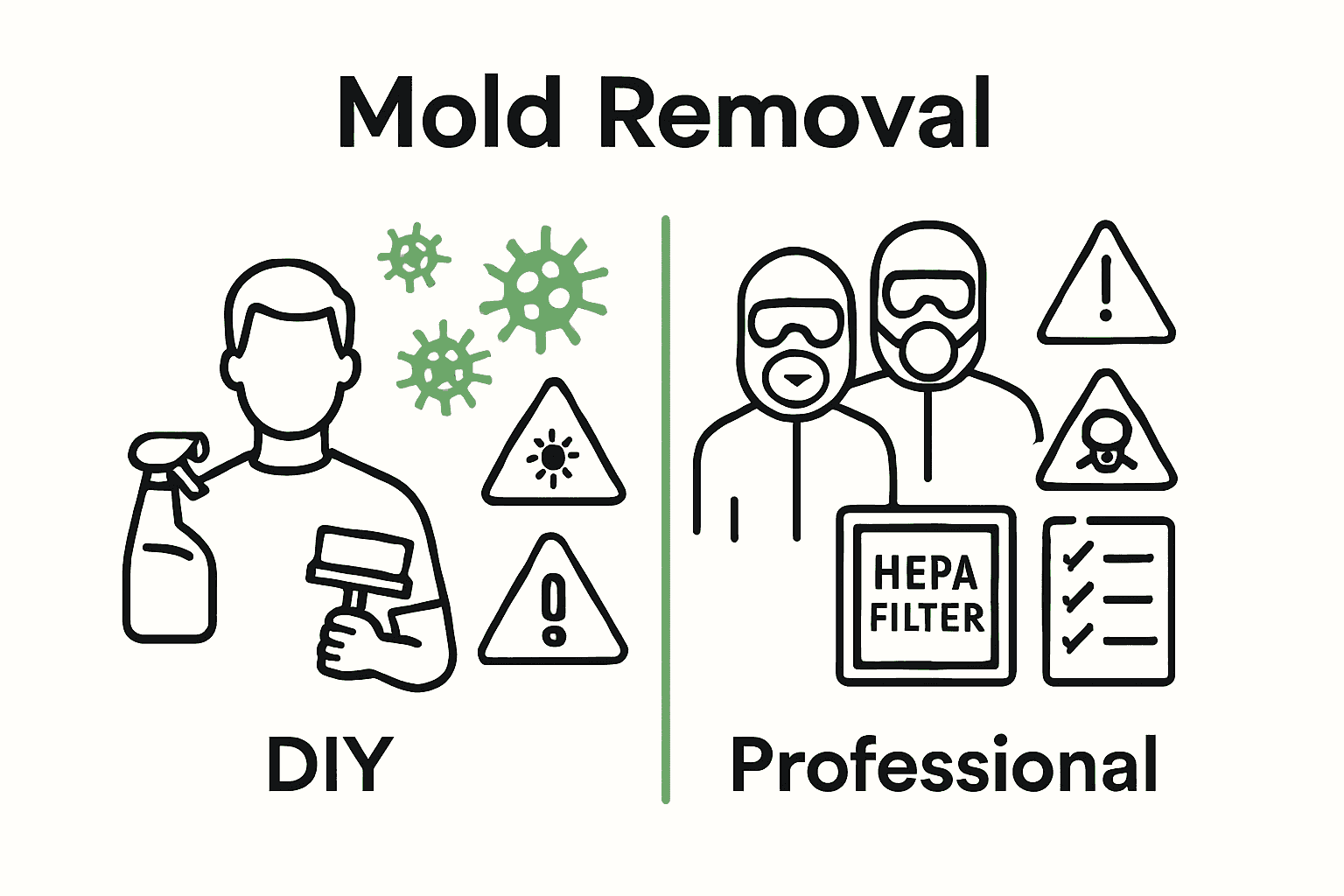
Attempting to remove mold without professional expertise can transform a manageable issue into a potentially dangerous home hazard. According to the CDC, DIY mold removal introduces significant risks that most homeowners are unprepared to manage, potentially causing more harm than good.
The primary risks of amateur mold removal include:
- Spore Dispersal: Improper handling can launch thousands of microscopic mold spores into the air
- Incomplete Remediation: Surface cleaning rarely addresses underlying moisture problems
- Health Exposure: Direct contact without proper protective equipment can trigger serious respiratory issues
- Structural Damage: Incorrect removal techniques might compromise building materials
- Hidden Contamination: Amateurs often miss concealed mold growth in walls, ceilings, and subflooring
The EPA emphasizes that DIY methods frequently fail to address the root causes of mold growth. Homeowners typically lack the specialized equipment and diagnostic tools necessary to identify comprehensive moisture sources and completely eradicate mold infestations.
Moreover, what seems like a simple cleaning project can quickly escalate into a significant health risk. Mold cleaning techniques require precision, understanding of microbial behavior, and advanced containment strategies. Professional remediation teams possess the knowledge to not only remove visible mold but also prevent future growth by addressing environmental conditions that support fungal proliferation.
Costs, Insurance, And Safety Considerations
Navigating the financial and safety landscape of mold remediation requires careful understanding of multiple complex factors. According to the EPA, the cost of professional mold removal can vary dramatically based on contamination extent, with factors like area size, mold type, and structural damage significantly influencing overall expenses.
Key financial considerations for mold remediation include:
- Small Area Treatments: $500 – $1,500
- Medium Contamination: $1,500 – $4,000
- Extensive Damage: $4,000 – $20,000
- Whole House Remediation: $10,000 – $30,000
The CDC emphasizes that safety cannot be compromised during remediation. Critical safety protocols demand proper personal protective equipment, including:
- Respiratory Protection: N-95 respirator masks
- Eye Protection: Safety goggles
- Full Body Coverage: Disposable protective suits
- Gloves: Chemical-resistant hand protection
Insurance coverage for mold damage remains notoriously complex. Most standard homeowners policies provide limited mold remediation coverage, typically only addressing mold resulting from sudden, accidental water damage. Professional mold testing techniques can help document the origin and extent of damage, potentially supporting insurance claims.
Ultimately, proactive moisture control and timely professional intervention represent the most cost-effective approach to mold management. Understanding your specific insurance policy, documenting damage thoroughly, and working with certified remediation professionals can help mitigate both financial and health risks associated with mold contamination.
Protect Your Home with Trusted Professional Mold Removal
Mold can quickly become a hidden danger that threatens your health and property value. As the article highlights, tackling mold without professional help risks spreading spores and leaving behind moisture sources that fuel future infestations. If you are facing persistent mold growth or want to prevent costly damage, expert intervention is essential to ensure precise containment and thorough remediation.
PuroClean of Northeast Sacramento offers comprehensive mold removal services backed by advanced technology, certified technicians, and 24/7 emergency response. We understand the emotional strain of living with mold contamination and strive to restore your property safely and effectively. Our team also assists with insurance claims to ease your financial concerns.
Don’t wait for mold to worsen and affect your health. Visit PuroClean of Northeast Sacramento to learn more about our mold removal solutions. Act now to safeguard your home with expert care designed to stop mold in its tracks and restore peace of mind.
Frequently Asked Questions
What are the main steps involved in professional mold removal?
Professional mold removal typically involves a comprehensive assessment, containment strategies, precise removal of contaminated materials, thorough cleaning, and restoration to prevent future growth.
Why is DIY mold removal not recommended?
DIY mold removal poses risks such as spore dispersal, incomplete remediation, health exposure without proper protective equipment, potential structural damage, and missing hidden contamination.
How much does professional mold remediation typically cost?
The cost of professional mold removal can vary significantly, ranging from $500 for small area treatments to $30,000 for whole-house remediation, depending on the extent of contamination and damage.
What types of mold are most commonly found indoors?
Common indoor mold types include Cladosporium, Aspergillus, Penicillium, Alternaria, and Stachybotrys chartarum, each with unique characteristics and potential health implications.