


Why Remove Mold Quickly: Complete Guide for 2025
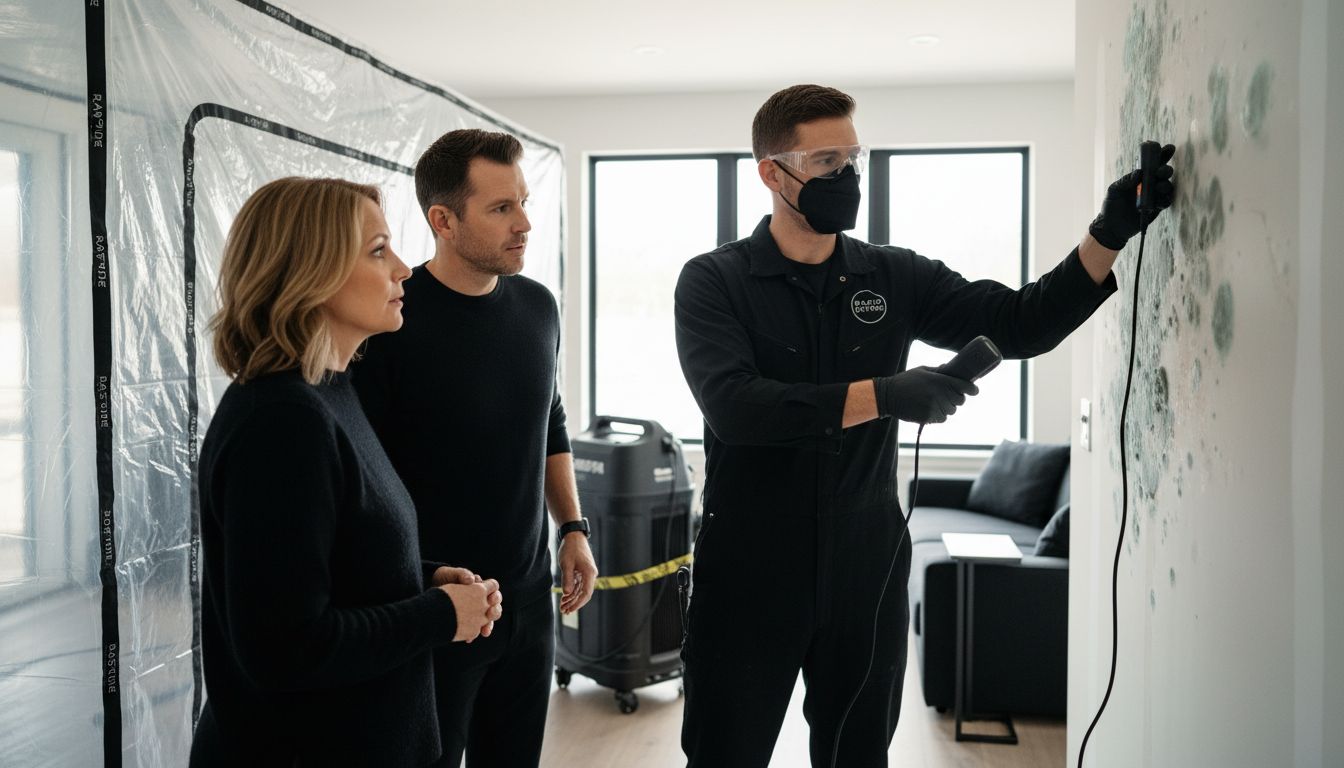
Mold can invade a home and begin spreading in as little as 24 hours whenever moisture is present. This rapid growth is more than a cosmetic concern because mold can quietly threaten your health, property, and finances. About one in four buildings will deal with significant mold issues at some point, often without early warning. Understanding the risks and learning how to respond quickly gives you the best chance to protect both your living space and the people inside it.
Table of Contents
- Understanding Mold and Rapid Growth Risks
- Health Effects of Mold Exposure
- Structural Damage Caused by Mold
- Legal and Insurance Implications of Delayed Removal
- Professional Mold Remediation Process Explained
Key Takeaways
| Point | Details |
|---|---|
| Rapid Mold Growth | Mold can proliferate within 24-48 hours, making early detection and removal crucial to prevent health and structural risks. |
| Health Risks | Mold exposure can cause serious respiratory issues, particularly for vulnerable populations such as those with asthma or compromised immune systems. |
| Structural Damage | Prolonged mold presence can weaken building materials, potentially leading to significant safety hazards that require costly repairs. |
| Legal & Insurance Implications | Delayed mold remediation can result in legal liabilities and insurance complications, making prompt action a financial necessity for property owners. |
Understanding Mold and Rapid Growth Risks
Mold isn’t just an unsightly problem – it’s a silent invader that can spread faster than most homeowners realize. According to EPA, these microscopic fungi thrive in moist environments, reproducing through airborne spores that can quickly colonize damp surfaces.
The rapid growth potential of mold is what makes it so dangerous. As CDC explains, mold spores are ubiquitous and can enter indoor spaces through multiple pathways. Once moisture is present, these spores can proliferate dramatically within 24-48 hours, transforming from a minor issue to a significant health and structural threat.
Mold growth isn’t just about aesthetics – it represents serious risks:
- Potential respiratory health complications
- Structural damage to buildings
- Reduced indoor air quality
- Potential allergic reactions
In areas with high humidity or recent water damage, the risk becomes even more pronounced. We Know Mold: Prevention Tips from PuroClean’s Mold Experts provides critical insights into understanding these risks and implementing proactive prevention strategies.
Unlike many household problems, mold doesn’t wait. Its microscopic spores can establish colonies rapidly, making swift detection and removal critical to protecting both your health and property.
Health Effects of Mold Exposure
Mold exposure can trigger a complex array of health complications that extend far beyond simple allergic reactions. According to the EPA, individuals may experience symptoms ranging from sneezing and runny nose to more severe respiratory irritations that impact overall well-being.
The health risks associated with mold are particularly pronounced for vulnerable populations. As CDC explains, people with compromised immune systems or pre-existing respiratory conditions face significantly higher risks. Potential health impacts include:
- Nasal stuffiness
- Throat and lung irritation
- Persistent coughing
- Wheezing
- Skin rashes
- Eye inflammation
Some individuals are more susceptible to severe reactions. Those with asthma, chronic respiratory conditions, or weakened immune systems can experience dramatically amplified symptoms. The Dangers of Mold Exposure provides critical insights into understanding these nuanced health risks and their potential long-term consequences.
Recognizing early warning signs is crucial. Persistent respiratory symptoms, unexplained allergic reactions, or recurring respiratory infections could indicate hidden mold exposure. Prompt professional assessment can help mitigate potential health risks and prevent more serious complications from developing.
Structural Damage Caused by Mold
Mold is far more than a cosmetic issue – it’s a silent destroyer of building infrastructure. According to EPA, mold growth can systematically compromise building materials, with porous surfaces like drywall, ceiling tiles, and carpeting being especially vulnerable to progressive deterioration.
The structural integrity risks posed by mold are significant and multifaceted. OSHA warns that prolonged mold presence can fundamentally weaken critical building components, potentially creating serious safety hazards. Key materials at risk include:
- Wooden structural frames
- Drywall and plasterboard
- Ceiling tiles
- Insulation materials
- Flooring and subflooring
Mold’s destructive process occurs gradually but relentlessly. Microscopic organisms penetrate and break down material fibers, creating progressive structural weakening that often goes unnoticed until substantial damage has occurred. Mold in Homes: 7 Common Causes For Mold Growth helps homeowners understand the underlying conditions that accelerate this damaging process.
Unlike cosmetic damage, structural mold degradation can compromise a building’s fundamental stability. What begins as a small patch of discoloration can transform into a major structural vulnerability, potentially requiring extensive and expensive repairs. Early detection and professional intervention are crucial to preventing irreversible structural compromise.
Legal and Insurance Implications of Delayed Removal
Mold remediation isn’t just a matter of property maintenance – it’s a critical legal and financial consideration. According to the EPA, delaying mold removal can trigger significant legal liabilities for property owners, with potential consequences that extend far beyond simple property damage.
Insurance policies are particularly stringent when it comes to mold-related claims. CDC highlights that many insurance providers have strict guidelines about timely remediation, and failure to act promptly can result in denied claims. Key legal and insurance risks include:
- Potential voiding of insurance coverage
- Personal liability for health-related damages
- Substantial out-of-pocket repair costs
- Potential property value depreciation
- Legal challenges from tenants or occupants
The financial implications can be devastating. What might start as a small moisture issue can quickly escalate into a complex legal and financial nightmare if left unaddressed. How Hoarding Affects Insurance offers insights into how property maintenance directly impacts insurance considerations, though the principles apply equally to mold-related risks.
Property owners must understand that proactive mold management is not optional – it’s a legal and financial imperative. Insurance companies increasingly view delayed mold remediation as negligence, which can lead to claim rejections, increased premiums, or even potential lawsuits. The cost of immediate professional intervention is always substantially lower than the potential legal and financial consequences of inaction.
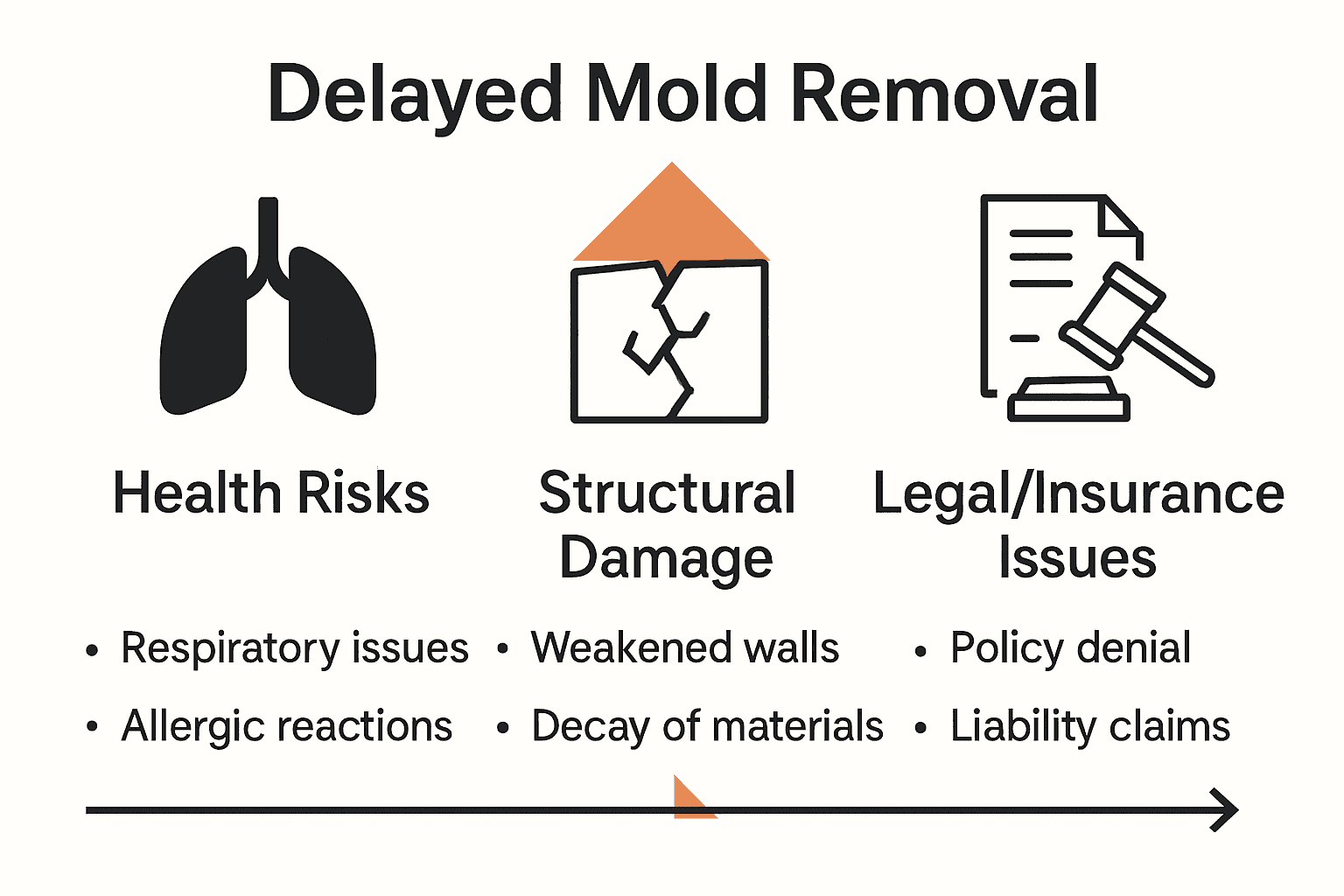
Here’s a summary of the main risks associated with mold:
| Risk Type | Description | Examples |
|---|---|---|
| Health Risks | Adverse effects on respiratory and immune health | Allergic reactions Asthma Persistent coughing |
| Structural Damage | Weakened or destroyed building materials | Damaged drywall Rotten wood Moldy insulation |
| Legal & Insurance Issues | Financial and legal liabilities due to delays | Denied claims Lawsuits Decreased property value |
Professional Mold Remediation Process Explained
Professional mold remediation is a comprehensive, systematic approach to eliminating mold safely and effectively. According to the EPA, the process involves multiple critical stages designed to not just remove mold, but prevent its future recurrence.
The mold remediation workflow typically follows a structured sequence of professional interventions. OSHA outlines the key steps as a carefully orchestrated process that includes:
- Comprehensive moisture source identification
- Precise area containment
- Contaminated material removal
- Thorough surface cleaning and disinfection
- Proper drying and ventilation
- Preventative moisture control strategies
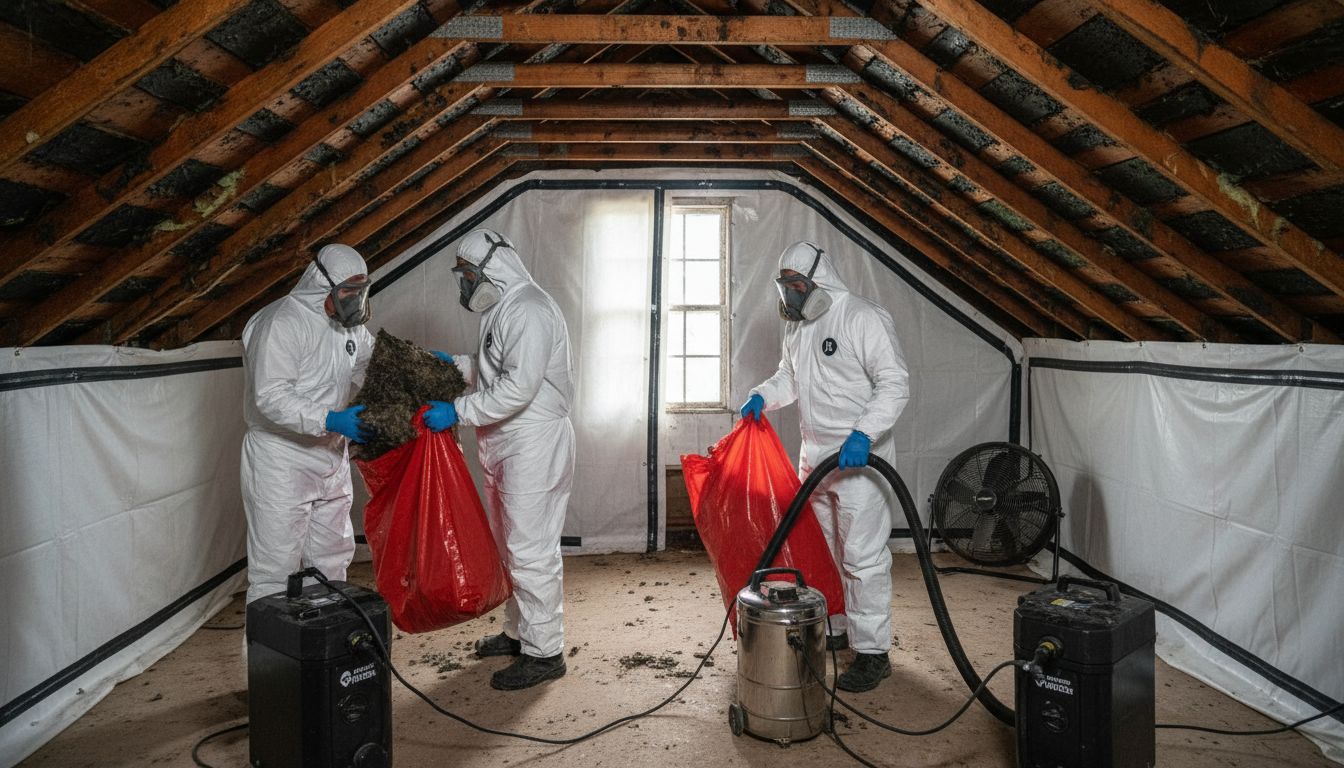
Professional remediation goes far beyond simple surface cleaning. Technicians use specialized equipment like HEPA filters, negative air machines, and moisture meters to detect hidden mold and prevent cross-contamination. Why Remove Mold Professionally provides deeper insights into the complexities of professional mold management that make DIY approaches risky and ineffective.
The ultimate goal of professional mold remediation is not just removal, but creating a long-term strategy for preventing future growth. By addressing underlying moisture issues, thoroughly cleaning affected areas, and implementing preventative measures, professionals ensure a comprehensive solution that protects both property and health.
Act Fast to Protect Your Health and Home from Mold Damage
Mold grows quickly and silently causing serious health problems and structural damage as outlined in the guide “Why Remove Mold Quickly: Complete Guide for 2025.” You face real risks like respiratory issues, weakened building materials, and even insurance complications if mold removal is delayed. This calls for immediate, professional action that goes beyond just surface cleaning.
Don’t wait until the problem worsens and puts your property and loved ones at risk. At PuroClean of Northeast Sacramento, we specialize in fast, thorough mold remediation using industry-certified methods designed to eliminate mold completely and safeguard your home against future growth.
Take control now by reaching out to our expert team who are available 24/7 for emergency mold removal. Visit our restoration services page to learn how we protect your property and health with proven techniques. Immediate professional support can save you from costly repairs, denied insurance claims, and serious health impacts. Contact PuroClean today to stop mold in its tracks and restore safety to your home.
Frequently Asked Questions
What causes rapid mold growth in homes?
Mold thrives in moist environments, and spores can proliferate dramatically within 24-48 hours when moisture is present. Sources include high humidity, water damage, and leaks.
What are the health risks associated with mold exposure?
Mold can trigger respiratory issues, allergic reactions, and other health complications, especially for individuals with compromised immune systems or pre-existing conditions like asthma.
How can mold affect the structural integrity of a building?
Mold can weaken critical building materials such as drywall, wooden frames, and insulation, leading to potentially severe structural damage if not addressed promptly.
Why is professional mold remediation important?
Professional mold remediation ensures comprehensive removal and prevention of future mold growth through systematic processes, addressing underlying moisture issues effectively.