 PuroClean of Northeast Sacramento
 Why Use Professional Restoration After Property Damage
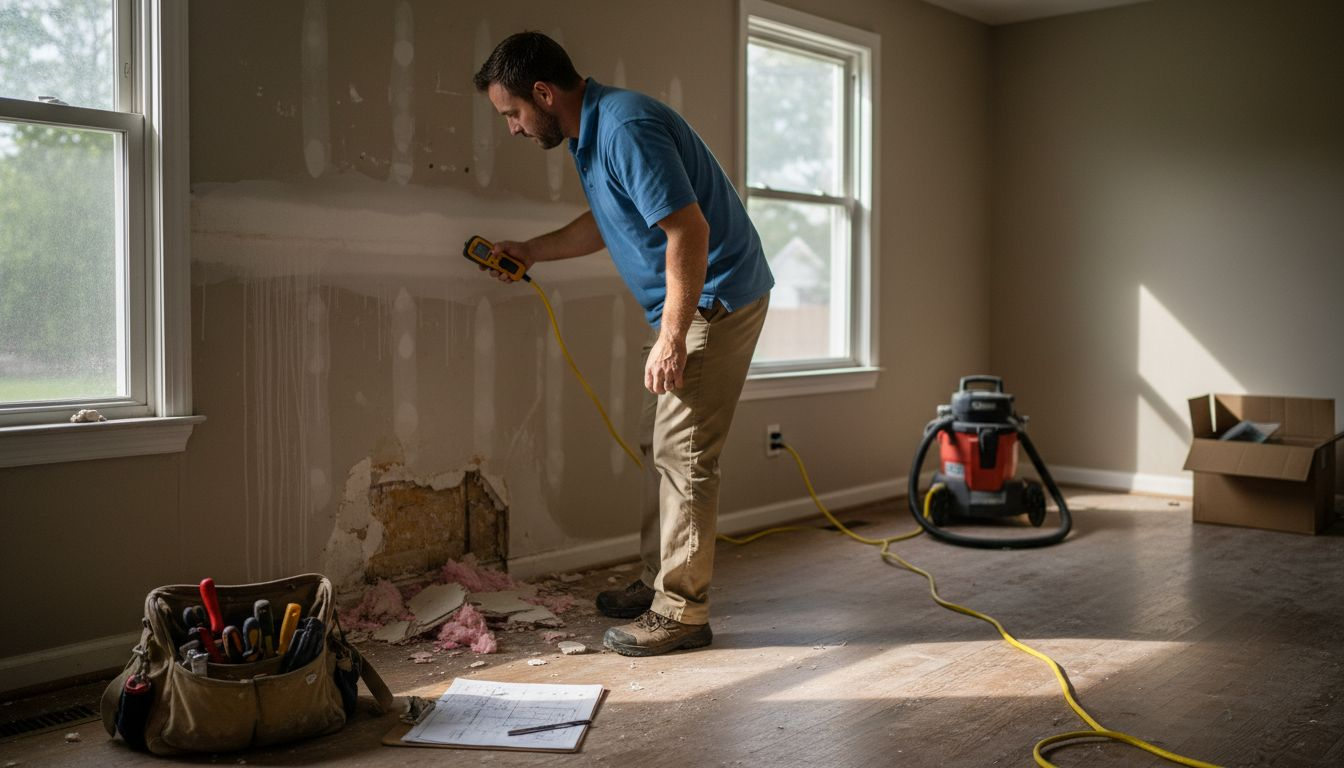
Every year, American homeowners experience over two billion dollars in property losses due to water and fire emergencies. When disaster strikes in Northeast Sacramento, it is easy to feel overwhelmed by the urgent need for expert help and the uncertainty of navigating insurance claims. Understanding the difference that professional restoration services make can protect your investment and bring peace of mind when you need it most.
Table of Contents
- What Is Professional Restoration Service?
- Types Of Property Damage Restoration
- How Professional Restoration Works
- Insurance Assistance And Documentation
- Risks Of Diy Restoration Projects
- Comparing Cost And Long-Term Value
Key Takeaways
| Point | Details |
|---|---|
| Professional restoration is essential for effective property recovery. | It involves advanced techniques and expertise to comprehensively address damage from incidents like floods and fires. |
| Proper documentation supports successful insurance claims. | Thorough records, including photographs and inventory lists, are crucial for substantiating claims and guiding restoration efforts. |
| DIY restoration carries significant risks. | Amateur attempts may lead to improper repairs, increasing future damage and costs compared to professional services. |
| Investing in professional restoration enhances long-term property value. | Although initial costs may be higher, they prevent recurring issues and ensure comprehensive recovery, resulting in future savings. |
What Is Professional Restoration Service?
Professional restoration is a specialized process that addresses comprehensive property damage recovery after incidents like floods, fires, or structural compromises. Comprehensive restoration services involve systematic approaches to protecting and rehabilitating damaged property using advanced technical methods and specialized expertise.
These services encompass multiple critical stages beyond simple cleanup. Professional restoration technicians conduct thorough damage assessments, implement strategic remediation techniques, and utilize specialized equipment to prevent secondary damage like mold growth, structural deterioration, and long-term property value reduction. The process requires extensive technical knowledge, including understanding moisture detection, structural drying, material compatibility, and advanced restoration protocols.
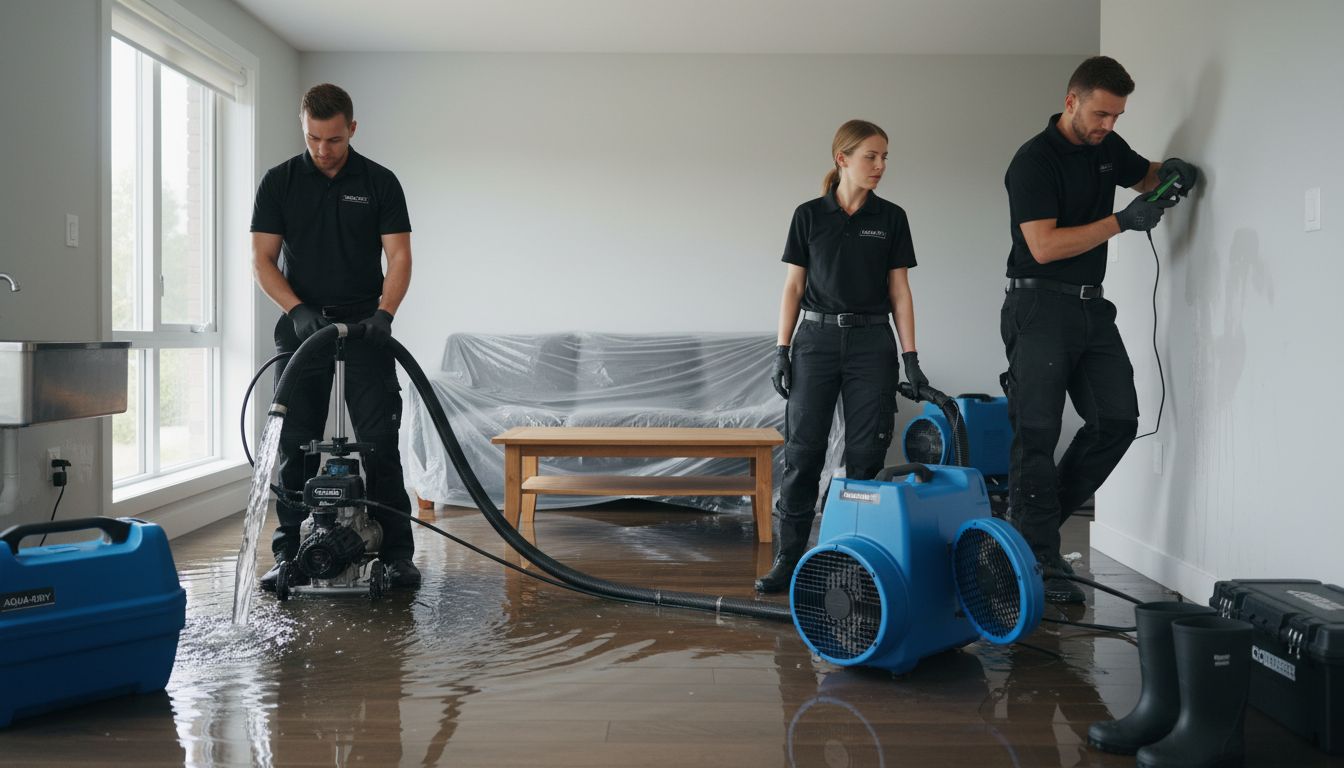
Professional restoration differs significantly from standard cleaning or repair services. Restoration experts employ scientific methodologies, industrial-grade equipment, and precise techniques to restore properties to their pre-damage condition. This might involve water extraction, structural dehumidification, smoke and odor removal, sanitization, and comprehensive reconstruction strategies. Restoration professionals are trained to address complex damage scenarios while maintaining the property’s structural integrity and minimizing potential future risks.
Pro tip: Always document property damage thoroughly with photographs and detailed notes before professional restoration begins to support potential insurance claims and provide clear restoration guidance.
Types Of Property Damage Restoration
Property damage restoration encompasses multiple specialized services designed to address different types of environmental and structural damages. Property damage restoration techniques include comprehensive approaches targeting specific damage scenarios such as water intrusion, fire destruction, mold contamination, and structural compromises.
The most common types of property damage restoration include water damage restoration, which involves critical steps like water extraction, structural drying, and sanitization. Fire damage restoration addresses complex challenges including soot removal, smoke odor elimination, and structural repair from heat and extinguishing agent impacts. Mold remediation focuses on identifying, containing, and safely removing mold growth while preventing future recurrence through moisture control and specialized cleaning protocols.
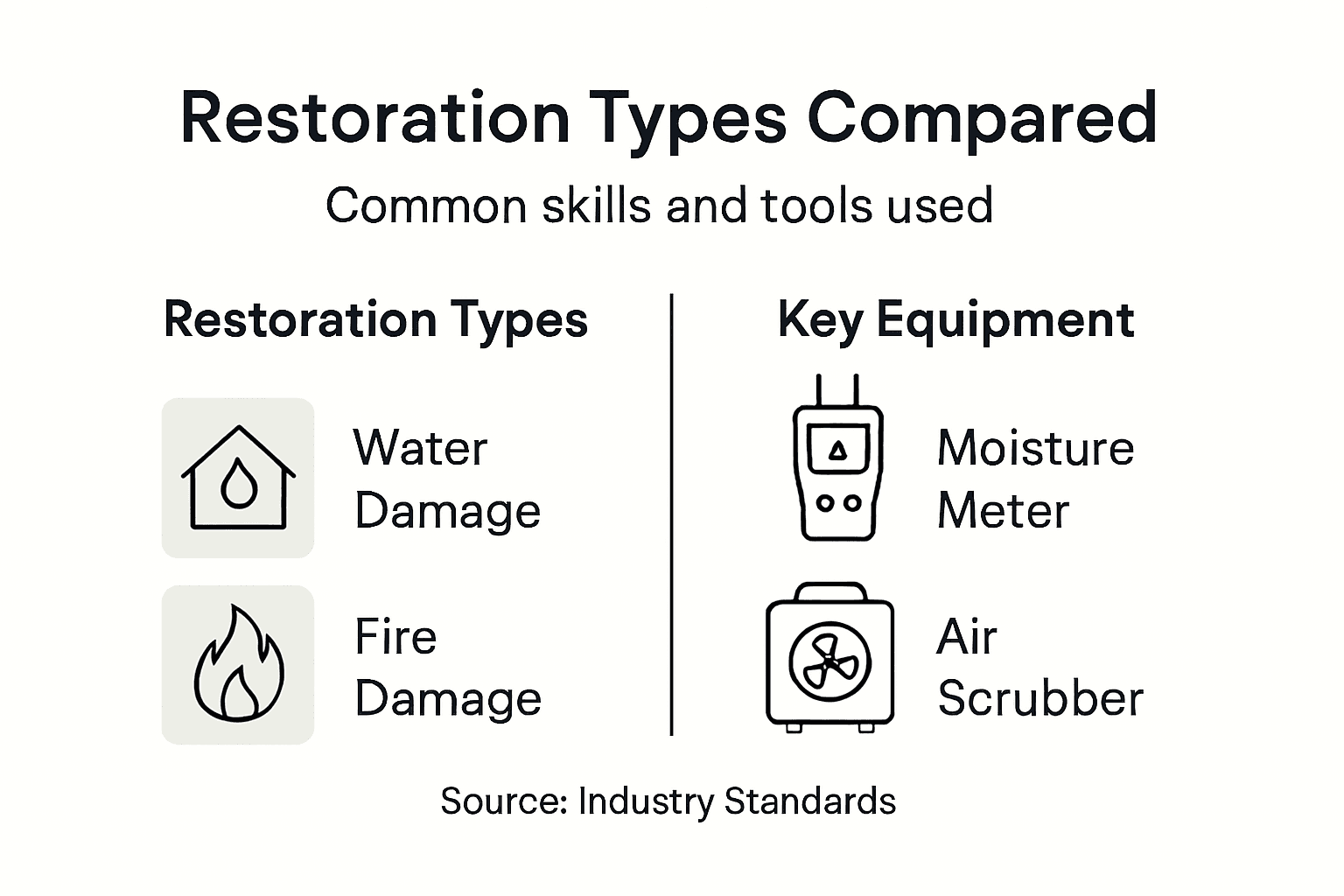
Beyond standard restoration services, professionals also handle specialized scenarios like biohazard cleanup, storm damage restoration, and historic building preservation. Preservation approaches for historic structures require additional expertise, involving meticulous techniques that maintain architectural integrity while addressing damage. Each restoration type demands unique technical skills, specialized equipment, and a deep understanding of material science and structural dynamics.
The following table summarizes key restoration types and the unique skills required for each scenario:
| Restoration Type | Specialized Skills Required | Common Equipment Used |
|---|---|---|
| Water Damage | Moisture detection, structural drying | Water extractors, dehumidifiers |
| Fire Damage | Soot removal, smoke odor control | Air scrubbers, HEPA vacuums |
| Mold Remediation | Mold identification, containment | PPE, negative air machines |
| Historic Preservation | Material analysis, architectural techniques | Conservation-grade tools |
Pro tip: Always request detailed documentation and before-and-after photographs from restoration professionals to understand the full scope of damage recovery and restoration processes.
How Professional Restoration Works
Professional restoration follows a systematic and scientific approach to property recovery, beginning with a comprehensive damage assessment process. Restoration experts start by conducting a detailed inspection, documenting the extent of damage, and developing a strategic plan that minimizes further property deterioration while ensuring the most effective recovery method.
The restoration workflow typically involves multiple critical stages. Initially, technicians perform emergency mitigation to prevent additional damage, which might include water extraction, securing the property, and creating containment zones. Next, they implement specialized cleaning and restoration techniques tailored to the specific type of damage. This process includes advanced moisture detection, structural drying, specialized cleaning agents, and precision equipment designed to restore properties to their pre-damage condition.
Restoration project stages encompass comprehensive planning and execution. Professionals follow a structured approach that includes scoping the damage, designing targeted intervention strategies, securing necessary resources, implementing restoration activities, and conducting ongoing monitoring. This methodical process ensures that every aspect of property restoration is addressed systematically, from initial assessment through final reconstruction and quality verification.
Pro tip: Request a detailed written restoration plan from professionals that outlines each stage of the recovery process, including estimated timelines, specific techniques, and expected outcomes.
Insurance Assistance And Documentation
Professional restoration services play a crucial role in navigating the complex landscape of insurance claims by providing comprehensive damage documentation support. These experts understand the intricate requirements for establishing property damage evidence, helping homeowners compile precise records that insurance companies demand for successful claim processing.
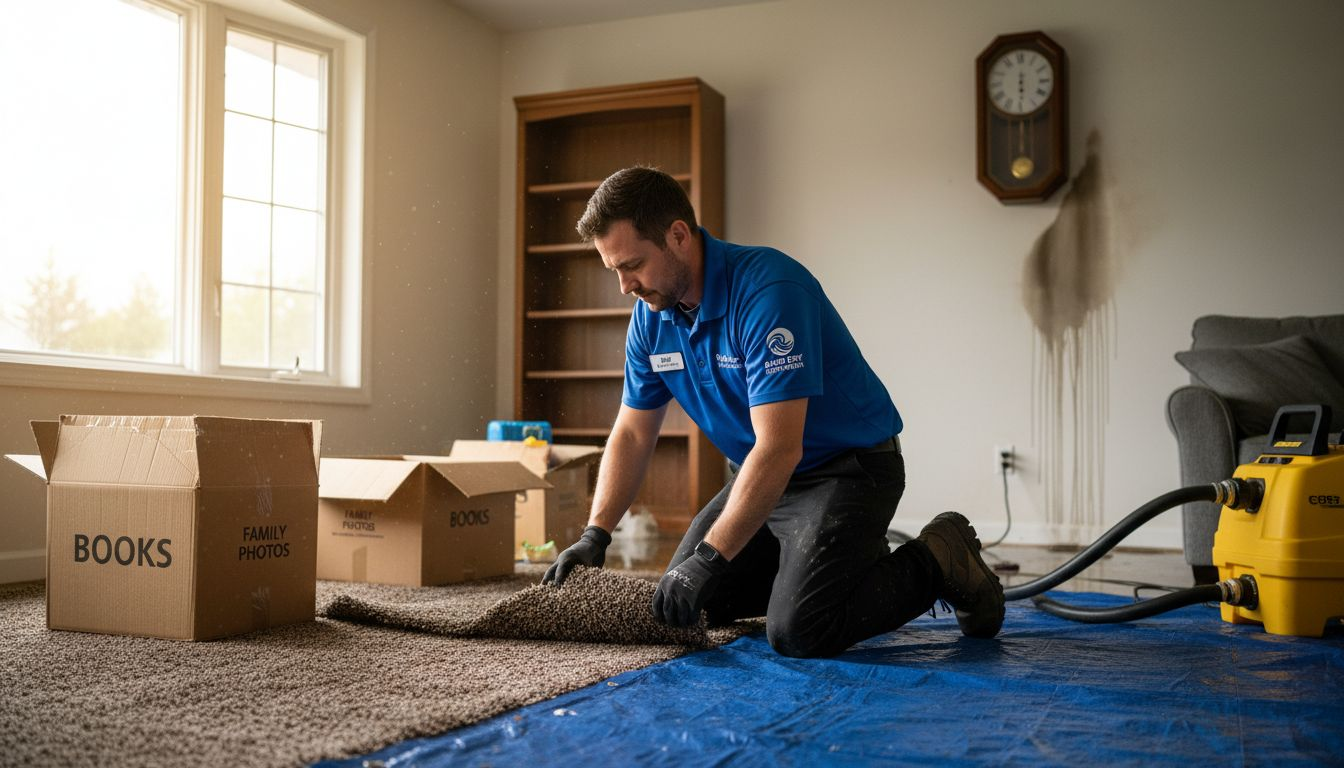
The documentation process requires meticulous attention to detail. Restoration professionals systematically photograph and video record damage, catalog affected items with serial numbers, and create detailed inventory lists. They capture structural damages, personal property losses, and environmental conditions that might impact insurance assessments. This thorough documentation serves multiple purposes: substantiating insurance claims, supporting potential government assistance applications, and creating a clear restoration roadmap.
Insurance claim documentation involves more than just visual evidence. Restoration experts prepare comprehensive reports including damage assessment details, precise cost estimates for labor and materials, and complete scopes of work. They help homeowners understand complex insurance requirements, ensuring all necessary proof of ownership, legal responsibility, and compliance documentation are correctly prepared and submitted.
Pro tip: Request a complete digital and physical copy of all documentation from your restoration professionals, storing backup copies in multiple secure locations to protect against potential loss.
Risks Of DIY Restoration Projects
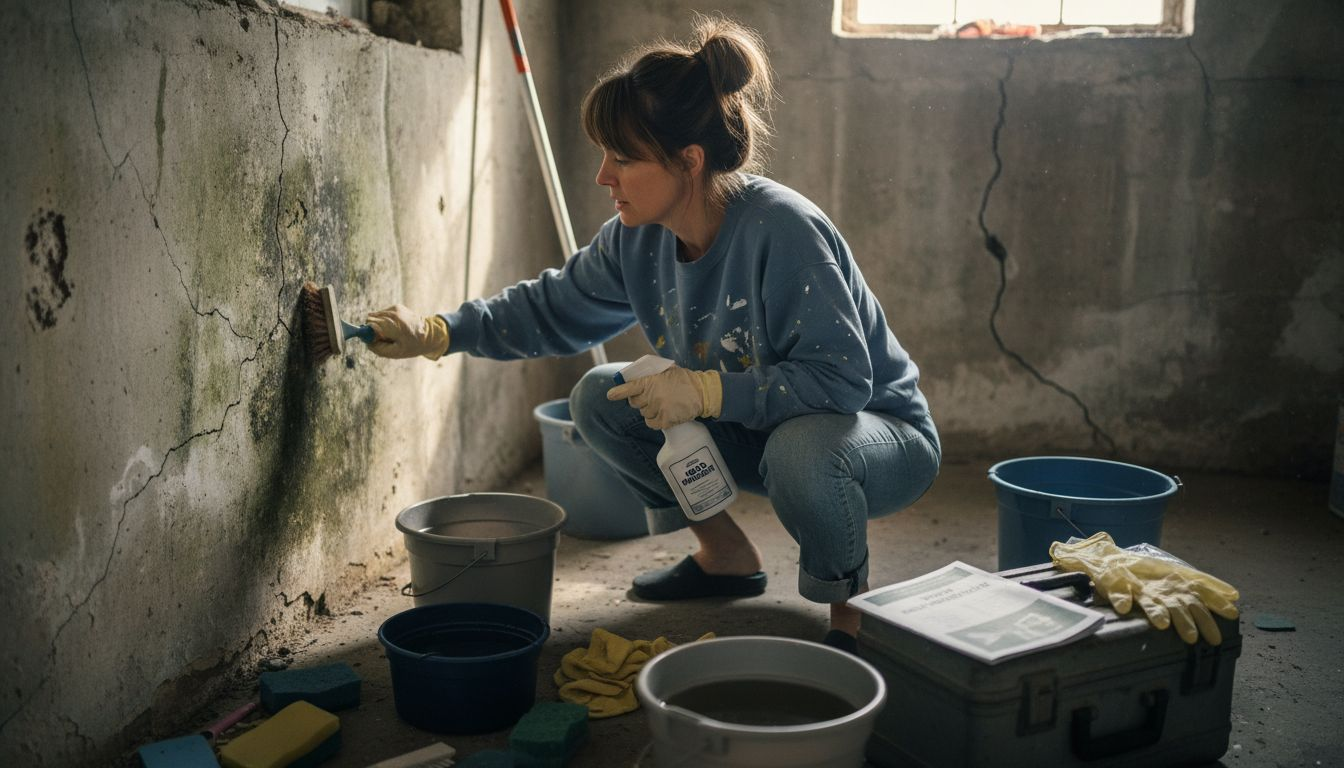
Do-it-yourself restoration projects might seem cost-effective, but they carry substantial hidden dangers and potential long-term consequences. DIY restoration risks include improper damage assessment, inappropriate repair techniques, and potential structural compromises that can dramatically increase overall property damage and repair expenses.
Amateur restoration attempts frequently overlook critical technical details. Homeowners often lack specialized knowledge about moisture detection, structural integrity, and contamination risks. Without professional equipment and expertise, DIY efforts can inadvertently spread water damage, create ideal conditions for mold growth, or miss underlying structural weaknesses. These mistakes can lead to more extensive and expensive repairs, potentially reducing property value and creating unsafe living conditions.
Professional restoration planning involves comprehensive assessments that go far beyond surface-level repairs. Trained professionals understand building codes, material compatibility, and complex restoration protocols. They utilize advanced diagnostic tools to identify hidden damage, assess structural risks, and implement precise remediation strategies that amateur efforts cannot replicate. Regulatory compliance, insurance requirements, and technical precision are crucial elements that most homeowners cannot effectively manage independently.
Here’s a comparison of DIY versus professional restoration, highlighting critical success factors:
| Factor | DIY Restoration | Professional Restoration |
|---|---|---|
| Cost | Lower upfront, higher long-term | Higher upfront, cost-effective long-term |
| Equipment Access | Limited to household tools | Advanced industry-grade equipment |
| Technical Skill | Basic, often insufficient | Comprehensive, certified expertise |
| Risk Management | Incomplete, increased future risk | Systematic, reduced risk of recurrence |
Pro tip: Before attempting any DIY restoration, consult a professional for a comprehensive damage assessment to understand the full scope of potential risks and necessary interventions.
Comparing Cost And Long-Term Value
Homeowners often focus on immediate repair expenses, overlooking the substantial long-term financial implications of restoration strategies. Professional restoration investments demonstrate that upfront costs translate into significant future savings by preventing cascading damage and ensuring comprehensive property recovery.
Initial professional restoration expenses might appear higher than DIY approaches, but they encompass critical elements that protect property value. Trained specialists use advanced diagnostic tools, high-quality materials, and precise techniques that address root causes of damage. These comprehensive interventions prevent recurring issues, reduce potential structural weaknesses, and mitigate risks of expensive future repairs that could emerge from incomplete or improper restoration attempts.
Restoration cost-effectiveness extends beyond immediate repairs, incorporating long-term property resilience and maintenance considerations. Professional restoration strategies consider factors like material durability, structural integrity, and potential hidden damages that untrained individuals might overlook. By investing in expert services, property owners can expect enhanced asset value, reduced maintenance costs, and minimized risk of extensive future damage that could dramatically exceed initial restoration expenses.
Pro tip: Request a detailed cost breakdown and long-term restoration plan from professionals, comparing projected maintenance expenses against their proposed restoration strategy.
Expert Restoration Solutions When You Need Them Most
Experiencing property damage can feel overwhelming and stressful. The article highlights the critical need for professional restoration services that go beyond basic cleanup to prevent further issues such as mold growth, structural damage, and costly repairs. If you want to avoid the risks of DIY attempts and ensure your home or business is restored safely and thoroughly, timely and expert intervention is essential.
PuroClean of Northeast Sacramento specializes in delivering fast, comprehensive restoration for water damage, fire and smoke restoration, mold removal, and biohazard cleanup. Our team uses advanced technology and proven restoration protocols to carefully assess damage, document all evidence for insurance support, and execute a strategic recovery plan that reinforces your property’s long-term value. Our 24/7 emergency response and commitment to customer care relieve the uncertainty during property crises with trusted expertise you can count on.
Ready to protect your investment with professional help you can trust?
Expert Restoration Services for Northeast Sacramento
Don’t wait for damage to worsen. Contact PuroClean of Northeast Sacramento now to schedule a detailed damage assessment and start your full property restoration. Visit our website or call us anytime for immediate assistance.
Frequently Asked Questions
What is a professional restoration service?
Professional restoration services are specialized processes that recover properties from damage caused by incidents such as floods, fires, or structural issues. These services go beyond simple cleaning and involve technical expertise and equipment to prevent further damage.
Why is professional restoration different from DIY repairs?
Professional restoration utilizes scientific methodologies and advanced equipment, ensuring thorough damage assessment and prevention of future issues, unlike DIY repairs that may lack critical knowledge and skills, potentially worsening damage.
What types of damage can professional restoration address?
Professional restoration can address various types of damage, including water damage, fire damage, mold remediation, and even specialized services for biohazard cleanup and historic building preservation. Each requires unique skills and techniques.
How does the insurance documentation process work with restoration services?
Restoration professionals assist in documenting property damage with detailed photographs and inventories, which is crucial for insurance claims. They prepare reports that include damage assessments and cost estimates to support homeowners in the claims process.
Recommended
In Case of Emergency, Call a Professional – PuroClean Restoration Services
10 Benefits of Hiring a Professional Water Damage Restoration Company

 PuroClean of Northeast Sacramento