


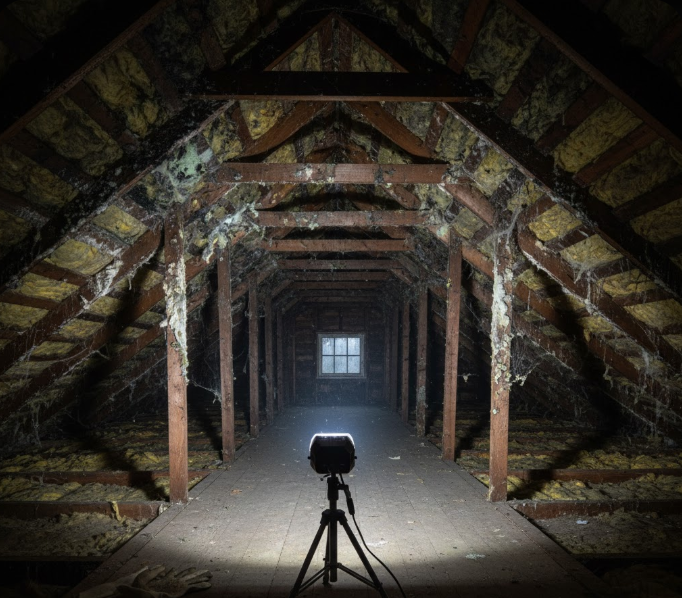
How to Get Rid of Mold in Attic Fast and Safely
Table of Contents
Dealing with mold in attic spaces is a common problem for homeowners, yet many do not realize how serious the issue can become until it spreads. Mold in attic areas often goes unnoticed because people rarely inspect these spaces, allowing hidden moisture problems to worsen over time.
When left untreated, mold in attic environments can damage structural materials, create poor indoor air quality, and reduce home value. The good news is that with the right knowledge and strategies, you can eliminate the problem and prevent it from returning.
This guide explains the causes, dangers, removal methods, prevention tips, and the best time to call professionals for help. By the end, you will understand exactly how to approach mold in attic areas effectively and safely.
Understanding the Problem of Mold in Attic
Mold in attic spaces develops when moisture, organic material, and darkness combine to create the perfect environment for fungal growth. Many homeowners assume that attics stay dry because they are not exposed to plumbing lines, but roofing leaks, condensation, poor ventilation, and insulation issues can all lead to moisture buildup. Recognizing the signs early is essential to prevent further damage.
Common Causes of Mold in Attic Spaces
Moisture is the primary cause of mold growth. Even small issues can lead to significant mold in attic areas over time. Common sources include:
Roofing Leaks
A damaged or aging roof can allow water to seep into the attic. Even minor leaks can trigger mold when conditions remain consistently damp.
Poor Ventilation
If warm, humid air becomes trapped, condensation forms on wood framing. This lingering moisture promotes mold growth.
Inadequate Insulation
Poor insulation can cause uneven temperatures and condensation on cold surfaces. When insulation becomes wet, it often leads to mold in attic wood and sheathing.
Bathroom or Dryer Vents Exhausting Into the Attic
Exhaust systems should never terminate inside an attic. Moisture from showers or laundry can raise humidity significantly.
Understanding the cause is critical so you can eliminate the source and prevent mold from returning.
Why Mold in Attic Areas Is a Serious Concern
Some homeowners believe attic mold is harmless since the space is not frequently occupied. However, mold in attic areas can create several risks:
Structural Damage
Prolonged moisture weakens wood, shingles, and decking. Mold can reduce the structural integrity of a home if not addressed promptly.
Indoor Air Quality Issues
Air from the attic can enter the living space through gaps, cracks, and ductwork. Studies show that airborne mold spores can lead to allergies, respiratory distress, and irritation.
Reduced Home Value
Home inspectors routinely check attics. Mold in attic spaces is a red flag that may cause buyers to withdraw or negotiate lower prices.
Increased Repair Costs
The longer mold spreads, the more expensive remediation becomes. Addressing issues early can save thousands of dollars.
How to Inspect for Mold in the Attic
If you suspect mold in attic areas, a thorough inspection is the first step. You can perform an initial check yourself, but professionals use specialized tools such as moisture meters and thermal imaging to detect hidden problems.
Look for Dark Staining
Mold often appears as black, white, or green patches on wood, insulation, or stored items.
Check Moisture Levels
Wood moisture above 20 percent indicates a problem.
Identify Ventilation Problems
Blocked soffits, broken vents, or inadequate airflow often contribute to mold in attic spaces.
Smell for Musty Odors
A persistent musty smell is a strong indicator of mold growth.
If you discover visible mold, significant staining, or wet insulation, it is time to take action.
DIY Methods for Removing Mold in the Attic
While small, contained patches of mold can sometimes be handled by homeowners, safety and proper cleaning methods are critical. Incorrect removal can release mold spores into the home or worsen the problem.
Step 1: Fix the Moisture Source
Eliminate leaks, improve ventilation, or replace damaged insulation before cleaning. Otherwise, the mold will return.
Step 2: Wear Protective Gear
Use gloves, goggles, and an N95 mask to protect yourself.
Step 3: Dry the Area
Use fans or dehumidifiers to remove excess moisture.
Step 4: Clean Surfaces
Scrub mold in attic surfaces with a mixture of detergent and water. For tougher areas, a professional grade antimicrobial solution is recommended.
Step 5: Dispose of Contaminated Materials
If insulation or stored items are moldy, they should be removed and replaced.
DIY methods can be effective for mild cases, but widespread mold in attic areas requires expert remediation to ensure complete and safe removal.
When to Call a Professional for Mold Removal
Some situations require expert help. You should hire a professional if:
- The mold covers more than 5 square feet
- You cannot identify or stop the moisture source
- Mold returns after previous cleaning
- You see structural damage
- You suspect contamination of air ducts or insulation
Professionals have the training, equipment, and antimicrobial treatments needed to eliminate mold in attic wood, rafters, sheathing, and insulation safely and completely.
Call PuroClean of Northeast Tacoma today at (206) 929-0155 for fast, reliable, and professional attic mold remediation in Tacoma WA.
Long Term Prevention of Mold in Attic Spaces
Prevention is the best long term solution. After removing mold in attic structures, use these strategies to keep the space dry and safe.
Improve Ventilation
A balanced attic ventilation system includes both intake and exhaust vents. Cool, dry air must enter through soffits while warm air escapes through ridge or gable vents.
Add or Replace Insulation
Proper insulation reduces condensation. Ensure insulation is dry, evenly installed, and not blocking airflow.
Seal Air Leaks
Warm indoor air rises and escapes into the attic through gaps around pipes, lights, and wall frames. Seal these with caulk or foam.
Maintain the Roof
Annual roofing inspections help prevent leaks that lead to mold in attic materials.
Control Humidity
Humidity levels should stay below 60 percent. In damp climates, attic dehumidifiers may be necessary.
Ventilation Solutions to Prevent Mold
Ventilation issues account for a large portion of mold in attic cases. Improving airflow is one of the most effective long term solutions.
Soffit and Ridge Vents
This combination creates continuous airflow throughout the attic.
Gable Vents
Useful for homes without ridge vents, though they should not be the only ventilation source.
Attic Fans
In some homes, powered fans help improve airflow and reduce heat and moisture buildup.
Proper ventilation dramatically reduces the risk of mold returning.
Insulation and Moisture Control
Insulation plays a key role in preventing mold in attic environments. Moisture trapped inside insulation can quickly lead to mold growth, so ensuring proper installation is essential.
Fiberglass or cellulose insulation should be kept dry and away from roof decking. Baffles may be needed to keep insulation from blocking vents. Weather stripping around attic hatches also prevents warm air from entering the attic and condensing.
Cost Considerations for Attic Mold Removal
The cost of removing mold in attic areas varies depending on several factors:
- Size of the affected area
- Severity of mold growth
- Type of materials contaminated
- Cause of moisture
- Need for insulation replacement
On average, minor mold removal may cost a few hundred dollars, while extensive contamination involving roof damage or large attic spaces can cost thousands. Addressing the problem early reduces future expenses significantly.
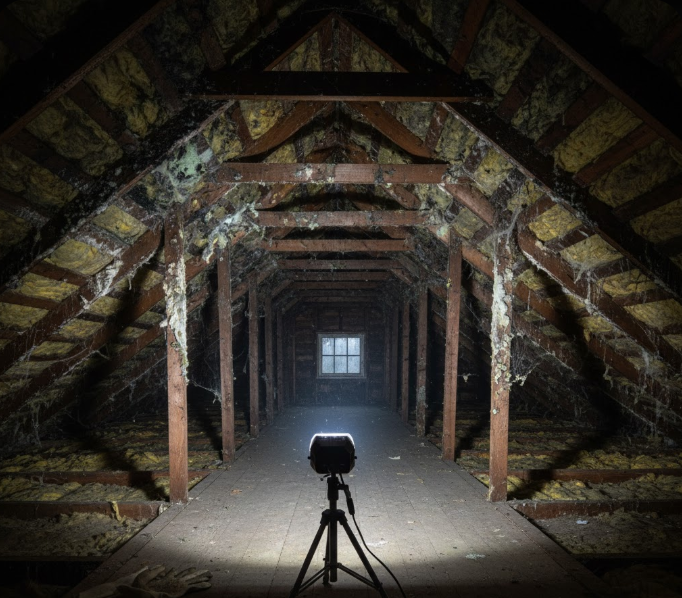
Mold in attic spaces is a serious issue that requires prompt attention. By understanding the causes, recognizing the dangers, inspecting thoroughly, and using proper removal techniques, you can protect your home from damage and keep your family safe. However, when the problem is extensive or recurring, professional remediation is the safest and most effective solution.
If your home has mold in attic areas or you suspect moisture problems, now is the time to take action. PuroClean of Northeast Tacoma offers expert mold removal, moisture control, and attic restoration services designed to eliminate the problem at its source.
Call PuroClean of Northeast Tacoma today at (206) 929-0155 for fast, reliable, and professional attic mold remediation in Washington.