 PuroClean of Northeast Tacoma
Frustrating and Costly Basement Drain Back Up in Winter? Powerful Causes and Proven Solutions
Table of Contents
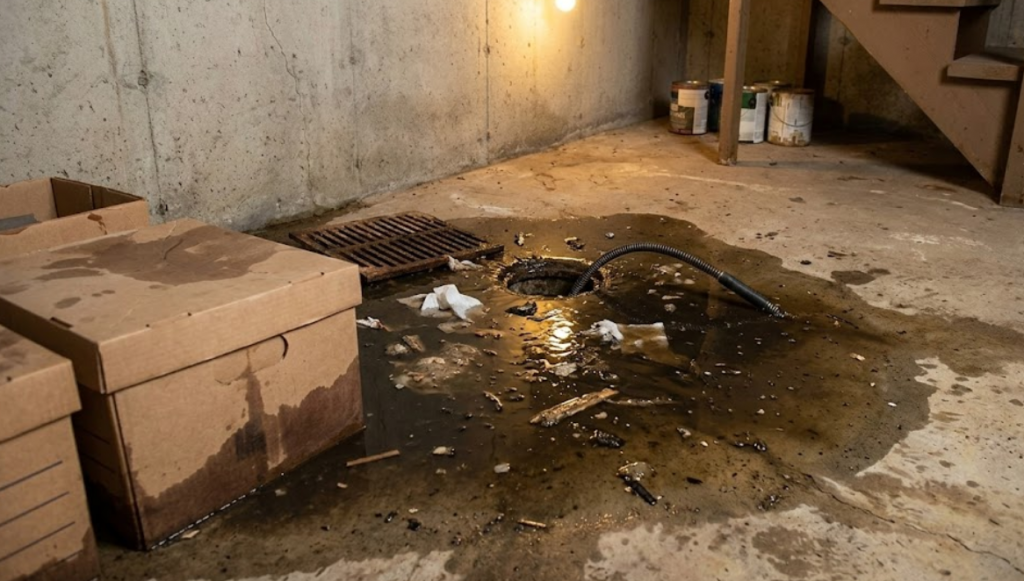
Winter can be especially hard on your plumbing system. When temperatures drop and heavy rainfall or snowmelt occurs, many homeowners face an alarming issue: water rising from the basement floor drain. A Basement Drain Back Up during winter is not just inconvenient. It can cause serious water damage, contamination, and expensive repairs if not addressed quickly.
If you have ever walked downstairs to find water pooling around your basement drain during cold weather, you are not alone. According to the Insurance Information Institute, water damage and freezing account for nearly 30 percent of all homeowner insurance claims in the United States each year. Winter related plumbing issues are a major contributor.
This detailed guide explains why a Basement Drain Back Up happens in winter, what warning signs to watch for, and how to prevent and resolve the problem before it leads to costly damage.
What Is a Basement Drain Back Up?
A Basement Drain Back Up occurs when wastewater flows in the wrong direction and rises through a floor drain instead of exiting your home through the main sewer line. This reversal can cause dirty water, sewage, or stormwater to enter your basement.
Unlike a simple clogged sink, a Basement Drain Back Up often indicates a problem in the main sewer line or municipal sewer system. Winter conditions can worsen these issues due to frozen pipes, ground movement, and increased pressure within the sewer system.
Understanding the root causes helps homeowners take proactive steps to protect their property.
Why Winter Increases the Risk of Basement Drain Back Up
Cold weather introduces unique challenges that make a Basement Drain Back Up more likely.
Frozen Sewer Lines
When temperatures fall below freezing, pipes located in unheated areas can freeze. Ice restricts the flow of wastewater, creating blockages. As more water attempts to move through the pipe, pressure builds and can force water back through the lowest point in your plumbing system, often the basement floor drain.
A frozen line is one of the most common winter causes of a Basement Drain Back Up.
Snowmelt and Heavy Rain
Winter storms followed by sudden thaws can overwhelm municipal sewer systems. Snowmelt combined with rainfall increases water volume entering the system. If the public sewer line becomes overloaded, wastewater may reverse direction and cause a Basement Drain Back Up in homes connected to the system.
Tree Root Intrusion
Even during winter, tree roots continue to grow underground in search of moisture. Roots can infiltrate small cracks in sewer pipes. When freezing temperatures cause the ground to shift, existing cracks may widen. This damage restricts flow and increases the risk of a Basement Drain Back Up.
Aging Infrastructure
Older homes are especially vulnerable. Many properties still rely on clay or cast iron sewer lines that are more susceptible to cracks and corrosion. Cold weather accelerates deterioration, contributing to a higher likelihood of a Basement Drain Back Up.
Warning Signs Before a Basement Drain Back Up Happens
Recognizing early indicators can help you avoid a major overflow.
- Slow draining sinks and tubs
- Gurgling sounds from toilets or drains
- Unpleasant sewage odors in the basement
- Water backing up in lower fixtures when upstairs plumbing is used
- Standing water around the floor drain
These warning signs often appear before a full Basement Drain Back Up occurs. Addressing them promptly can prevent significant damage.
The Dangers of Ignoring a Basement Drain Back Up
Ignoring a Basement Drain Back Up can lead to serious consequences.
Structural Damage
Basements contain critical structural components such as foundation walls and support beams. Prolonged water exposure weakens these materials and may cause cracking or shifting.
Mold Growth
The Environmental Protection Agency states that mold can begin growing within 24 to 48 hours after water exposure. A Basement Drain Back Up creates damp conditions ideal for mold growth, which can spread quickly throughout the home.
Health Risks
If the backup involves sewage, the water may contain harmful bacteria and viruses. Exposure can result in gastrointestinal illness, respiratory issues, and skin infections. A professional response is essential to ensure proper sanitation after a Basement Drain Back Up.
Electrical Hazards
Basements often house electrical panels and appliances. Water intrusion increases the risk of electrical shock or fire.
How Professionals Address Basement Drain Back Up Problems
Professional restoration companies follow a systematic approach to resolve a Basement Drain Back Up safely and thoroughly.
Inspection and Diagnosis
Technicians use specialized cameras to inspect sewer lines and identify the cause of the blockage. Determining whether the issue stems from freezing, roots, or municipal overload is essential for proper repair.
Water Removal and Cleanup
If water has entered the basement, industrial extraction equipment removes standing water quickly. Thorough cleaning and sanitizing eliminate contaminants associated with a Basement Drain Back Up.
Drying and Dehumidification
Commercial air movers and dehumidifiers dry affected materials to prevent mold growth and structural damage.
Sewer Line Repair or Replacement
Depending on the cause, plumbers may clear blockages, thaw frozen pipes, remove roots, or replace damaged sections of pipe to prevent future Basement Drain Back Up incidents.
Preventing Basement Drain Back Up During Winter
Proactive maintenance significantly reduces the likelihood of winter plumbing problems.
Install a Backwater Valve
A backwater valve prevents sewage from flowing back into your home during municipal sewer overload. This device automatically closes if water begins moving in the wrong direction, protecting against a Basement Drain Back Up.
Insulate Pipes
Insulating exposed pipes in unheated areas reduces the risk of freezing. Keeping your home adequately heated during winter also helps protect plumbing.
Schedule Sewer Line Inspections
Routine camera inspections detect cracks, blockages, or root intrusion before they cause a Basement Drain Back Up. Preventive maintenance is often far less expensive than emergency repairs.
Maintain Proper Drain Usage
Avoid flushing wipes, paper towels, or grease down drains. Even products labeled flushable can contribute to clogs that increase the risk of a Basement Drain Back Up.
The Financial Impact of a Basement Drain Back Up
Water damage is among the most costly homeowner insurance claims. The average water damage claim in the United States exceeds 11,000 dollars, according to industry data. A severe Basement Drain Back Up can result in even higher costs if structural repairs and mold remediation are required.
Quick action and professional intervention reduce long term expenses by limiting damage and preventing secondary issues.
When to Call for Professional Help
If you notice recurring slow drains, frequent clogs, or water pooling around your basement drain during winter, do not wait for a full Basement Drain Back Up. Early professional assessment can identify hidden issues before they escalate.
Immediate help is especially critical if sewage water is present. Proper protective equipment and disinfecting procedures are necessary to ensure safe cleanup.
Why Rapid Response Matters
Time is critical in any Basement Drain Back Up scenario. The longer water sits, the deeper it penetrates flooring, drywall, and insulation. Rapid response reduces structural damage and prevents mold growth.
Professional teams provide comprehensive solutions that address both the cleanup and the underlying plumbing issue. This ensures long term protection rather than temporary relief.
Protect Your Home This Winter
A Basement Drain Back Up during winter is a serious warning sign that your plumbing system may be under stress. Frozen pipes, snowmelt, aging sewer lines, and municipal overload all contribute to this frustrating problem.
By understanding the causes and taking preventive measures, homeowners can reduce risk and protect their investment. Routine inspections, pipe insulation, and installation of protective devices such as backwater valves offer long term peace of mind.
If you are experiencing a Basement Drain Back Up or want to prevent one before it happens, do not delay. Contact PuroClean of Northeast Tacoma today at (206) 929-0155 for expert assessment, fast cleanup, and reliable restoration services. Our experienced professionals are ready to respond quickly, minimize damage, and restore your home safely and efficiently. Call now to safeguard your property and avoid costly winter water damage.


 PuroClean of Northeast Tacoma