 PuroClean of Northeast Tacoma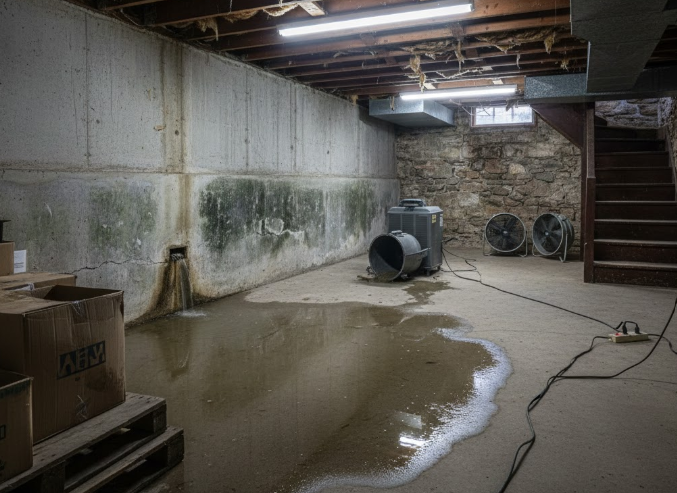
Powerful Ways to Prevent Basement Water Seepage Before Serious Damage Occurs
Table of Contents
Basement water problems rarely begin with a dramatic flood. In most homes, the issue starts subtly with damp walls, dark stains near the floor, or a persistent musty odor that never quite goes away. Over time, these small warning signs point to a much larger concern: water seepage. If left unaddressed, water seepage can weaken foundations, damage belongings, encourage mold growth, and significantly reduce property value.
Homeowners in the Pacific Northwest face an increased risk due to heavy rainfall, saturated soils, and aging construction. Learning how to prevent basement water seepage is not just about comfort. It is about protecting your home, your health, and your financial investment. Prevention always begins with understanding why seepage happens and how professionals stop it at the source.
This in depth guide explains what causes basement water seepage, why it worsens over time, and the proven strategies used by professionals to keep basements dry. You will also learn when it is time to call in experts like PuroClean of Northeast Tacoma to ensure lasting protection.
What Is Basement Water Seepage
Basement water seepage occurs when moisture slowly enters a basement through foundation walls, floors, joints, or small cracks. Unlike flooding, seepage often happens gradually and may go unnoticed for months or even years.
Water seepage typically appears as damp spots, efflorescence on concrete, peeling paint, or water lines near the base of walls. Over time, persistent seepage can weaken structural materials and create ideal conditions for mold growth.
Understanding the nature of water seepage is critical because it requires a different approach than emergency water removal. Prevention focuses on controlling moisture pathways before they become major failures.
Why Water Seepage Is a Serious Problem
Water seepage is often underestimated because it does not always cause immediate damage. However, its long term impact can be severe.
According to the Insurance Information Institute, water related damage accounts for nearly one quarter of all property insurance claims in the United States. Many of these claims begin with slow, undetected seepage rather than sudden flooding.
Moisture that consistently enters a basement increases humidity levels throughout the home. This can affect indoor air quality, trigger respiratory issues, and lead to costly mold remediation. Structural materials exposed to moisture over time may crack, shift, or deteriorate.
Preventing water seepage early is far more cost effective than repairing long term damage.
Common Causes of Basement Water Seepage
To prevent basement water seepage effectively, it is essential to understand where the water is coming from.
Hydrostatic Pressure
Hydrostatic pressure occurs when groundwater builds up in the soil surrounding a foundation. During heavy rain or snowmelt, this pressure pushes water against foundation walls and floors. Over time, water finds its way through even the smallest openings.
Foundation Cracks
Concrete foundations naturally develop small cracks as they settle and age. These cracks may seem harmless, but they are one of the most common entry points for water seepage.
Poor Exterior Drainage
Improper grading, clogged gutters, and downspouts that release water too close to the foundation significantly increase seepage risk. Water that pools near the home has more opportunity to penetrate the basement.
Window Wells and Basement Openings
Basement windows, window wells, and utility penetrations are vulnerable areas. If drainage systems fail or seals deteriorate, water seepage often follows.
Porous Building Materials
Concrete and masonry are not fully waterproof. Without proper barriers or coatings, they can absorb and transmit moisture into basement spaces.
Early Warning Signs You Should Not Ignore
Recognizing early signs of water seepage allows homeowners to take action before damage escalates.
These signs include musty odors, visible white powder residue on walls, damp carpet or flooring, peeling paint, and condensation on basement windows. Rust on metal surfaces and warped wood are also indicators of ongoing moisture exposure.
If any of these signs appear, it is important to investigate further rather than relying on temporary fixes.
How Professional Inspections Help Prevent Water Seepage
A professional inspection is one of the most effective ways to prevent basement water seepage. Inspections identify both active seepage and conditions that could lead to future problems.
Professionals evaluate foundation integrity, moisture levels, drainage systems, and exterior grading. They use specialized tools to detect hidden moisture that may not yet be visible.
An inspection provides a clear understanding of why seepage is occurring and what solutions will be most effective.
Exterior Strategies to Prevent Basement Water Seepage
Preventing water seepage often starts outside the home.
Improve Grading Around the Foundation
Soil should slope away from the foundation to direct water outward. Even a slight slope toward the home can dramatically increase seepage risk.
Maintain Gutters and Downspouts
Gutters should be cleaned regularly and downspouts should extend several feet away from the foundation. This prevents roof runoff from saturating the soil near basement walls.
Install Exterior Drainage Systems
French drains and footing drains help redirect groundwater away from the foundation. These systems are especially important in areas with heavy rainfall or high water tables.
Seal Exterior Foundation Walls
Applying waterproof coatings or membranes to exterior foundation walls creates a barrier that reduces water penetration.
Interior Solutions That Reduce Water Seepage
Interior measures are often used alongside exterior improvements to control water seepage.
Interior Drainage Channels
Interior drainage systems collect water that enters the basement and direct it toward a sump pump for removal. These systems relieve pressure on foundation walls.
Sump Pump Installation and Maintenance
A properly sized and maintained sump pump is essential for managing groundwater. Backup systems provide protection during power outages.
Crack Repair and Sealing
Foundation cracks can be sealed using professional grade materials that expand and flex with the structure. This prevents water seepage without compromising structural integrity.
Dehumidification and Ventilation
Reducing indoor humidity helps limit condensation and secondary moisture issues. While dehumidifiers do not stop seepage, they support a comprehensive prevention strategy.
The Connection Between Water Seepage and Mold Growth
Water seepage creates the damp environment mold needs to thrive. According to the Environmental Protection Agency, mold can begin growing within 24 to 48 hours of moisture exposure.
Basements affected by seepage are particularly vulnerable because of limited airflow and cooler temperatures. Preventing seepage significantly reduces the risk of mold contamination and the health concerns that come with it.
Why DIY Solutions Often Fall Short
Many homeowners attempt to prevent basement water seepage using sealants, waterproof paint, or store bought products. While these may temporarily improve appearance, they rarely address the underlying causes.
Without controlling hydrostatic pressure or improving drainage, water will continue to find new pathways. In some cases, improper DIY solutions can trap moisture inside walls, making problems worse.
Professional assessment ensures that solutions are appropriate, durable, and effective.
Long Term Benefits of Preventing Basement Water Seepage
Preventing water seepage provides long term benefits that extend beyond a dry basement.
Homes with effective moisture control experience improved indoor air quality, lower maintenance costs, and increased resale value. According to real estate professionals, documented moisture prevention measures can make a property more attractive to buyers.
Prevention also reduces the likelihood of emergency repairs and insurance claims.
When to Call a Professional
If water seepage is persistent, worsening, or accompanied by mold growth, professional help is essential. Homes with recurring dampness, foundation cracks, or a history of water damage should be evaluated by experienced specialists.
Professionals provide not only solutions but also peace of mind by ensuring that problems are resolved correctly the first time.

Why Choose PuroClean of Northeast Tacoma
PuroClean of Northeast Tacoma understands the regional factors that contribute to basement water seepage. Our team combines local experience with professional training to deliver reliable, long term solutions.
We begin every project with a thorough inspection to identify the root causes of water seepage. From there, we develop targeted strategies designed to protect your home and prevent future damage.
Our approach is transparent, practical, and focused on results you can trust.
Creating a Prevention Plan That Lasts
Preventing basement water seepage is not a one time effort. It requires ongoing awareness, maintenance, and periodic evaluation.
Regular inspections, prompt repair of drainage issues, and attention to changes in moisture conditions help ensure lasting protection. A proactive plan is always more effective and affordable than reactive repairs.
Basement water seepage is a warning sign that should never be ignored. While it may start small, its long term impact can be costly and disruptive. The good news is that with the right strategies and professional support, water seepage can be prevented.
Understanding the causes, recognizing early signs, and investing in proper prevention measures protect your home and your health. A dry basement is not just a convenience. It is a critical part of a safe and resilient property.
Do not wait for basement water seepage to turn into serious damage. Contact PuroClean of Northeast Tacoma today for professional inspection and moisture control solutions you can trust. Our experienced team is ready to help protect your home. Call (206) 929-0155 now to schedule your consultation.


 PuroClean of Northeast Tacoma