 PuroClean of Northeast Tacoma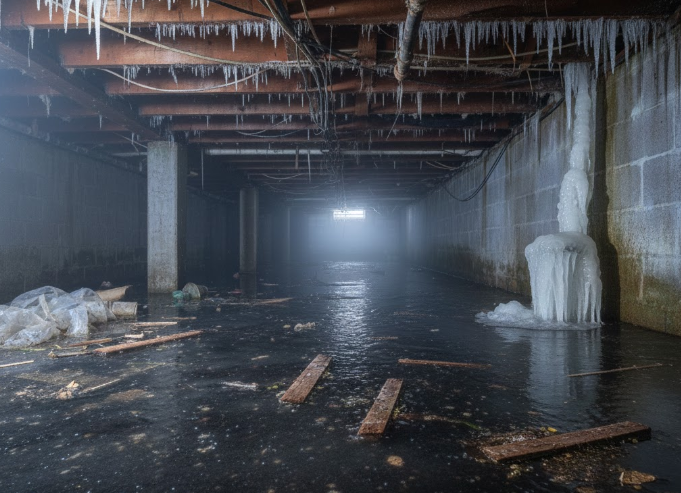
Costly Winter Causes of Sewage Backups in Tacoma, WA
Table of Contents
Winter brings freezing temperatures, heavy rainfall, snowmelt, and increased strain on plumbing systems. While many homeowners prepare for burst pipes or heating failures, one of the most damaging and overlooked cold weather problems is sewage backups in winter.
When sewage flows backward into a home, it creates serious health hazards, extensive property damage, and costly cleanup needs. Unlike a simple clogged drain, a sewage backup involves contaminated water that can destroy flooring, drywall, insulation, and personal belongings while exposing occupants to bacteria and pathogens.
Understanding the causes of sewage backups in winter is essential for prevention. Cold weather creates unique conditions that stress sewer lines, municipal systems, and private plumbing in ways that do not occur during warmer months. Frozen ground, excess water, and aging infrastructure combine to create the perfect environment for sewage backups in winter.
This in depth guide explains the most common winter related causes of sewage backups, warning signs to watch for, and practical steps homeowners can take to reduce risk. If sewage does back up into your home, knowing when to call a professional restoration company can make the difference between a manageable cleanup and a long term disaster.
What Are Sewage Backups in Winter?
Sewage backups in winter occur when wastewater cannot flow properly through sewer lines due to blockages, freezing conditions, or system overload. Instead of draining away from the home, sewage reverses direction and enters basements, crawl spaces, bathrooms, and floor drains.
Winter conditions increase the likelihood of backups because cold temperatures affect both private sewer laterals and public sewer systems. Frozen soil restricts movement, pipes contract, and increased water from melting snow places additional pressure on drainage systems.
According to the Insurance Information Institute, water damage including sewer backups accounts for nearly 24 percent of all homeowner insurance losses each year, with winter months showing a higher frequency due to cold weather plumbing failures.
Call Us for Sewage Backup Cleanup
If you are dealing with sewage backups in winter or want to protect your home before the next storm hits, contact PuroClean of Northeast Tacoma today. Our trained professionals specialize in sewage cleanup, water damage restoration, and winter emergency response. Call (206) 929-0155 now for fast, reliable service and expert help when you need it most.
Why Sewage Backups Are More Common in Winter
Sewage backups can happen any time of year, but winter introduces several risk factors that make them far more likely.
Frozen Ground Restricts Drainage
When soil freezes, it becomes hard and compacted. This prevents proper absorption of water into the ground. As snow melts or heavy rain falls, water has fewer places to go, increasing pressure inside sewer systems.
Increased Water Volume
Snowmelt and winter storms introduce large volumes of water into municipal sewer systems. In older neighborhoods, stormwater and sewage often share the same lines, which can overwhelm capacity.
Cold Weather Pipe Damage
Pipes expand and contract as temperatures fluctuate. Over time, this weakens joints and creates cracks that allow debris, roots, and ice to enter the system.
Primary Causes of Sewage Backups in Winter
Frozen Sewer Lines
One of the most direct causes of sewage backups in winter is frozen sewer pipes. When wastewater slows or stops moving due to freezing temperatures, ice can form inside the line. As ice builds, it blocks the flow of sewage entirely.
Frozen sewer lines often occur when:
- Pipes are shallow or poorly insulated
- Prolonged subfreezing temperatures persist
- Snow cover is inconsistent, allowing frost to penetrate deeper into the soil
Once frozen, sewage has nowhere to go and will eventually back up into the lowest drains in the home.
Tree Root Intrusion Made Worse by Winter
Tree roots seek moisture year round, but winter conditions can make root intrusion more problematic. As soil freezes and thaws, small cracks in sewer pipes widen. Roots take advantage of these openings and grow inside the pipe, trapping waste and debris.
When combined with winter grease buildup and reduced water flow, root intrusion becomes a major contributor to sewage backups in winter.
Grease and Fat Solidification
During winter, grease, fats, and oils cool faster inside sewer lines. Instead of flowing through the system, they solidify and stick to pipe walls. Over time, these materials accumulate and create severe blockages.
Holiday cooking increases grease disposal, which is why sewage backups in winter often spike between November and February.
Snowmelt and Heavy Winter Rain
Rapid snowmelt combined with winter rain can overwhelm sewer systems. This is especially common in areas with combined sewer systems that handle both stormwater and wastewater.
When the system reaches capacity, sewage seeks the path of least resistance. Unfortunately, that path may be through residential drains.
Collapsed or Aging Sewer Pipes
Cold weather accelerates the failure of older sewer lines made from clay, cast iron, or Orangeburg piping. Freezing temperatures cause these materials to become brittle, increasing the likelihood of cracks or collapse.
A collapsed pipe creates an immediate obstruction that leads to sewage backups in winter, often without warning.
Municipal Sewer System Overload
Not all sewage backups originate on private property. Municipal sewer mains can become overloaded or blocked due to ice, debris, or infrastructure failure. When this happens, wastewater backs up into homes connected to the system.
According to the American Society of Civil Engineers, many sewer systems in the United States are more than 50 years old, making winter failures increasingly common.
Improper Sump Pump Discharge
In winter, sump pump discharge lines can freeze or become blocked with ice. When water cannot exit the system, it may flow back toward the foundation and into sewer lines, increasing the risk of sewage backups in winter.
Warning Signs of Sewage Backups in Winter
Recognizing early warning signs can prevent extensive damage.
Common indicators include:
- Slow draining sinks, tubs, or toilets
- Gurgling sounds from drains
- Sewage odors inside the home
- Water backing up in floor drains
- Multiple drains clogging at the same time
If these signs appear during winter, the risk of a full sewage backup is high and immediate action is necessary.
Health Risks Associated With Sewage Backups
Sewage backups in winter are not just inconvenient. They pose serious health risks.
Raw sewage contains:
- Bacteria such as E. coli and Salmonella
- Viruses
- Parasites
- Toxic gases
Exposure can cause respiratory issues, skin infections, gastrointestinal illness, and long term health complications. Winter conditions often force homes to remain closed, increasing indoor air contamination.
How to Prevent Sewage Backups in Winter
Insulate and Protect Sewer Lines
Insulating exposed pipes and ensuring adequate burial depth helps prevent freezing. In extreme climates, heat tape may be recommended for vulnerable sections.
Avoid Pouring Grease Down Drains
Dispose of cooking grease in sealed containers instead of sinks. This simple habit significantly reduces winter blockages.
Schedule Sewer Line Inspections
A professional camera inspection before winter can identify cracks, root intrusion, and weak points that may fail during cold weather.
Install a Backwater Valve
Backwater valves prevent sewage from flowing back into the home when municipal systems are overloaded. They are one of the most effective defenses against sewage backups in winter.
Maintain Sump Pump Systems
Ensure discharge lines are insulated and clear of ice. Regular testing before winter storms is essential.
What to Do If Sewage Backs Up in Winter
If sewage enters your home, take immediate steps:
- Avoid contact with contaminated water
- Stop using plumbing fixtures
- Turn off electricity to affected areas if safe
- Ventilate the space if possible
- Call a professional sewage cleanup and restoration company
DIY cleanup is not recommended due to health risks and the need for specialized disinfecting equipment.
Professional Cleanup and Restoration Matters
Sewage backups in winter require more than water removal. Proper restoration includes:
- Extraction of contaminated water
- Removal of damaged materials
- Industrial drying and dehumidification
- Disinfection and odor removal
- Structural repairs if needed
Professional restoration ensures the home is safe, compliant, and fully restored.
Do Not Ignore the Winter Sewage Backup Risk
Sewage backups in winter are a serious and costly threat driven by freezing temperatures, excess water, aging infrastructure, and everyday household habits. Understanding the causes and taking preventative measures can significantly reduce the risk, but even well maintained systems can fail during harsh winter conditions.
When sewage backs up, fast professional response protects your health, your property, and your peace of mind. Ignoring the problem or delaying cleanup can lead to long term damage and expensive repairs.
Call Us for Sewage Backup Cleanup
If you are dealing with sewage backups in winter or want to protect your home before the next storm hits, contact PuroClean of Northeast Tacoma today. Our trained professionals specialize in sewage cleanup, water damage restoration, and winter emergency response. Call (206) 929-0155 now for fast, reliable service and expert help when you need it most.


 PuroClean of Northeast Tacoma