


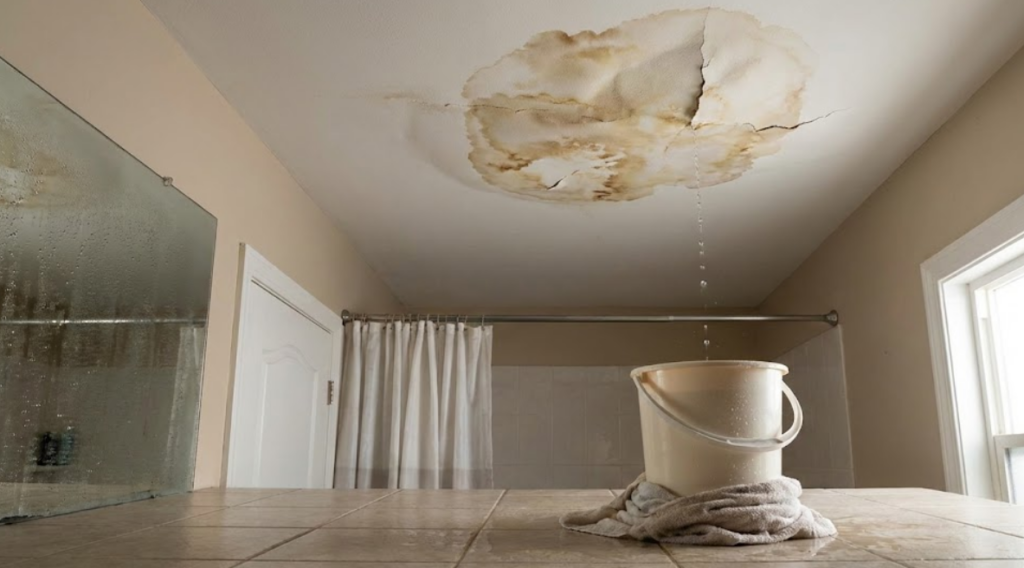
The Comprehensive Guide to Fixing Dangerous Ceiling Water Damage in Your Bathroom
Table of Contents
The sight of a brown or yellow stain forming above your shower is more than just a cosmetic nuisance. It is a warning sign of a potentially destructive problem. Bathroom ceiling water damage is one of the most common issues homeowners face, yet it remains one of the most misunderstood.
If left unaddressed, a minor leak can evolve into a structural failure or a toxic mold infestation. Understanding how to identify, assess, and resolve ceiling water damage is critical for maintaining the safety and value of your property.
Understanding the Common Causes of Bathroom Ceiling Water Damage
Before you can fix the problem, you must understand where the moisture originates. Bathrooms are high-humidity environments, making them particularly susceptible to water intrusion.
Plumbing Leaks from Upper Floors
If your bathroom is located beneath another bathroom or a laundry room, the most likely culprit for ceiling water damage is a plumbing failure. This could be a leaking drain pipe, a failing wax ring under a toilet, or a loose supply line. Because these pipes are hidden behind the drywall, the damage often remains invisible until a significant amount of water has saturated the ceiling material.
Poor Ventilation and Condensation
Not all ceiling water damage comes from a pipe. In many cases, the damage is the result of persistent condensation. When you take a hot shower, steam rises to the ceiling. If your bathroom exhaust fan is undersized, clogged, or non-existent, that moisture sits on the surface of the ceiling. Over time, this humidity seeps into the paint and drywall, causing bubbling, peeling, and the growth of surface mold.
Roofing Failures
If your bathroom is on the top floor of your home, the ceiling water damage might not be a plumbing issue at all. A missing shingle, damaged flashing, or a clogged gutter can allow rainwater to enter the attic and pool on top of the bathroom ceiling. This type of damage often worsens during heavy storms and may appear in different spots depending on the path the water takes through the rafters.
Signs You Have Significant Ceiling Water Damage
Recognizing the early warning signs of water intrusion can save you thousands of dollars in restoration costs.
- Discoloration: The most obvious sign is a tea-colored or yellowish stain. These stains indicate that water has dissolved minerals in the drywall or wood and deposited them on the surface as the water evaporated.
- Sagging Drywall: When drywall becomes saturated, it loses its structural integrity and begins to bow downward. A sagging ceiling is a serious safety hazard and suggests that water is pooling behind the material.
- Peeling or Bubbling Paint: Water trapped between the drywall and the paint layer will cause the paint to lose its bond. If you see paint that looks like it is filled with air or water, you have active ceiling water damage.
- Musty Odors: A damp, earthy smell is a primary indicator of mold growth. Even if you cannot see the mold, the scent suggests that moisture is trapped in the ceiling cavity.
The Risks of Ignoring Ceiling Water Damage
Many homeowners make the mistake of simply painting over a water stain. This is a dangerous approach. Ignoring ceiling water damage leads to several severe consequences.
Structural Integrity Issues
Drywall is essentially made of gypsum pressed between sheets of paper. It is not designed to hold weight when wet. The weight of pooled water, combined with the weakened state of the drywall, can lead to a sudden ceiling collapse. Furthermore, if the water reaches the wooden joists, it can cause wood rot, which compromises the skeleton of your home.
Health Hazards from Mold
Bathrooms provide the perfect temperature and moisture levels for mold to thrive. Mold spores can begin to colonize within 24 to 48 hours of water exposure. Breathing in these spores can lead to respiratory issues, allergic reactions, and long-term health complications. Addressing ceiling water damage immediately is the only way to prevent a widespread mold problem.
Electrical Dangers
Bathrooms often have recessed lighting or exhaust fans built into the ceiling. Water and electricity are a lethal combination. If moisture reaches the electrical housing or wiring, it can cause short circuits, permanent damage to fixtures, or even electrical fires.
Steps for Assessing and Repairing Ceiling Water Damage
If you have discovered evidence of moisture, follow these steps to manage the situation effectively.
Step 1: Identify and Stop the Source
Repairing the ceiling without fixing the leak is a waste of resources. If the leak is coming from a toilet above, stop using that bathroom until the wax ring or pipe is replaced. If it is a roofing issue, apply a temporary tarp until a professional can perform a permanent repair.
Step 2: Contain the Area
If the ceiling is sagging or dripping, place a bucket underneath the affected area. You may need to perform a controlled release of the water. Using a small drill bit or a screwdriver, puncture a hole in the center of the sag to allow the trapped water to drain into the bucket. This reduces the weight on the drywall and prevents a larger, uncontrolled collapse.
Step 3: Remove Damaged Materials
Once the leak is stopped, the wet drywall must be removed. Any material that has been saturated or shows signs of mold cannot be salvaged. Cut out the damaged section back to the center of the nearest ceiling joists to ensure you have a solid surface for the new drywall.
Step 4: Dry the Interior Cavity
Before installing new materials, the space between the joists must be completely dry. Use high-powered fans and dehumidifiers to pull moisture out of the wood and insulation. This process can take several days. Do not rush this step, as sealing moisture behind new drywall will inevitably lead to mold growth.
Step 5: Professional Restoration
While small patches can be a DIY project, significant ceiling water damage requires professional intervention. Professionals have moisture meters to ensure the hidden areas are dry and the equipment necessary to sanitize the area against bacteria and mold.
Statistics on Water Damage and Home Maintenance
According to industry data, water damage is one of the most common reasons for homeowners insurance claims. Approximately one in 60 insured homes has a property damage claim caused by water damage or freezing each year. Furthermore, the average cost of a water damage insurance claim is over $11,000. These figures highlight the importance of proactive maintenance and immediate response when ceiling water damage is detected.
How to Prevent Future Bathroom Ceiling Water Damage
Prevention is always more cost-effective than restoration. Use these strategies to protect your bathroom.
- Upgrade Your Ventilation: Ensure your exhaust fan is rated for the square footage of your bathroom. Run the fan for at least 20 minutes after every shower.
- Inspect Grout and Caulk: Check the caulking around your bathtub and shower annually. If water seeps behind the tile, it can travel through the floorboards and cause ceiling water damage in the room below.
- Check the Attic: If your bathroom is on the top floor, periodically inspect the attic for signs of roof leaks or condensation on the underside of the roof deck.
- Monitor Water Bills: An unexplained increase in your water bill can indicate a pinhole leak in a pipe hidden within the walls or ceilings.
Choosing the Right Restoration Professional
When dealing with ceiling water damage, you need a team that understands the complexities of moisture migration. A professional restoration company will not just replace the drywall; they will ensure the environment is safe, dry, and free of biological hazards. They utilize thermal imaging cameras to find hidden pockets of water that the naked eye cannot see, ensuring that the repair is permanent and thorough.
Ceiling water damage is a stressful experience, but it is manageable with the right expertise. By acting quickly, you protect your family’s health and ensure that your home remains a safe, beautiful place to live. Do not wait for the stain to grow or the ceiling to sag further. Addressing the issue today is the best way to prevent a catastrophe tomorrow.
Conclusion
Bathroom ceiling water damage is a silent threat that requires immediate attention. From identifying the source of the leak to ensuring the area is professionally dried and sanitized, every step is vital to the longevity of your home. Whether the cause is a faulty pipe, poor ventilation, or a roofing failure, the goal remains the same: restore the safety and integrity of your living space.
If you are currently facing the stress of ceiling water damage, you do not have to handle it alone. Expert help is available to ensure the job is done right the first time, preventing future mold and structural issues.
Restore Your Home Today
Do not let ceiling water damage compromise your safety or your property value. If you suspect a leak or see signs of moisture in your bathroom, contact the experts at PuroClean of Northeast Tacoma.
Our team provides professional, efficient, and thorough restoration services to get your home back to its best condition. Call us now at (206) 929-0155 to fix bathroom ceiling water damage in Tacoma and start the restoration process today.