


Table of Contents
Urgent and Powerful Ways to Clean Soot From Fire Damage Quickly
When a fire occurs, even a small one, the aftermath can feel overwhelming. Long after the flames are extinguished, soot continues to damage surfaces, spread odors, and pose health risks. Acting fast is critical. The longer soot remains, the harder it becomes to remove and the more permanent the damage can be.
Knowing how to clean soot from fire damage quickly can make a significant difference in restoration costs, indoor air quality, and the overall recovery of your home or business. This guide explains what soot is, why speed matters, what steps actually work, and when professional help is the safest option.
What Is Soot and Why It Is So Dangerous
Soot is a fine black residue created when materials burn incompletely. During a fire, plastics, wood, fabrics, and synthetic materials release carbon-based particles that cling to surfaces and spread through the air.
Soot particles are microscopic and oily. This allows them to penetrate porous materials such as drywall, carpeting, upholstery, insulation, and clothing. Once embedded, soot becomes far more difficult to remove.
According to the Environmental Protection Agency, soot exposure can aggravate respiratory conditions, increase the risk of heart disease, and cause eye and skin irritation. Children, older adults, and individuals with asthma or compromised immune systems are especially vulnerable.
Why You Must Clean Soot Quickly After a Fire
Time is one of the most critical factors in fire damage recovery. Soot continues to cause damage long after the fire is out.
Permanent Staining and Corrosion
Within hours, soot can permanently discolor walls, ceilings, countertops, and fixtures. Acidic residues begin corroding metal surfaces, appliances, and electronics almost immediately.
Odor Absorption
Smoke odors penetrate deep into building materials. The longer soot sits, the more intense and persistent these odors become.
Increased Restoration Costs
Delays often lead to material replacement instead of cleaning. What could have been restored may need to be removed and rebuilt.
Cleaning soot quickly is not just about appearance. It is about protecting your property, your health, and your budget.
Types of Soot and How They Affect Cleanup
Not all soot is the same. The source of the fire influences how soot behaves and how difficult it is to clean soot effectively.
Dry Soot
Dry soot comes from fast burning fires fueled by paper or wood. It is powdery and easier to remove if addressed promptly.
Oily or Sticky Soot
Fires involving plastics, rubber, or synthetic materials produce thick, greasy soot. This type spreads easily and is far more challenging to remove.
Protein Residue
Kitchen fires often leave behind protein soot that appears nearly invisible but creates strong odors and yellow discoloration over time.
Understanding the type of soot present is essential to choosing the right cleaning method.
Immediate Steps to Take Before You Clean Soot
Before attempting to clean soot, there are important safety steps to follow.
- Ensure the property is structurally safe
- Turn off HVAC systems to prevent soot circulation
- Wear protective gear including gloves and masks
- Avoid touching surfaces unnecessarily
Never use standard household vacuums or wet cleaning methods without proper guidance. These mistakes can spread soot and make the damage worse.
How to Clean Soot From Fire Damage Quickly and Safely
Step 1 Contain the Affected Area
Close doors and isolate damaged areas if possible. Use plastic sheeting to prevent soot from spreading to clean parts of the building.
Step 2 Use Dry Cleaning Methods First
Dry cleaning is the safest first step when trying to clean soot quickly.
- Use HEPA filtered vacuums specifically designed for soot removal
- Use dry chemical sponges to lift soot from walls and ceilings
Never scrub or use water initially. Moisture can cause soot to smear and penetrate deeper into surfaces.
Step 3 Clean Hard Surfaces Carefully
Once loose soot is removed, hard surfaces such as tile, metal, and sealed countertops can be cleaned using specialized cleaners designed for fire residue.
Avoid acidic or abrasive cleaners unless recommended by professionals.
Step 4 Address Fabrics and Soft Goods
Clothing, curtains, bedding, and upholstery absorb soot rapidly.
- Laundering without pretreatment often sets stains
- Incorrect cleaning can lock in smoke odors
Professional content cleaning is usually required to properly clean soot from fabrics.
If your home or business has experienced fire or smoke damage, do not wait. Contact PuroClean of Northeast Tacoma today at (206) 929-0155 for fast, professional soot cleanup and fire damage restoration you can trust.
Why DIY Soot Cleanup Often Fails
Many homeowners attempt to clean soot on their own to save money. Unfortunately, this often leads to more damage.
Household Vacuums Spread Contamination
Standard vacuums lack proper filtration and blow soot particles back into the air.
Water Makes Soot Worse
Water activates oily residues, causing stains to spread and soak deeper into materials.
Odors Are Rarely Eliminated
Even if surfaces look clean, smoke odors often remain trapped behind walls, in insulation, or within HVAC systems.
DIY methods may appear to work initially, but lingering damage and odors frequently resurface weeks or months later.
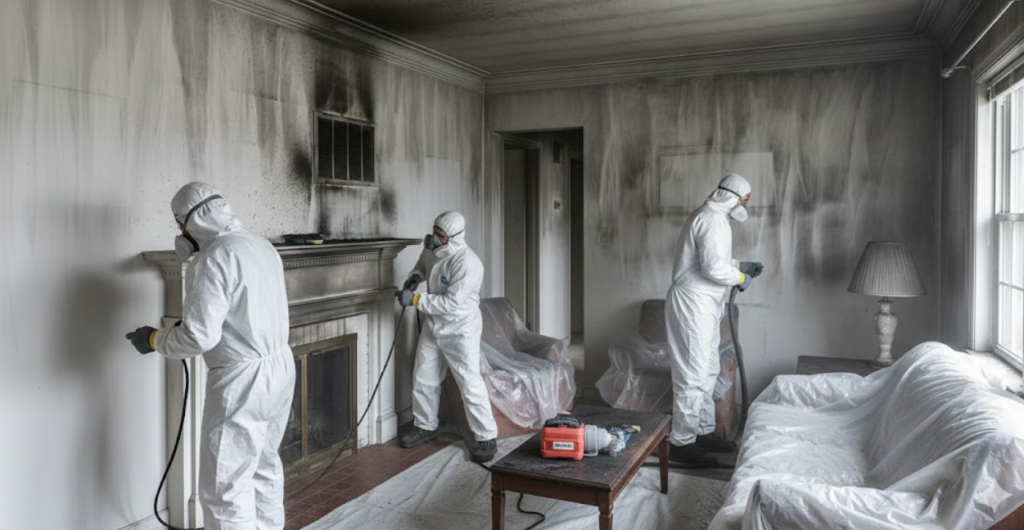
Professional Techniques Used to Clean Soot Effectively
Professional restoration companies use advanced methods to clean soot quickly and thoroughly.
HEPA Air Filtration
High efficiency air scrubbers remove airborne soot particles and improve indoor air quality during cleanup.
Specialized Surface Cleaning
Professionals match cleaning agents and techniques to each material type, preventing damage while removing residue.
HVAC System Cleaning
Soot inside ductwork can recontaminate the home if not properly cleaned.
Advanced Odor Removal
Professional deodorization methods include:
- Thermal fogging
- Hydroxyl generators
- Ozone treatment when appropriate
These techniques neutralize odors at the molecular level rather than masking them.
How Long Does It Take to Clean Soot After a Fire
The timeline varies based on fire severity, building size, and soot type.
- Minor soot damage may take several days
- Moderate fire damage often requires one to two weeks
- Severe damage involving structural materials can take longer
Acting quickly reduces cleanup time and improves restoration outcomes.
Does Insurance Cover Soot Cleanup
Most homeowners insurance policies cover soot and smoke damage caused by sudden fire events.
Coverage often includes:
- Soot and smoke cleanup
- Odor removal
- Content cleaning
- Repairs to damaged materials
Documentation is critical. Taking photos and contacting a professional restoration company early can streamline the claims process.
Health Risks of Delayed Soot Cleanup
Failing to clean soot promptly can create ongoing health hazards.
- Chronic respiratory irritation
- Increased allergy symptoms
- Persistent headaches and nausea
- Poor indoor air quality
Children and pets are particularly vulnerable because soot particles settle low to the ground and on frequently touched surfaces.
Preventing Future Soot Damage
While not all fires are preventable, certain steps can reduce risk.
- Maintain smoke detectors and fire extinguishers
- Schedule regular appliance inspections
- Clean chimneys and fireplaces annually
- Avoid overloading electrical outlets
Preparedness reduces damage and speeds recovery if a fire occurs.
When to Call a Professional to Clean Soot
You should contact a professional restoration company if:
- Soot covers walls or ceilings
- Smoke odors persist after basic cleaning
- HVAC systems are affected
- Electronics or valuable items are contaminated
Professional intervention ensures soot is removed safely and completely.
Why Choose PuroClean of Northeast Tacoma
PuroClean of Northeast Tacoma specializes in fire damage restoration and understands how to clean soot quickly without causing further damage. Their trained technicians use industry-approved methods, advanced equipment, and proven deodorization techniques to restore properties safely.
They also assist with insurance documentation and claims, reducing stress during an already difficult time.
Soot damage spreads fast and becomes more destructive with every passing hour. Knowing how to clean soot properly and quickly can protect your home, your health, and your finances. While minor residue may seem manageable, most fire damage requires professional care to fully remove soot and eliminate odors.
If your home or business has experienced fire or smoke damage, do not wait. Contact PuroClean of Northeast Tacoma today at (206) 929-0155 for fast, professional soot cleanup and fire damage restoration you can trust. Their experienced team is ready to help you recover quickly and safely.