 PuroClean of Northeast Tacoma
Table of Contents
Effective Commercial Mold Remediation Services for Businesses
Mold is more than a nuisance inside commercial properties. It is a silent and persistent threat that can damage structures, harm indoor air quality, impact employee health, and disrupt business operations. For property managers, building owners, facility directors, and business operators, the stakes are high.
When mold grows inside a commercial environment, it can spread rapidly, compromise safety, and lead to expensive repairs if not handled immediately. This is why professional commercial mold remediation is not simply a maintenance task but a critical business priority.
Whether you manage an office complex, multi family building, warehouse, retail store, industrial facility, government structure, or healthcare space, mold removal requires skill, precision, and industry compliant techniques.
This guide breaks down everything you need to know about commercial mold remediation, how it works, why businesses need it, signs of mold inside commercial buildings, and the steps professionals take to keep properties safe and compliant.
By the end of this guide, you will understand how to protect your property, safeguard employees and customers, and prevent mold from returning. You will also learn when it is time to call certified experts for commercial mold remediation and why timely action matters.
Understanding the Risks of Mold in Commercial Properties
Commercial buildings create unique conditions that make mold growth possible and sometimes even inevitable. High foot traffic, aging infrastructure, complex HVAC systems, and moisture producing equipment increase the risk of mold inside large structures. When moisture enters the building envelope, mold spores can take hold in as little as 24 to 48 hours.
Health Risks of Mold Exposure in Commercial Environments
According to the EPA, indoor mold exposure can trigger respiratory issues, throat irritation, coughing, nasal congestion, and skin reactions. Employees or customers with allergies, asthma, or weakened immune systems are even more vulnerable. Long term mold exposure inside a commercial building is especially concerning for healthcare facilities, child care centers, and hospitality properties where occupants stay for extended periods.
Financial and Operational Risks
Mold inside a commercial property can lead to:
- Structural deterioration of walls, flooring, and HVAC systems
- Decline in indoor air quality
- Employee absenteeism
- Lost productivity
- Liability risks
- Potential code violations
- Business interruptions
A study by the National Institute for Occupational Safety and Health found that mold related indoor air issues cost U.S. businesses billions each year due to lost productivity and remediation costs.
Commercial mold remediation reduces these risks by restoring a safe indoor environment and preventing further property damage.
Common Causes of Mold in Commercial Buildings
To understand why commercial mold remediation is necessary, it helps to know where mold originates. In commercial buildings, moisture is the root cause. Some of the most common moisture sources include:
Plumbing Leaks
Hidden leaks behind walls or above ceilings are major contributors to mold. Over time, even a minor drip can saturate building materials and create ideal conditions for mold growth.
Roof Damage or Poor Drainage
Commercial roofs are large and often flat, which means water can pool and slowly seep into the structure. Poor drainage or clogged gutters can worsen the issue.
HVAC Problems
Complex HVAC systems spread conditioned air, but they can also circulate mold spores if not maintained. Condensation buildup in ducts or malfunctioning humidity controls increases mold risk.
Flooding and Storm Damage
Commercial properties are vulnerable to storm related water intrusion, especially in the Pacific Northwest. Without immediate water extraction, mold can grow quickly.
High Humidity
Humidity levels above 60 percent can support mold growth. Some commercial environments such as industrial kitchens, gyms, or manufacturing spaces naturally produce more moisture.
Poor Ventilation
Areas such as basements, storage rooms, and mechanical spaces may suffer from low airflow. Without ventilation, moisture lingers and mold can spread.
Understanding these sources helps building managers make informed decisions about commercial mold remediation and mold prevention strategies.
Signs Your Commercial Property Needs Mold Remediation
Mold is not always visible. Many commercial properties have hidden mold problems that remain unnoticed until odors or health complaints arise. Here are common signs that indicate the need for commercial mold remediation:
1. Persistent Musty Odors
A damp or earthy smell is one of the earliest signs of mold, even when growth is not visible.
2. Visible Mold Growth
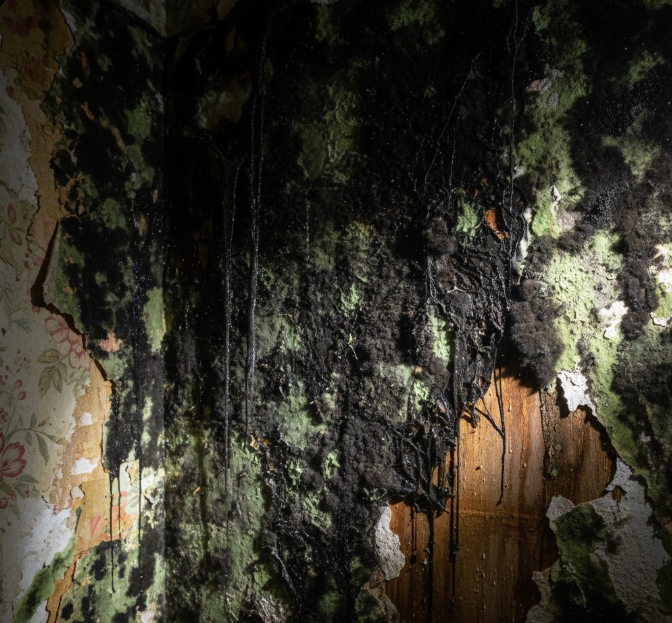
Mold may appear as black, green, brown, yellow, or white patches. It can show up on walls, ceilings, flooring, insulation, and HVAC components.
3. Water Stains or Discoloration
Past leaks often leave behind stains. These areas are common locations for hidden mold.
4. Unexplained Health Symptoms
If employees frequently report coughing, sneezing, headaches, or respiratory irritation, indoor mold may be the cause.
5. Peeling Paint or Warping Materials
Moisture buildup behind surfaces often causes structural changes, an early warning of mold.
6. High Humidity Levels
Moisture monitoring tools can detect humidity issues long before mold becomes visible.
If any of these signs are present, professional commercial mold remediation is essential to eliminate mold safely and prevent further damage.
Why Professional Commercial Mold Remediation Matters
Many business owners assume mold can be removed with general cleaning solutions. However, mold inside a commercial structure is far more complex. Attempting to treat mold without proper containment and equipment can cause spores to spread throughout the property.
Professional commercial mold remediation offers several key advantages:
Compliance With Industry Standards
Certified remediation companies follow strict standards established by the IICRC (Institute of Inspection Cleaning and Restoration Certification). These standards ensure safe removal, containment, and prevention of mold.
Minimized Business Disruptions
Professionals plan remediation around business operations to reduce downtime. Many projects take place after hours or in phases to avoid interruptions.
Advanced Containment and Filtration
Commercial mold remediation involves constructing containment barriers, using negative air pressure, and deploying HEPA filtration devices that prevent mold from spreading.
Expert Identification of Moisture Sources
Without fixing the underlying moisture problem, mold will return. Experts use moisture meters, infrared cameras, and inspection tools to locate the root cause.
Safe Handling of Contaminated Materials
Mold contaminated building materials must be removed, cleaned, or replaced following proper disposal protocols.
Long-Term Prevention Strategies
After removal, commercial mold remediation teams recommend strategies to keep mold from returning, such as humidity control, ventilation improvements, and maintenance planning.
The Commercial Mold Remediation Process Explained
Every commercial mold remediation project is different, but certified professionals follow a structured process to ensure safe and effective removal. Here is what business owners and property managers can expect.
1. Inspection and Assessment
Professionals begin with a detailed inspection. This includes identifying visible mold, taking moisture readings, inspecting HVAC systems, and locating concealed problem areas.
2. Containment Setup
Containment is one of the most important steps in commercial mold remediation. Technicians seal off the affected areas using plastic sheeting and specialized tape. Negative air machines create pressure that prevents spores from migrating to other areas.
3. Air Filtration
HEPA air scrubbers filter spores from the air, improving indoor air quality and reducing airborne contamination.
4. Removal of Mold Contaminated Materials
Porous materials such as drywall, insulation, and carpeting that contain mold must be removed. Non porous materials are cleaned using antimicrobial solutions and industry approved tools.
5. Cleaning and Disinfection
Technicians thoroughly clean surfaces using HEPA vacuums, antimicrobial treatments, and specialized equipment. This ensures removal of spores and debris.
6. Drying and Dehumidification
Moisture control is essential. High capacity dehumidifiers and air movers dry the space to prevent future growth.
7. Prevention and Restoration
After mold removal, the area undergoes final cleaning and any removed materials are replaced or repaired. Professionals may suggest ongoing monitoring tools, HVAC system cleaning, or upgrades to ventilation systems.
Commercial mold remediation is thorough, detailed, and designed to restore a safe environment while preventing future issues.
Industries That Rely on Commercial Mold Remediation
Some commercial environments are more susceptible to mold due to their layout, moisture levels, or operational demands. These industries typically benefit most from professional commercial mold remediation:
- Healthcare facilities
- Schools and universities
- Multifamily housing
- Office buildings
- Retail stores
- Restaurants and hospitality businesses
- Industrial facilities
- Warehouses and storage centers
- Government and municipal buildings
Each facility type has unique challenges, making certified commercial mold remediation essential
How to Prevent Mold in Commercial Properties
Preventing mold is more cost effective than dealing with an outbreak. Here are strategies businesses can use to keep mold under control:
Routine Moisture Inspections
Regular inspections help detect leaks early.
HVAC Maintenance
Clean ducts, working filters, and correct humidity controls dramatically reduce mold risks.
Humidity Control
Maintaining indoor humidity between 30 and 50 percent prevents mold growth.
Prompt Water Damage Response
Acting within the first 24 to 48 hours after water intrusion can stop mold from forming.
Regular Cleaning and Sanitization
Keeping surfaces clean and dry limits mold spore accumulation.
Improved Ventilation
Airflow is critical in areas like basements, restrooms, and mechanical spaces.
Professional Mold Testing
Periodic mold testing helps verify that indoor air remains safe and compliant.
These prevention steps are best paired with ongoing commercial mold remediation services for long term building health.
Mold in a commercial property is a serious issue that demands immediate action. Whether the cause is humidity, hidden leaks, storm damage, or ventilation problems, mold can disrupt operations and create health risks for employees and customers. Professional commercial mold remediation provides the expertise, equipment, and proven methods needed to eliminate mold safely and prevent it from coming back.
If your business is experiencing mold, noticing musty odors, or dealing with recurring moisture problems, now is the time to partner with certified experts. PuroClean of Northeast Tacoma offers fast, reliable, and industry certified commercial mold remediation that protects your building, restores safety, and gets your operations back on track.
Call PuroClean of Northeast Tacoma today at (206) 929-0155 for immediate assistance and dependable commercial mold remediation in Washington.


 PuroClean of Northeast Tacoma