 PuroClean of Northeast Tacoma
Costly Winter Reasons Crawl Spaces Flood
Table of Contents
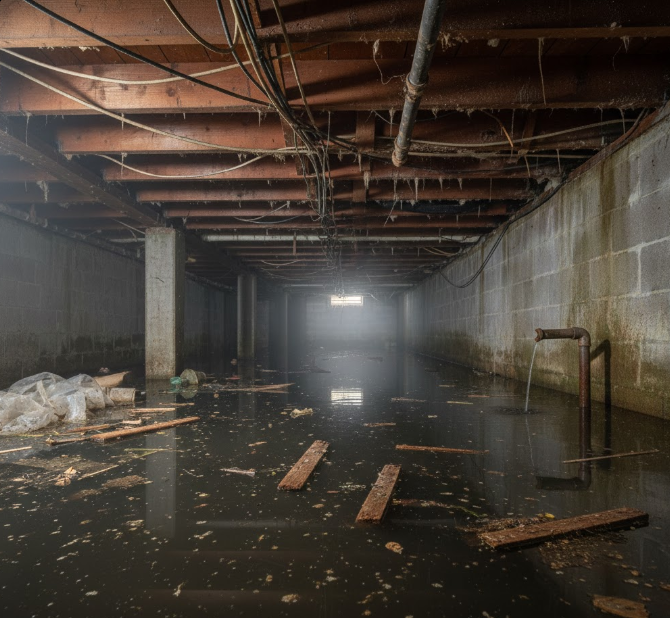
Winter brings heavy rain, colder temperatures, and hidden risks for homeowners, especially beneath the home. Many property owners do not realize why crawl spaces flood during winter until moisture damage becomes severe.
When crawl spaces flood, the results can include mold growth, wood rot, insulation damage, and structural issues that are expensive to repair. Understanding the causes of winter flooding helps homeowners take preventative action before serious damage occurs.
This guide explains why crawl spaces flood in winter, the environmental and structural factors involved, and what homeowners can do to reduce the risk. With the right knowledge and professional support, you can protect your home from one of winter’s most destructive moisture problems.
Why Crawl Spaces Are Vulnerable in Winter
Increased Rainfall and Saturated Soil
One of the most common reasons crawl spaces flood in winter is prolonged rainfall. Winter storms often deliver large volumes of water over short periods. When the soil around a home becomes saturated, it can no longer absorb additional moisture.
Once soil reaches saturation, excess water seeks the lowest point. Crawl spaces are typically below ground level, making them a natural collection point. This is why crawl spaces flood more frequently during winter months than in dry seasons.
Poor Yard Drainage
Improper grading around a home contributes significantly to winter flooding. If the ground slopes toward the foundation instead of away from it, rainwater is directed straight toward the crawl space walls.
When this happens repeatedly throughout winter, hydrostatic pressure builds against the foundation. Over time, water forces its way through small cracks or vents, which is another reason crawl spaces flood even in homes that appear structurally sound.
If you suspect winter moisture issues or want to prevent future damage, now is the time to act. Contact PuroClean of Northeast Tacoma for professional crawl space water removal and restoration services. Call (206) 929-0155 today to schedule an inspection and protect your home before the damage worsens.
How Winter Weather Conditions Contribute to Flooding
Freezing Temperatures and Frozen Ground
Frozen ground plays a major role in winter flooding. When soil freezes, it becomes impermeable. Rainwater and melting snow cannot soak into the ground and instead run across the surface.
This runoff accumulates around foundations and seeps into crawl spaces. As a result, crawl spaces flood even during moderate rain events in winter because the ground cannot absorb moisture effectively.
Snowmelt and Rapid Thaws
In regions that experience snow, sudden warm spells can cause rapid snowmelt. Large amounts of melting snow combined with rain can overwhelm drainage systems.
This surge of water often finds its way into crawl spaces, which explains why crawl spaces flood shortly after winter temperature swings.
Structural Issues That Allow Water Intrusion
Foundation Cracks and Gaps
Small foundation cracks may not seem concerning during dry weather. In winter, these cracks become entry points for water. Repeated freeze-thaw cycles expand cracks, making them worse over time.
Water intrusion through foundation defects is a key reason crawl spaces flood season after season if repairs are not made.
Improper or Missing Vapor Barriers
Vapor barriers are designed to block ground moisture from entering the crawl space. Older homes may lack proper vapor barriers, or the materials may be torn or deteriorated.
Without protection, moisture rises from the soil and accumulates. Over time, crawl spaces flood due to persistent ground moisture combined with external water intrusion.
Plumbing Problems in Cold Weather
Frozen and Burst Pipes
Winter temperatures can cause plumbing lines in crawl spaces to freeze. When frozen pipes thaw, they may crack or burst, releasing large amounts of water.
Plumbing failures are another common reason crawl spaces flood, especially during prolonged cold snaps.
Condensation from HVAC Systems
Heating systems can create condensation when warm air meets cold surfaces. In winter, this moisture may drip into the crawl space, increasing humidity levels.
While condensation alone may not cause flooding, it contributes to conditions where crawl spaces flood more easily when other moisture sources are present.
The Role of Gutters and Downspouts
Clogged or Damaged Gutters
Gutters are essential for directing rainwater away from the home. When gutters are clogged with leaves or ice, water spills over the edge and pools near the foundation.
This overflow significantly increases the likelihood that crawl spaces flood during winter storms.
Short Downspouts
Downspouts that discharge water too close to the home allow moisture to collect near the crawl space walls. Over time, repeated exposure causes soil erosion and water intrusion.
Extending downspouts away from the foundation is a simple step to reduce how often crawl spaces flood in winter.
The Hidden Dangers of Winter Crawl Space Flooding
Mold Growth and Air Quality Issues
Standing water and high humidity create ideal conditions for mold growth. Mold spores can spread from crawl spaces into living areas through the stack effect.
This is why crawl spaces flood can become a serious indoor air quality issue, not just a structural concern.
Wood Rot and Structural Damage
Moisture weakens wooden support beams and subflooring. Prolonged exposure leads to rot, which compromises the structural integrity of the home.
If left unaddressed, crawl spaces flood can result in costly structural repairs.
Pest Infestations
Moist environments attract pests such as rodents and insects. Flooded crawl spaces provide water and shelter, increasing the risk of infestations.
Another reason crawl spaces flood should never be ignored is the secondary damage caused by pests.
Preventative Measures to Reduce Winter Flooding
Improve Exterior Drainage
Ensuring proper grading around your home directs water away from the foundation. Installing French drains or surface drains can further reduce water accumulation.
These improvements significantly reduce how often crawl spaces flood during winter storms.
Seal Foundation Openings
Sealing cracks and gaps in the foundation prevents water intrusion. Professional inspections can identify hidden vulnerabilities before winter begins.
Addressing these issues early reduces the risk that crawl spaces flood year after year.
Install a Sump Pump
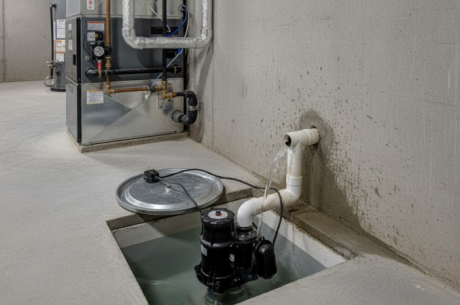
Sump pumps actively remove water that collects beneath the home. Battery backup systems ensure continued operation during power outages.
Homes with sump pumps are far less likely to experience situations where crawl spaces flood during heavy rain.
When to Call a Professional
Signs of Existing Water Damage
Musty odors, visible mold, sagging floors, or standing water indicate an active problem. These signs suggest that crawl spaces flood frequently or remain damp for extended periods.
Professional restoration services can assess the damage and recommend effective solutions.
Benefits of Professional Restoration Services
Experts use specialized equipment to extract water, dry affected areas, and prevent mold growth. They also identify the root causes to prevent future flooding.
Professional intervention is the most reliable way to address recurring issues where crawl spaces flood.
Take Action Before Winter Damage Escalates
Winter creates the perfect conditions for moisture intrusion beneath your home. From heavy rain and frozen ground to plumbing failures and poor drainage, there are many reasons crawl spaces flood during the colder months. Ignoring the problem can lead to mold, structural damage, and unhealthy living conditions.
If you suspect winter moisture issues or want to prevent future damage, now is the time to act. Contact PuroClean of Northeast Tacoma for professional crawl space water removal and restoration services. Call (206) 929-0155 today to schedule an inspection and protect your home before the damage worsens.


 PuroClean of Northeast Tacoma