


The Shocking Truth About Fireplace Smoke Damage and How to Clean It Safely
Table of Contents
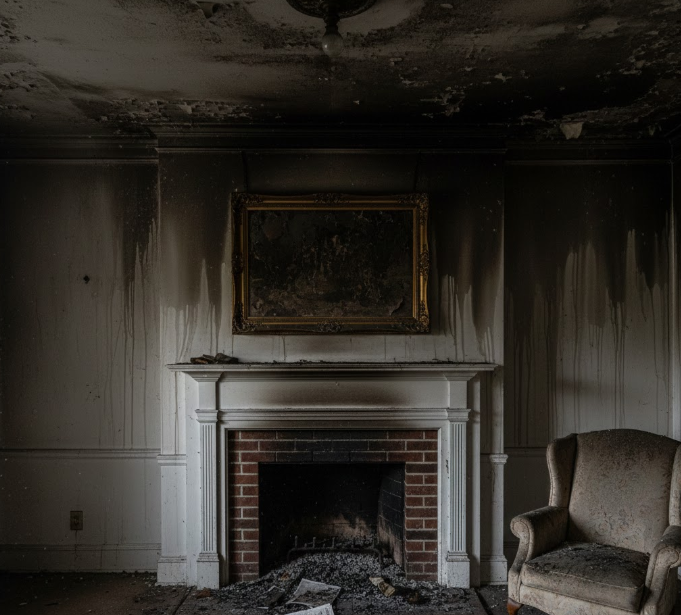
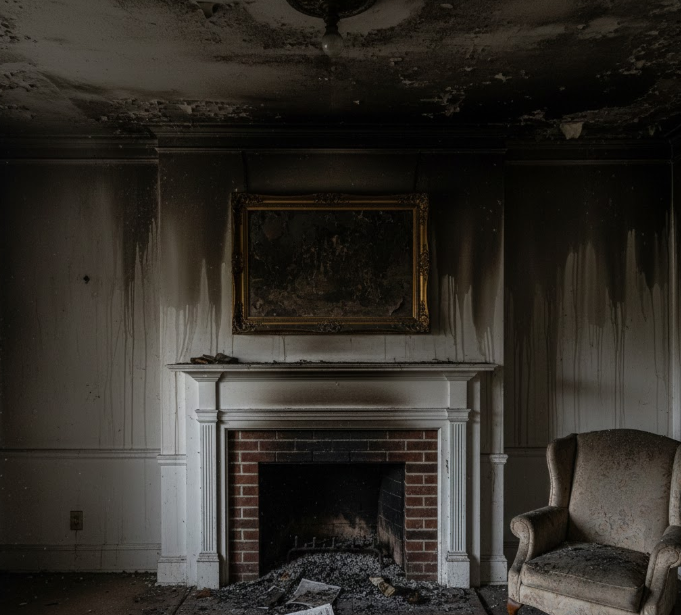
A fireplace can make a home feel warm and inviting, but it can also become a major source of indoor contamination when something goes wrong. When the fireplace causes smoke damage, homeowners often face a mix of frustration, confusion, and urgency. Soot, ash, discoloration, residue, and persistent odors can spread quickly throughout the home.
Whether the issue stemmed from a fireplace malfunction, a blocked chimney, improper ventilation, or a flare up during use, the cleanup process requires careful planning and the right techniques. This guide explains how to clean fireplace smoke damage effectively, when you can handle the job yourself, and when the situation requires professional restoration.
Smoke particles can travel through vents, attach to surfaces, and settle in hidden areas behind walls and inside ceilings. According to the Environmental Protection Agency, fine particulate matter like soot can be harmful when inhaled and can linger long after the source is gone.
This makes proper cleanup essential for your home’s safety and indoor air quality. If you are dealing with smoke damage caused by your fireplace, the step by step strategies below will help you understand what to do first, which cleaning methods are most effective, and how to prevent the issue from happening again.
What Causes Fireplace Smoke Damage?
Fireplace smoke damage is typically the result of a problem affecting airflow, fuel, or ventilation. When smoke is unable to escape through the chimney as intended, it flows back into the room. Once inside, smoke clings to walls, ceilings, furniture, fabrics, and household belongings. Understanding the cause is an important step before you begin any cleaning.
Blocked or Obstructed Chimney
One of the most common reasons for fireplace smoke damage is a blocked chimney. Birds, rodents, and insects can nest inside the flue. Leaves, debris, and soot buildup also restrict the chimney draft. When the draft is weak, smoke enters the home instead of exiting through the chimney.
Creosote Buildup
If the fireplace has not been cleaned or inspected recently, creosote accumulation can cause airflow problems. This sticky, tar like substance forms when wood burns at lower temperatures. It coats the chimney walls, restricting ventilation and increasing the risk of both smoke backup and chimney fires.
Poor Ventilation
Improper ventilation inside the home can force the fireplace to draw air from different rooms or pull smoke back inside. Newer homes built to be airtight often experience negative air pressure that affects fireplace performance.
Burning the Wrong Materials
Fireplaces are designed to burn dry, seasoned firewood. Burning wet wood, treated lumber, trash, or paper can produce excessive smoke and soot. These fuels burn inefficiently and generate heavier particles that cling to indoor surfaces.
Damaged Fireplace Components
A cracked flue, damaged damper, or misaligned chimney cap can also lead to smoke movement inside the home. These issues often go unnoticed until damage has already occurred.
How Smoke Damage Affects Your Home
When smoke escapes the fireplace, the impact can be immediate and widespread. Even a small flare up can leave stains on walls or ceilings. A larger backup can affect carpets, upholstery, HVAC systems, and personal belongings.
Soot and Residue Stains
Soot settles quickly and forms black or brown stains on walls, mantels, and ceilings. The longer it sits, the more difficult it becomes to remove. Smoke residue also contains acidic particles that can damage paint, metals, and porous materials.
Lingering Odors
Smoke odor is one of the hardest aspects of fireplace smoke damage to deal with. The tiny particles embed themselves deep within fabrics, carpets, and insulation. Without proper cleaning and deodorizing, the smell can last for months.
Indoor Air Quality Problems
Smoke contaminants reduce indoor air quality and can pose health risks, especially to children, pets, and individuals with breathing issues. Fine particles stay airborne and can circulate through your HVAC system, affecting the entire home.
Damage to Household Belongings
Books, electronics, clothing, furniture, and artwork may be affected. Some items absorb smoke quickly and require specialized cleaning methods.
What to Do Immediately After the Fireplace Causes Smoke Damage
The right initial actions can prevent the smoke damage from spreading and becoming harder to clean. Here are the steps to take:
Step 1: Ventilate the Area
Open windows and doors to allow fresh air to circulate. Turn on fans to push smoke outside. Avoid using your HVAC system because it can drive smoke particles into ducts and spread them through the home.
Step 2: Stop Using the Fireplace
Do not attempt to use the fireplace again until the cause of the smoke damage has been identified and resolved. Continuing to use it could make the damage worse or create a fire hazard.
Step 3: Wear Protective Gear
Use gloves, a mask, and goggles if you are going to start basic cleanup. Soot contains harmful fine particles that should not be inhaled.
Step 4: Identify the Source of the Problem
Check the damper to make sure it is open. Look for obvious blockages, debris, or damage. If you cannot identify the cause, schedule a chimney inspection.
Step 5: Photograph the Damage
If you plan to file an insurance claim, documentation helps. Take clear photos of affected walls, furniture, ceilings, and belongings.
How to Clean Fireplace Smoke Damage
Cleaning smoke damage requires patience, the right materials, and a specific cleaning process. Below is a detailed step by step method to remove soot, stains, and odors safely.
Cleaning Walls and Ceilings Affected by Fireplace Smoke
Step 1: Dry Cleaning Sponge Treatment
Start with a dry cleaning sponge made from vulcanized rubber. These sponges are specifically designed to lift soot without smearing it. Gently wipe the surface using straight strokes. Do not scrub because this can push soot deeper into the material.
Step 2: Washing the Surface
After removing as much soot as possible with the dry sponge, prepare a mild cleaning solution. A mixture of warm water and mild detergent works for light stains. For heavier soot, use a commercial soot remover.
Apply the solution with a soft cloth or sponge. Rinse thoroughly to avoid streaking.
Step 3: Handling Stubborn Stains
Some stains may remain even after cleaning. These may require a deeper cleaning process or repainting. If repainting is necessary, use a stain blocking primer to prevent soot from bleeding through.
Cleaning Fireplace Smoke Damage on Furniture
Upholstered Furniture
Use a HEPA vacuum to remove loose soot particles. Avoid using a standard vacuum because it can blow soot back into the air. After vacuuming, use fabric safe cleaning products to remove remaining residue.
Wood Furniture
Clean wood furniture with a microfiber cloth and a mild wood safe cleaner. Avoid soaking the wood because water can cause damage. For deeper soot stains, a professional cleaning product specifically designed for wood may be needed.
Leather Furniture
Leather absorbs smoke quickly. Use a leather safe cleaning solution and follow up with a conditioner to restore moisture.
Cleaning Floors and Carpets Affected by Fireplace Smoke
Hard flooring like tile and hardwood can usually be cleaned with a gentle detergent and warm water. Avoid abrasive cleaners that could scratch or dull the surface.
Carpets require special care. First, use a HEPA vacuum to lift loose soot. Then treat the carpet with an appropriate cleaning solution. Deep cleaning with hot water extraction may be necessary. Carpets with heavy smoke contamination often need professional deodorizing to remove embedded odors.
Cleaning Personal Belongings
Items like clothing, bedding, and curtains should be washed using detergent with an odor removing additive. Electronics should be examined carefully because soot can interfere with internal components. Delicate items like artwork and documents should be handled by a restoration specialist.
Removing Smoke Odor After the Fireplace Causes Damage
Eliminating smoke odor requires more than basic cleaning. Even after visible soot is removed, odors linger because smoke particles embed themselves in porous materials. Below are the most effective odor removal techniques.
Activated Charcoal
Activated charcoal absorbs odors naturally. Place bowls of charcoal around affected rooms for several days to help reduce persistent smells.
Baking Soda
Baking soda is another effective odor absorber. Sprinkle it on carpets or fabric surfaces. Let it sit for several hours before vacuuming.
Vinegar
White vinegar helps neutralize odors. Leave bowls of vinegar in room corners or wipe down hard surfaces with a vinegar solution.
Professional Odor Removal
In situations where the fireplace has caused extensive contamination, professional deodorization is the most effective solution. Techniques include thermal fogging, ozone treatment, and hydroxyl generators. These advanced methods neutralize odor molecules at the source, eliminating long term smells.
When You Need Professional Help for Fireplace Smoke Damage
Some fireplace smoke damage is too extensive for DIY cleaning. Professional restoration services are recommended when:
- Soot has spread throughout multiple rooms
- HVAC ducts are affected
- The smoke odor persists after cleaning
- The fireplace or chimney shows signs of damage
- Belongings require specialized restoration
- You want to ensure full removal of contaminants
Professional restoration teams use industrial grade equipment, advanced cleaning methods, and specialized deodorizing products to restore your home safely and thoroughly.
How to Prevent Fireplace Smoke Damage in the Future
Once you clean fireplace smoke damage, the next step is preventing it from happening again. Regular maintenance and safety practices can significantly reduce the risk.
Schedule Annual Chimney Inspections
Annual chimney inspections help identify blockages, creosote buildup, and structural issues before they cause smoke damage.
Use Only Seasoned Firewood
Dry, seasoned wood burns cleaner and produces less smoke. Avoid burning anything that is not designed for fireplaces.
Keep the Damper Fully Open
Make sure the damper is completely open before starting a fire. A partially closed damper is a common cause of smoke backup.
Install a Chimney Cap
A chimney cap prevents animals, leaves, and debris from entering the flue.
Improve Indoor Ventilation
Ensure your home has proper airflow. If necessary, crack a window near the fireplace to help improve the draft.
Conclusion
When the fireplace causes smoke damage, the cleanup process can feel overwhelming. Soot, residue, and lingering odors can affect the look and safety of your home. By following the steps outlined in this guide, you can clean fireplace smoke damage effectively and restore a healthier indoor environment. However, severe damage often requires the experience and tools of a certified restoration team.
If you want fast, reliable, and expert help with fireplace smoke damage in Tacoma, Call us now at (206) 929-0155 for immediate assistance. Our trained technicians can assess the damage, clean and deodorize your home, and restore comfort and safety with professional care.