


Table of Contents
The Shocking Truth About Puffback and the Powerful Way to Clean It Safely
A furnace is supposed to keep your home warm, comfortable, and safe. When something goes wrong, the results can be alarming. One of the most destructive and misunderstood heating system incidents is a puffback. Many homeowners experience it without realizing what happened until black soot coats walls, ceilings, furniture, and personal belongings.
Understanding what a puffback is, why it happens, and how to clean it properly can save you thousands of dollars and protect your home from long term damage. This guide explains everything you need to know, from causes and warning signs to professional cleanup and prevention strategies.
If you are dealing with furnace soot damage or want to prevent it, this article will give you expert level clarity and actionable next steps.
What Is a Puffback?
A puffback is a furnace malfunction that occurs when unburned fuel builds up inside the combustion chamber and suddenly ignites. Instead of a controlled flame, the ignition happens all at once, causing a small explosion inside the furnace.
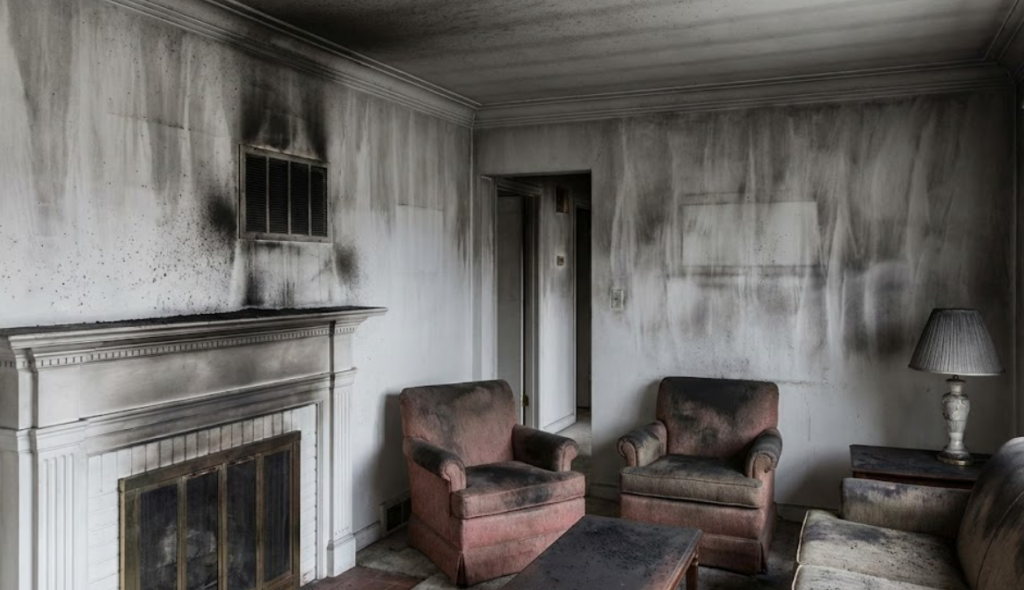
This explosion forces oily soot, smoke, and combustion byproducts through the ductwork and into living spaces. The soot spreads rapidly and clings to nearly every surface it touches.
A puffback is most common in oil-fired furnaces, boilers, and water heaters, but it can also occur in gas systems under certain conditions.
Why Puffback Incidents Are So Destructive
A puffback may last only a second, but the damage it causes can be extensive.
The soot produced during a puffback is extremely fine and greasy. It penetrates porous materials and is difficult to remove without specialized equipment. Unlike smoke from a fire, puffback soot spreads evenly throughout the home and can contaminate areas far from the furnace.
Common consequences include:
- Black residue on walls, ceilings, and trim
- Soot inside cabinets, closets, and drawers
- Damage to HVAC systems and ductwork
- Strong fuel or smoke odors
- Contaminated furniture, clothing, and electronics
A single puffback can result in tens of thousands of dollars in cleanup and restoration costs if not handled properly.
Common Causes of Puffback
Understanding what causes a puffback can help homeowners recognize risk factors early.
Delayed Ignition
The most frequent cause of a puffback is delayed ignition. This happens when fuel is released into the combustion chamber but does not ignite immediately. When ignition finally occurs, all the accumulated fuel burns at once.
Delayed ignition is often caused by:
- Dirty or clogged burners
- Faulty ignition systems
- Improper fuel to air mixture
Poor Furnace Maintenance
Lack of regular maintenance significantly increases puffback risk. Oil residue, soot buildup, and worn components interfere with proper ignition.
Annual furnace servicing is one of the most effective ways to prevent a puffback.
Mechanical Failures
Malfunctioning parts can disrupt normal furnace operation, including:
- Defective nozzles
- Malfunctioning fuel pumps
- Cracked heat exchangers
- Damaged ignition transformers
These issues allow fuel to accumulate instead of burning cleanly.
Power Interruptions
Sudden power outages can interrupt the ignition cycle. When power is restored, fuel that was already released may ignite improperly, causing a puffback.
Improper Installation
Incorrect furnace installation or poor system design can lead to airflow issues and combustion problems that increase puffback risk.
Warning Signs That a Puffback May Be Imminent
Some furnaces show warning signs before a puffback occurs. Paying attention to these symptoms can help prevent a major incident.
Common warning signs include:
- Loud banging or rumbling noises during startup
- Delayed ignition or hesitation before the furnace lights
- Strong oil or fuel odors near the furnace
- Excessive soot buildup around vents
- Furnace shutting off unexpectedly
If you notice any of these signs, stop using the system and contact a professional HVAC technician immediately.
What Happens After a Puffback
When a puffback occurs, soot is propelled through the duct system and expelled from vents throughout the home. The soot particles are microscopic and oily, allowing them to stick to surfaces almost instantly.
Affected areas often include:
- Walls and ceilings
- Carpets and rugs
- Upholstery and mattresses
- Clothing and linens
- Kitchen surfaces and food storage areas
Even areas that appear untouched may still be contaminated by airborne soot and odor particles.
Health Risks Associated With Puffback Soot
Puffback residue is not just a cosmetic issue. It can pose serious health risks, especially for children, elderly individuals, and those with respiratory conditions.
Potential health concerns include:
- Respiratory irritation
- Worsening asthma or allergies
- Headaches and nausea from lingering odors
- Skin and eye irritation
Soot particles can remain airborne and continue circulating through HVAC systems if not properly cleaned.
Why DIY Puffback Cleanup Is Not Recommended
Many homeowners attempt to clean puffback damage themselves, only to make the situation worse.
Household Cleaning Methods Spread Soot
Vacuuming with standard household vacuums disperses soot particles into the air. Wiping surfaces with water-based cleaners often smears the oily residue, pushing it deeper into porous materials.
Improper Cleaning Causes Permanent Damage
Painted walls, fabrics, and wood surfaces can become permanently stained if cleaned incorrectly. Electronics can be ruined by soot infiltration.
Odors Are Extremely Difficult to Remove
Fuel oil odors are persistent and require specialized deodorization methods. Masking smells with air fresheners does not solve the problem and can make it worse.
How Professional Puffback Cleaning Works
Professional restoration companies follow a structured process to safely and effectively clean puffback damage.
Assessment and Containment
Technicians begin by assessing the extent of the damage and identifying affected areas. Containment barriers and air filtration devices are installed to prevent soot from spreading.
Specialized Soot Removal
Professionals use HEPA filtered vacuums and dry chemical sponges designed specifically for soot removal. These tools lift residue without smearing it.
Deep Cleaning of Surfaces
Walls, ceilings, floors, and contents are cleaned using industry-approved methods tailored to each material type.
HVAC and Duct Cleaning
The HVAC system is thoroughly cleaned to prevent soot and odors from recirculating.
Odor Neutralization
Advanced deodorization techniques such as thermal fogging or hydroxyl generation are used to eliminate fuel odors at the molecular level.
Restoration and Repairs
In severe cases, damaged materials such as insulation, drywall, or carpeting may need to be removed and replaced.
How Long Does Puffback Cleanup Take?
Cleanup time depends on the severity of the puffback and the size of the home.
- Minor puffback incidents may take several days
- Moderate damage can require one to two weeks
- Severe cases involving structural materials may take longer
Professional cleaning ensures the job is done correctly the first time, reducing the risk of lingering odors or recurring issues.
Does Insurance Cover Puffback Damage?
In many cases, homeowners insurance policies cover puffback damage because it is considered sudden and accidental. Coverage typically includes:
- Soot cleanup
- Contents cleaning
- Structural repairs
It is important to document the damage and contact your insurance provider promptly. Working with a professional restoration company can simplify the claims process.
How to Prevent a Puffback in the Future
Prevention is far less expensive than cleanup. Homeowners can reduce puffback risk by following these best practices.
Schedule Annual Furnace Maintenance
Professional inspections and cleanings ensure proper ignition and fuel delivery.
Replace Worn Components Promptly
Do not ignore malfunctioning parts or unusual furnace behavior.
Keep the Furnace Area Clean
Dust and debris around the furnace can interfere with airflow and combustion.
Address Fuel Odors Immediately
Persistent oil smells often indicate incomplete combustion or leaks.
Work With Qualified Professionals
Always use licensed HVAC technicians for installation and repairs.
When to Call a Professional Restoration Company
If your home has experienced a puffback, immediate action is critical. The longer soot sits, the harder it becomes to remove.
You should contact a professional restoration company if you notice:
- Black soot on surfaces
- Strong fuel odors
- Soot coming from vents
- Furnace malfunction accompanied by residue
Prompt professional intervention can significantly reduce damage and restoration costs.

Why Choose PuroClean of Northeast Tacoma
PuroClean of Northeast Tacoma specializes in soot, smoke, and furnace related damage. Their trained technicians understand the complexity of puffback cleanup and use proven methods to restore homes safely and thoroughly.
With advanced equipment, industry expertise, and a commitment to customer care, PuroClean helps homeowners recover quickly and confidently.
A puffback is a sudden, destructive furnace malfunction that can turn a comfortable home into a soot-covered disaster in seconds. Understanding what causes it, recognizing warning signs, and knowing how cleanup should be handled can protect your health, property, and finances.
DIY cleaning attempts often worsen the damage. Professional puffback cleanup ensures proper soot removal, odor elimination, and full restoration of your living space.
If your home has experienced a puffback or furnace soot damage, do not wait. Contact PuroClean of Northeast Tacoma today at (206) 929-0155 for fast, professional service you can trust. Our experienced team is ready to restore your home and give you peace of mind.