


Critical Groundwater Seepage Repair Solutions That Defend Your Property
Table of Contents
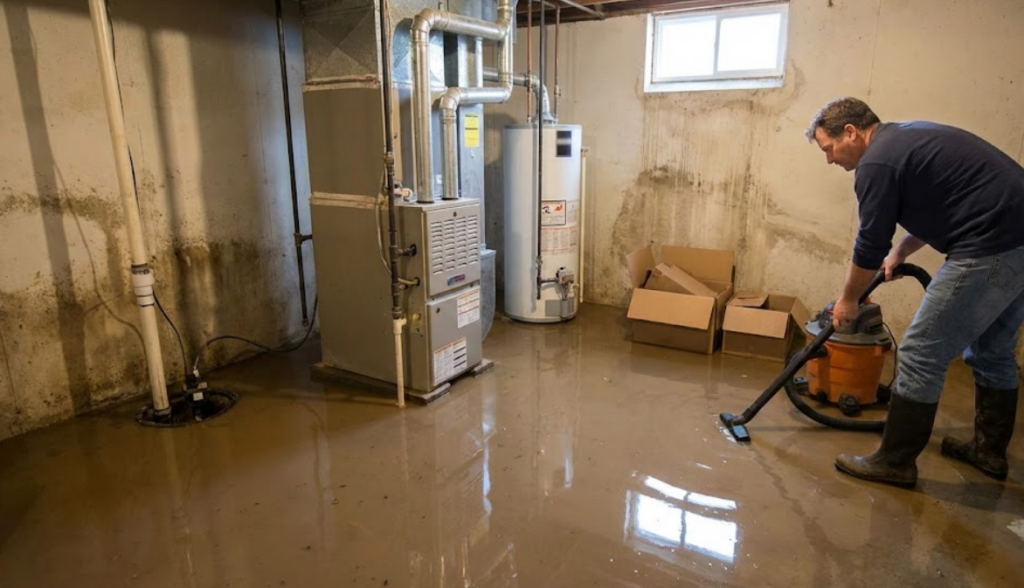
Water problems do not always come from burst pipes or heavy rainstorms. One of the most persistent and damaging issues homeowners face is groundwater seepage. When groundwater builds up around a foundation and finds a pathway inside, it can silently cause extensive damage over time.
Groundwater seepage often affects basements and crawl spaces, creating chronic moisture problems that weaken structures, encourage mold growth, and reduce property value.
Groundwater seepage repair requires more than surface level fixes. It involves understanding how groundwater behaves, identifying pressure points around a structure, and implementing long term solutions that control moisture and protect the building envelope.
This guide provides a detailed explanation of groundwater seepage, its causes, warning signs, professional repair methods, and preventative strategies homeowners can rely on.
Understanding Groundwater Seepage
What Is Groundwater Seepage
Groundwater seepage occurs when underground water accumulates in the soil surrounding a building and penetrates through the foundation, basement walls, or floor. Unlike plumbing leaks, groundwater intrusion is driven by soil saturation and hydrostatic pressure.
Groundwater is naturally present beneath the surface. During periods of heavy rain, snowmelt, or seasonal water table rise, groundwater levels increase. When pressure builds against foundation walls, water seeks the path of least resistance, often through cracks, joints, or porous materials.
Why Groundwater Seepage Is a Serious Problem
Groundwater seepage is often slow and recurring, making it difficult to detect early. Over time, continuous moisture exposure degrades concrete, corrodes metal components, damages insulation, and creates ideal conditions for mold growth.
According to industry studies, nearly 60 percent of homes with basements experience some form of groundwater intrusion during their lifespan. Left untreated, groundwater damage can lead to significant structural repairs and health concerns.
Common Causes of Groundwater Seepage
High Water Table
Homes built in areas with naturally high groundwater levels are more susceptible to seepage. Seasonal fluctuations can raise the water table above the basement floor, forcing groundwater inward.
Poor Drainage Around the Foundation
Improper grading, clogged drains, and short downspouts allow water to pool near the foundation. This increases soil saturation and groundwater pressure.
Foundation Cracks
Even small hairline cracks in foundation walls or floors allow groundwater to seep inside under pressure. Over time, these cracks can widen and worsen.
Hydrostatic Pressure
Hydrostatic pressure occurs when saturated soil presses against foundation walls. Concrete is porous, and sustained pressure forces groundwater through weak points.
Aging Waterproofing Systems
Older homes may have deteriorated waterproofing membranes or outdated drainage systems that no longer provide effective groundwater protection.
If you are experiencing basement moisture, foundation leaks, or signs of groundwater seepage, do not wait for the damage to worsen. PuroClean of Northeast Tacoma provides expert groundwater seepage repair, water removal, and restoration services in Tacoma you can trust. Call (206) 929-0155 today to schedule an inspection or request immediate assistance and protect your property with confidence.
Signs You Need Groundwater Seepage Repair
Damp or Wet Basement Floors
Persistent moisture or puddling on basement floors is a common indicator of groundwater seepage.
Efflorescence on Walls
White, chalky residue on concrete walls signals that groundwater is moving through masonry and leaving mineral deposits behind.
Musty Odors
Chronic dampness caused by groundwater creates musty smells that indicate moisture buildup and potential mold growth.
Mold and Mildew Growth
Mold thrives in damp environments. Groundwater seepage often leads to mold on walls, baseboards, and stored items.
Peeling Paint or Deteriorating Materials
Moisture from groundwater causes paint to peel and building materials to degrade over time.
Why Prompt Groundwater Seepage Repair Matters
Delaying groundwater seepage repair allows moisture to remain in contact with structural materials. Studies show that mold growth can begin within 24 to 48 hours of consistent moisture exposure. Additionally, prolonged groundwater pressure can weaken foundation walls and increase repair costs significantly.
Addressing groundwater issues early protects both the structural integrity of the home and the health of occupants.
The Professional Groundwater Seepage Repair Process
Inspection and Moisture Assessment
Professionals begin groundwater seepage repair with a comprehensive inspection of the foundation, basement, and surrounding landscape. Moisture meters, infrared imaging, and drainage assessments help identify entry points and saturation levels.
Water Removal and Drying
Standing water and excess moisture are removed using commercial grade pumps and dehumidifiers. Drying the affected area is essential before repairs begin.
Crack Sealing and Structural Repairs
Foundation cracks are sealed using epoxy or polyurethane injections designed to withstand hydrostatic pressure. Structural repairs may be required for compromised walls or floors.
Interior Drainage Systems
Interior perimeter drains collect groundwater and direct it to a sump pump system. This relieves pressure beneath the foundation and prevents future seepage.
Sump Pump Installation
Sump pumps actively remove groundwater from beneath the structure. Battery backup systems ensure continued protection during power outages.
Exterior Waterproofing Solutions
In severe cases, exterior excavation and waterproof membranes may be installed to block groundwater before it reaches the foundation.
Health Risks Associated With Groundwater Intrusion
Groundwater often carries contaminants such as bacteria, pesticides, and organic matter. Prolonged exposure increases the risk of respiratory issues, allergic reactions, and skin irritation.
The Environmental Protection Agency reports that damp indoor environments significantly increase the likelihood of asthma symptoms and respiratory infections, particularly in children and older adults.
Insurance Coverage and Groundwater Damage
Groundwater seepage is often excluded from standard homeowners insurance policies unless specific endorsements are added. Flood insurance may provide limited coverage depending on the source of water.
Because coverage varies, documenting damage and consulting professionals experienced in groundwater seepage repair and insurance coordination is essential.
Preventing Future Groundwater Seepage
Improve Exterior Drainage
Ensure soil slopes away from the foundation and downspouts discharge water several feet from the structure.
Maintain Gutters and Drain Systems
Clear gutters and drainage systems regularly to prevent water accumulation near the foundation.
Seal Foundation Penetrations
Seal cracks, joints, and utility penetrations to reduce groundwater entry points.
Install or Upgrade Sump Pumps
Reliable sump pump systems are one of the most effective defenses against groundwater intrusion.
Control Indoor Humidity
Use dehumidifiers to reduce moisture levels and discourage mold growth in basements and crawl spaces.
Schedule Regular Inspections
Annual inspections help identify early signs of groundwater seepage before damage escalates.
Long Term Consequences of Ignoring Groundwater Problems
Ignoring groundwater seepage leads to chronic moisture exposure that weakens foundations, damages finishes, and reduces property value. Over time, repeated saturation can cause structural shifting, increased energy costs, and persistent mold issues that are expensive to remediate.
Homes with unresolved groundwater problems are also more difficult to sell and may fail inspections.
Choosing the Right Groundwater Seepage Repair Company
Specialized Experience
Choose a company with proven expertise in groundwater seepage repair and water damage restoration.
Comprehensive Solutions
Effective providers address both the source of groundwater and the resulting damage.
Local Knowledge
Local professionals understand regional soil conditions and groundwater behavior.
Emergency Response Capability
Rapid response minimizes damage and restoration costs.
Groundwater seepage is a hidden but serious threat to homes and buildings. Effective groundwater seepage repair requires expert assessment, proper drainage solutions, and thorough moisture control. By addressing groundwater issues early and investing in professional repairs, homeowners can protect their property, health, and long term financial investment.
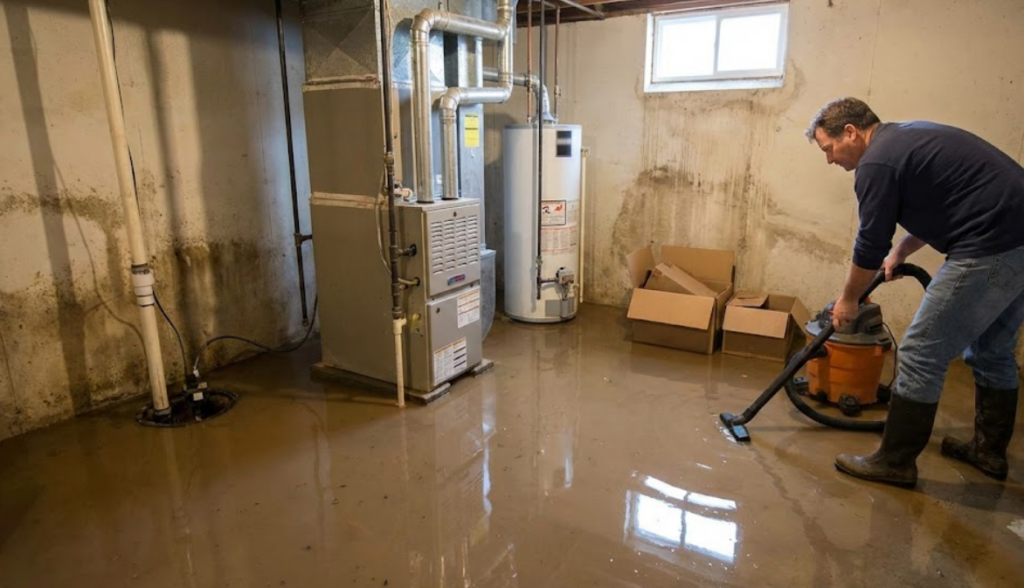
Consistent maintenance and proactive solutions are the best defenses against recurring groundwater damage.
If you are experiencing basement moisture, foundation leaks, or signs of groundwater seepage, do not wait for the damage to worsen. PuroClean of Northeast Tacoma provides expert groundwater seepage repair, water removal, and restoration services in Tacoma you can trust. Call (206) 929-0155 today to schedule an inspection or request immediate assistance and protect your property with confidence.