


House Fire Structural Restoration Tacoma – Full Guide
Table of Contents
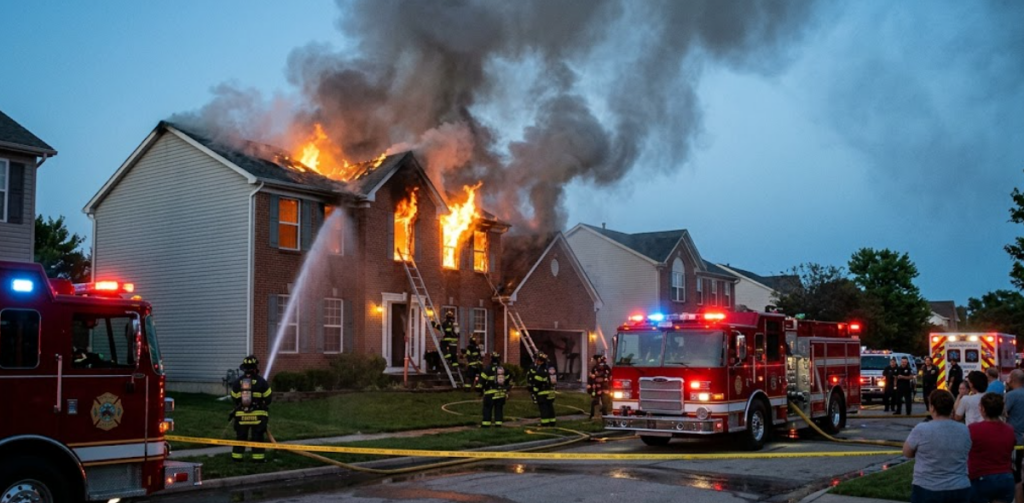
A house fire is among the most traumatic events a homeowner can experience. Beyond the immediate danger and emotional devastation, a fire leaves behind a complex web of structural damage, smoke contamination, water damage from firefighting efforts, and safety hazards that require expert professional intervention to address properly.
House fire structural restoration is a specialized field that demands far more than cosmetic repairs. It requires a systematic assessment of every structural component of the home, from the foundation to the roof, and a carefully planned reconstruction process that restores not just the appearance of the home but its structural integrity, safety, and habitability.
This comprehensive guide walks through what house fire structural restoration involves, why it is so complex, what homeowners in Tacoma and the surrounding region should expect during the process, and how to work effectively with your insurance company and restoration contractor to achieve the best possible outcome.
Why House Fire Structural Restoration Is More Complex Than It Appears
From the outside, a fire-damaged home may look like a straightforward demolition and rebuild project. In reality, house fire structural restoration is one of the most technically demanding services in the restoration industry. Fire, smoke, heat, and water interact with building materials in ways that are not always visible on the surface but can fundamentally compromise the structural safety of a building.
Heat alone can alter the properties of steel, warp engineered lumber, crack concrete, and delaminate oriented strand board (OSB) and plywood – all without leaving obvious visual evidence. Smoke infiltrates every porous material in a structure, including framing lumber, insulation, and subflooring, creating persistent odor problems and in some cases depositing toxic residues. Water from firefighting operations saturates structural components and creates ideal conditions for mold growth in Tacoma’s already humid climate. Each of these damage pathways must be assessed and addressed individually and comprehensively for a house fire structural restoration to be successful.
The Initial Assessment Phase of House Fire Structural Restoration
Professional house fire structural restoration begins with a thorough assessment before any reconstruction work begins. This phase is critical and should never be rushed, because decisions made based on incomplete assessment lead to incomplete repairs that can leave safety hazards in the structure.
Structural Engineering Evaluation
In any significant fire, a structural engineer should evaluate the home before restoration crews begin major work. The engineer assesses whether load-bearing walls, roof framing, floor joists, and the foundation have been compromised by heat, fire, or water. This evaluation determines which elements of the structure can be restored and which must be replaced entirely. In severe fires, entire sections of the structural frame may need to be rebuilt.
Smoke and Soot Damage Assessment
Smoke travels through a structure with remarkable efficiency, infiltrating wall cavities, attic spaces, ductwork, and every room of a home even if fire was confined to a single area. A proper house fire structural restoration assessment maps the full extent of smoke and soot contamination throughout the structure. This is not just a cosmetic concern – certain combustion byproducts are toxic, and incomplete smoke remediation leaves persistent odors and potential health hazards even after visual cleaning appears complete.
Water Damage Mapping
Firefighting operations can introduce thousands of gallons of water into a structure. Professional restoration teams use moisture meters and thermal imaging to map all areas of elevated moisture, including those hidden behind walls and above ceilings. In Tacoma’s climate, unaddressed moisture from firefighting operations will reliably lead to significant mold growth within 48 hours, adding another remediation challenge to an already complex project.
Key Stages of the House Fire Structural Restoration Process
Once the assessment is complete and a detailed restoration plan is in place, the actual house fire structural restoration proceeds through a series of carefully sequenced stages.
Securing and Stabilizing the Structure
The first physical step in house fire structural restoration is making the property safe and preventing further damage. This includes boarding up windows and doors, installing temporary roof coverings over any breaches, and shoring up compromised structural elements that pose an immediate safety risk. These temporary measures protect the structure from weather and unauthorized entry while the full restoration plan is finalized.
Debris Removal and Controlled Demolition
Damaged materials that cannot be restored must be removed. This includes fire-damaged drywall, charred framing lumber, destroyed insulation, warped flooring, and any structural components that the engineering assessment has determined are beyond repair. Debris removal in a fire-damaged home must be handled carefully because fire debris often contains hazardous materials including ash, melted plastics, and in older Tacoma homes, possibly asbestos-containing materials that require specialized abatement.
Smoke and Soot Remediation
Smoke and soot remediation is one of the most specialized aspects of house fire structural restoration. Soot residue from different types of fires – wet smoke, dry smoke, fuel oil smoke – requires different cleaning approaches and products. Structural surfaces that cannot be replaced are cleaned using professional-grade products and techniques that neutralize odor-causing compounds rather than simply masking them. Ductwork and HVAC systems require thorough cleaning to prevent smoke residue from circulating through the restored home.
Structural Framing Repair and Replacement
With contaminated and damaged materials removed, the structural rebuild phase of house fire structural restoration begins. Damaged wall framing, roof trusses, floor joists, and sheathing are repaired or replaced to current building code standards. This phase requires licensed contractors and, in many cases, building permits and inspections. Tacoma and Pierce County have specific building code requirements that govern reconstruction work, and compliance with these requirements is essential for both safety and insurance purposes.
Mechanical, Electrical, and Plumbing Restoration
Fire frequently damages or destroys electrical wiring, plumbing, and HVAC systems. A thorough house fire structural restoration replaces all compromised mechanical systems rather than attempting to repair them piecemeal. Damaged wiring is a persistent fire risk if not fully replaced, and partially melted or heat-stressed plumbing can fail unpredictably. All mechanical restoration work must be performed by licensed professionals and inspected by the appropriate authorities.
Insulation, Drywall, and Interior Finishes
Once the structural shell and mechanical systems are restored and inspected, the interior finishing phase begins. New insulation is installed to current energy code standards, followed by drywall installation, taping, mudding, and finishing. Interior finishes – flooring, trim, cabinetry, paint – are then installed to restore the home to its pre-fire condition or better. This phase is where the transformation from a damaged structure to a restored home becomes visually apparent.
Navigating Insurance During House Fire Structural Restoration
Insurance is the financial foundation of most house fire structural restoration projects, and navigating the claims process effectively can make an enormous difference in the quality and completeness of the restoration you receive.
Document everything before any work begins. Photograph and video every area of damage from multiple angles. Create a detailed inventory of damaged contents. Keep records of all emergency expenses including hotel costs, meals, and replacement clothing.
Work with an experienced restoration company that understands the insurance claims process. Restoration contractors who regularly work with insurance companies know how to document damage in ways that support complete and fair claims. They understand the difference between actual cash value and replacement cost coverage, and they can help ensure that all legitimately damaged elements of the structure are included in the claim scope.
According to the National Fire Protection Association, U.S. fire departments responded to an estimated 353,500 home fires in a recent reporting year, causing $8.9 billion in direct property damage. The average home fire claim is substantial, and having professional representation during the claims process is often essential to receiving a settlement that actually covers the full cost of proper restoration.
Choosing the Right House Fire Structural Restoration Contractor in Tacoma
Not every restoration company has the specialized expertise, equipment, and subcontractor relationships required to manage a complex house fire structural restoration project from assessment through final reconstruction. When selecting a restoration contractor in the Tacoma area, look for the following.
Demonstrated experience with fire restoration specifically, not just general contracting. Fire restoration requires specialized knowledge of smoke behavior, combustion residue chemistry, and structural heat damage that general contractors typically do not possess.
Industry certifications from organizations like the Institute of Inspection, Cleaning and Restoration Certification (IICRC). IICRC-certified fire and smoke restoration technicians have completed rigorous training in industry-standard restoration methods.
A full-service capability that includes everything from emergency board-up through complete reconstruction. Working with a single experienced restoration company that manages the entire project reduces coordination complexity and eliminates gaps that can occur when multiple contractors are responsible for different phases of work.
A proven track record of working with insurance companies and homeowners through complex fire restoration projects. Ask for references and verify licensing with the Washington State Department of Labor and Industries.
How Long Does House Fire Structural Restoration Take
The timeline for house fire structural restoration varies enormously based on the severity of the fire, the extent of structural damage, the availability of materials and subcontractors, and the speed of insurance claim processing. A minor fire confined to a single room might be restored in four to eight weeks. A severe fire that damages large portions of the structural frame, requires extensive mechanical system replacement, or involves hazardous material abatement can take six months to a year or longer.
Homeowners displaced from their Tacoma homes during restoration should ensure their insurance policy’s additional living expenses (ALE) coverage is activated immediately. ALE coverage pays for temporary housing, meals above normal costs, and other expenses incurred while the home is uninhabitable. Understanding your ALE limits and keeping detailed expense records throughout the restoration process is essential.
Trust the Experts for House Fire Structural Restoration
House fire structural restoration is one of the most demanding challenges a homeowner can face. It requires expert assessment, specialized remediation skills, licensed construction expertise, and careful coordination with insurance companies – all while the homeowner is dealing with the emotional aftermath of a devastating event. Choosing the right restoration partner makes all the difference in how completely and efficiently your home is restored.
If your Tacoma home has been damaged by fire in Washington, call PuroClean of Northeast Tacoma at (206) 929-0155 immediately. Their experienced team provides comprehensive house fire restoration services in Tacoma from emergency stabilization through complete reconstruction. They work directly with your insurance company, document everything thoroughly, and bring the expertise and resources needed to restore your home safely and completely. Do not navigate this process alone. Call PuroClean of Northeast Tacoma today and start your path to full recovery.