


Table of Contents
How to Kill Mold on Drywall | Expert Mold Removal Guide
Mold growth on drywall is a common issue in homes, especially in areas with high humidity or after water damage. While mold on drywall can be unsightly and unpleasant, it can also pose health risks and cause structural damage over time. Understanding how to effectively kill mold on drywall and prevent its return is essential for maintaining a healthy living environment.
In this comprehensive guide, we’ll explore the causes of mold growth on drywall, the health risks associated with it, and the step-by-step process of mold removal. By following these expert recommendations, you can address mold issues on drywall safely and effectively.
The Problem of Mold on Drywall
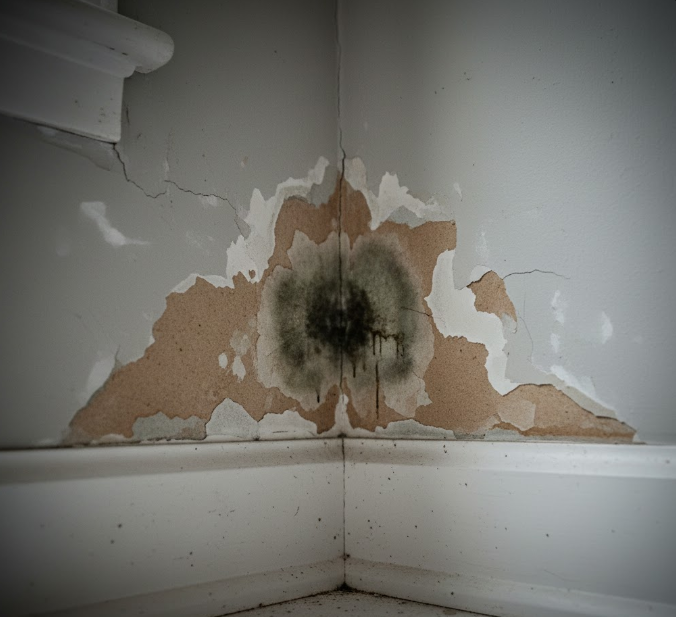
Drywall, also known as plasterboard or gypsum board, is a common material used in the construction of walls and ceilings in homes. However, because drywall is porous and can absorb moisture, it is particularly vulnerable to mold growth. Mold thrives in damp environments, and drywall can easily become a breeding ground when exposed to water from leaks, flooding, or high humidity.
If left untreated, mold on drywall can spread quickly, leading to more extensive damage. Mold can weaken the integrity of the drywall, cause unpleasant odors, and release spores into the air, potentially triggering allergies or respiratory issues. Therefore, it is important to address mold growth on drywall as soon as possible.
If you’re dealing with mold damage on drywall in Washington don’t hesitate to call us today at (206) 929-0155 for a fast and reliable restoration service. Our team of experts is ready to assist you with mold removal, water damage restoration, and more.
Why Does Mold Grow on Drywall?
Mold requires a combination of moisture, warmth, and organic material to grow. Drywall meets all of these conditions when it becomes wet, whether from a water leak, flooding, or excess humidity. Mold spores, which are present in the air at all times, land on moist drywall and begin to grow, forming colonies.
Moisture Sources That Lead to Mold Growth on Drywall:
- Leaks in pipes or roofs
- Flooding
- Excess humidity in bathrooms or kitchens
- Condensation on walls
- Improper ventilation
Even small water leaks or high humidity levels can create a conducive environment for mold. If you notice mold spots on drywall, it’s likely that moisture has been present for some time, allowing the mold to grow and spread.
Health Risks of Mold on Drywall
Mold on drywall can lead to several health issues, particularly for individuals who are sensitive or allergic to mold spores. Symptoms of mold exposure may include:
- Coughing and wheezing
- Nasal congestion
- Throat irritation
- Eye irritation
- Skin rashes
- Asthma exacerbation
Long-term exposure to mold can lead to more serious respiratory issues, especially for individuals with compromised immune systems or preexisting lung conditions. If you suspect mold growth on drywall, it’s crucial to address the problem promptly to protect your health and the health of others in your home.
How to Kill Mold on Drywall: Step-by-Step Guide
Now that you understand why mold grows on drywall and the potential health risks, let’s dive into the process of removing mold effectively and safely. Here’s a step-by-step guide to killing mold on drywall:
Step 1: Gather the Necessary Tools and Materials
Before you begin the mold removal process, make sure you have the right tools and materials. You’ll need:
- Protective gear: Wear gloves, goggles, and a mask (preferably an N95 respirator) to avoid direct contact with mold spores.
- Cleaning solutions: Use one of the following mold-killing solutions:
- Bleach and water: Mix one cup of bleach with one gallon of water.
- Vinegar: Use white distilled vinegar directly on the moldy surface.
- Hydrogen peroxide: Apply a 3% hydrogen peroxide solution to moldy areas.
- Baking soda and water: Make a paste to scrub the mold.
- Scrubbing brush: A stiff brush or sponge to scrub the mold off the drywall.
- Spray bottle: To apply the cleaning solution evenly.
- Towels or cloths: For drying the area after cleaning.
- Fan or dehumidifier: To help dry the area.
Step 2: Ensure Safety and Ventilation
Before you start cleaning, ensure that the area is well-ventilated. Open windows and doors to allow fresh air to circulate. This will help reduce the concentration of mold spores in the air. Turn off any heating or air conditioning units that may circulate mold spores throughout the home.
If you have significant mold growth on drywall, it may be best to contact a professional mold remediation service, especially if the mold covers a large area (greater than 10 square feet).
Step 3: Apply Mold-Killing Solution
Once you’re properly protected and the area is ventilated, it’s time to apply the mold-killing solution.
- Bleach Solution: Mix one cup of bleach with one gallon of water. Apply the solution to the moldy areas on the drywall using a spray bottle or sponge. Allow it to sit for 15 minutes to ensure it kills the mold spores.
- Vinegar: Pour undiluted white distilled vinegar into a spray bottle and spray it directly on the moldy drywall. Let it sit for at least an hour before scrubbing.
- Hydrogen Peroxide: Spray the 3% hydrogen peroxide solution directly onto the affected drywall. Let it sit for 10-15 minutes to disinfect the area.
- Baking Soda Paste: Mix baking soda with water to form a paste. Apply the paste to the moldy drywall and scrub it with a stiff brush. The abrasiveness of the baking soda helps lift the mold off the surface.
Step 4: Scrub the Moldy Area
After applying the mold-killing solution, use a scrub brush or sponge to scrub the affected area. Work in small sections, ensuring that you remove all visible mold. Be thorough, as mold can hide in cracks and crevices.
If the mold has penetrated deeply into the drywall, it may be necessary to cut out and replace the affected sections. In this case, it is best to consult a professional mold remediation expert.
Step 5: Dry the Area Thoroughly
Once the mold is removed, it’s essential to dry the area thoroughly to prevent mold from returning. Use a towel or cloth to wipe away excess moisture, and place a fan or dehumidifier in the room to expedite the drying process. Ensure that the drywall is completely dry before closing off the area or painting over it.
Step 6: Prevent Future Mold Growth
To prevent mold from returning, address the underlying moisture issue that caused the mold growth. Here are some tips for mold prevention:
- Fix any leaks: Repair any leaks in pipes, roofs, or walls to stop moisture from reaching the drywall.
- Increase ventilation: Use exhaust fans in bathrooms and kitchens to reduce humidity levels.
- Use a dehumidifier: Keep the humidity in your home below 60% to discourage mold growth.
- Insulate your home: Proper insulation can reduce condensation on walls, which can lead to mold.
- Regularly inspect your home: Check for signs of water damage or mold growth in high-risk areas, such as basements, bathrooms, and kitchens.
Mold on drywall is a serious issue that requires prompt attention. By following the steps outlined in this guide, you can safely and effectively kill mold and restore your drywall to its original condition. Remember to always prioritize safety and seek professional help if the mold problem is extensive or persistent.
If you’re dealing with mold damage on drywall in Tacoma, WA don’t hesitate to call us today at (206) 929-0155 for a fast and reliable restoration service. Our team of experts is ready to assist you with mold removal, water damage restoration, and more.