 PuroClean of Northeast Tacoma
 Table of Contents
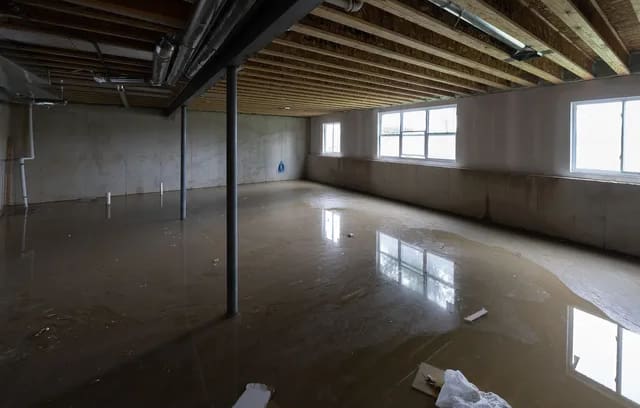
Basements are often one of the most vulnerable areas in a home when it comes to mold growth. Because they are typically underground, basements are prone to dampness, humidity, and poor ventilation—conditions that create the perfect environment for mold to thrive.
Once mold begins to spread, it can damage your belongings, weaken the structure of your home, and even affect your health. Fortunately, there are steps you can take to prevent mold in your basement before it becomes a problem.
Why Mold Loves Basements
Mold requires three main things to grow: moisture, organic material, and a stable temperature. Basements provide all three. Concrete walls and floors may seem solid, but they can absorb moisture from the ground. Cardboard boxes, wooden beams, and fabrics stored in basements provide food for mold spores. And because basements usually stay within a moderate temperature range, they become an ideal habitat for mold colonies to develop.
The key to preventing mold is controlling moisture and improving air circulation.
1. Keep Moisture Out
The first step in mold prevention is ensuring your basement stays as dry as possible. Moisture often enters basements through cracks in the foundation, leaky windows, or poor drainage around the home.
- Seal foundation cracks: Inspect your basement walls and floors regularly. Small cracks can allow water seepage during heavy rains. Sealing them with waterproof products can help.
- Check gutters and downspouts: Make sure your home’s drainage system directs water away from the foundation. Clogged or misdirected gutters can cause water to pool around your home and seep inside.
- Install proper drainage systems: If your basement frequently floods, consider installing a sump pump or a French drain system to keep water under control.
2. Control Humidity Levels
Basements often trap humidity, especially during summer months. Excess humidity is one of the leading causes of mold growth.
- Use a dehumidifier: Keeping humidity levels below 50% will significantly reduce the chances of mold growth. A good dehumidifier can make a major difference in maintaining a dry basement.
- Insulate pipes: Cold water pipes in your basement can create condensation that drips onto floors and walls. Wrapping pipes with insulation prevents this problem.
- Vent appliances properly: If your dryer or any other appliance is in the basement, ensure that it vents to the outside. Venting indoors only adds more moisture to the air.
3. Improve Ventilation
Airflow is crucial in mold prevention. A stagnant, closed-off basement traps moisture and spores, creating an ideal environment for mold.
- Use fans: A few strategically placed fans can keep air circulating and prevent damp areas.
- Install vents or windows: If possible, open windows on dry days to allow fresh air to move through. Installing basement vents can also improve circulation.
- Connect to HVAC system: If your home’s HVAC system can extend to the basement, it may help regulate airflow and temperature.
4. Store Items Properly
How you store belongings in your basement can also play a role in mold prevention.
- Avoid cardboard: Mold thrives on cardboard and paper. Instead, use plastic bins with tight-fitting lids for storage.
- Keep items off the floor: Elevate boxes and furniture on shelves or pallets to keep them safe from potential flooding.
- Don’t overcrowd: Give your belongings space to breathe. Air circulation around stored items helps prevent moisture buildup.
5. Regular Cleaning and Maintenance
Even with the best prevention measures, regular maintenance is necessary.
- Inspect regularly: Look for signs of dampness, leaks, or condensation at least once a month.
- Clean frequently: Vacuuming with a HEPA filter and wiping surfaces helps remove dust and mold spores before they spread.
- Act quickly on leaks: If you notice any water intrusion, clean and dry the area immediately. Even 24–48 hours of dampness can lead to mold growth.
Why Professional Help Matters
While DIY prevention methods are helpful, sometimes basements require professional intervention. If your basement already has mold or you’ve experienced water damage, it’s critical to bring in experts. Mold is not just a cosmetic problem—it can pose health risks such as allergies, respiratory issues, and headaches. Professionals have the tools, training, and protective equipment to safely remove mold and ensure it doesn’t come back.
Call Us for Mold Prevention and Remediation
Preventing mold in your basement is all about staying ahead of moisture and humidity. However, if you already suspect mold growth or have experienced water damage, don’t wait until the problem spreads. Our team specializes in basement mold remediation and prevention. We use advanced equipment to dry out, clean, and protect your basement, giving you peace of mind and a healthier home environment.
If you want a mold-free basement in Tacoma, contact us today on (206) 929-0155. We’ll inspect your home, provide expert solutions, and help you keep your basement safe, dry, and healthy.
Final Thoughts
Mold in basements can be a serious issue, but it’s preventable. By managing moisture, controlling humidity, improving ventilation, and keeping up with maintenance, you can significantly reduce your risk. And remember—when prevention isn’t enough, professional help is just a call away. Protect your home, your health, and your peace of mind with expert mold remediation services in Tacoma by calling us on (206) 929-0155.


 PuroClean of Northeast Tacoma