 PuroClean of Northeast Tacoma
Table of Contents
If you’re worried about mold developing in your garage, you’re not alone, garages are often overlooked but are a common place for mold growth due to moisture, poor ventilation, and temperature fluctuations. This guide will walk you through practical, proven steps to prevent mold in your garage from controlling humidity to improving ventilation, all tailored toward homeowners in Washington. We’ll also show when a DIY approach works, and when it’s time to call in professionals like PuroClean of Northeast Tacoma for “Mold Remediation Services in WA.”
Why Garages Are a Mold Hotspot
- Mold spores are everywhere, they’re harmless until they land on damp surfaces. Indoors, mold thrives on moisture.
- Garages often face multiple risk factors simultaneously: little insulation, poor ventilation, concrete floors, leaks, and stored items (often cardboard or other porous materials). These conditions create the perfect environment for mold.
- If moisture from rain, melting snow, or humidity seeps into an unsealed garage floor or through poor drainage, spores can quickly take hold — especially if the garage door or walls are not properly sealed.
Given these conditions, mold prevention must be intentional and consistent rather than reactive.
1. Control Moisture — The #1 Rule
✅ Act fast on leaks and water exposure
Whenever water from a pipe leak, melting snow, or a spill enters your garage, dry the area within 24 to 48 hours. If damp surfaces stay wet longer, mold will likely begin growing.
✅ Keep indoor humidity below 50–60%
Mold thrives when humidity stays high. Experts recommend keeping indoor (and garage) humidity ideally between 30–50%. Even staying under 60% greatly reduces mold risk.
Monitor humidity with a hygrometer (readily available at hardware stores) and consider a dehumidifier for damp or closed garages.
✅ Ensure proper drainage and grading
If your garage floor wasn’t sealed or if the ground slopes toward your garage, water can seep in from the foundation. Ensure the ground around the garage slopes away, and consider sealing or coating concrete floors.
2. Improve Ventilation & Airflow
✅ Use ventilation and air circulation
Poor ventilation traps humid air, which encourages mold. Open windows or doors when weather permits, use exhaust fans if available, or install passive vents. Even opening the door for a couple of hours per day can make a difference.
✅ Vent moisture-generating sources outside
If you run a dryer, use a utility sink, or have other moisture-generating appliances nearby (or nearby rooms), make sure they vent outdoors. This helps keep excess humidity out of the garage.
3. Insulate, Seal & Use Mold-Resistant Materials
✅ Seal garage door, windows, and any gaps
Garage doors — often poorly insulated — can let in humid air or let warm air escape — both of which contribute to condensation and moisture. Use weather-stripping, door seals, or insulation kits to keep conditions stable.
✅ Use mold-resistant building materials
If you’re building or remodeling a garage: consider metal studs instead of wood, mold-resistant drywall (paperless or fiberglass-faced), and mold-resistant paint. These materials are far less hospitable to mold than traditional wood or paper-faced drywall.
✅ Consider waterproof coatings for floors
Concrete can wick moisture upward. Applying a water-resistant or sealed coating to the floor can block this moisture transfer and make the environment far less mold-friendly.
4. Organize, Clean, and Store Wisely
✅ Avoid storing items on the bare floor
Boxes, especially cardboard, and damp items resting directly on the floor create mold-friendly micro-environments. Use shelves or plastic bins elevated off the floor — and ensure everything is dry before storing.
✅ Clean regularly
Dust, dirt, and debris collect moisture — and provide food sources for mold spores. Sweep and clean at least monthly (or more often in damp climates), focusing on corners, baseboards, and areas prone to dampness. Environmental Institute+1
✅ Dry and inspect after rain or snow
If you park a wet vehicle in the garage, or if rain or snow has been brought inside, dry the floor and any wet items promptly. Even small amounts of moisture can breed mold over time.
5. When to Consider Professional Mold Remediation
DIY prevention is great but once mold has taken hold, especially if it’s widespread, hidden, or recurring, surface cleaning and dehumidifiers may not be enough. According to resources from the U.S. Environmental Protection Agency (EPA) and other experts, molds must be removed — not just killed — because dead spores can still cause allergic reactions.
For garages that:
- show visible mold on walls, ceilings, or floor;
- have a persistent musty odor;
- experienced flooding or leaks;
- had moisture issues that returned despite preventative steps —
it’s wise to call a professional. That’s where trusted local services are invaluable.
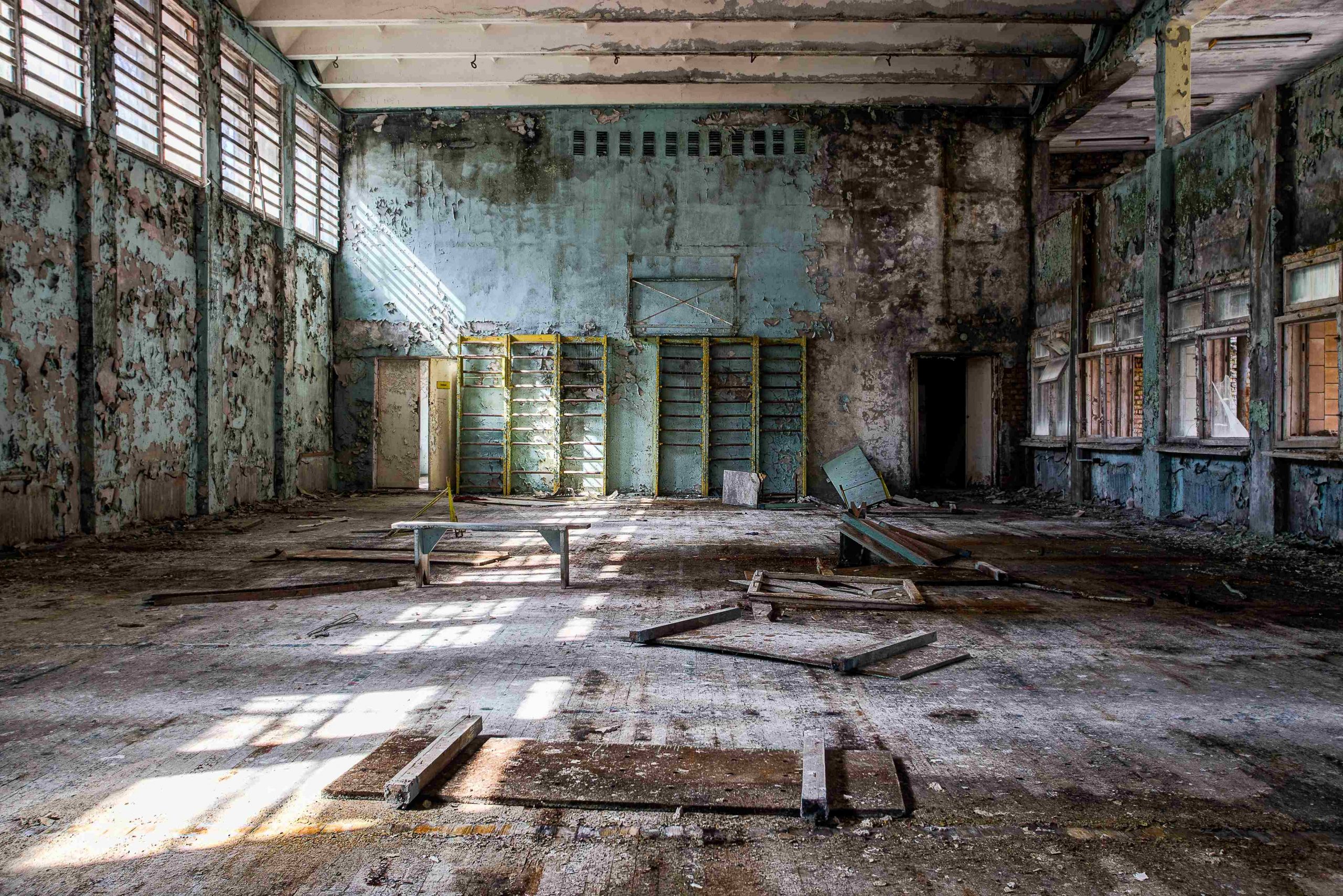
FAQs — Garage Mold & Mold Remediation
Q: What humidity level is ideal for preventing mold in a garage?
A: Aim to keep relative humidity between 30% and 50%, but at most under 60%. This significantly reduces the chance of mold spore growth.
Q: Can I just paint over moldy drywall to hide the problem?
A: No. Painting over mold doesn’t remove the spores, and the mold can return — or even grow behind the paint. For drywall, it’s better to replace or use mold-resistant materials.
Q: Are bare concrete floors safe from mold?
A: Not necessarily. Concrete can absorb moisture from the ground, then release it — creating a damp environment on surfaces or inside the slab. Sealing or coating the floor helps a lot.
Q: Do I need a dehumidifier for a garage?
A: If your garage is uninsulated, damp, or enclosed (no windows, poor ventilation), a dehumidifier is strongly recommended. It helps maintain safe humidity levels and reduces mold risk.
Q: Can I handle mold cleanup myself?
A: For small, surface-level mold on hard surfaces, DIY methods (cleaning + drying) may work. But if mold is widespread, in porous materials, or recurring — or if there was flooding or hidden leaks — it’s safer to hire professionals for full remediation.
Summary and Final Thoughts
Preventing mold in your garage is all about controlling moisture, improving ventilation, and creating an environment where mold simply can’t thrive. For most garages especially in damp climates like Western Washington — a combination of good airflow, humidity control, regular cleaning, moisture-resistant materials, and prompt drying of any water exposure will keep mold at bay.
However, once mold becomes visible or persistent, DIY efforts often fall short. That’s when you need real expertise.
If you want to make sure the mold problem is gone for good, trust PuroClean of Northeast Tacoma our team is equipped for full-scale mold remediation, drying, deodorization, and long-term prevention. For Mold Remediation Services in WA, we offer prompt service, certified professionals, and reliable follow-up to keep your home safe and mold-free.
Let’s get ahead of moisture before mold takes hold. Call PuroClean of Northeast Tacoma today at (206) 929-0155 for fast, reliable, and professional mold remediation in Washington.



 PuroClean of Northeast Tacoma