


Table of Contents
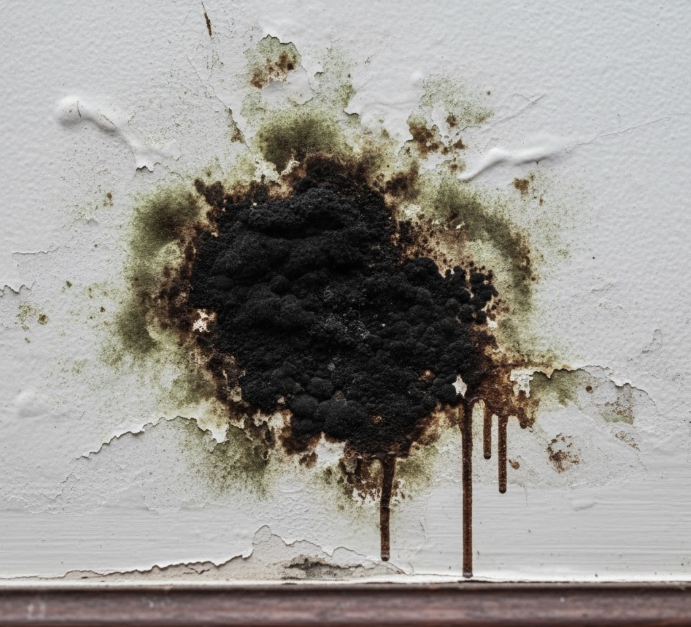
Black mold is one of the most common and concerning household issues for homeowners and renters alike. It grows silently, spreads quickly, and can cause structural damage as well as affect indoor air quality.
Once it starts growing, removal can be difficult and costly—making prevention the smartest strategy. Fortunately, with the right habits and maintenance, you can significantly reduce the chances of black mold developing in your home.
This guide will walk you through what causes black mold, the common areas it grows, and practical steps to prevent it—helping you maintain a healthier and safer living environment.
What Causes Black Mold to Grow?
Black mold thrives in damp, humid, and poorly ventilated areas. The key to prevention is eliminating the conditions that allow mold to grow and spread.
The primary causes include:
- Moisture buildup from leaks or flooding
- High humidity levels
- Poor ventilation
- Condensation on walls, windows, and pipes
- Unaddressed water damage
Whenever moisture is present for more than 24–48 hours, mold growth can begin. Identifying issues early and acting quickly is essential.
Common Areas Where Black Mold Develops
Black mold can appear anywhere in your home, but it is most frequently found in:
Bathrooms
Steam, humidity, and poor ventilation make bathrooms a prime breeding ground—especially around showers, under sinks, and on ceilings.
Kitchens
Sinks, dishwashers, and refrigerators can leak, creating moisture in hidden areas like behind appliances or inside cabinets.
Basements & Crawl Spaces
Ground moisture, lack of air circulation, and high humidity create ideal mold conditions in these areas.
Attics
Roof leaks, poor insulation, and blocked ventilation can lead to mold growth on rafters, insulation, and drywall.
Laundry Rooms
Washers, dryers, and utility sinks can cause humidity and leaks if not properly maintained.
How to Prevent Black Mold in Your Home
Preventing black mold isn’t a one-time task—it’s an ongoing combination of moisture control, regular maintenance, and good habits. Here’s what you can do:
1. Reduce Indoor Humidity
Keeping your home’s humidity level below 50% is one of the most effective ways to stop mold growth.
How to control humidity:
- Use a dehumidifier in damp areas such as basements or crawl spaces
- Run exhaust fans when cooking, showering, or doing laundry
- Avoid drying clothes indoors
- Keep air circulating with fans or open windows when weather allows
2. Fix Leaks and Water Damage Immediately
Even small leaks can turn into major mold problems. Regularly inspect areas prone to water exposure.
Check for leaks in:
✔ Plumbing under sinks and around toilets
✔ Roof, attic, and ceiling
✔ Windows and doors with poor sealing
✔ Water heater, dishwasher, and washing machine
If water damage occurs, dry the area completely within 24–48 hours to prevent mold growth.
3. Clean and Maintain Your Home Regularly
Good cleaning habits discourage mold from settling and spreading.
Helpful cleaning practices:
- Clean bathroom tiles and grout weekly
- Wipe down and dry wet surfaces after showers or cooking
- Use mold-resistant cleaning products for kitchens and bathrooms
- Replace moldy caulking and sealant when needed
4. Improve Ventilation and Airflow
Fresh air circulation keeps moisture from becoming trapped.
Ways to increase airflow:
- Open windows when weather is dry and mild
- Move furniture slightly away from walls
- Use vent fans in bathrooms and kitchens
- Check attic and crawl space vents to ensure proper airflow
5. Use Mold-Resistant Materials
If you’re renovating or remodeling, consider using mold-resistant products in moisture-prone areas.
Recommended materials:
🟩 Mold-resistant drywall
🟩 Anti-microbial paint
🟩 Moisture-proof flooring in bathrooms, basements, and laundry rooms
These upgrades offer long-term protection.
6. Monitor Hidden and High-Risk Areas
Mold often grows where you can’t see it. Periodically inspect:
- Behind appliances
- Inside cabinets
- Around windowsills
- In corners and closets
- Attic insulation and roofline
Early detection saves money and prevents health risks.
When to Call a Professional
If you notice a strong musty odor, black spots spreading on walls or ceilings, or if mold covers an area larger than 10 square feet, it’s best to call a professional. DIY mold removal can be risky and may cause spores to spread if not handled properly.
Protect Your Home with Professional Mold Prevention and Remediation
Black mold prevention starts with awareness and moisture control—but sometimes issues develop in hidden places you can’t easily reach. If you suspect mold or want a professional inspection for peace of mind, we’re here to help.
Our expert team provides:
✅ Mold inspections and testing
✅ Moisture and leak detection
✅ Professional mold remediation and cleanup
✅ Preventative treatments to stop mold from returning
Concerned about black mold in your home or want to prevent it from ever becoming a problem? Contact us today on (206) 929-0155 for professional black mold prevention and remediation services in Tacoma. We’ll help keep your home clean, safe, and mold-free year-round.