 PuroClean of Northeast Tacoma
 Sewage Cleanup in Olympia: A Comprehensive Guide
Table of Contents
Sewage cleanup is a crucial service for homeowners and businesses dealing with the aftermath of sewer backups, flooded septic systems, or wastewater spills. In Olympia, where heavy rains and other weather events can increase the likelihood of water damage, the need for professional sewage cleanup services is ever-present.
This comprehensive guide explores the importance of sewage cleanup, the steps involved in the process, and why choosing a professional service provider is essential.
What is Sewage Cleanup?
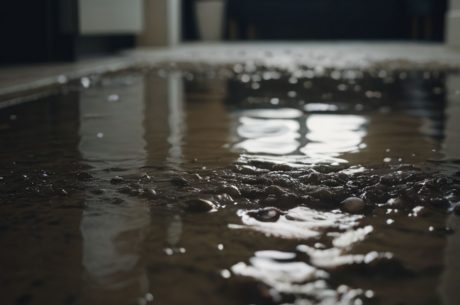
Sewage cleanup refers to the removal and sanitization of wastewater that has been contaminated by sewage. This type of water is classified as “black water,” which means it contains harmful bacteria, viruses, and other pathogens that pose serious health risks. Sewage cleanup not only addresses the removal of contaminated water but also focuses on disinfecting and decontaminating affected areas to restore a safe environment.
Whether caused by a burst pipe, sewage backup, or a septic system failure, sewage cleanup is a necessary service that requires specialized equipment, expertise, and a fast response.
Why Sewage Cleanup is Critical in Olympia
1. Health Risks of Sewage Contamination
The primary concern when dealing with sewage cleanup is the risk it poses to health. Sewage water contains bacteria, viruses, parasites, and other harmful microorganisms that can lead to diseases such as hepatitis, E. coli infections, cholera, and gastrointestinal disorders. Exposure to contaminated water can also cause skin infections, respiratory problems, and eye irritation.
Prompt cleanup is essential to prevent the spread of these pathogens and protect the health of residents, employees, and pets.
2. Potential Structural Damage
In addition to the health risks, untreated sewage can cause significant damage to your property. The longer contaminated water remains in your home or business, the more it can seep into walls, floors, and structural materials, causing rot, corrosion, and deterioration. In some cases, sewage can even compromise the foundation of a building, leading to costly repairs.
Addressing the issue quickly through professional sewage cleanup can minimize the damage and prevent long-term structural issues.
3. Local Factors in Olympia
Olympia, with its proximity to water bodies and high rainfall, faces unique challenges related to flooding and water damage. During heavy rains or storms, sewer systems can become overwhelmed, leading to backups and flooding. This can cause sewage water to spill into homes and businesses, making sewage cleanup an essential service for many residents and property owners in the area.
The Sewage Cleanup Process
Understanding the steps involved in sewage cleanup can help property owners take the right actions and know what to expect from professionals. Here’s an overview of the typical sewage cleanup process:
1. Assessment and Inspection
The first step in any sewage cleanup project is a thorough assessment of the affected area. Technicians will inspect the property to determine the extent of contamination, the source of the sewage, and the level of water damage. This step is critical for developing a customized cleanup plan that addresses both the immediate needs and long-term restoration.
2. Water Extraction
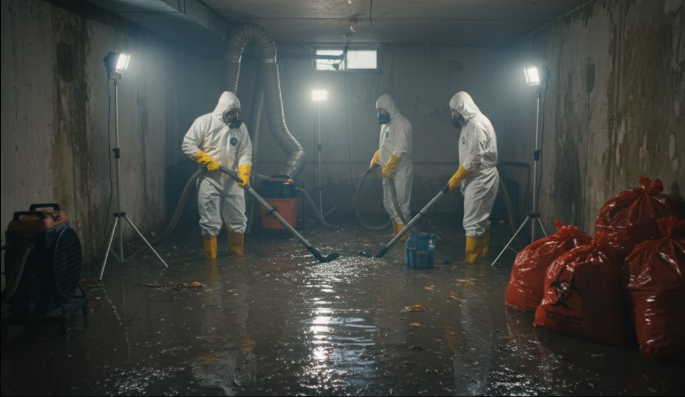
Once the inspection is complete, the next step is to remove the sewage water from the property. This is done using industrial-grade water extraction equipment, including pumps and vacuums, that can quickly and efficiently remove large volumes of contaminated water.
This phase is crucial to prevent further damage and to stop the contamination from spreading to other parts of the property.
3. Cleaning and Decontamination
After the sewage water has been extracted, the next phase focuses on cleaning and disinfecting all surfaces that have come into contact with the contaminated water. This includes floors, walls, furniture, and any other materials affected by the spill.
Professionals use specialized cleaning agents and equipment to sanitize the area and ensure that harmful pathogens are eliminated. Decontamination is a critical step in the sewage cleanup process because it helps restore a safe living or working environment.
4. Drying and Moisture Removal
In sewage cleanup, moisture control is essential to prevent mold growth. After the cleaning and disinfecting phase, technicians will use high-powered air movers and dehumidifiers to dry the affected areas. The goal is to remove any residual moisture that could lead to mold or mildew growth, which is common in areas that have been exposed to water damage.
5. Restoration and Repair
Once the area is dry and free from contamination, the final step involves restoration and repair. This could include replacing damaged flooring, drywall, insulation, and other materials. In some cases, structural repairs may be needed to ensure the building remains safe and secure.
How to Prevent Sewage Damage in the Future
While professional sewage cleanup is essential for addressing an emergency, there are steps you can take to prevent sewage backups and water damage from occurring in the first place.
1. Regular Maintenance of Plumbing Systems
Maintaining your plumbing system is the first line of defense against sewage backups. Regularly inspect your pipes for signs of wear and tear, corrosion, or blockages. Additionally, having a professional plumber inspect and clean your sewer lines on a routine basis can help prevent clogs and ensure proper water flow.
2. Install Backflow Prevention Devices
Backflow prevention devices can help stop sewage from backing up into your home or business. These devices are installed in your plumbing system and allow wastewater to flow in only one direction—out of your property. If you live in an area prone to flooding or sewage backups, installing backflow preventers is a proactive measure that can save you from costly cleanup and repairs.
3. Keep Drains Clear
Be mindful of what you put down your drains and toilets. Avoid flushing items like wipes, paper towels, grease, and food waste, as these can cause blockages in your pipes. Additionally, regularly check and clean your drains to ensure they are free from debris that could cause backups.
4. Address Plumbing Issues Immediately
If you notice slow drainage, gurgling sounds, or unusual odors coming from your plumbing system, address the issue immediately. These could be signs of a blockage or malfunction that could lead to a sewage backup. Early intervention can prevent the need for a costly and time-consuming cleanup later.
Why Choose PuroClean of Northeast Tacoma for Sewage Cleanup in Olympia?
When it comes to sewage cleanup, choosing a professional service provider is crucial. PuroClean of Northeast Tacoma is your trusted partner in Olympia for sewage cleanup and water damage restoration. Here’s why:
- Expert Technicians: Our team is highly trained in handling sewage cleanup, ensuring that your property is cleaned and restored to the highest standards.
- State-of-the-Art Equipment: We use the latest technology and equipment to extract water, disinfect, and dry your property, minimizing damage and health risks.
- Quick Response: Sewage emergencies require immediate attention. PuroClean of Northeast Tacoma is available 24/7 to respond to your needs.
- Comprehensive Restoration Services: We don’t just clean up the mess—we restore your property to its pre-loss condition, handling repairs and providing long-term solutions to prevent future issues.
Conclusion
Sewage cleanup is a vital service that protects the health of your family, employees, and pets while preventing long-term damage to your property. In Olympia, where water-related issues can cause frequent sewer backups and flooding, having a professional team on your side is essential. At PuroClean of Northeast Tacoma, we are here to help with expert sewage cleanup and restoration services, available 24/7 for any emergency.
Don’t wait until it’s too late—contact PuroClean of Northeast Tacoma at (206) 929-0155 for fast, reliable sewage cleanup services in Tacoma WA.

 PuroClean of Northeast Tacoma