


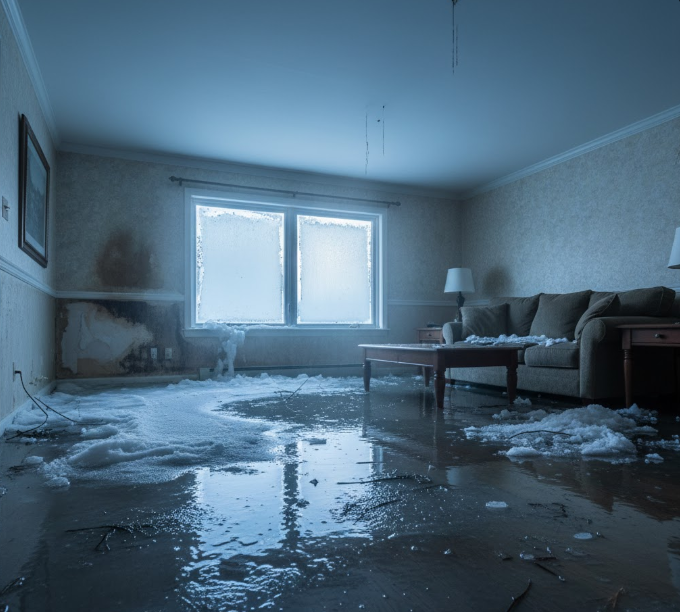
Snowmelt Flooding Dangers and Powerful Fixes
Table of Contents
Snow-covered landscapes may look peaceful, but as temperatures rise, melting snow can quickly turn into a serious property threat. Snowmelt flooding is one of the most underestimated causes of water damage for homeowners in colder climates. Unlike sudden storms, snowmelt flooding often happens gradually, allowing water to seep into foundations, crawl spaces, and basements before homeowners realize there is a problem.
Snowmelt flooding occurs when accumulated snow melts faster than the ground, drainage systems, or soil can absorb the water. Frozen or compacted soil prevents proper drainage, forcing water toward the lowest points of a property. According to the Insurance Information Institute, water damage and freezing account for nearly 30 percent of all homeowners insurance claims in the United States, with winter thaw cycles being a major contributor.
Understanding snowmelt flooding and how to fix it is critical for protecting your home, preventing mold growth, and avoiding costly structural repairs. This guide explains how snowmelt flooding happens, the warning signs to watch for, immediate steps to take, and long-term solutions that reduce your risk year after year.
What Is Snowmelt Flooding
Snowmelt flooding happens when melting snow overwhelms the natural and built drainage systems around a property. Unlike rain, snow accumulates over weeks or months. When temperatures rise suddenly, large volumes of water are released at once.
Several factors make snowmelt flooding particularly damaging:
- Frozen ground prevents water from soaking into soil
- Ice-blocked storm drains and gutters redirect water toward structures
- Poor grading causes water to pool near foundations
- Aging drainage systems fail under heavy runoff
Because snowmelt flooding often occurs over several days, water intrusion may go unnoticed until significant damage has already occurred.
Common Causes of Snowmelt Flooding
Rapid Temperature Changes
A sudden warm spell after heavy snowfall is one of the most common triggers of snowmelt flooding. When temperatures rise quickly, snow melts faster than drainage systems can handle. This leads to surface runoff that flows toward homes and buildings.
Frozen or Compacted Soil
During winter, soil freezes and becomes impermeable. When snow begins to melt, the water cannot soak into the ground and instead moves laterally. This increases hydrostatic pressure against foundation walls and basement floors.
Blocked Gutters and Downspouts
Ice dams, snow, and debris can block gutters and downspouts. When meltwater cannot flow away from the roofline, it spills over the edges and collects near the foundation, increasing the risk of snowmelt flooding.
Poor Property Grading
Improper grading directs water toward a structure instead of away from it. Homes with negative grading are especially vulnerable to snowmelt flooding, as melting snow naturally flows downhill and pools at the foundation.
Failing Drainage Systems
French drains, sump pumps, and perimeter drains can fail during winter due to freezing, power outages, or mechanical wear. When these systems stop working, snowmelt flooding can occur rapidly.
Do not wait until minor water intrusion becomes major damage. If you are dealing with snowmelt flooding or want to safeguard your home before the next thaw, contact PuroClean of Northeast Tacoma today. Our trained professionals specialize in water damage restoration, drying, and mold prevention in Washington. Call (206) 929-0155 now to schedule an inspection and protect your home with confidence.
Areas Most Vulnerable to Snowmelt Flooding
Basements
Basements are the most common location for snowmelt flooding. Water can enter through foundation cracks, window wells, or floor drains. Even small amounts of moisture can lead to mold growth within 24 to 48 hours.
Crawl Spaces
Crawl spaces often lack proper drainage or vapor barriers. Snowmelt flooding in crawl spaces can saturate insulation, rot wooden supports, and create ideal conditions for mold and pests.
Garages
Garages are frequently built at lower elevations than the rest of the home. Meltwater can pool near garage doors or seep through cracks, causing damage to stored items and structural materials.
Yards and Landscaping
Standing water in yards is an early warning sign of snowmelt flooding. Saturated soil can shift, leading to foundation movement and damage over time.
Warning Signs of Snowmelt Flooding
Recognizing early warning signs allows homeowners to act before damage becomes severe.
- Water pooling near the foundation
- Damp or musty odors in basements or crawl spaces
- Visible moisture on walls or floors
- Cracks in foundation walls or floors
- Slow or overwhelmed sump pumps
- Mold growth or discoloration on surfaces
If any of these signs appear during snowmelt season, immediate action is essential.
Immediate Steps to Take During Snowmelt Flooding
Redirect Surface Water
Clear snow away from the foundation to create pathways for meltwater to flow away from the home. Shovel channels that guide water toward storm drains or lower ground.
Clear Gutters and Downspouts
Remove ice, snow, and debris from gutters and downspouts whenever it is safe to do so. Extend downspouts at least six feet away from the foundation to reduce water buildup.
Check Sump Pump Functionality
Ensure your sump pump is operational and discharging water away from the home. Battery backups are critical during power outages that often accompany winter storms.
Remove Standing Water Quickly
If snowmelt flooding has already occurred, remove standing water as soon as possible. Prolonged moisture increases the risk of mold growth and structural damage.
Long-Term Solutions for Snowmelt Flooding
Improve Property Grading
Proper grading slopes soil away from the foundation at a minimum of six inches over the first ten feet. This simple change significantly reduces snowmelt flooding risk.
Install or Upgrade Drainage Systems
French drains, perimeter drains, and channel drains help manage excess meltwater. These systems redirect water away from vulnerable areas and reduce hydrostatic pressure.
Waterproof the Foundation
Foundation waterproofing includes sealing cracks, applying waterproof coatings, and installing exterior membranes. These measures prevent water intrusion during snowmelt flooding events.
Install Window Well Covers
Basement window wells often collect snow and ice. Clear covers prevent water from pooling and leaking into basement windows.
Add a Sump Pump Backup System
A battery or water-powered backup sump pump ensures continued operation during power outages or mechanical failure.
The Role of Professional Water Damage Restoration
Snowmelt flooding can cause hidden damage that homeowners may not notice immediately. Water can seep behind walls, under flooring, and into insulation. Professional water damage restoration services use specialized equipment to detect moisture, dry affected areas, and prevent secondary damage.
According to the Environmental Protection Agency, mold can begin growing within 24 to 48 hours of water exposure. Prompt professional intervention reduces health risks and repair costs.
Preventing Mold After Snowmelt Flooding
Mold prevention is a critical part of fixing snowmelt flooding damage.
- Dry affected areas thoroughly using professional-grade equipment
- Remove water-damaged materials that cannot be salvaged
- Dehumidify indoor spaces to maintain safe moisture levels
- Address the source of water intrusion to prevent recurrence
Ignoring mold risks can lead to respiratory issues, allergic reactions, and long-term structural problems.
How Climate Patterns Increase Snowmelt Flooding Risks
Climate data from the National Oceanic and Atmospheric Administration shows that winter temperature fluctuations are becoming more common. Frequent freeze-thaw cycles increase the likelihood of rapid snowmelt flooding events.
These changing patterns make proactive prevention more important than ever. Homes that were previously unaffected may now face recurring snowmelt flooding without proper mitigation.
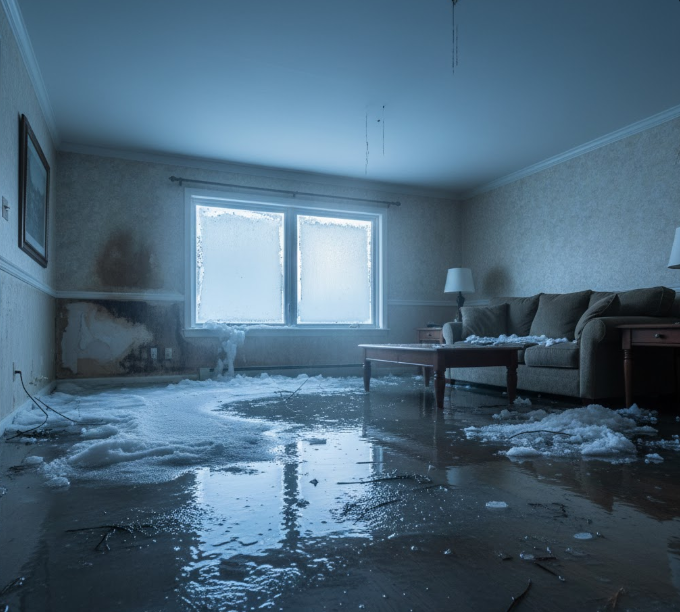
Insurance Considerations for Snowmelt Flooding
Many homeowners assume water damage is always covered by insurance, but coverage varies. Snowmelt flooding caused by groundwater intrusion may not be included in standard policies. Reviewing coverage and adding endorsements or flood insurance can prevent financial surprises.
Documentation is critical. Photograph damage, keep repair receipts, and contact your insurance provider as soon as snowmelt flooding occurs.
Snowmelt flooding is a powerful and often underestimated threat that can lead to extensive water damage, mold growth, and costly repairs. Understanding how snowmelt flooding occurs and how to fix it allows homeowners to take proactive steps that protect their property and their health.
From improving drainage and grading to responding quickly when water intrusion occurs, the right strategy makes all the difference. Professional restoration services ensure hidden damage is addressed thoroughly and safely.
If your home has experienced snowmelt flooding or you want to prevent future issues, expert help is essential.
Do not wait until minor water intrusion becomes major damage. If you are dealing with snowmelt flooding or want to safeguard your home before the next thaw, contact PuroClean of Northeast Tacoma today. Our trained professionals specialize in water damage restoration, drying, and mold prevention in Washington. Call (206) 929-0155 now to schedule an inspection and protect your home with confidence.