 PuroClean of Northeast Tacoma
Warning Signs You Cannot Ignore: Powerful Symptoms of Mold in Your House
Table of Contents
Mold growth inside a home is more than an inconvenience or a cosmetic issue. It is a serious problem that can affect your property, your finances, and most importantly your health. Many homeowners live with mold for months or even years without realizing it because the symptoms are often subtle at first. Understanding the symptoms of mold in a house is critical for early detection and fast action.
Mold thrives in damp, dark environments and can develop after water damage, plumbing leaks, flooding, high humidity, or poor ventilation. Once mold spores become airborne, they can spread quickly and impact indoor air quality. According to the Environmental Protection Agency, mold exposure can cause allergic reactions, respiratory problems, and other health complications, especially in children, seniors, and people with asthma or compromised immune systems.
This guide breaks down the most common and most overlooked symptoms of mold so you know exactly what to watch for. By recognizing the warning signs early, you can protect your home, your health, and avoid costly repairs down the line.
What Is Mold and Why It Grows Indoors
Mold is a type of fungus that reproduces by releasing microscopic spores into the air. These spores exist naturally outdoors, but problems arise when they enter a home and find moisture.
Common Causes of Indoor Mold Growth
- Roof leaks or damaged shingles
- Burst or leaking pipes
- Flooding or storm water intrusion
- High indoor humidity above 60 percent
- Poor ventilation in bathrooms, kitchens, and basements
- Wet carpets, drywall, or insulation
Once moisture is present for 24 to 48 hours, mold can begin to grow. Many homeowners assume mold must be visible to be dangerous, but hidden mold behind walls or under flooring can be just as harmful.
Why Mold Is a Serious Health Concern
Exposure to mold spores can trigger a wide range of physical reactions. The Centers for Disease Control and Prevention reports that mold exposure is linked to respiratory symptoms, allergic reactions, and worsening asthma conditions.
Children exposed to indoor mold are significantly more likely to develop respiratory illnesses. A study published in Environmental Health Perspectives found that mold exposure increases the risk of asthma development by up to 50 percent in children.
Understanding the symptoms of mold allows homeowners to take action before these risks escalate.
Common Symptoms of Mold in the Home
Respiratory Symptoms of Mold Exposure
Respiratory issues are among the most common symptoms of mold and often the first warning sign.
Persistent Coughing or Sneezing
If you or family members experience frequent coughing or sneezing indoors but feel better outside the home, mold could be the culprit. Mold spores irritate the respiratory system, causing ongoing discomfort.
Shortness of Breath
Difficulty breathing or feeling winded without exertion may indicate mold exposure, particularly for individuals with asthma or chronic lung conditions.
Wheezing and Chest Tightness
Wheezing, chest tightness, or a feeling of pressure in the chest are serious symptoms of mold that should not be ignored.
Allergy Like Symptoms That May Indicate Mold
Many people mistake mold exposure for seasonal allergies. The key difference is that mold symptoms often persist year round.
Nasal Congestion and Runny Nose
Chronic nasal congestion, sinus pressure, or a runny nose that does not improve with allergy medication can signal mold presence.
Itchy or Watery Eyes
Red, itchy, or watery eyes are common symptoms of mold exposure due to airborne spores irritating the mucous membranes.
Sore Throat
A persistent sore or scratchy throat without signs of infection can be linked to mold spores in the air.
Skin Related Symptoms of Mold
Mold does not only affect the lungs. It can also cause skin reactions.
Rashes or Hives
Unexplained rashes, hives, or skin irritation can develop after contact with mold spores or mold contaminated surfaces.
Itching or Burning Sensation
Skin that feels itchy or irritated without a visible cause may be reacting to mold exposure.
Neurological and Cognitive Symptoms of Mold
Long term mold exposure has been linked to neurological symptoms, especially in environments with toxic mold strains.
Headaches and Migraines
Frequent headaches or migraines that occur mainly at home may be one of the more subtle symptoms of mold.
Difficulty Concentrating
Brain fog, memory problems, or difficulty focusing have been reported by individuals exposed to mold over extended periods.
Fatigue
Unusual or persistent fatigue, even after adequate rest, can be related to mold exposure and poor indoor air quality.
Digestive and Immune System Symptoms
Mold exposure can weaken the immune system, making the body more vulnerable to illness.
Frequent Illness
If household members get sick often or take longer to recover, mold may be stressing the immune system.
Nausea or Digestive Issues
Some individuals experience nausea, stomach pain, or digestive discomfort linked to mold toxins.
Physical Signs of Mold Inside the House
Beyond personal health symptoms, your home itself may show warning signs.
Musty or Earthy Odors
A persistent musty smell is one of the clearest indicators of hidden mold. Even if you cannot see mold, the odor often means it is present.
Visible Mold Growth
Mold may appear as black, green, white, or gray spots on walls, ceilings, or around windows. Visible growth is a clear sign that moisture issues exist.
Water Stains or Discoloration
Brown or yellow stains on walls or ceilings often indicate past or ongoing water damage that can support mold growth.
Peeling Paint or Warped Walls
Moisture trapped behind walls can cause paint to peel or drywall to warp, creating ideal conditions for mold.
Symptoms of Mold in Specific Areas of the Home
Bathroom Mold Symptoms
Bathrooms are high moisture environments. Mold in bathrooms often causes strong odors, visible discoloration on grout, and respiratory irritation.
Basement Mold Symptoms
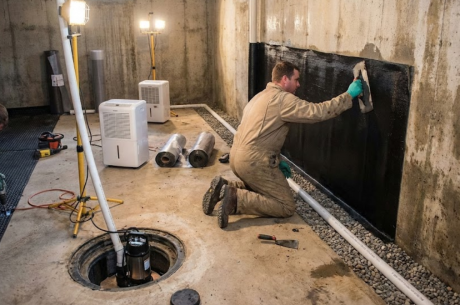
Basements commonly develop mold due to poor ventilation and moisture seepage. Symptoms often include headaches, coughing, and fatigue when spending time in the space.
HVAC Related Mold Symptoms
Mold inside HVAC systems spreads spores throughout the home. Symptoms worsen when heating or cooling systems are running.
Who Is Most at Risk From Mold Exposure
Certain groups are more vulnerable to mold related health problems.
- Infants and children
- Elderly individuals
- People with asthma or allergies
- Individuals with compromised immune systems
For these groups, even mild mold exposure can cause severe symptoms.
When Symptoms of Mold Should Not Be Ignored
If symptoms worsen over time, improve when leaving the home, or affect multiple household members, professional inspection is critical. Mold does not go away on its own and surface cleaning rarely solves the underlying problem.
Why Professional Mold Remediation Matters
DIY cleaning may remove visible mold, but it does not address hidden growth or moisture sources. Professional remediation ensures mold is safely removed and prevented from returning.
According to industry data, improper mold removal can spread spores and make contamination worse. Certified professionals use containment, air filtration, and moisture control to fully resolve the issue.
How PuroClean of Northeast Tacoma Helps
PuroClean of Northeast Tacoma specializes in identifying and eliminating mold at its source. Their trained technicians assess moisture issues, locate hidden mold, and perform thorough remediation to restore safe indoor air quality.
They use industry approved methods and advanced equipment to protect your home and health.
Do Not Ignore the Symptoms of Mold
The symptoms of mold are often subtle at first, but they can escalate into serious health and property issues if ignored. From respiratory problems and skin irritation to fatigue and persistent odors, mold affects both people and homes in significant ways.
Early detection and professional remediation are key to preventing long term damage. If you suspect mold in your home or are experiencing any of the symptoms discussed, taking action now can save you time, money, and stress.
If you are noticing symptoms of mold in your home or want peace of mind from a professional inspection, contact PuroClean of Northeast Tacoma today. Their experienced team is ready to help protect your property and your health.
Call PuroClean of Northeast Tacoma at (206) 929-0155 to schedule an inspection or mold remediation service now.


 PuroClean of Northeast Tacoma