


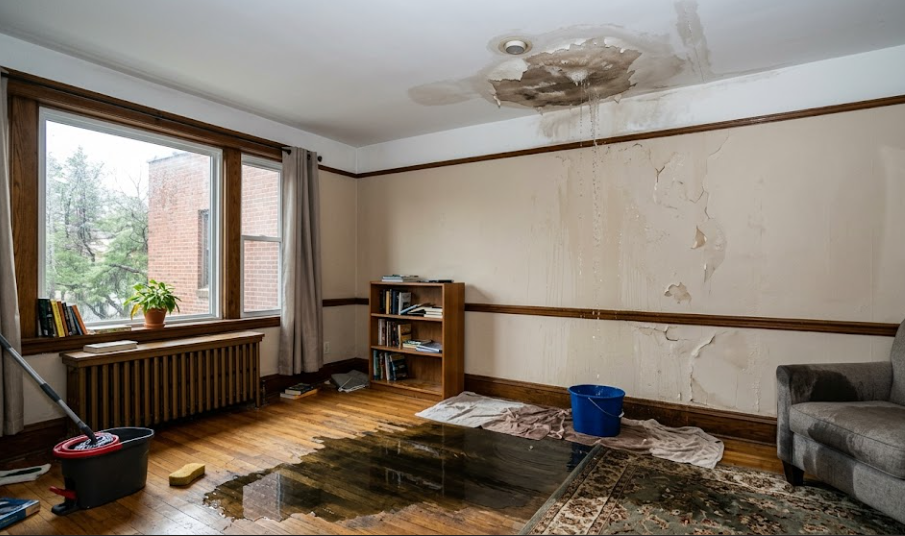
Water Leak in Fife Heights – Urgent Expert Recovery Guide
Table of Contents
A water leak in Fife Heights is never a minor inconvenience. What begins as a slow drip under a sink, a damp patch on the ceiling, or a soft spot on the floor can escalate rapidly into thousands of dollars of structural damage, mold growth, and compromised indoor air quality if it is not identified and addressed with the urgency it deserves.
Fife Heights, the established residential neighborhood perched above the tideflats on Tacoma’s east side, sits in a region where the Pacific Northwest climate creates year-round conditions that amplify every water-related risk a homeowner faces. Elevated humidity, heavy seasonal rainfall, and an older housing stock combine to make water leak detection and rapid professional response genuinely critical for property owners in this community.
This comprehensive guide covers every aspect of dealing with a water leak in Fife Heights: the most common causes, the warning signs that a leak is developing or already established, the serious damage that delayed action causes, what homeowners should do the moment they discover a leak, and why professional water damage restoration is the correct response to any water leak event that has affected building materials. Whether you are actively dealing with a water leak right now or want to protect your Fife Heights home proactively, this guide provides the expert information you need to act decisively and correctly.
Why Water Leaks in Fife Heights Are Especially Damaging
Fife Heights homeowners face a specific combination of risk factors that make water leaks particularly consequential compared to properties in drier regions or newer construction markets. Understanding these local factors helps explain why prompt, professional response to any water leak in Fife Heights is so important.
The Pacific Northwest Climate Accelerates Every Water Damage Risk
Tacoma and the surrounding neighborhoods, including Fife Heights, experience some of the highest ambient humidity levels of any major metropolitan area in the continental United States. Relative humidity regularly exceeds 80 to 90 percent during the fall, winter, and spring months, and even summer brings elevated moisture levels compared to inland regions. This baseline humidity means that water introduced into building materials by a leak has far less opportunity to evaporate and dry naturally than it would in a drier climate. Building materials stay wet longer, mold establishes itself faster, and structural deterioration progresses more rapidly in the Pacific Northwest than virtually anywhere else in the country.
The Environmental Protection Agency states that mold can begin colonizing wet surfaces in as little as 24 to 48 hours. In Fife Heights’s climate, that timeline is reliably at the short end of the range. A water leak that goes unaddressed for even a few days creates near-certain conditions for mold growth in any affected building materials.
Fife Heights Housing Stock and Infrastructure Age
Fife Heights is an established neighborhood with a significant portion of its housing inventory dating to the mid-twentieth century. Homes built in this era commonly have galvanized steel water supply pipes that are now decades past their design life. As galvanized steel pipes age, internal corrosion produces progressive narrowing of the pipe bore and, eventually, pinhole leaks that begin slowly and accelerate over time.
These leaks are often inside wall cavities or beneath floors, where they go undetected for extended periods. Water heaters, supply line hoses to appliances, and plumbing fixtures in older Fife Heights homes are similarly at elevated risk due to age and cumulative wear. A water leak in Fife Heights that originates from aging infrastructure can be releasing water steadily for weeks before any surface sign appears.
Slope and Drainage Characteristics of the Neighborhood
Fife Heights sits on elevated terrain above the Puyallup River tideflats, and the neighborhood’s hillside topography creates specific drainage and water intrusion risks. Surface water from heavy rainfall events follows natural grades and can pool against foundation walls or enter crawlspaces where drainage is inadequate.
Homes on the lower edges of slopes may experience groundwater pressure against foundation walls during sustained wet weather, leading to basement and crawlspace water intrusion that compounds any interior plumbing leak situation. Understanding this topographic context helps Fife Heights homeowners recognize that water leak risks extend beyond the plumbing system to include exterior and ground-level water management.
Most Common Causes of Water Leaks in Fife Heights Homes
Water leaks in residential properties originate from a predictable set of sources. In Fife Heights, the following causes are most frequently encountered by water damage restoration professionals.
Plumbing Supply Line Failures
Supply lines to toilets, sinks, refrigerators, dishwashers, and washing machines are among the most common sources of water leaks in Fife Heights homes. Braided steel supply lines have a recommended replacement interval of five to seven years, but many homeowners replace them only after they fail. When a supply line fails catastrophically, it can release hundreds of gallons of water in a matter of hours. When a supply line develops a slow seep at a fitting or along the hose body, it may release water continuously for weeks before the dampness underneath a sink or behind an appliance becomes noticeable.
Toilet Wax Ring and Flange Failures
The wax ring that seals a toilet to the drain flange is a component that most homeowners never think about until it fails. A deteriorated or improperly seated wax ring allows wastewater to leak at the base of the toilet with every flush. This water travels beneath the toilet base, into the subfloor, and often into the ceiling of the room below. By the time dark staining appears on a first-floor ceiling below an upstairs bathroom, significant subfloor damage and potentially mold growth are already present. Water leaks in Fife Heights from wax ring failures are frequently discovered only when the bathroom floor feels soft or springy underfoot – a sign that the subfloor has been compromised.
Water Heater Failures and Tank Leaks
Standard tank water heaters have a service life of eight to twelve years. As they age, the glass lining of the tank develops microscopic cracks that allow water contact with the steel tank body, leading to corrosion and eventual leaks. A failing water heater may develop a slow drip at the pressure relief valve, at inlet or outlet connections, or at the base of the tank. In Fife Heights homes where water heaters are located in closets, utility rooms, or garages adjacent to living spaces, even a slow water heater leak can damage flooring, walls, and adjacent cabinetry before it is noticed.
Roof Leaks and Attic Water Intrusion
Fife Heights rooftops face direct exposure to Tacoma’s prevailing storm systems. Composition shingle roofs that are past their replacement interval, damaged or missing flashing at penetrations and valleys, and clogged gutters that allow water to back up under roofing materials all create pathways for water to enter the structure from above. Roof-sourced water leaks in Fife Heights homes frequently travel through the attic and down through wall framing before appearing as ceiling stains or wall discoloration in living spaces. By the time a homeowner notices a stain, the water has often been present in the attic insulation and structural framing for a significant period.
Shower Pan and Tile Grout Failures
Shower enclosures are a concentrated source of water exposure in any home. When the shower pan membrane fails, grout lines crack or deteriorate, or caulking at tile-to-fixture transitions separates, water from daily shower use penetrates the substrate and begins saturating the surrounding wall and floor assembly. A water leak in Fife Heights from a shower that is used daily can introduce significant cumulative moisture into adjacent walls and subflooring over a period of months. The first indication is often a soft spot on the floor beside the shower, a deteriorating tile surface, or a musty odor in the bathroom or an adjacent room.
HVAC Condensate Drainage Problems
Air conditioning systems and heat pump units produce condensate that must drain properly. When condensate drain lines become clogged with algae or debris, or when drain pan floats fail to trigger the system shutoff, condensate overflows and runs into surrounding building materials. In Fife Heights homes with air handlers located in attics, closets, or interior mechanical spaces, a condensate overflow can damage ceilings, walls, and structural components before being discovered. This type of water leak is most commonly encountered during the summer cooling season when HVAC systems run continuously.
Warning Signs of a Water Leak in Fife Heights You Should Never Ignore
Water leaks frequently develop gradually, giving observant homeowners the opportunity to catch them before damage becomes severe. Know these warning signs and respond to each one promptly rather than waiting to see if the problem resolves or worsens.
Unexplained Increases in Your Water Bill
A water leak that runs continuously – a dripping supply line, a running toilet flapper, a weeping pipe fitting – wastes water around the clock. If your City of Tacoma or Lakehaven Utility District water bill has increased unexpectedly without a change in usage patterns, a hidden water leak in your Fife Heights home is a likely explanation. Comparing month-over-month consumption data on your utility account can help quantify any unexpected increase.
Discoloration or Staining on Ceilings, Walls, or Floors
Yellow, brown, or tan staining on interior surfaces indicates that water has migrated through building materials and deposited minerals as it dried at the surface. Even a small stain deserves investigation, because the visible surface stain is typically a fraction of the moisture-affected area behind it. Paint that is bubbling or peeling away from the surface, wallboard that appears swollen or misshapen, and flooring that shows discoloration along seams or near fixtures all warrant immediate professional moisture assessment.
Musty or Earthy Odors
Mold growth produces volatile organic compounds that create a distinctive musty or earthy smell. If any room or area of your Fife Heights home has developed an unexplained odor of this type, a water leak creating mold-supporting moisture conditions is a likely source. The odor may be strongest near the affected wall, floor, or ceiling area, or it may permeate the room generally when mold has established itself inside a wall cavity. Do not dismiss a musty odor as normal for an older home – investigate it promptly.
Soft, Springy, or Buckling Flooring
Floor surfaces that feel soft or springy underfoot, that show visible buckling or lifting along seams, or that sound hollow when walked upon may have a compromised subfloor due to sustained moisture exposure from a water leak. This is a serious structural finding that indicates the subfloor has absorbed enough moisture to lose integrity, and it warrants immediate professional assessment to determine the extent of damage and the appropriate repair scope.
Visible Mold Growth
Any visible mold growth – regardless of color, size, or location – is a reliable indicator that a water source has been providing sustained moisture to that area. Mold does not grow without moisture, and its presence confirms that a water leak or chronic moisture condition has been active. Do not attempt to clean visible mold without first identifying and correcting the underlying water source – mold will return within days if the moisture source remains active.
What to Do Immediately When You Discover a Water Leak in Fife Heights
The actions you take in the first hour after discovering a water leak in your Fife Heights home have an outsized impact on the extent of the resulting damage and the cost of restoration. Follow these steps in sequence.
Shut Off the Water Supply
If the leak is from a plumbing source, shut off the water supply to the affected fixture using the local shutoff valve, or shut off the main water supply to the home if the local valve is inaccessible or if the source is unclear. Stopping the flow of water is the single most important immediate action you can take – every minute the water continues to flow, more building material is saturated and the damage expands.
Document the Damage Thoroughly
Before touching or moving anything, photograph and video the affected area from multiple angles. Capture the source of the leak if identifiable, all visible water, all staining, and any damaged materials. This documentation is essential for your homeowners insurance claim and establishes the condition of the property before any remediation work begins.
Remove Standing Water if Safe to Do So
Use towels, mops, and a wet-dry vacuum to remove any accessible standing water from hard floor surfaces. Do not use a standard vacuum cleaner on standing water. Avoid walking through standing water near electrical outlets, panels, or fixtures. If there is any concern about electrical safety in the affected area, wait for professional assessment before entering.
Contact Your Homeowners Insurance Company
Notify your insurer promptly after any significant water leak event. Request your claim number, your adjuster’s contact information, and clarification on whether you need to wait for adjuster inspection before allowing restoration work to begin. Most policies require prompt notification and give restoration companies the latitude to begin emergency mitigation immediately to prevent further damage.
Call a Professional Water Damage Restoration Company
This is not a step to delay. A professional water damage restoration company responds to water leak emergencies around the clock, brings professional moisture detection equipment to map the full extent of hidden damage, and deploys commercial drying systems that prevent mold growth from establishing in saturated building materials. In Fife Heights’s climate, the window between water intrusion and mold colonization is 24 to 48 hours – professional response within this window is the most important factor in limiting the scope and cost of water damage restoration.
The Professional Water Leak Restoration Process for Fife Heights Homes
When a professional water damage restoration company responds to a water leak in Fife Heights, the work follows a systematic process designed to achieve complete moisture elimination and full structural restoration.
Moisture Mapping and Damage Assessment
Professional technicians use pin-type and pinless moisture meters, thermal imaging cameras, and in some cases borescope inspection to map every area of elevated moisture in the structure – including areas that are not visually apparent. This comprehensive mapping ensures that no moisture pocket is missed and that the drying plan addresses the full extent of the damage rather than only the visible portion.
Water Extraction
Any standing or pooled water is extracted using truck-mounted and portable extraction equipment capable of removing large volumes quickly. Specialty extraction tools address water in carpet, under flooring, and in other locations that standard extraction equipment cannot reach effectively.
Structural Drying with Commercial Equipment
Commercial air movers and industrial dehumidifiers are deployed in a calculated configuration designed to create the vapor pressure differential needed to draw moisture from saturated building materials and remove it from the air. In Fife Heights’s humid climate, the building is sealed from outside air during drying to prevent the introduction of additional outdoor moisture that would slow the process. Specialty cavity drying equipment addresses moisture in wall and ceiling assemblies. Daily moisture readings track progress and confirm when target moisture levels have been reached in all structural materials.
Mold Assessment and Remediation
If mold growth has established itself before or during the drying process, certified mold remediation follows the drying phase. Affected materials are removed under containment, remaining structural surfaces are treated with antimicrobial agents, and post-remediation air quality testing verifies that mold spore counts have returned to acceptable levels before reconstruction begins.
Reconstruction and Restoration
With the structure confirmed dry and any mold remediated, reconstruction of damaged building components – drywall, flooring, insulation, cabinetry, and trim – restores the home to its pre-leak condition. A full-service restoration company manages the entire reconstruction process, providing a single point of accountability from the initial emergency response through the final coat of paint.
Does Homeowners Insurance Cover a Water Leak in Fife Heights
Whether your homeowners insurance covers damage from a water leak in your Fife Heights home depends on the nature and cause of the leak. Standard homeowners policies cover sudden and accidental water damage – a supply line that fails unexpectedly, a toilet that overflows without warning, a water heater that ruptures suddenly. These events are covered under the dwelling portion of the policy, and the cost of professional water damage restoration is a legitimate claim expense.
Coverage is typically denied for damage from gradual leaks that a homeowner knew about or should have known about and failed to address – a slow drip under a sink that was ignored for months, a roof that was known to be failing but not repaired. This distinction makes prompt reporting of any water leak essential, both to protect your coverage position and to establish the timeline of the event for your insurer.
According to the Insurance Information Institute, water damage and freezing account for nearly 24 percent of all homeowners insurance claims nationally, with an average claim exceeding $11,000. In the Pacific Northwest market, where labor and material costs are above the national average and the scope of damage in humid-climate situations tends to be more extensive, costs frequently run higher. Working with an experienced restoration company that documents damage thoroughly and communicates effectively with adjusters is one of the most important steps toward a fair and complete insurance settlement.
Preventing Water Leaks in Your Fife Heights Home
Proactive maintenance significantly reduces the risk and consequences of water leaks in Fife Heights properties. The following practices address the most common leak sources and provide the earliest possible warning when a problem develops.
Replace braided supply lines to all toilets, sinks, and appliances on a five-to-seven-year schedule regardless of visible condition. Supply line failures are one of the most common and most preventable causes of water damage in residential properties.
Have your plumbing system inspected by a licensed plumber every three to five years, with particular attention to the condition of any galvanized steel pipes remaining in the system. Older Fife Heights homes with galvanized supply plumbing are candidates for complete replumbing with copper or PEX – an investment that eliminates the ongoing risk of pinhole leaks throughout the system.
Inspect your roof annually and after any significant storm event. Pay particular attention to flashings at penetrations, valleys, and the roof-to-wall intersections where water intrusion most commonly begins. Clean gutters at least twice per year – fall and spring – to ensure they drain freely and do not allow water to back up under roofing materials.
Install water leak detection sensors under sinks, behind appliances, near the water heater, and in the crawlspace or basement. Smart leak sensors that alert to a smartphone provide immediate notification of moisture presence even when you are away from home – eliminating the days or weeks of undetected leaking that cause the most damage.
Have your HVAC system serviced annually, including inspection and clearing of the condensate drain line. A simple condensate drain cleaning that costs a small amount prevents the overflow events that can silently damage ceilings and walls in Fife Heights homes over an entire cooling season.
Fast Professional Response to a Water Leak in Fife Heights Saves Homes
A water leak in Fife Heights is a time-sensitive emergency, not a problem to monitor and address when convenient. In the Pacific Northwest climate, the combination of high ambient humidity, older housing stock, and the speed at which mold establishes itself in wet building materials means that the cost and complexity of water damage escalate rapidly with every hour of delay. The homeowners who experience the best outcomes – least damage, most complete restoration, most successful insurance claims – are consistently those who responded immediately and called professionals without hesitation.
If you are dealing with a water leak in Fife Heights right now, or if you have noticed any of the warning signs described in this guide, call PuroClean of Northeast Tacoma at (206) 929-0155 immediately.
Our certified water damage restoration specialists respond around the clock, arrive with professional moisture detection equipment, and deploy commercial drying systems that protect your home from the full consequences of water damage. We document everything thoroughly, work directly with your insurance company, and restore your Fife Heights home completely. Do not wait – call PuroClean of Northeast Tacoma right now and get the expert response your home deserves.