 PuroClean of Northeast Tacoma
Table of Contents
When a flood, water leak, or sewage backup strikes your home, it can leave behind more than just a mess—it can create serious structural, health, and safety risks. The first few hours after discovering water or sewage damage are critical. Acting quickly and correctly can minimize long-term issues like mold growth, foundation damage, and contamination.
Here’s a complete guide on what you should do after a flood, water, or sewage leak to protect your property and your health.
What You Should do After a Flood, Water or Sewage Leak
1. Prioritize Safety First
Before you step into a flooded area, make sure it’s safe to enter. Water damage often leads to electrical hazards, structural instability, and contamination—especially if sewage is involved.
- Turn off electricity and gas at the main breaker if you can do so safely.
- Avoid standing water that might be in contact with electrical outlets or wires.
- Wear protective gear such as rubber boots, gloves, and a mask to prevent exposure to bacteria and chemicals in the water.
- If there’s sewage backup, assume the water is contaminated and do not attempt to clean it yourself.
If you suspect the structure has been compromised or the flooding is severe, leave the premises and call professionals immediately.
2. Stop the Source of Water (If Possible)
If the flooding is due to a broken pipe, appliance, or overflowing toilet, locate the water shutoff valve and turn it off right away.
For sewage leaks, avoid flushing toilets or running water until the issue is resolved.
If the water is coming from outside due to heavy rain or a natural flood, try to divert the flow using sandbags or barriers—only if it’s safe to do so.
3. Document the Damage for Insurance
Before you begin cleanup, take photos and videos of all affected areas, including damaged walls, floors, furniture, and belongings.
Proper documentation will make your insurance claim process smoother and ensure you receive fair compensation.
- Keep a record of the extent and duration of the flooding.
- Note any visible mold growth, sewage contamination, or standing water.
- Save all receipts related to emergency expenses or professional cleanup services.
4. Remove Excess Water (If Safe)
Once you’ve ensured safety and stopped the source, start removing standing water.
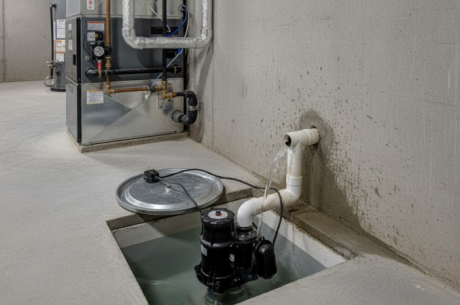
- Use a wet/dry vacuum or a sump pump to extract water from floors.
- Mop or blot smaller areas with towels.
- Remove soaked carpets, rugs, and furniture to prevent mold.
However, if sewage is present or the flooding has affected multiple rooms, do not attempt to clean it yourself. Sewage-contaminated water can contain harmful bacteria, viruses, and parasites. Professional water and sewage restoration experts use specialized equipment and disinfectants to remove the contamination safely.
5. Dry and Dehumidify the Area
Even after visible water is gone, moisture remains trapped in walls, flooring, and furniture. If left unchecked, this moisture can lead to mold growth within 24–48 hours.
- Use fans and dehumidifiers to accelerate the drying process.
- Open windows and doors to improve air circulation (weather permitting).
- Remove baseboards, drywall, and insulation that have absorbed water—these materials can’t be properly dried and must be replaced.
Professional restoration companies use industrial-grade drying equipment and moisture meters to ensure every surface is thoroughly dried before rebuilding begins.
6. Disinfect and Sanitize
Floodwater and sewage backups carry contaminants that can pose serious health risks. Once the area is dry, disinfect all hard surfaces with EPA-approved disinfectants.
Pay special attention to:
- Floors and walls
- Bathrooms and kitchens
- HVAC systems and vents
If the damage involves sewage or black water, professional disinfection is essential to eliminate bacteria, mold spores, and foul odors completely.
7. Check for Mold and Structural Damage
After water removal and drying, inspect your property for signs of mold or structural issues.
Look for:
- Musty smells
- Discoloration on walls or ceilings
- Warping or cracking of wood and drywall
Mold can begin growing within as little as one day after water exposure, so it’s crucial to schedule a professional mold inspection and remediation if you notice any suspicious signs.
8. Call a Professional Water Damage Restoration Company
While DIY cleanup might seem cost-effective, hidden moisture and contamination can lead to bigger problems later—like mold, rotting structures, and health hazards.
Hiring certified professionals ensures the job is done safely, efficiently, and thoroughly.
At PuroClean, we specialize in water, flood, and sewage damage restoration. Our team responds quickly to emergencies, using advanced equipment to extract water, dry your property, and sanitize every affected surface. We handle everything from cleanup and deodorization to mold prevention and structural restoration—so you can get your home back to normal fast.
Final Thoughts
Experiencing a flood, leak, or sewage backup is stressful, but you don’t have to handle it alone. Acting quickly and calling professionals can prevent further damage and protect your health.
If you’ve experienced flood, water or sewage damage in Tacoma, contact PuroClean today on (206) 929-0155. Our experts are available 24/7 to restore your home or business safely and effectively.
📞 Call us now on (206) 929-0155 to schedule emergency water damage cleanup and restoration—you can count on PuroClean to bring your property back to life.


 PuroClean of Northeast Tacoma