


Critical Winter Pipe Damage Repair Guide for Homeowners
Table of Contents
Winter brings freezing temperatures, heavy snowfall, and icy winds that can put immense stress on your home’s plumbing system. One of the most costly and disruptive cold weather issues homeowners face is winter pipe damage. When pipes freeze, crack, or burst, the result is often extensive water damage, unexpected repair bills, and significant disruption to daily life.
Understanding how winter pipe damage occurs, how to identify early warning signs, and what to do when damage happens can save thousands of dollars and prevent long term property damage.
This in depth guide to winter pipe damage repair is designed to help homeowners protect their property, respond quickly to plumbing emergencies, and make informed decisions about repairs and restoration. Whether you are dealing with frozen pipes right now or want to prepare before the next cold snap, this resource offers practical, expert backed insights you can rely on.
Understanding Winter Pipe Damage
What Is Winter Pipe Damage
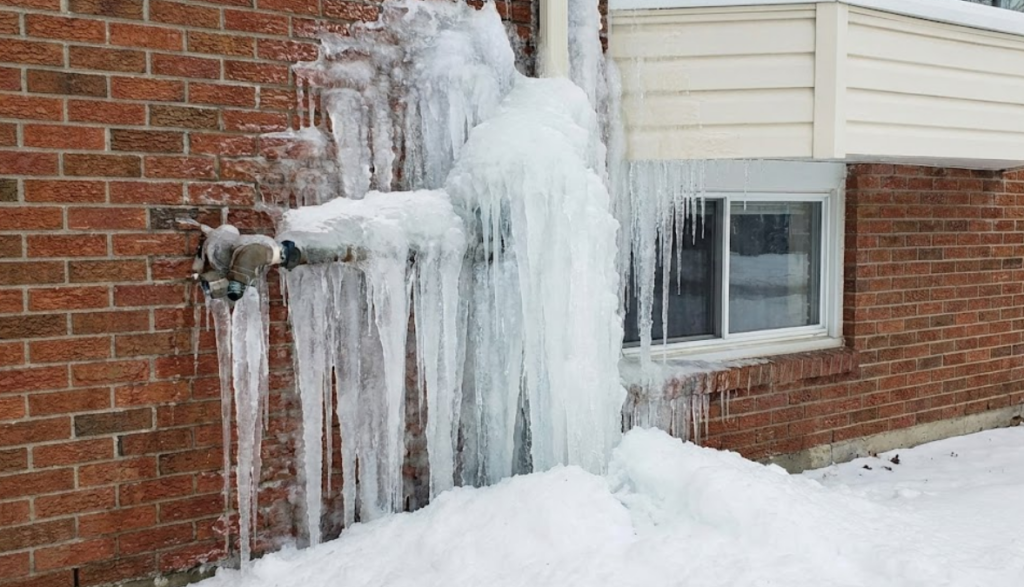
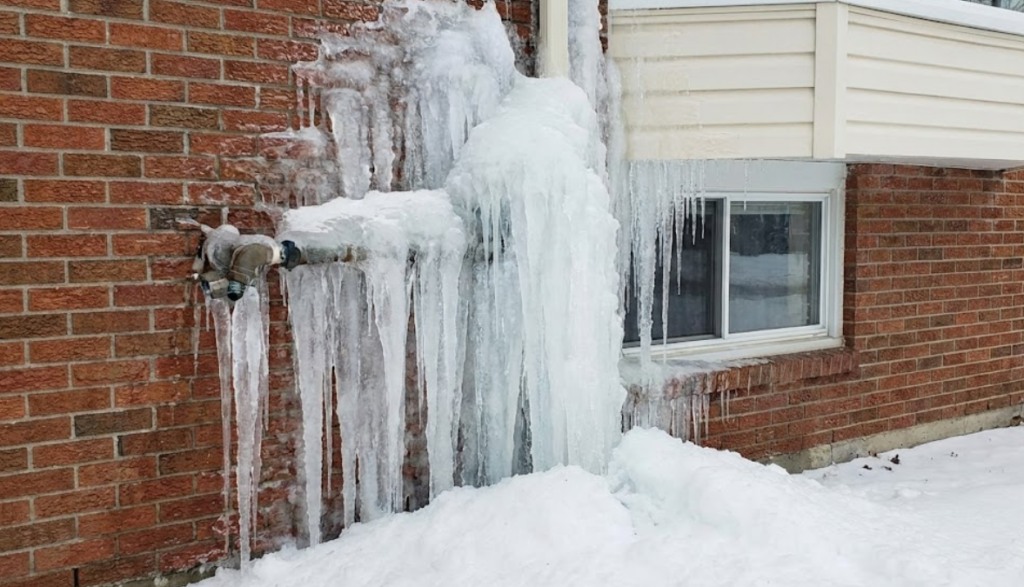
Winter pipe damage occurs when water inside plumbing pipes freezes due to prolonged exposure to cold temperatures. As water freezes, it expands by approximately nine percent. This expansion places extreme pressure on pipe walls, which can lead to cracks or complete pipe bursts. Contrary to popular belief, pipes often burst not at the frozen section itself, but at a weaker point nearby where pressure builds.
According to the Insurance Information Institute, frozen pipes are among the leading causes of winter related property damage claims, accounting for billions of dollars in losses each year across the United States.
Why Winter Pipe Damage Is So Common
Winter pipe damage is common because many homes are not designed to handle prolonged freezing temperatures, especially in areas that do not experience harsh winters every year. Factors that increase risk include poor insulation, aging plumbing systems, unheated spaces, and sudden temperature drops.
Even newer homes are not immune. Any pipe that carries water and is exposed to cold air can freeze under the right conditions.
Common Causes of Winter Pipe Damage
Freezing Temperatures
Sustained temperatures below 32 degrees Fahrenheit are the primary cause of winter pipe damage. Pipes located in exterior walls, crawl spaces, basements, garages, and attics are particularly vulnerable.
Poor Pipe Insulation
Pipes without proper insulation lose heat quickly. Foam sleeves, fiberglass wraps, and heat tape are essential for reducing the risk of freezing in cold areas of the home.
Lack of Heat in the Home
Turning down the thermostat too low or leaving a home unheated during winter travel significantly increases the risk of winter pipe damage. Even a short period without heat during extreme cold can cause pipes to freeze.
Blocked or Slow Moving Water
Pipes that do not allow water to flow freely are more likely to freeze. Small drips can help prevent freezing, while stagnant water increases the chance of ice formation.
Signs of Winter Pipe Damage
Reduced or No Water Flow
If water flow suddenly decreases or stops entirely during freezing weather, a pipe may be frozen.
Frost on Exposed Pipes
Visible frost on pipes is a clear warning sign that winter pipe damage may be imminent.
Strange Odors from Drains
Frozen pipes can trap debris and sewer gases, causing unusual smells inside the home.
Water Stains or Damp Areas
Once a pipe cracks or bursts, water may leak behind walls, ceilings, or floors. Discoloration, bubbling paint, or warped materials are common indicators.
Unusual Sounds
Banging, cracking, or gurgling sounds from pipes can indicate ice expansion or pressure buildup.
Immediate Steps to Take When Winter Pipe Damage Occurs
Shut Off the Water Supply
If you suspect winter pipe damage or discover a burst pipe, immediately shut off the main water valve to prevent further flooding.
Turn Off Electricity in Affected Areas
If water is leaking near electrical outlets or appliances, turn off power to the affected area to reduce the risk of electrical hazards.
Open Faucets
Opening faucets helps relieve pressure in the system and allows melting ice to escape.
Begin Controlled Thawing
If a pipe is frozen but not burst, you can attempt to thaw it using warm air from a hair dryer or space heater. Never use open flames, which pose a serious fire risk.
Call a Professional Restoration Company
Winter pipe damage repair often involves more than fixing plumbing. Water extraction, structural drying, and mold prevention are critical steps best handled by trained professionals.
Call Puroclean on (206) 929-0155 today to fix winter pipe damage near you in Tacoma. We schedule immediate assistance or preventative services and restore your peace of mind.
Professional Winter Pipe Damage Repair Process
Inspection and Damage Assessment
Professionals begin by identifying the source and extent of winter pipe damage. This may involve moisture meters, thermal imaging, and pressure testing.
Pipe Repair or Replacement
Damaged sections of pipe are repaired or replaced depending on severity. In some cases, upgrading to more freeze resistant materials may be recommended.
Water Extraction
Standing water is removed using commercial grade pumps and vacuums to prevent secondary damage.
Structural Drying
High powered air movers and dehumidifiers are used to dry walls, floors, and hidden cavities.
Mold Prevention and Remediation
Mold can begin growing within 24 to 48 hours after water exposure. Proper winter pipe damage repair includes antimicrobial treatments and mold mitigation when necessary.
Restoration and Repairs
The final step restores affected areas to pre loss condition. This may include drywall replacement, flooring repair, painting, and finishing work.
The True Cost of Winter Pipe Damage
According to industry data, the average cost of a frozen pipe insurance claim ranges from $5,000 to $15,000, depending on severity. Severe cases involving extensive flooding can exceed $50,000.
Costs increase when winter pipe damage is not addressed promptly. Hidden moisture can lead to mold growth, structural deterioration, and long term indoor air quality issues.
Preventing Winter Pipe Damage
Insulate Vulnerable Pipes
Insulating exposed pipes is one of the most effective ways to prevent winter pipe damage. Focus on pipes in unheated areas.
Maintain Consistent Indoor Temperatures
Keep your thermostat set to at least 55 degrees Fahrenheit, even when away from home.
Seal Air Leaks
Cold air entering through cracks and gaps can freeze nearby pipes. Seal openings around windows, doors, and utility penetrations.
Allow Faucets to Drip
During extreme cold, letting faucets drip slightly can keep water moving and reduce freezing risk.
Drain Outdoor Plumbing
Disconnect garden hoses and shut off exterior water lines before winter begins.
Schedule a Plumbing Inspection
Annual inspections can identify vulnerabilities before winter pipe damage occurs.
Insurance Coverage for Winter Pipe Damage
Most homeowners insurance policies cover sudden and accidental winter pipe damage. However, coverage may be denied if damage results from neglect or failure to maintain adequate heat.
Document damage with photos and contact your insurance provider immediately. Professional restoration companies often assist with documentation and claims coordination.
Why Fast Response Matters
Time is the most critical factor in winter pipe damage repair. The longer water remains in the structure, the greater the damage and the higher the restoration costs.
Industry studies show that responding within the first 24 hours can reduce total damage costs by up to 40 percent.
Choosing the Right Winter Pipe Damage Repair Company
Look for Experience and Certification
Choose a company with proven expertise in winter pipe damage repair and water damage restoration.
Verify 24 Hour Emergency Services
Pipe bursts do not follow business hours. Rapid response is essential.
Check Reviews and Local Reputation
A trusted local provider with positive reviews is more likely to deliver reliable results.
Ensure Full Service Restoration
The best companies handle everything from pipe repair to full structural restoration.
Long Term Risks of Ignoring Winter Pipe Damage
Ignoring winter pipe damage can lead to recurring leaks, mold infestations, weakened structural components, and reduced property value. Even small cracks can worsen over time, especially during repeated freeze thaw cycles.
Addressing winter pipe damage promptly protects your home, your health, and your financial investment.
Conclusion
Winter pipe damage is a serious but manageable threat for homeowners. By understanding the causes, recognizing early warning signs, and acting quickly when issues arise, you can minimize damage and reduce repair costs. Professional winter pipe damage repair ensures not only that pipes are fixed, but that your home is fully dried, sanitized, and restored.
Preparation and fast action are the keys to protecting your property during cold weather. Do not wait until a small issue turns into a major disaster.
If you are dealing with winter pipe damage or want expert help with winter pipe damage repair, trust the professionals at PuroClean of Northeast Tacoma. Our team provides fast, reliable, and thorough restoration services to protect your home from further damage. Call Puroclean on (206) 929-0155 today to fix winter pipe damage near you in Tacoma. We schedule immediate assistance or preventative services and restore your peace of mind.