Revitalizing Wayne State University’s Laundry Room: A Case Study in Swift Recovery After Water Damage
Abstract: Wayne State University faced a significant challenge when its laundry room became inoperable due to water damage. With students relying on this facility and the university incurring costs to outsource laundry services, a rapid turnaround was imperative. This case study explores the strategies employed to restore the laundry room within a week, minimizing disruption to students and reducing financial burdens.
Introduction: Wayne State University, located in Detroit, Michigan, boasts a vibrant campus community with numerous amenities catering to student needs. One such essential service is the on-campus laundry room, relied upon by hundreds of students residing in university housing. However, an unforeseen water loss incident rendered the laundry room non-functional, necessitating immediate action to address the issue and mitigate disruptions to student life.
Challenge: The water damage inflicted upon Wayne State University’s laundry room posed several immediate challenges:
Disruption to Student Life: The inoperability of the laundry room disrupted the daily routines of students, many of whom relied on this facility for their laundry needs.
Financial Costs: The university incurred additional expenses by outsourcing laundry services for affected students, leading to an unforeseen financial burden.
Tight Timeline: With students relying on the laundry room, there was immense pressure to expedite the restoration process and minimize downtime.
Solution: To address the challenges posed by the water damage incident, Wayne State University swiftly implemented a comprehensive plan:
Rapid Assessment: A team of maintenance personnel and contractors conducted a thorough assessment of the damage to determine the extent of repairs required and develop a prioritized action plan.
Expedited Restoration: Leveraging external resources and round-theclock efforts, the university expedited the restoration process by coordinating with specialized contractors to repair damaged infrastructure, including plumbing, electrical systems, and flooring.
Temporary Facilities: Recognizing the urgency of the situation, the university set up temporary laundry facilities in designated areas on campus to accommodate students during the restoration period. These facilities were equipped with washers, dryers, and vending machines for detergent and fabric softener.
Communication and Support: Throughout the restoration process, the university maintained open lines of communication with students, providing regular updates via email, social media, and campus announcements. Additionally, the university offered support services to affected students, including assistance with laundry expenses and access to counseling resources to manage stress and anxiety.
Results: Through coordinated efforts and decisive action, Wayne State University successfully revitalized the laundry room within a week, achieving the following outcomes:
Minimal Disruption: Despite the initial setback, students experienced minimal disruption to their daily routines, thanks to the prompt restoration of laundry facilities.
Cost Savings: By swiftly restoring the laundry room, the university mitigated the need for prolonged outsourcing of laundry services, resulting in significant cost savings.
Enhanced Resilience: The successful turnaround of the laundry room showcased the university’s resilience and ability to adapt to unforeseen challenges, bolstering confidence among students and stakeholders.
Positive Student Experience: The university’s proactive approach to addressing the water damage incident garnered praise from students, who appreciated the swift response and support provided during a challenging time.
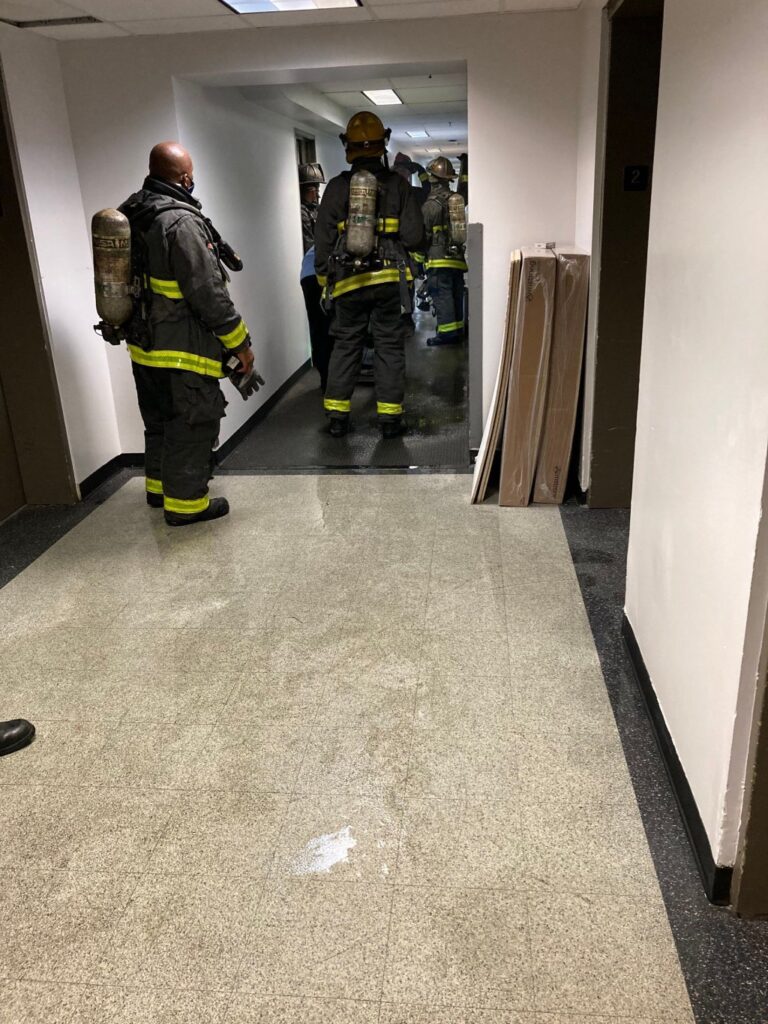
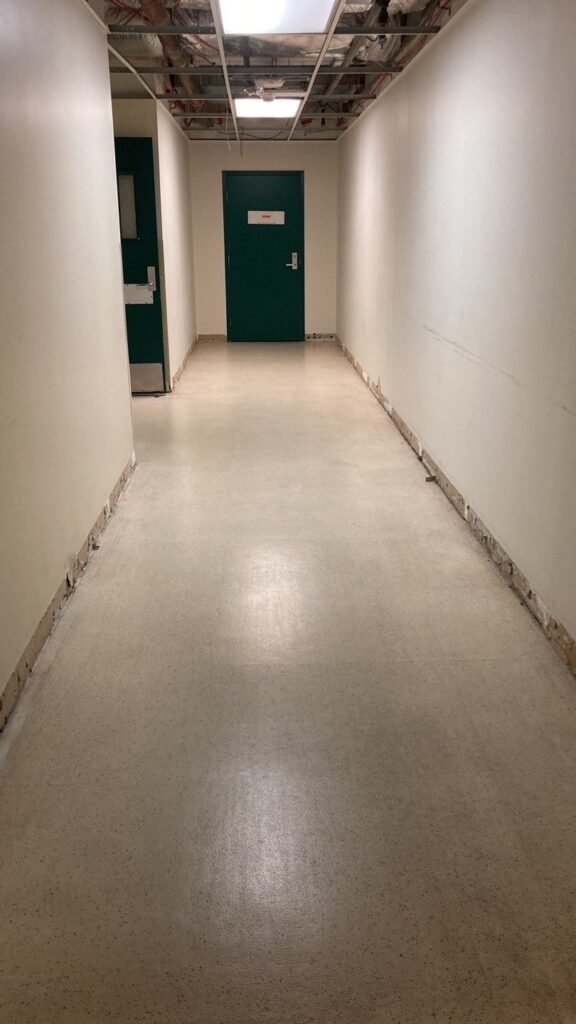
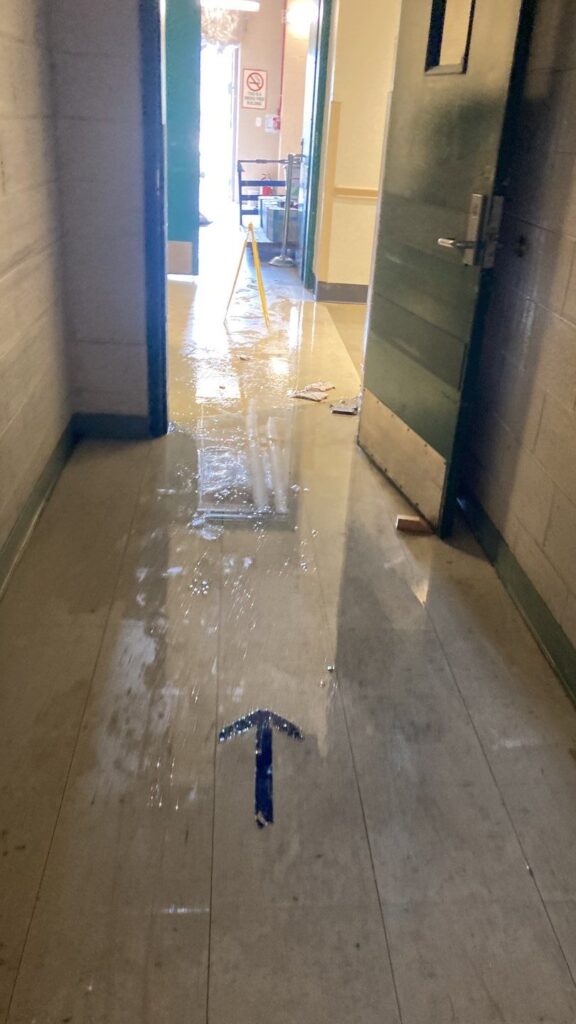
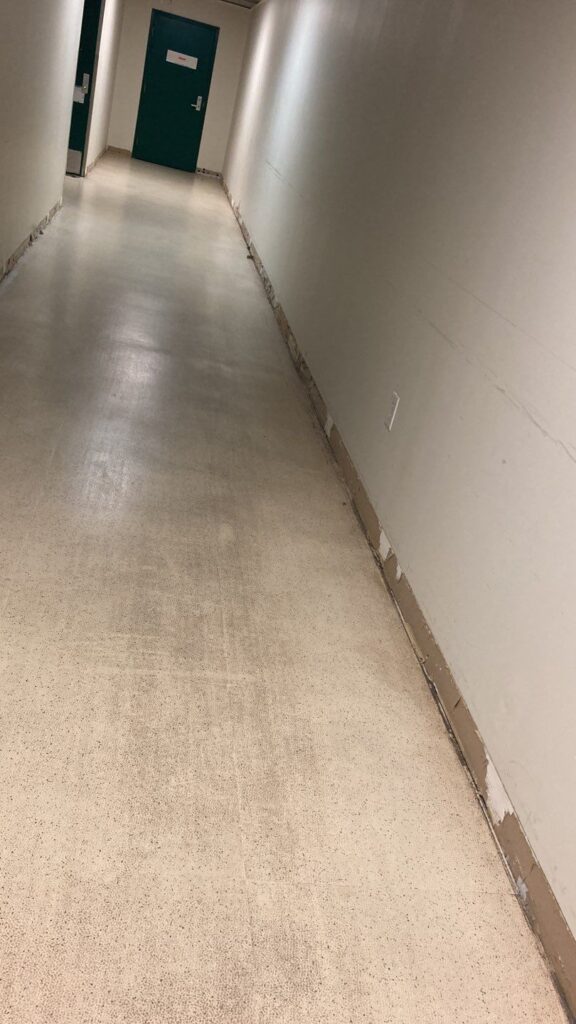
Photo Documentation: [Insert photos of the damaged laundry room, restoration efforts, temporary facilities, and students utilizing the temporary laundry facilities.]
Conclusion: Wayne State University’s rapid turnaround of its laundry room following water damage serves as a testament to the institution’s commitment to student well-being and operational resilience. By prioritizing swift action, effective communication, and support services, the university minimized disruption to student life and financial costs while reinforcing its capacity to navigate unforeseen challenges. This case study highlights the importance of proactive planning and collaboration in mitigating the impact of disruptions on campus facilities and ensuring a positive student experience.