Damage Restoration Cost Edmond
Damage Restoration Cost Guide 2026 Edmond Water Mold Fire and Sewage Cleanup Costs
Damage restoration cost Edmond varies based on damage type, response time, and how far the issue has spread. Water damage, mold growth, fire events, and sewage backups each carry different cost structures, but all share one common factor: delays increase total cost.
This 2026 guide breaks down restoration costs across the four primary categories, including detailed ranges, subcategories, and the specific factors that impact pricing in Edmond properties.
Table of Contents
- Water Damage Restoration Costs
- Mold Remediation Costs
- Fire Damage Restoration Costs
- Sewage Cleanup Costs
- Key Cost Factors
- Timing and Cost Impact
- Edmond-Specific Cost Drivers
- Insurance Coverage
- FAQs
Water Damage Restoration Costs
Water damage restoration is the most frequent service in Edmond due to plumbing issues, storms, and leaks.
- Minor damage: $1,500–$4,000
Minor water damage typically involves small areas with limited moisture exposure. Costs usually cover water extraction, drying, and basic repairs. This level often results from clean water sources like small leaks and can be resolved quickly with minimal structural impact.
- Moderate damage: $4,000–$12,000
Moderate damage affects larger areas and may include drywall removal, flooring replacement, and mold prevention. It often involves gray water contamination, requiring more extensive drying, sanitation, and repairs to restore the property safely and prevent further issues.
- Severe damage: $12,000–$30,000+
Severe water damage involves major structural impact, including walls, ceilings, and electrical systems. Often caused by flooding or sewage backups, it requires extensive remediation, reconstruction, and possible mold treatment, leading to significantly higher restoration costs and longer project timelines.
Service: Water Damage Restoration Edmond
Subcategories
- Emergency water extraction
Immediate removal of standing water using high-powered pumps and vacuums to prevent further damage. Quick extraction minimizes structural impact, reduces mold risk, and protects contents. This step is critical in stabilizing the property and preparing the space for effective drying and restoration.
- Drying and dehumidification
After water removal, industrial-grade air movers and dehumidifiers are used to eliminate hidden moisture from walls, floors, and air. This process prevents mold growth, warping, and deterioration, ensuring the structure is thoroughly dried and safe for repairs and occupancy.
- Structural repairs
Damaged materials such as drywall, flooring, and framing are repaired or replaced to restore the property. This phase ensures structural integrity, improves safety, and returns the space to pre-loss condition, often including painting, finishing, and rebuilding affected areas.
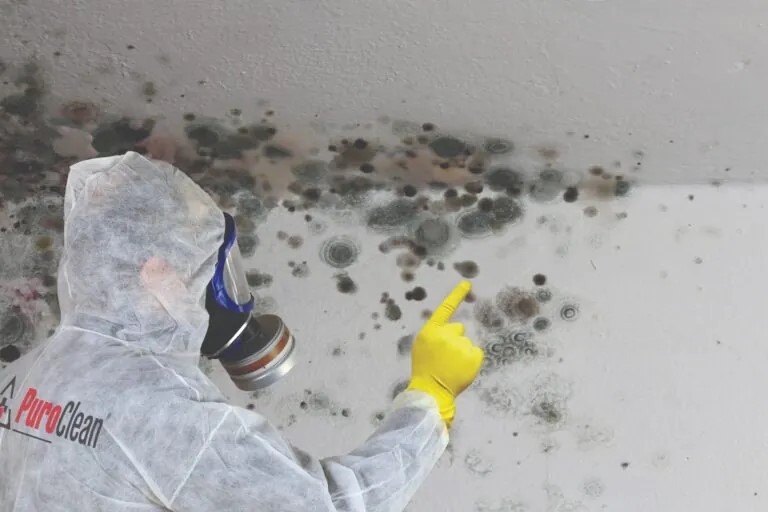
Mold Remediation Costs
Mold remediation costs depend on contamination size and location.
- Localized mold: $1,500–$3,500
Small, contained mold issues—such as under sinks or in limited drywall areas—are typically the least expensive to remediate. Costs cover inspection, minor removal, cleaning, and basic repairs, making this a manageable and quick fix when addressed early.
- Moderate spread: $3,500–$8,000
When mold affects multiple areas or larger sections of walls, ceilings, or flooring, costs increase. This level often requires containment, removal of affected materials, air filtration, and more extensive cleaning to prevent further spread and ensure a safe environment.
- Severe contamination: $8,000–$18,000+
Widespread mold affecting structural elements or HVAC systems requires intensive remediation. This includes full containment, removal of large sections of materials, deep cleaning, and possible reconstruction. Health risks are higher, and professional intervention is critical for complete restoration.
Service: Mold Remediation Edmond
Subcategories
- Attic mold removal
Attic mold often results from poor ventilation and trapped moisture. Professional removal involves identifying the moisture source, safely eliminating mold growth, and applying preventive treatments to protect insulation and wood structures from future contamination.
- Crawl space remediation
Crawl spaces are prone to mold due to humidity and limited airflow. Remediation includes moisture control, mold removal, and sealing or encapsulation to prevent recurrence, improving indoor air quality and protecting the structural integrity of your home.
- Whole-home remediation
Whole-home remediation addresses widespread mold contamination affecting multiple areas. This process involves thorough inspection, containment, air filtration, and complete mold removal to restore a safe and healthy living environment throughout the property.
Fire Damage Restoration Costs
Fire damage restoration includes both structural and smoke damage repair.
- Minor fire: $3,000–$10,000
Minor fire damage typically involves limited areas such as a small kitchen or single room. Costs cover smoke removal, light cleaning, deodorization, and minor repairs like repainting or replacing fixtures. Quick response helps keep costs lower and prevents further damage from soot and odors.
- Moderate fire: $10,000–$35,000
Moderate fire damage affects multiple rooms and may involve structural components. Restoration includes debris removal, deep smoke and soot cleaning, HVAC system cleaning, and partial reconstruction. Costs increase due to labor, materials, and the need for more extensive repairs and restoration work.
- Severe fire: $35,000+
Severe fire damage impacts large portions of the property or the entire structure. Restoration often involves major structural repairs, full reconstruction, and extensive smoke remediation. Costs are higher due to demolition, rebuilding, and specialized services needed to restore the property safely and completely.
Service: Fire Damage Restoration Edmond
Subcategories
- Smoke damage restoration
Smoke can penetrate walls, ceilings, and HVAC systems, leaving behind odors and harmful residues. Professional restoration involves deodorization, air purification, and deep cleaning to eliminate lingering smoke particles and restore indoor air quality to a safe, livable condition.
- Soot removal
Soot is a corrosive byproduct of fire that can stain surfaces and damage materials if not treated quickly. Specialized cleaning techniques and equipment are used to safely remove soot from walls, ceilings, furniture, and belongings without causing further deterioration.
- Structural rebuild
After fire damage, compromised structural elements must be repaired or replaced. This includes framing, drywall, roofing, and flooring. The goal is to restore the property to its pre-loss condition, ensuring safety, stability, and compliance with building codes.
Sewage Cleanup Costs
Sewage cleanup involves hazardous contamination and specialized processes.
- Minor backup: $3,000–$7,000
A minor sewage backup typically involves limited affected areas, such as a single bathroom or small section of flooring. Cleanup includes water extraction, disinfection, and minor repairs. Costs remain lower due to minimal contamination and faster restoration time.
- Moderate contamination: $7,000–$15,000
Moderate sewage damage affects multiple rooms or penetrates deeper into flooring and walls. Cleanup requires removal of contaminated materials, thorough sanitization, and possible structural drying. Increased labor, equipment, and repair needs drive higher overall costs.
- Severe damage: $15,000+
Severe sewage damage involves widespread contamination, often impacting structural components and posing health risks. Restoration may include demolition, mold remediation, and full reconstruction. Costs rise significantly due to extensive cleanup, specialized treatment, and longer project timelines.
Related service: Emergency Water Extraction Edmond
Key Cost Factors
- Response time
Faster response significantly reduces damage and overall costs. Delays allow water, smoke, or contaminants to spread, increasing restoration scope. Immediate mitigation can prevent secondary issues like mold growth or structural deterioration, ultimately lowering labor, material replacement, and remediation expenses.
- Size of affected area
The larger the impacted area, the higher the cost. More square footage requires additional labor, equipment, and materials. Extensive damage may also involve multiple rooms or systems, increasing complexity and prolonging restoration time.
- Type of water (clean, gray, black)
Water category greatly affects cost. Clean water is least expensive, while gray water requires sanitation. Black water, such as sewage, involves hazardous contaminants, requiring specialized handling, protective measures, and extensive disinfection, significantly increasing costs.
- Material saturation
The extent to which materials absorb water or contaminants impacts restoration. Highly saturated materials like drywall, insulation, and flooring often require removal and replacement, while lightly affected materials may be salvageable, reducing costs.
- Labor and equipment needs
Complex losses demand specialized labor and equipment. This includes drying systems, air scrubbers, dehumidifiers, and protective gear. More severe damage requires longer equipment use and skilled technicians, increasing overall restoration costs.
Early intervention reduces overall cost.
Timing and Cost Impact
0–24 Hours
- Lower cost range
Acting within the first 24 hours significantly reduces restoration costs. Early mitigation limits water spread, prevents structural damage, and avoids secondary issues like mold. This keeps repairs simpler and within a lower cost range, saving property owners from more expensive reconstruction later.
- More materials saved
Acting within the first 24 hours significantly reduces restoration costs. Early mitigation limits water spread, prevents structural damage, and avoids secondary issues like mold. This keeps repairs simpler and within a lower cost range, saving property owners from more expensive reconstruction later.
24–72 Hours
- Costs increase
Between 24 and 72 hours, restoration costs rise significantly as water spreads deeper into materials. Drywall, insulation, and flooring may require removal and replacement. Additional labor, equipment, and treatment steps increase the overall expense compared to early intervention.
- Mold risk begins
Within this timeframe, conditions become ideal for mold growth. Moisture trapped in walls, flooring, and contents can trigger early mold development, requiring specialized remediation. This adds complexity, extends project timelines, and increases both health risks and overall restoration costs.
72+ Hours
- High cost escalation
Delays beyond 72 hours significantly increase restoration costs due to extensive damage spread. Structural materials may require full replacement rather than repair, and secondary issues like mold growth and contamination can develop, leading to higher labor, equipment, and remediation expenses.
Reference: EPA.
Edmond-Specific Cost Drivers
Home Size
Larger homes increase restoration scope and cost.
Overall Square Footage
Larger homes require more labor, materials, and time to complete restoration. Increased square footage means more surfaces to clean, dry, repair, or replace, directly raising total project costs compared to smaller properties.
Number of Rooms Affected
More rooms increase the scope of work, including demolition, drying equipment placement, and reconstruction. Each additional room adds complexity, labor hours, and materials, especially if multiple areas are impacted simultaneously.
Ceiling Height and Volume
Homes with higher ceilings or larger open spaces require more drying equipment and time to stabilize conditions. Increased air volume makes moisture removal and temperature control more demanding, which raises equipment and operational costs.
Layout Complexity
Larger homes often have more complex layouts, including multiple levels, wings, or additions. This can slow down workflow, increase setup time, and require additional coordination, all contributing to higher labor and project management costs.
Material Quantity and Finishes
Bigger homes typically include more materials such as flooring, drywall, insulation, and trim. Higher-end or custom finishes common in larger homes can significantly increase replacement and restoration costs.
Storm Exposure
Severe storms lead to water and structural damage.
Severe storms significantly increase a property’s exposure to water intrusion and structural damage. Heavy rainfall, strong winds, and hail can compromise roofing, siding, and drainage systems, allowing moisture to penetrate interior spaces. This heightened exposure elevates the risk of costly repairs, operational disruptions, and long-term deterioration if not promptly addressed.
Soil Conditions
Water retention near foundations increases risk.
Water-retentive soils like clay expand when wet and shrink when dry, stressing foundations. Poor drainage exacerbates this movement, leading to cracks and instability. Sandy soils drain better but may shift. Soil composition directly impacts mitigation costs, as more complex conditions require engineered drainage and reinforcement solutions.
HVAC Systems
Can spread moisture and contaminants.
Larger homes often have multiple HVAC systems or extensive ductwork. Contamination or moisture spread through these systems increases cleaning, treatment, and restoration scope, adding to overall project costs.
Insurance Coverage
- Water damage often covered
Most standard property insurance policies cover sudden and accidental water damage, such as burst pipes or appliance leaks. Coverage typically applies when the incident is unexpected, but may exclude gradual issues like long-term leaks or poor maintenance.
- Flood damage requires separate policy
Flood damage is generally not covered under standard property insurance. Coverage requires a separate flood insurance policy, often through programs like the National Flood Insurance Program. This is important for properties in flood-prone or high-risk areas.
- Sewage backup may require endorsement
Damage caused by sewage or drain backups is not always included in standard policies. Many insurers require an additional endorsement or rider to cover these events, making it important to review policy details and add coverage where necessary.
More info: FEMA.
FAQs
What is the average restoration cost in Edmond?
Typically $3,000–$15,000 depending on severity.
What increases restoration cost the most?
Delayed response and contamination.
Does insurance cover restoration?
Depends on cause and policy.
How can I reduce costs?
Act immediately.
Call Now for Damage Restoration Edmond
Fast response minimizes cost and damage.
Call (405) 265-8008 now for damage restoration Edmond.