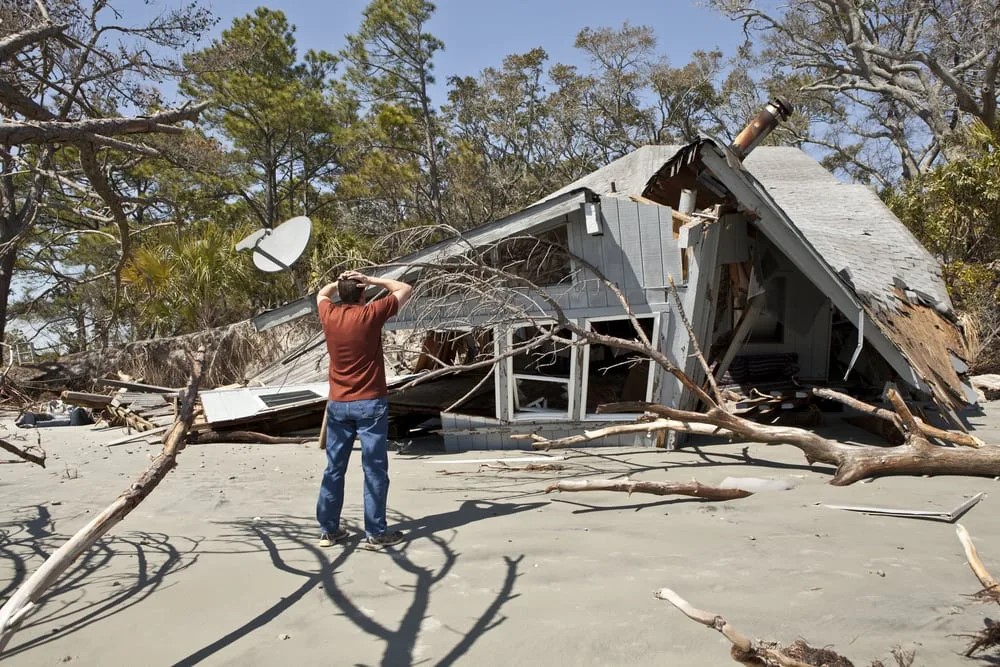
Storm Damage Restoration Oklahoma City
How to Prepare for Storm Damage OKC Homes
Storm damage restoration Oklahoma City often begins before the storm hits. Preparation directly reduces damage severity, shortens recovery timelines, and lowers total restoration cost. Oklahoma City properties face repeated exposure to severe weather, making preparation a structural advantage, not just a precaution.
This guide breaks down how to prepare for storm damage, what systems are most vulnerable, and how proactive measures reduce the need for large-scale restoration.
Table of Contents
- Why Preparation Matters
- Primary Storm Risks in OKC
- Roof and Exterior Preparation
- Drainage and Water Control
- Interior Protection
- Emergency Planning
- Material Vulnerabilities
- Oklahoma City Factors
- Cost Reduction Impact
- FAQs
Why Preparation Matters
Storm damage is often unavoidable, but the extent of damage is controllable.
- Reduces water intrusion risk
Preparing your property ahead of a storm significantly reduces the chances of water entering vulnerable areas. Simple actions like sealing cracks, maintaining roofing systems, and ensuring proper drainage can prevent costly water intrusion. By proactively addressing these weak points, you minimize the likelihood of flooding, leaks, and moisture buildup that often lead to mold and long-term damage.
- Limits structural damage
Preparation helps strengthen your property against the forces of severe weather. Reinforcing doors, windows, and roofing components can reduce the impact of high winds and heavy rain. When structural elements are secured in advance, your building is less likely to suffer major damage, helping you avoid expensive repairs and ensuring the safety of occupants.
- Protects interior contents
Taking steps to safeguard interior items can make a major difference during a storm. Elevating valuables, securing equipment, and organizing storage areas help reduce the risk of water damage and loss. Preparation ensures that even if water enters the property, the most important contents are better protected and easier to recover.
- Shortens restoration timelines
Prepared properties are easier and faster to restore after a storm. When damage is minimized, restoration teams can focus on targeted repairs instead of full-scale recovery efforts. This leads to quicker drying times, reduced downtime, and a faster return to normal operations, saving both time and money.
Prepared properties experience less severe damage.
Primary Storm Risks in OKC
- High winds
- Heavy rainfall
- Hail damage
- Rapid flooding
These risks often combine to create multiple damage points.
Roof and Exterior Preparation
- Inspect shingles and replace damaged sections
Start by examining your roof for missing, cracked, or curling shingles, as these weak points can allow water intrusion during a storm. Replace any damaged sections promptly to maintain a strong, continuous barrier. Addressing small issues early helps prevent costly repairs and reduces the risk of leaks or structural damage when severe weather hits.
- Secure flashing and seals
Flashing around vents, chimneys, and skylights should be tightly secured and free of gaps. Check for worn or cracked sealant and reapply as needed to ensure a watertight seal. Properly maintained flashing prevents water from seeping into vulnerable areas, protecting your home’s interior from moisture damage during heavy rain and high winds.
- Trim trees near the structure
Overhanging branches can pose a serious threat during storms, especially in high winds. Trim back any limbs that are close to or touching your roof and siding. This reduces the risk of branches breaking off and causing damage, while also minimizing debris accumulation on your roof and in your gutters.
- Check gutters and downspouts
Ensure gutters and downspouts are clear of leaves, dirt, and debris so water can flow freely away from your home. Clogged systems can cause water to back up onto the roof or pool around the foundation. Proper drainage helps prevent roof leaks, erosion, and structural issues during periods of heavy rainfall.
The roof is the primary barrier against water intrusion.
Drainage and Water Control
- Ensure proper grading around the property
Proper grading directs rainwater away from the foundation, reducing the risk of water intrusion during storms. The ground should slope away from the building at a consistent grade to prevent pooling near walls. This helps protect structural integrity, minimizes erosion, and keeps basements and crawl spaces dry, especially during heavy rainfall.
- Clear drainage systems
Keeping drainage systems clear is essential for effective stormwater management. Gutters, downspouts, and exterior drains should be regularly inspected and cleaned to remove debris such as leaves and dirt. Blocked systems can cause water to overflow and accumulate near the foundation, increasing the risk of flooding and water damage.
- Install sump pumps where needed
Sump pumps are a reliable solution for properties prone to water accumulation. Installed in basements or low-lying areas, they automatically remove excess water and direct it away from the structure. This added protection is especially important during storms, helping prevent flooding, mold growth, and costly property damage.
Effective drainage reduces flood risk.
Interior Protection
- Move valuables away from flood-prone areas
Before a storm, relocate important items like documents, electronics, and sentimental belongings to higher, safer locations. Avoid storing valuables on the ground floor or near areas prone to water intrusion. Using waterproof containers can add an extra layer of protection and help minimize damage if flooding occurs.
- Elevate items in basements
Basements are especially vulnerable during storms, so it’s important to raise furniture, appliances, and storage boxes off the floor. Use shelves, pallets, or concrete blocks to keep items elevated. This simple step can significantly reduce water damage and make cleanup easier if water enters the space.
- Seal vulnerable entry points
Inspect your home for gaps, cracks, or openings where water can enter, especially around doors, windows, and foundation walls. Use weatherproof sealants or caulking to close these areas. Proper sealing helps prevent water intrusion, reduces moisture buildup, and protects your interior from storm-related damage.
Interior preparation limits damage spread.
Emergency Planning
- Know shut-off locations for utilities
Before a storm hits, identify and clearly mark the shut-off points for electricity, gas, and water in your property. Ensure key staff or family members know how to safely turn them off if needed. This can prevent further damage such as flooding, gas leaks, or electrical hazards during and after a storm.
- Have emergency contacts ready
Keep an updated list of emergency contacts easily accessible, including local authorities, utility companies, restoration services, and insurance providers. Save them in your phone and post a printed copy in a visible location. Quick access to the right contacts helps reduce response time and ensures you get help when it matters most.
- Plan for rapid response
Develop a clear action plan outlining steps to take immediately after a storm, including safety checks, damage assessment, and contacting professionals. Assign roles if working with a team and ensure necessary supplies are ready. Acting quickly can minimize damage, speed up recovery, and help protect both people and property.
Preparation reduces response time after damage occurs.
Material Vulnerabilities
- Drywall absorbs water quickly
Drywall is highly porous and absorbs water rapidly during storms or flooding. Once saturated, it loses structural integrity, softens, and can begin to crumble. This makes it difficult to salvage and often requires removal and replacement. Prolonged moisture exposure can also promote mold growth behind walls, creating hidden health and structural risks if not addressed promptly.
- Carpet retains moisture
Carpet and its padding act like a sponge, trapping water long after a storm has passed. Even when the surface feels dry, moisture can remain underneath, leading to odors, mold growth, and deterioration of subfloor materials. If not properly extracted and dried using professional equipment, carpet may need to be removed to prevent long-term damage.
- Wood expands and warps
Wood materials, including flooring, framing, and cabinetry, absorb moisture and expand when exposed to water. As they dry unevenly, they can warp, crack, or buckle, compromising both appearance and structural stability. This damage may not be immediately visible but can worsen over time, making early drying and mitigation critical after a storm event.
Understanding material behavior helps prioritize protection.
Oklahoma City Factors
Storm Frequency
Frequent storms increase cumulative risk.
Hail Damage
Common cause of roof failure.
Soil Movement
Impacts foundation stability and drainage.
Humidity Variability
Affects drying and moisture control.
For storm preparedness guidance, see Ready.gov.
Cost Reduction Impact
- Prepared properties incur lower restoration costs
- Reduced damage means less material replacement
- Faster recovery timelines
Preparation is a direct cost-control strategy.
FAQs
Does preparation prevent all storm damage?
No, but it significantly reduces severity.
What is the most important preparation step?
Roof and drainage inspection.
Is storm damage covered by insurance?
Often, depending on policy and cause.
Should preparation be done annually?
Yes, especially before storm seasons.
Call Now for Storm Damage Restoration Oklahoma City
Preparation reduces damage, but fast response ensures recovery.
Call (405) 265-8008 now for storm damage restoration Oklahoma City.