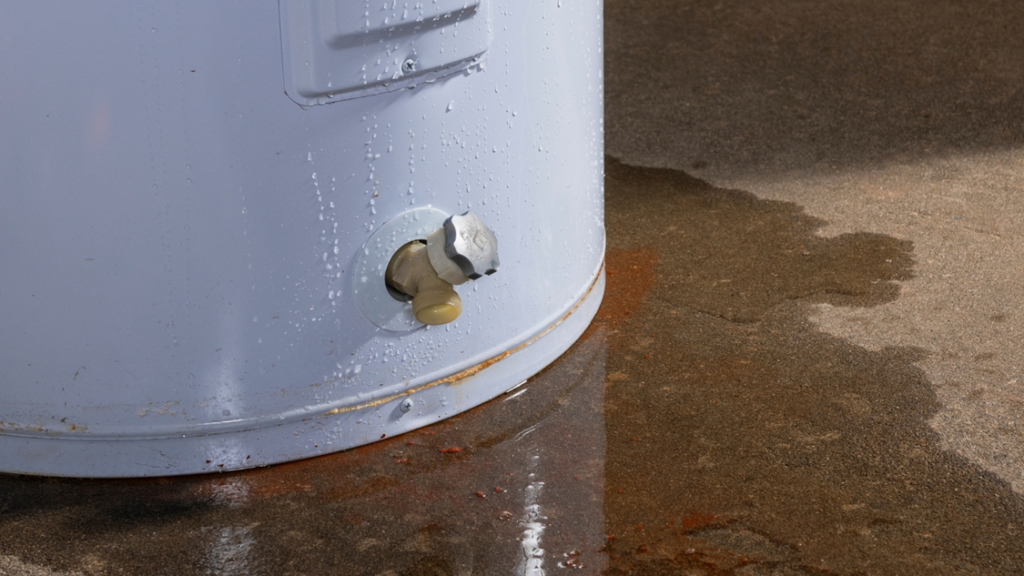
Start With the Source and the Hazards
When a water heater releases water in a Leawood utility room, the first decision is not which drying machine to rent. Stop the incoming water if you can reach a safe valve, keep away from wet electrical equipment, and identify where the water has moved. If a gas appliance, electrical panel or exposed wiring is involved, leave the equipment alone and call the appropriate qualified professional or utility. Emergency cleanup is most useful once the source can be controlled and the affected rooms can be assessed safely. A shallow puddle may already have reached flooring, wall bases or a room on the other side of a partition.
Imagine a tank leaking overnight beside finished basement walls. By morning the visible puddle has spread under stored boxes, while water in the wall base is out of sight. A homeowner who shuts the supply valve and then mops the bare concrete has made a useful start, but the finished materials still need attention. A different failure could involve a relief valve discharging near a floor drain with little building damage. The appearance of the floor alone cannot tell which situation applies. Note the last normal inspection and the first sign of water.
A Safe Sequence for the First Hour
Keep people and pets out of the wet area if water is near powered equipment or if the floor may be slippery. Turn off the water heater’s supply at an accessible valve only if that can be done without entering an unsafe area. Do not touch gas or electrical controls if they are wet, damaged or unfamiliar. A plumber can isolate and repair the water source; a utility or qualified technician handles equipment-specific hazards. If you cannot safely stop the leak, seek emergency help rather than trying to move through water to a valve.
Photograph the heater, discharge route and visible water from a safe position. Move unaffected possessions away from the edge of the wet area. If the source is controlled and no hazard is present, blot or extract a very small clean-water spill on a hard surface, but do not assume this resolves water behind finished walls. Avoid running household fans through a dirty or possibly contaminated area. Do not remove installed insulation or drywall on impulse; a deliberate inspection should define where it is needed.
The EPA moisture and mold guide says to fix the water problem and dry wet materials promptly, generally within 24 to 48 hours to reduce mold growth. That is a reason to contact help early, not a fixed deadline after which every material must be discarded. An older, slow tank leak may predate the morning discovery. Ask a professional to distinguish new wetting from evidence of an ongoing problem.
Identify the Material Path
The restoration assessment should start at the heater and follow plausible flow across the floor and beneath finishes. Where did water run? Was there a floor drain, and was it functioning? Which baseboards, cabinets or stored items were in contact? Does a carpet pad or underlayment continue past the visible waterline? Were any adjacent walls built with paper-faced drywall or absorbent insulation? Those questions determine a drying boundary far more reliably than a puddle outline after cleanup.
A technician can record moisture readings in affected and unaffected areas and explain the limits of the equipment used. A pin-type meter may help assess some materials; a noninvasive meter can scan a wider area but can be influenced by materials beneath the surface. The professional should also consider whether water reached mechanical or electrical equipment requiring separate inspection. A moisture map and photographs taken before materials are moved give everyone a shared baseline.
Water from a supply line or tank should not be casually labeled safe after it has passed through dirty storage, porous finishes or another contaminated source. If there is sewage, an unusual odor or any uncertainty about the source, ask how the cleanup plan changes. Content such as paper records and electronics may require a different specialist. Document what was wet before discarding items, particularly if an insurance claim may be filed.
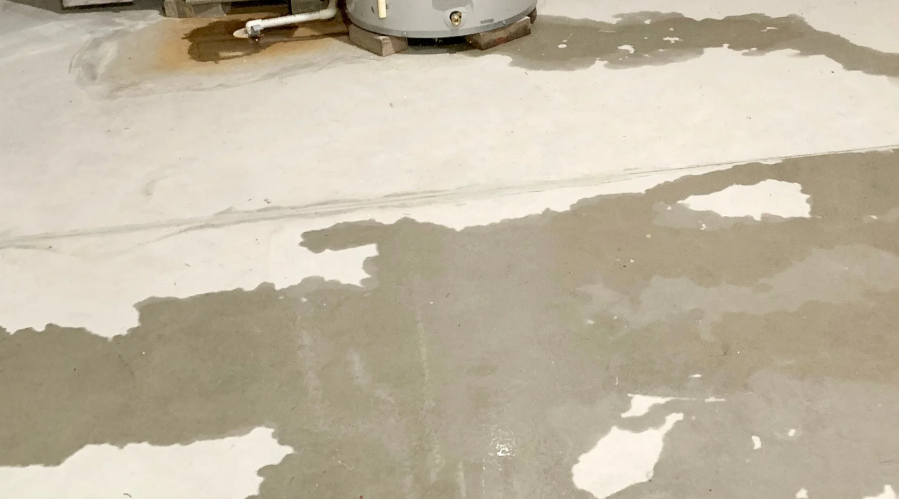
What Emergency Mitigation Can and Cannot Do
Water extraction removes accessible liquid. Dehumidification and managed airflow help dry remaining wet materials. Selective removal may be needed when insulation, carpet pad or wall base cannot dry in place or when access is blocked. The plan should explain which materials can reasonably be preserved, how drying progress will be checked, and when equipment can come out. The water heater replacement is a separate repair coordinated with a plumber; restoration equipment cannot fix a tank that continues to leak.
Ask the first crew to describe the immediate stabilization work and the next decision point. If the basement is finished, the drying plan may change after trim is removed or a limited inspection opening reveals more moisture. The initial estimate should identify assumptions and how any added work will be approved. A photograph of a clean floor is not a completion record. Final readings and a description of removed materials are more useful for the later reconstruction proposal.
For a Leawood property needing emergency water damage cleanup, give the responding team the heater location, apparent source, whether water is still running, any electrical or gas concern, and which rooms are affected. That information helps them prepare; it does not require you to diagnose the building yourself. The local landing page provides the franchise contact route for this service area. Ask who will coordinate with the plumber and when the drying assessment will be revisited.
Keep the Repair Scope Clear
Separate three records: the plumber’s diagnosis and repair, the water-damage assessment and mitigation, and the finish-repair estimate. They may involve different firms and different dates. Record model and age of the heater if known, but do not assume age proves the cause. Ask whether trim, flooring or wall material can be reinstalled only after drying is verified. If the heater sits in a closet, check that new equipment placement and drying work do not block safe access for the trades.
Insurance coverage varies with the policy, cause and timing. An adjuster may ask for photos and an itemized scope, but a restoration contractor should not promise payment. While work proceeds, keep a simple log of equipment visits and which rooms remain unusable. When drying is complete, make a final walk-through of the utility room and adjacent spaces. A recurring wet spot after the new heater is installed is a new diagnostic question, not a reason to paint over the wall base.
A Better Handoff to the Replacement Installer
Before a new heater is connected, clarify whether the floor beneath the old tank and the nearby wall base have been inspected. The plumber may need a clear, safe workspace, while the restoration crew needs access to wet materials. Agree on the order of removal, inspection, drying and installation so one trade does not close access for the next. If a drain pan or alarm is proposed, ask what it can detect and where water would actually go. Those devices can help with a future leak, but their usefulness depends on the layout and routine maintenance. Document any changes so a later service technician understands the setup.
Frequently Asked Questions
Can I turn a wet water heater back on after mopping?
Do not energize equipment that may have been wetted. Have a qualified plumber, electrician or utility professional evaluate the appliance and connections as appropriate.
Does a floor drain guarantee that the room stayed dry?
No. Water can flow away from the drain or enter wall bases and flooring before reaching it. Inspect the actual path.
Should I throw away wet belongings before the crew arrives?
Document them first when it is safe. Some materials can be assessed for cleaning or recovery; contaminated or damaged items may require special handling.
Need help now? Reach out to PuroClean online or call us 24/7 at (913) 353-8300. We help homeowners. We help business owners. We help people get their lives back after disaster strikes.
We listen. We act fast. We deliver property restoration after a disaster. We’re here to help you recover from water, fire, mold, and biohazard damage, quickly and with care.
Follow us on Facebook for updates and recovery tips.