


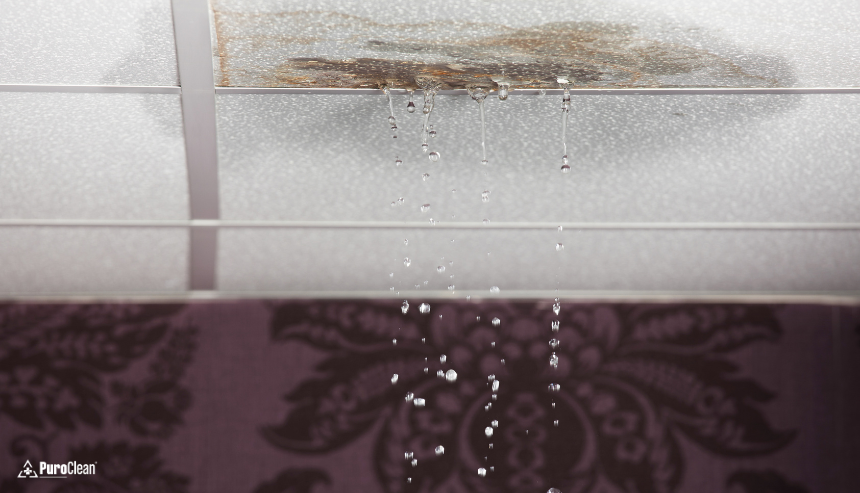
Summer vacations are meant to be relaxing, exciting, and stress-free. Whether you are heading to the beach for a week, taking a cross-country road trip, or visiting family for an extended stay, the last thing you want is to spend your vacation worrying about your home. Unfortunately, many homeowners return from summer trips to discover preventable issues such as water damage, mold growth, storm damage, pest infestations, or even electrical problems.
Preparing your home before leaving for vacation is one of the best ways to protect your property and avoid costly repairs. A few preventative steps taken before you leave can make a major difference in keeping your home safe, secure, and damage-free while you are away.
This guide from PuroClean of Olathe covers everything homeowners should know about how to prepare your home for summer vacation, including protecting against water damage, preventing mold growth, reducing energy waste, and keeping your property secure.
Why Vacation Preparation Matters
When homes sit unattended for several days or weeks, small problems can quickly become major disasters. A minor plumbing leak can turn into widespread water damage. An unnoticed storm can damage roofing and allow moisture into the home. High humidity levels can create ideal conditions for mold growth.
Without someone present to catch problems early, damage often becomes much more severe before it is discovered.
Vacation preparation is not just about security. It is also about reducing risks related to water, weather, humidity, electrical systems, and maintenance issues that can worsen while the home is empty.
Taking time to prepare your home before leaving helps ensure you return to the same condition you left it in. Let’s look at how to prepare your home for summer vacation.
How To Prepare Your Home For Summer Vacation
Shut Off the Main Water Supply If Possible
One of the most important things homeowners can do before leaving for vacation is shut off the main water supply.
Many of the most expensive home disasters begin with plumbing failures that occur while nobody is home. Burst pipes, leaking supply lines, malfunctioning appliances, and water heater failures can release hundreds or even thousands of gallons of water into a home.
If your home will be vacant for more than a few days, shutting off the water supply can dramatically reduce the risk of catastrophic water damage.
After shutting off the main valve, turn on a faucet briefly to relieve pressure in the pipes.
If shutting off the entire water supply is not practical because of sprinkler systems or other needs, consider at least shutting off water to appliances such as washing machines, dishwashers, and refrigerators with water lines.
Inspect Your Home for Leaks Before Leaving
Before heading out on vacation, inspect your home carefully for signs of leaks or moisture problems.
Check under sinks, around toilets, behind appliances, and near the water heater. Look for water stains, dampness, corrosion, or musty odors.
Even a slow drip can become a significant issue over the course of a week or two.
Pay close attention to areas where leaks commonly occur, including:
Washing machine hoses
Dishwasher connections
Refrigerator water lines
Bathroom plumbing
Water heater fittings
Outdoor spigots and hoses
If you notice any signs of leaks, address them before leaving. Delaying repairs can increase the risk of returning home to serious water damage.
Adjust Your Thermostat, But Don’t Turn It Off Completely
Many homeowners try to save money by turning off their air conditioning entirely while on vacation. However, doing so can create excessive heat and humidity inside the home, increasing the risk of mold growth and moisture-related damage.
Instead of shutting the system off completely, set the thermostat higher than usual while still maintaining reasonable temperature control.
For most homes, setting the thermostat between 78 and 85 degrees while away helps reduce energy use without allowing humidity levels to rise excessively.
Maintaining some level of climate control is especially important during humid summer months.
Prevent Mold Growth While You’re Away
Warm temperatures and humidity create ideal conditions for mold growth, especially in homes that are closed up during summer vacations.
To help prevent mold while you are away:
Run bathroom exhaust fans briefly before leaving
Empty and clean drip pans in refrigerators or dehumidifiers
Remove damp towels or clothing from bathrooms and laundry areas
Ensure the HVAC system is functioning properly
Consider using a dehumidifier in moisture-prone areas
Check for existing leaks or condensation issues
If your home already has elevated humidity levels before you leave, mold growth can begin surprisingly quickly.
Preventing excess moisture before vacation is one of the best ways to protect indoor air quality and avoid unpleasant surprises when you return.
Clean Out the Refrigerator
Many homeowners overlook the refrigerator before leaving for vacation. Food spoilage, leaks, or unnoticed appliance issues can create odors and messes that become worse over time.
Throw away perishable foods that may expire while you are gone. Empty old leftovers, produce, and dairy products.
If you will be gone for an extended period, consider emptying the refrigerator further to reduce the risk of odors if a power outage occurs.
Also check for any signs of water leakage around the refrigerator, especially near water supply lines or ice makers.
Protect Your Home From Summer Storm Damage
Summer storms can develop quickly and cause significant property damage. High winds, hail, and heavy rain can affect homes even while owners are away.
Before leaving:
Inspect the roof for loose or damaged shingles
Clean gutters and downspouts
Trim tree branches hanging near the house
Secure outdoor furniture and decorations
Check that sump pumps are functioning properly
Bring in lightweight outdoor items that could become airborne during storms
These preventative steps help reduce the risk of storm-related damage while your home is unattended.
Unplug Nonessential Electronics
Power surges and electrical issues can occur during storms or power outages. Unplugging nonessential electronics before leaving helps reduce fire risks and protects devices from surge damage.
Items commonly unplugged before vacation include:
Televisions
Computers
Coffee makers
Toasters
Gaming systems
Small kitchen appliances
You can leave essential systems plugged in, such as refrigerators, internet equipment, or security systems.
Unplugging electronics can also reduce unnecessary energy usage while you are away.
Set Lights and Security Measures
A home that appears vacant for long periods can become a target for theft.
Using timers or smart home systems to turn lights on and off periodically can make the home appear occupied. Smart security cameras and video doorbells also allow homeowners to monitor their property remotely.
Additional security measures include:
Locking all doors and windows
Pausing mail or package deliveries
Asking a trusted neighbor to check on the property
Avoiding posting vacation details publicly on social media until after returning
Simple precautions can go a long way in protecting your home while traveling.
Check Your Smoke Detectors and Safety Devices
Before leaving for vacation, test your smoke detectors and carbon monoxide detectors to ensure they are functioning properly.
Replace batteries if needed and verify that alarm systems are active.
It is also a good idea to confirm that fire extinguishers are easily accessible and fully charged.
Even though nobody may be home, functioning safety systems can help alert neighbors or emergency services if a problem occurs.
Don’t Forget the Exterior of Your Home
Exterior maintenance is just as important as interior preparation when looking at how to prepare your home for summer vacation.
Before leaving, walk around your property and inspect for anything that could become a problem while you are away.
Check for:
Loose fencing
Standing water near the foundation
Clogged gutters
Dead tree limbs
Cracked hoses or irrigation leaks
Openings where pests could enter
If your lawn will need maintenance while you are gone, arrange for someone to mow or care for landscaping to help maintain the appearance of an occupied home.
Consider Smart Home Monitoring Systems
Technology has made vacation home monitoring easier than ever.
Smart leak detectors can alert homeowners to plumbing leaks in real time. Smart thermostats allow remote temperature adjustments. Security cameras provide live monitoring, and moisture sensors can help detect humidity problems before mold develops.
These systems provide peace of mind and allow homeowners to respond quickly if an issue arises while they are away.
What to Do If You Return Home to Water Damage
Even with preparation, emergencies can still happen. If you return from vacation and discover water damage, it is important to act quickly.
First, identify whether the source of the water is still active. Shut off the water supply if necessary.
Next, contact a professional restoration company like PuroClean of Olathe as soon as possible. Water damage can worsen rapidly, and mold growth may begin within 24 to 48 hours.
Avoid delaying cleanup, even if the damage appears minor. Hidden moisture can spread behind walls and under flooring, leading to larger problems over time.
Professional restoration services can help remove water, dry affected areas, prevent mold growth, and restore the home safely.
Peace of Mind Starts Before You Leave
Vacation should be a time to relax and enjoy yourself, not worry about what may be happening at home. Learning how to prepare your home for summer vacation and taking a few preventative steps before leaving can greatly reduce the risk of water damage, mold growth, storm damage, and other costly issues.
Preparing your home for summer vacation helps protect your property, your belongings, and your peace of mind. From shutting off the water supply to monitoring humidity and securing your home against storms, these simple actions can make a major difference.
With proper preparation, you can leave knowing your home is better protected and return ready to enjoy the memories you made instead of dealing with unexpected repairs.