


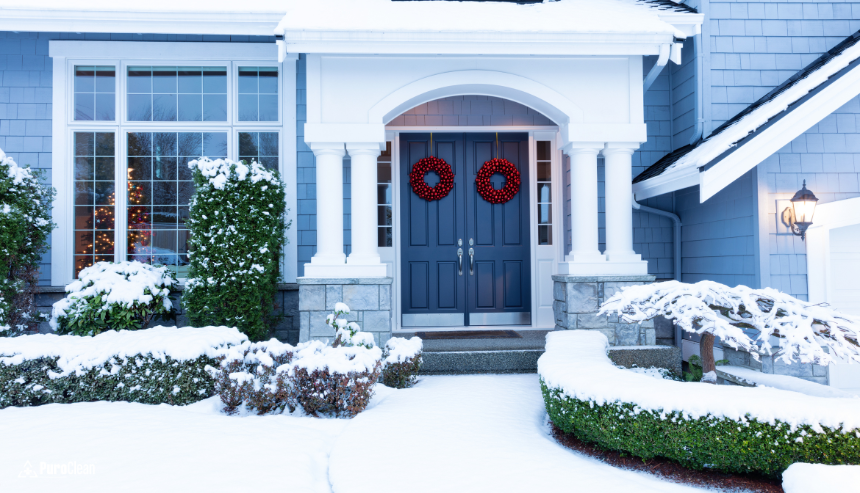
As we move into the cooler months in the Kansas City metropolitan area, now is the ideal time to take proactive steps to protect your home or commercial property from damage that often goes unnoticed. At PuroClean of Olathe, we know that the transition from fall to winter brings unique hazards — from hidden water intrusion and mold growth to heightened fire risk and biohazard challenges — especially in our region’s mix of older homes, basements, slab foundations, and seasonal weather swings.
In this comprehensive guide we’ll walk you through how to prepare your property for winter weather, including:
- Why mid-October is the perfect moment to act
- The top hidden damage risks that are easy to overlook
- Specific preparation checklists (water, mold, fire & biohazard) tailored to KC area properties
- How PuroClean of Olathe can help you respond if things go wrong
- What to ask when choosing a restoration partner, and what to expect
Why Mid-October Matters
By mid-October, leaves are falling, temperatures are dropping, and the days of mild oversight are numbered. In this region:
- Rainfall + cooler temps = increased moisture risk. Fallen leaves can clog gutters, downspouts, and exterior drains, meaning water that used to flow away from the foundation may now accumulate.
- Basements and crawl spaces get colder and may hold moisture longer, making them perfect breeding grounds for mold if there’s unseen water intrusion.
- Heating systems turn on, which can bring unseen problems: chimney/flue blockages, dryer vent build-up, or heating systems circulating air through hidden leak-paths.
- Winter weather looms. Freezing is just around the corner, which means burst pipes, frozen exterior lines, and roof/attic issues from snow, ice or early frost become top-of-mind.
- Insurance and restoration timing matter. The sooner problems are caught, the better the outcomes — both for repairs and for insurance claims.
In short: this transitional period isn’t just about raking leaves or swapping to sweaters. It’s about guarding your property against latent threats that often go unchecked until spring when they’ve grown much worse (and cost much more).
Hidden Damage Risks You Might Be Overlooking
Here are four major categories of damage that often receive little attention — until they turn into emergencies.
1. Water Intrusion & Moisture Traps
Many homeowners and property managers focus on obvious flooding after storms, but the risks that creep in quietly can be even more dangerous.
- Gutters/downspouts: When leaves block gutters, water overflows and can soak the fascia, attic, or spill down the foundation wall, finding its way into basements.
- Grading: Soil may have settled over time; water directed toward the foundation instead of away is a common culprit in the KC area.
- Crawl spaces/basements: High humidity, condensation on cold walls or pipes, and spider cracks in foundation walls can allow moisture in.
- Plumbing fixtures/appliances: As the weather cools, basement and utility-room piping can develop leaks from thermal contraction or seasonal stress.
- Roof penetrations/attics: Tiny leaks often go unnoticed until they cause mold or structural issues after several months of drip/hang.
Unchecked moisture in October can lead to mold growth by the time you’re ready to use your basement or attic in winter — and mold is one of the most costly and hazardous problems we respond to at PuroClean.
2. Mold Growth from Hidden Sources
Once moisture takes hold, mold doesn’t always announce itself with dramatic stains or odors — especially early on.
- Condensation on cold surfaces: Exterior walls, windows, or HVAC ducts can act as condensation surfaces in fall/winter, giving mold a foothold.
- HVAC systems: If not well-maintained, return vents may draw mold spores from attic or crawl spaces back into living/working spaces.
- Stored items: Basements or storage rooms with boxes, paper, textiles damp from prior moisture can incubate mold quietly.
- Behind finishes: Moisture trapped behind drywall or under flooring hides critical mold colonies until they’ve advanced.
While past blogs focused on why professional mold remediation matters, this time we emphasise prevention — because once mold is established, remediation is far more expensive and disruptive.
3. Fire & Smoke Hazards
Fall and winter raise fire risk for several reasons, yet many property owners don’t think of restoration/preparation until something goes wrong.
- Heating systems & fireplaces: Creosote in chimneys, clogged vents, or improper clearances can cause fires.
- Dryer vents & attic/roof access: Leaves, lint, or rodent nests in vents or attic spaces accumulate quickly.
- Attic insulation & wiring: Older homes (common in Johnson County suburbs) may have wiring or insulation that degrades or is stressed during cold snapshots.
- Seasonal decorations & storage: Boxes of stored items in attics/basements near electrical panels, extension-cord use, or space heaters increase fire risk.
- Water damage aftermath: Hidden dampness can corrode electrical connections — what started as a minor leak may lead to a short-circuit over time.
October is recognized nationally as Fire Safety Month (and many local fire departments promote safety campaigns). It’s a good moment to review fire preparedness and how damage from previous moisture or storms may have compromised fire safety systems.
4. Biohazard & Pathogen Risks
While less dramatic than floods or fires, biohazard risks are increasingly relevant — especially for commercial properties, rental units, or high-occupancy homes.
- HVAC systems and shared air handling: If not cleaned, they can circulate mold, bacteria or even viral particles.
- Water damage events: Areas flooded or damp from prior leaks may foster bacterial growth, mold, or vermin contamination.
- Winter illnesses: As people spend more time indoors, and as surfaces get colder/less ventilated, the spread of pathogens increases — meaning high-traffic commercial spaces need thorough cleaning.
- Rental & multi-unit properties: Turn-over times often shrink in winter; landlords and property managers need to coordinate cleaning, sanitation and damage restoration ahead of tenant moves.
At PuroClean of Olathe, we offer biohazard & RapidDefense™ services for precisely these cases — and awareness of those needs now (before a problem appears) means faster response and minimal interruption.
How To Prepare Your Property for Winter Weather
Here’s a robust checklist tailored for the Kansas City area — combining water, mold, fire and biohazard considerations. Use this list now to get ahead of winter risks.
Exterior & Foundation / Roof
- Clean gutters & verify downspouts extend at least 4-5 ft from foundation.
- Remove leaves from roof, valleys and at the base of chimneys or skylights.
- Inspect roof shingles for curling or missing pieces; check flashings around chimneys/vents.
- Ensure grading slopes away from foundation (minimum 6 in drop over first 10 ft).
- Check exterior hose bibs/spigots; shut them off, drain them, and insulate if needed.
- Inspect basement or crawl-space windows for seal integrity; install covers if needed.
- Move debris and storage away from foundation walls; allow ventilation.
Interior Moisture / HVAC
- Inspect basement and crawl space for visible dampness or condensation on walls/pipes.
- Check HVAC return vents and filters; replace filters and inspect the condensate line for blockages.
- Inspect attic for signs of roof leaks: dark spots, sagging, daylight showing through boards.
- Run humidifier/dehumidifier or test interior humidity — aim for 30-50 % in winter.
- Consider installing water detection devices in basement, utility room, sump pit.
- Review any past water intrusion events (e.g., minor basement leaks) and verify they were fully dried and remediated.
Fire / Electrical / Safety
- Schedule chimney/flue cleaning if you use a fireplace or wood‐burning insert.
- Inspect dryer vent to roof; clean lint from entire length of the duct.
- Verify smoke alarms and CO detectors are functioning (replace batteries if needed).
- Examine storage areas in attic/basement for items near electrical panels or connections.
- Check fire extinguishers for current date and inspection tag; replace or service if outdated.
- Review space-heater use: ensure clearances, stable placement, and no extension-cord use.
Biohazard / Occupancy & Ventilation
- For commercial or rental units: review HVAC system maintenance and air-filter schedules.
- Deep clean high-touch surfaces before winter tenant turnover or increased occupancy.
- For shared indoor spaces (gyms, rec rooms, common areas): confirm ventilation is adequate; consider a sanitation service if prior water damage created damp conditions.
- Review past water damage incidents — even if seemingly resolved — for signs of microbial growth or odor issues.
- For rental or multi-unit properties: keep a restoration services contact (like PuroClean) handy for emergency response after storm/flooding events.
Documentation & Insurance
- Photograph vulnerable spaces (basement, utility room, attic) now to establish condition before winter.
- Review your insurance policy: Are water-intrusion or mold events covered? What is the deductible?
- For commercial properties: review business-interruption or rental-income provisions — knowing downtime cost matters.
- Create (or update) a “damage‐response plan” listing your restoration vendor, plumber/contractor, and insurer. Time is critical when damage occurs.
When You Need Help — And How PuroClean of Olathe Steps In
Even with the best preparation, sometimes things go wrong. That’s why having a trusted partner like PuroClean of Olathe matters. Here’s how we support you:
- 24/7 emergency response. Whether it’s a burst pipe in the middle of winter or water intrusion after a storm, we are available on call.
- Full‐spectrum restoration services. We handle water damage remediation, mold removal, fire & smoke restoration, and biohazard cleanup – all under one roof.
- Local expertise in the KC & Olathe area. Our team knows the building types, climate risks, and insurance norms in Johnson County and the greater metro region.
- Advanced equipment & certified technicians. We use moisture meters, thermal imaging, industrial dehumidifiers, HEPA-filtration, and EPA-registered disinfectants.
- Insurance coordination. We work with your adjuster, document restoration needs, and help drive a smoother claims process.
If you discover hidden leaks, suspect mold, or experience fire or smoke damage — don’t wait. The longer the damage sits, the higher the cost, the greater the health risk, and the bigger the disruption.
What to Ask When Choosing a Restoration Partner
With many firms offering “flood cleanup” or “mold removal,” here are questions you should ask to ensure you choose the right team — especially given the unique risks in October and winter for the KC region:
- Are your technicians IICRC (Institute of Inspection, Cleaning and Restoration Certification) certified?
- Are you available 24/7 and respond locally (not outsourced)?
- Do you have moisture-tracking equipment (meters, thermal imaging) and dehumidifiers to handle hidden moisture, not just visible standing water?
- Do you handle both the mitigation (drying, extraction) and the restoration (repair, rebuild)? Many companies stop at one phase.
- Can you assist with insurance documentation and claims?
- Do you offer biohazard/sanitation services if needed (especially for commercial or multi-unit properties)?
- What is your average restoration timeline in our region (October–April)?
- Do you provide follow-up monitoring to ensure moisture levels remain safe?
- What local references do you have in the Kansas City/Olathe/Johnson County area?
Final Thoughts
Mid-October is not just the time to switch the thermostat or rake the yard. It’s the moment to get ahead of what could go wrong — before it does — by learning how to prepare your home for winter weather. For property owners in the Kansas City metro area, that means recognizing that water, mold, fire and biohazard risks all increase as we move toward winter.
By using our preparation checklist, staying alert to hidden damage, and partnering with PuroClean of Olathe when issues arise, you’ll be in far better shape — both structurally and financially — when spring arrives.
Don’t wait for a small drip to turn into a major disaster. If you’re in Olathe, Overland Park, Leawood or surrounding communities and need a property restoration partner you can trust, call (913) 353-8300 or visit our website to get help today.