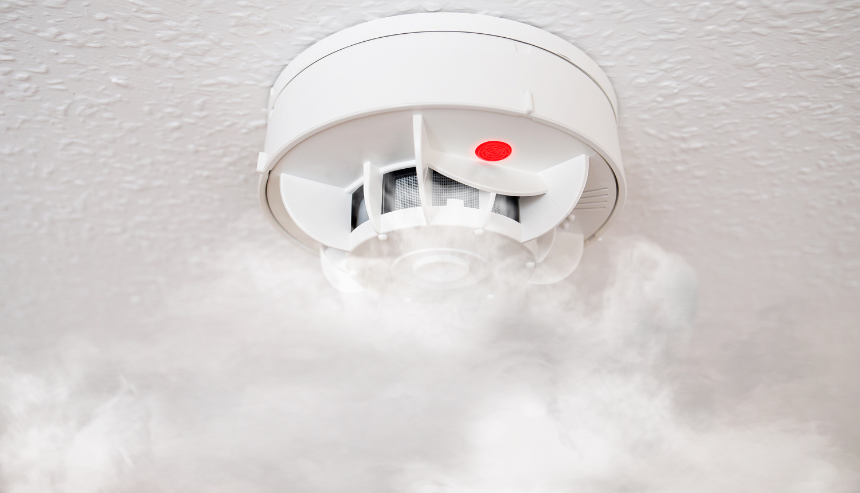
October is Fire Prevention Month, making it the perfect time for homeowners throughout Olathe, Overland Park, Lenexa, and the greater Kansas City metro area to take a closer look at fire safety in their homes.
House fires can happen unexpectedly, and the damage they leave behind can be devastating. From cooking accidents and electrical malfunctions to heating equipment and unattended candles, many residential fires begin with everyday activities.
The good news? Many home fires are preventable with proper precautions, regular maintenance, and a little preparation.
At PuroClean of Olathe, we understand how quickly fire and smoke damage can disrupt a household. While our team is here to help homeowners recover after a disaster, we believe prevention is always the best first step.
This October, take a few minutes to review these essential fire safety tips and make sure your home and family are prepared.
Why Fire Prevention Month Matters
Fire Prevention Month is observed every October to raise awareness about fire hazards, encourage safer habits, and help families prepare for emergencies.
The National Fire Protection Association (NFPA) has long emphasized the importance of fire prevention education, especially when it comes to residential fires.
A house fire can spread rapidly, leaving occupants with very little time to escape. Even a relatively small fire can cause significant property damage from flames, smoke, soot, and the water used to extinguish it.
For Kansas City area homeowners, October is also an ideal time to review fire safety because colder weather is approaching. As temperatures begin to drop, furnaces, fireplaces, and portable heaters start getting more use.
Taking preventive steps now can help reduce the risk of a fire during the fall and winter months.
Fire Safety Tips Every Homeowner Should Know
1. Make Sure Your Smoke Alarms Are Working
Smoke alarms are one of the most important safety features in any home. They provide an early warning that can give occupants valuable time to escape.
Unfortunately, smoke alarms are sometimes overlooked until an emergency occurs.
The NFPA recommends installing smoke alarms inside every bedroom, outside each separate sleeping area, and on every level of the home, including the basement.
To keep your smoke alarms working properly:
- Test each alarm at least once a month.
- Replace batteries according to the manufacturer’s instructions.
- Replace smoke alarms when they reach 10 years of age.
- Make sure alarms are installed in the recommended locations.
- Consider interconnected alarms so that when one sounds, they all sound.
If you cannot remember the last time you checked your smoke alarms, Fire Prevention Month is an excellent reminder to do it.
2. Practice Fire Safety in the Kitchen
Cooking is a leading cause of home fires in the United States, making the kitchen one of the most important areas to focus on when reviewing household fire safety.
A busy evening preparing dinner, a forgotten pan on the stove, or a dish towel left too close to a burner can quickly create a dangerous situation.
Fortunately, following these fire safety tips while cooking can make a significant difference.
Never leave cooking unattended. If you’re frying, grilling, or broiling food, stay in the kitchen. If you need to leave, turn off the burner.
Keep flammable materials away from heat. Dish towels, oven mitts, paper towels, packaging, and other combustible items should be kept away from stovetops.
Keep cooking surfaces clean. Grease and food buildup can increase the risk of a kitchen fire.
Turn pot handles inward. Position handles so they cannot be accidentally bumped or pulled off the stove.
Know what to do during a grease fire. Never pour water on a grease fire. For a small fire in a pan, if it is safe to do so, turn off the heat and slide a lid over the pan to smother the flames. Leave the lid in place until the pan cools.
If a cooking fire grows or you cannot safely control it, evacuate immediately and call 911.
3. Inspect Electrical Cords, Outlets, and Appliances
Electrical problems can create serious fire hazards, particularly in homes with older wiring, overloaded outlets, or damaged appliances.
With so many electronic devices used in modern households, it’s easy to overlook the strain placed on electrical systems.
During Fire Prevention Month, take time to inspect the electrical equipment throughout your home.
Watch for warning signs such as:
- Outlets that feel unusually warm
- Flickering lights
- Frequently tripped circuit breakers
- Frayed or damaged electrical cords
- Burning odors near outlets or appliances
- Discolored outlet covers
Never overload outlets or power strips, and avoid using extension cords as permanent wiring solutions.
Major appliances such as refrigerators, washing machines, and dryers should be plugged directly into appropriate wall outlets rather than extension cords.
If you notice warning signs of an electrical problem, contact a qualified electrician.
4. Keep Your Dryer and Laundry Area Safe
Laundry rooms may not be the first place homeowners think about when considering fire hazards, but clothes dryers can become dangerous when lint accumulates or equipment isn’t properly maintained.
Lint is highly flammable, and excessive buildup can restrict airflow and contribute to overheating.
To reduce the risk of a dryer fire:
- Clean the lint filter before or after every load.
- Inspect and clean the dryer vent and exhaust duct as needed.
- Keep the area around the dryer free from combustible materials.
- Avoid overloading the dryer.
- Never operate a dryer when you’re away from home or sleeping.
- Have the dryer inspected if clothing takes unusually long to dry or the appliance overheats.
Also, never place clothing or towels contaminated with gasoline, cooking oil, or other flammable substances in the dryer unless they have been handled according to appropriate safety guidance.
A little routine maintenance can help protect your home from an avoidable emergency.
5. Use Space Heaters and Fireplaces Carefully
As fall temperatures arrive in the Kansas City metro, many homeowners begin using fireplaces, furnaces, and portable space heaters.
Heating equipment can provide comfort during colder weather, but it also requires proper safety precautions.
Space Heater Safety
Portable heaters should always be placed on a stable, level surface and kept at least three feet away from combustible materials, including furniture, bedding, curtains, and clothing.
Plug space heaters directly into wall outlets rather than extension cords or power strips.
Turn them off whenever you leave the room or go to sleep.
Fireplace Safety
Before using your fireplace for the season, consider scheduling a professional chimney inspection and cleaning.
Creosote buildup inside a chimney can increase the risk of a chimney fire.
Always use an appropriate fireplace screen, keep combustible items away from the hearth, and never leave a fire burning unattended.
Furnace Safety
Have your heating system inspected and serviced regularly by a qualified professional.
Keep storage boxes, cleaning supplies, and other combustible materials away from furnaces and heating equipment.
6. Be Careful With Candles and Seasonal Decorations
Fall is the season for cozy evenings, scented candles, Halloween decorations, and holiday displays.
While these seasonal touches can make a home feel inviting, they can also introduce fire hazards, making this one of the top fire safety tips to pay attention to.
Candles should always be placed in sturdy holders on stable surfaces, away from curtains, decorations, and other combustible materials.
Never leave a burning candle unattended, and extinguish candles before leaving a room or going to bed.
Battery-operated flameless candles offer a safer alternative, especially in homes with children or pets.
When decorating for Halloween or other fall celebrations, inspect decorative lights for damaged cords and avoid placing decorations near open flames or heat sources.
7. Create and Practice a Home Fire Escape Plan
Preventing fires is essential, but every household should also be prepared in case a fire occurs.
A home fire escape plan can help family members respond quickly and safely during an emergency.
Start by identifying two possible exits from every room, when available, including doors and windows.
Make sure windows can be opened easily and that escape routes are not blocked by furniture or other objects.
Choose a designated meeting place outside the home, such as a mailbox, tree, or neighbor’s driveway.
Everyone in the household should know where to meet after escaping.
Practice your fire escape plan at least twice a year, including once at night.
Teach children how to respond when a smoke alarm sounds and emphasize that they should never hide during a fire.
Most importantly, remind everyone that once they are safely outside, they should never reenter a burning building.
Call 911 from a safe location and wait for emergency responders.
8. Don’t Forget About Carbon Monoxide Safety
Although carbon monoxide is a separate hazard from fire, Fire Prevention Month is also a good opportunity to review carbon monoxide safety.
Fuel-burning appliances, fireplaces, furnaces, and attached garages can introduce carbon monoxide risks when equipment malfunctions or ventilation is inadequate.
Carbon monoxide is an odorless, colorless gas that can be deadly.
Install carbon monoxide alarms according to manufacturer instructions and applicable local requirements, including outside sleeping areas and on each level of the home.
Have fuel-burning appliances inspected regularly, and never operate generators, grills, or other fuel-burning equipment inside your home or garage.
What Should You Do After a House Fire?
Even with careful preparation and following all of these fire safety tips, house fires can still happen.
If your home experiences a fire, your first priority should always be the safety of everyone inside.
Once emergency responders have extinguished the fire, you may be left facing damage that extends far beyond the area where the flames occurred.
Fire damage often involves several different types of property damage.
Smoke and Soot Damage
Smoke can travel throughout a home, affecting rooms that were never directly exposed to flames.
Soot residue may settle on walls, ceilings, furniture, flooring, and personal belongings.
Depending on the materials involved in the fire, smoke residue can be acidic and may continue damaging surfaces if not addressed properly.
Persistent Smoke Odors
Smoke odors can penetrate porous materials such as carpeting, upholstery, insulation, and drywall.
Simply opening windows or using household air fresheners may not eliminate the odor.
Professional smoke odor removal often requires specialized cleaning methods and equipment.
Water Damage
Water used by firefighters to extinguish a fire can soak into flooring, walls, insulation, and other building materials.
Without proper drying and moisture control, this additional damage may lead to deterioration and potential mold growth.
Structural Damage
Heat and flames can weaken building materials, damage electrical systems, and compromise structural components.
A professional assessment is important before attempting cleanup or repairs.
Why Professional Fire and Smoke Damage Restoration Matters
After a house fire, homeowners understandably want to begin cleaning and returning their property to normal as quickly as possible.
However, fire damage restoration involves much more than wiping away soot or removing visibly damaged materials.
Smoke residue can spread through ventilation systems, settle into hard-to-reach areas, and damage surfaces that initially appear unaffected.
Improper cleaning methods can also spread soot or permanently stain certain materials.
Professional fire and smoke damage restoration may involve:
- Assessing the extent of fire, smoke, soot, and water damage
- Securing damaged areas when necessary
- Removing unsalvageable materials
- Cleaning soot and smoke residue from affected surfaces
- Using specialized equipment to address smoke odors
- Extracting water and drying affected areas
- Cleaning and restoring salvageable belongings
- Coordinating additional repairs or reconstruction when needed
The restoration process varies depending on the severity of the fire, the materials affected, and the condition of the property.
Homeowners should wait until emergency officials confirm that the property is safe to enter before beginning any recovery activities.
PuroClean of Olathe Is Here When You Need Us
At PuroClean of Olathe, we know that experiencing a house fire can be overwhelming.
Between worrying about your family’s safety, assessing property damage, contacting your insurance company, and figuring out what happens next, there is a lot to manage.
Our team provides professional fire and smoke damage restoration services to help homeowners throughout Olathe and the greater Kansas City metro area begin the recovery process.
From smoke and soot cleanup to addressing water damage caused by firefighting efforts, our goal is to help restore your property and make a difficult situation a little easier to navigate.
We also understand that emergencies don’t always happen during regular business hours. That’s why our team is available 24/7 when disaster strikes.
Make Fire Safety a Priority This October
Fire Prevention Month is an important reminder that protecting your home doesn’t always require major changes.
Sometimes, the most effective preventive measures are simple tasks such as testing smoke alarms, cleaning dryer vents, inspecting electrical cords, and reviewing your family’s escape plan.
Set aside some time this October to walk through your home and identify potential hazards.
A little preparation today could make all the difference in an emergency.
And if a fire does occur, remember that you don’t have to navigate the aftermath alone.