 PuroClean of Olathe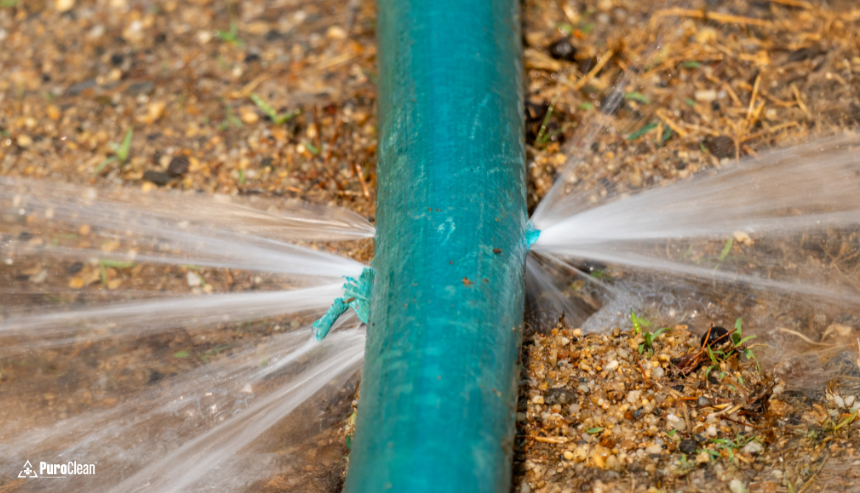
As temperatures dip in Kansas, homeowners and business owners face one of winter’s most frustrating and costly emergencies: burst pipes. December is prime time for pipe breaks, especially during sudden cold snaps or extended freezes. A burst pipe can unleash hundreds of gallons of water in minutes, causing extensive damage to floors, walls, insulation, and personal belongings. The good news is that with a few proactive steps and a clear emergency plan, you can learn how to prevent burst pipes and minimize damage if the unexpected happens. At PuroClean of Olathe, we’re here to help you protect your property and respond quickly if water damage strikes.
Why Pipes Burst in Winter
Water expands as it freezes, and that expansion increases pressure inside your plumbing. When the pressure becomes too much, the pipe can crack or burst. Pipes located in cold, uninsulated, or drafty areas—like basements, crawl spaces, attics, garages, exterior walls, and under sinks—are especially vulnerable. Even a small crack can release a surprising amount of water once the ice begins to thaw.
How to Prevent Burst Pipes This Winter
Prevention starts with keeping your pipes warm and protected. Insulating pipes in basements, crawl spaces, garages, and other unheated areas is one of the most effective and affordable steps you can take. Sealing gaps and cracks in your home’s exterior can also help prevent cold air from reaching plumbing. Keeping indoor temperatures consistent, even when you’re away from home, reduces the chances of freezing. On extremely cold nights, opening cabinet doors under kitchen and bathroom sinks allows warm air to circulate, while letting faucets drip slightly helps relieve pressure inside the pipes. Finally, disconnecting outdoor hoses and draining exterior faucets prevents ice from backing up into your indoor pipes.
How to Tell If a Pipe Is Frozen
Recognizing early signs of a frozen pipe can prevent a full rupture. Reduced water flow, frost buildup on the outside of the pipe, unusual smells coming from drains, or gurgling noises can all indicate trouble. If you notice any of these symptoms, act quickly to warm the affected area.
How to Thaw a Frozen Pipe Safely
If a pipe is frozen but has not yet burst, turn on the faucet to relieve pressure and begin thawing from the faucet end, working your way back. You can warm the pipe using a hair dryer, heating pad, or warm towels. Always thaw slowly and avoid using open flames or high-heat tools. If the frozen section is behind a wall or in a hard-to-reach area, it’s safest to contact a licensed plumber.
What to Do If a Pipe Bursts
If a pipe does burst, shutting off the main water supply should be your first step. It’s important to know in advance where this valve is located, typically near the water meter or in a utility area. If water is near electrical outlets or appliances, turn off power to that area if you can do so safely. Next, call PuroClean of Olathe at (913) 353-8300. We provide 24/7 emergency response and can begin water removal and drying as quickly as possible. While you wait, move valuables out of the affected area and, if conditions are safe, use fans to help air circulate.
Why Fast Water Removal Matters
The first 24 to 48 hours after a burst pipe are critical. Water trapped inside walls, floors, and insulation can quickly lead to mold growth, wood rot, structural issues, damaged flooring and drywall, and lingering odors. Our team uses advanced moisture detection equipment, industrial-grade drying systems, and professional sanitization to fully restore your property and prevent long-term damage.
Trust PuroClean of Olathe This Winter
A burst pipe can feel overwhelming, but you don’t have to handle it alone. Whether you’re dealing with an emergency or want help assessing risks before the next freeze, PuroClean of Olathe is ready to help. Call us anytime at (913) 353-8300. Stay warm, stay prepared, and remember—we’re just a phone call away.

 PuroClean of Olathe