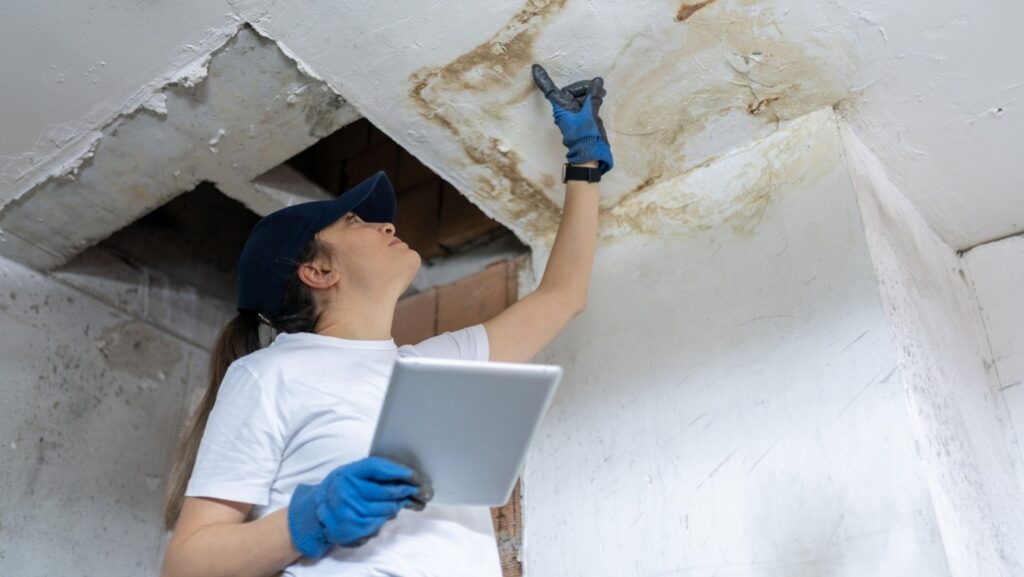
Finding water where it does not belong can turn an ordinary day upside down pretty quickly. Maybe a supply line broke while you were at work. Maybe the water heater let go overnight. Whatever caused it, most homeowners have never been through professional restoration before. When Overland Park water damage companies arrive, knowing what happens next can take some of the uncertainty out of an already stressful situation.
At PuroClean, we know homeowners usually have plenty of questions before we even walk through the door. Where did all the water go? Can the floor be saved? Do the walls need to come out? How long will the equipment be here? Those are exactly the questions the first visit is meant to start answering.
Don’t Be Surprised If We Ask Questions Before Unloading Equipment
There’s a temptation after water damage to start moving as fast as possible. We understand it. There’s water on the floor, so shouldn’t somebody immediately grab an extractor and get to work? Sometimes, yes. Standing water obviously deserves quick attention. But we also need to understand what happened. A crew may ask when you first noticed the problem, whether the source has been stopped, which rooms you’ve seen water in, and whether anything has changed since you discovered the loss.
We may also ask about the source itself. Was it a broken supply line? An overflowing appliance? A roof problem? A sump pump failure? Did water come from outside? Those details matter because two rooms with the same amount of visible water can require very different responses. We’re not slowing things down by asking questions. We’re trying to avoid starting with the wrong assumptions.
The First Walkthrough Is About More Than the Obvious Wet Spot
Homeowners are usually very good at showing us where they found the water. “Here’s where the pipe broke.” “The carpet is wet over here.” “The dishwasher leaked right here.” That’s helpful. It gives us a starting point. It doesn’t necessarily give us the ending point. Water moves underneath flooring, along walls, into adjoining rooms, beneath cabinets, and through openings around building materials. What looks like a problem in one corner of the kitchen may extend farther than anybody realizes. That’s why an Overland Park water damage company will generally want to inspect beyond the place where the water first appeared.
What’s on the other side of that wall? What’s underneath this floor? Is there a finished basement below us? Did moisture reach the hallway? We aren’t trying to make the damage bigger. We’re trying to figure out how big it actually is.
Expect Us to Check Moisture, Not Just Look for Water
One of the most common things we hear during an inspection is, “But that wall feels dry.” It might. That doesn’t necessarily mean everything behind it is dry. Your hand can tell you quite a bit about the surface. It cannot tell you nearly as much about insulation, framing, subflooring, carpet padding, or the lower portions of a wall assembly. This is where professional moisture-measuring equipment becomes useful. The crew can take readings in areas known to be affected and compare them with materials elsewhere in the home. Depending on the circumstances, other inspection tools may help identify areas that deserve a closer look.
The readings give us information that appearances alone can’t. We’ve seen rooms where the visible water had already disappeared before we arrived, yet moisture remained beneath the flooring. We’ve also seen the opposite. A homeowner feared an entire adjoining room was wet, but the readings helped us narrow the affected area considerably. Either result is useful. The point isn’t to find as much damage as possible. It’s to find the damage that’s actually there.
We May Need to Follow the Water Into Another Room
This is the part that occasionally catches homeowners off guard. The leak happened in the kitchen. Why are we checking the dining room? Because water doesn’t care where one room ends and another begins. Suppose a refrigerator supply line leaks behind the appliance. Water may work beneath the kitchen flooring and continue toward an adjoining room before anything becomes visible. Or a second-floor bathroom leak may affect the ceiling below.
Sometimes the room that looks worst isn’t even where the problem started. Experienced Overland Park water damage experts learn to think about the path water could have taken rather than concentrating only on the most obvious puddle. That may mean checking adjacent walls, rooms below the loss, nearby flooring, cabinets, closets, or other areas that seem perfectly normal. If those areas are dry, that’s good news. But we’d rather check than guess.
Standing Water Usually Gets Attention Quickly
If there’s still water sitting inside the property, extraction may become one of the first priorities once the initial conditions are understood. Removing bulk water does two things. First, it gets a significant amount of moisture out of the property. Second, it allows the crew to move into the next part of the job: determining what the affected building materials need. This is where homeowners sometimes expect the project to be almost finished. The puddle is gone. The floor looks better. We’re done, right? Usually not quite.
Extraction removes water that’s readily accessible. Building materials may still contain moisture afterward. Think about a soaked carpet. Removing the visible water doesn’t necessarily mean the padding underneath has reached an appropriate drying condition. The same principle applies to drywall, wood, framing, cabinets, and other materials. Getting rid of standing water is important. Knowing what remains afterward is just as important.
The Crew Will Start Deciding What Can Stay
Water damage doesn’t automatically mean demolition. That’s worth saying clearly. Homeowners sometimes worry that a restoration crew will walk through the door and immediately start tearing out drywall and flooring. Professional restoration should be more thoughtful than that. We look at the material. We look at the water source. We consider how wet the material became and how the conditions have affected it.
Some materials may be good candidates for drying in place. Others may already be damaged enough that keeping them doesn’t make sense. Certain circumstances involving contaminated water can also change what can appropriately remain. There isn’t a universal answer for every floor, wall, or cabinet. That’s why water damage services in Overland Park should begin with evaluation rather than a predetermined demolition list. If something can reasonably be saved, that’s worth knowing. If it can’t, homeowners deserve to understand why.
Sometimes a Small Amount of Material Has to Be Opened or Removed
Let’s say moisture readings suggest water has reached a wall cavity. What happens now? It depends. In some situations, drying may be possible without removing a large amount of material. In others, limited access may be needed because insulation is wet, drywall has deteriorated, or moisture needs a better path out of a concealed space. The same thing can happen around baseboards. Removing trim can occasionally give the crew access to an area that would otherwise remain difficult to evaluate or dry. That doesn’t mean every wet wall comes down.
We’ve found that homeowners are much more comfortable with material removal when they understand the reason behind it. “This has to come out” isn’t much of an explanation. Showing someone what we’re finding and explaining why it changes the restoration plan is much more useful.
Don’t Expect Every Decision to Be Made in the First 15 Minutes
Sometimes the extent of the damage is obvious. Other times, the property reveals itself gradually. We may find moisture beneath flooring after checking an adjoining area. Removing a damaged baseboard may reveal conditions behind it that weren’t visible earlier. A cabinet toe kick may hide moisture that changes the drying plan. That doesn’t mean the original inspection was wrong. It means buildings have layers. Water gets into those layers.
A responsible crew adjusts when new information appears. This is one reason we avoid making sweeping promises before we’ve had a chance to inspect the home properly. If somebody tells you exactly what the entire project will involve without looking at the property, they’re working with very limited information.
Drying Equipment Is Chosen for the Actual Job
Once the affected areas have been identified and standing water has been addressed, the drying phase begins. Homeowners usually notice this part. Equipment comes into the house. Depending on the loss, that can include air-moving and dehumidification equipment positioned to help manage moisture in the affected environment. The setup isn’t supposed to be random. Different losses involve different materials, room layouts, and moisture conditions. Equipment placement should reflect what’s actually happening inside the property.
A small laundry-room loss won’t necessarily need the same drying plan as water that moved through several rooms and into a finished basement. This is another reason inspection comes before equipment placement. We need to know what we’re trying to dry.
Yes, the Equipment Can Be Noisy
We like to mention this because nobody appreciates discovering it at bedtime. Restoration equipment makes noise. If several pieces of equipment are operating, you’ll notice them. Homeowners often ask whether they can turn everything off overnight. Before changing equipment settings or unplugging anything, talk with the restoration crew. The drying plan is based on operating conditions, and interrupting that process may affect drying progress. If you have concerns about sleeping arrangements, pets, children, working from home, or access to certain rooms, tell us. Those are real considerations. The restoration plan needs to address the building, but we’re also working inside somebody’s home.
Your Furniture and Belongings May Need to Move
Water damage doesn’t conveniently occur in empty rooms. There’s usually a couch in the way. Or a bed. Or a dining table. Or a closet full of things sitting directly beside the affected wall. Some belongings may need to be moved temporarily so the crew can access wet materials or position equipment effectively. That doesn’t automatically mean those belongings are damaged. Sometimes they’re simply in the wrong place for the work that needs to happen. If something is particularly fragile, valuable, sentimental, or difficult to move, mention it. We’d rather know before somebody starts shifting furniture around.
Photos and Documentation Are Normal
A crew taking photographs doesn’t necessarily mean something unusual is happening. Documentation is a routine and useful part of restoration. Photos can help record the initial conditions. Moisture readings help document what materials were affected and how drying progresses. Notes can provide a record of work performed and conditions encountered. This becomes particularly helpful when an insurance claim is involved.
An Overland Park water damage service company doesn’t decide whether your insurance policy covers the loss. That’s the insurer’s responsibility. What we can do is document what we actually find at the property. That creates a much clearer record than trying to remember everything several weeks later.
What If You Haven’t Called Your Insurance Company Yet?
Don’t panic. Homeowners don’t always know who they’re supposed to call first. If there’s active water entering the home and you can safely stop it, controlling the source is the immediate concern. Depending on the cause, that might also mean contacting a plumber, roofer, or another appropriate professional. If you plan to file an insurance claim, you can contact your carrier and ask about the process under your particular policy. Keep the claim number and adjuster’s information if you receive them. You can share that information with the restoration company when appropriate.
What we don’t recommend is assuming that nothing can happen until an adjuster physically arrives at the house while water continues affecting the property. Every claim and policy is different, so coverage questions belong with your insurance carrier. The physical property, however, still needs attention.
The Crew May Return More Than Once
One of the biggest misconceptions about restoration is that the crew arrives, sets up equipment, and comes back several days later to collect it. Monitoring matters. The crew needs to know whether the drying plan is working. Are moisture readings changing? Are some materials drying faster than others? Has an area reached its drying goal? Does equipment need to be repositioned or adjusted? The answers come from checking conditions as the project progresses.
This is where professional Overland Park water damage companies should be doing more than simply renting equipment to a homeowner. Equipment is a tool. The restoration process includes understanding what that equipment is accomplishing.
How Long Will Everything Take?
This is usually the question homeowners want answered most. And it’s one of the hardest to answer accurately during the first phone call. The timeline depends on what happened. How much water entered the property? How far did it travel? Which materials became wet? How quickly was the loss discovered? What is the source of the water? Can affected materials be dried, or will some need to be removed?
A relatively contained water loss may move through the drying phase faster than a project involving multiple rooms, concealed moisture, or heavily saturated materials. We can usually give you a much better idea once we’ve inspected the property. What we don’t want to do is promise an arbitrary number of days simply because it sounds reassuring.
What Should You Tell the Crew When They Arrive?
You don’t need to prepare a formal report. Tell us what you know. If you heard a pipe burst at 2 a.m., say so. If you noticed the floor looked strange yesterday but didn’t find the leak until this morning, mention that. If water was coming through the ceiling and stopped before we arrived, that’s useful too. Tell us if you already shut off the water. Mention any previous leaks or repairs in the same area. If you’ve already moved belongings, extracted water, run fans, or removed materials, tell us what you did. None of that is about assigning blame. We’re trying to reconstruct what happened so we can make better decisions about the property.
Why PuroClean Starts With Questions, Not Assumptions
By the time we arrive, homeowners have often been staring at the damage for hours. They want answers. We understand that. At PuroClean, our first responsibility is to understand the loss well enough to give useful answers rather than fast guesses. We inspect the obvious areas. Then we look beyond them. We take moisture readings, consider how the water may have traveled, document what we find, and build the drying plan around the actual conditions in the home.
Each PuroClean location is independently owned and operated, with professional training and established restoration procedures supporting the work performed in the field. But no procedure changes one basic truth we’ve learned from doing this work: Every house gives you different information. A restoration crew has to pay attention to it. That’s what homeowners should expect when choosing among Overland Park water damage companies. The crew shouldn’t simply arrive with equipment. They should be able to explain what they’re finding, why they’re recommending certain steps, and what happens next.
Frequently Asked Questions About the First Water Damage Visit
Do I need to clean up before the restoration crew arrives?
No. If you can safely stop an active source of water, that’s helpful, but you don’t need to make the damaged area presentable. In fact, seeing the original conditions can give the crew useful information about how the water moved through the property.
Will the crew start tearing out my walls immediately?
Not necessarily. Material removal depends on the conditions found during the inspection. Some affected materials may be candidates for drying, while others may require removal because of their condition, the water source, or other factors.
Should I move my furniture before the crew arrives?
You generally don’t need to rearrange the entire room. If belongings are preventing access to an obvious water source and can be moved safely, that’s one thing. Otherwise, let the crew evaluate the area first, particularly if you’re uncertain whether something has been affected.
Can I stay in my home while restoration is happening?
It depends on the extent of the loss, which areas are affected, and the conditions inside the property. Some homeowners can continue using unaffected portions of the house. Other situations may make temporary alternative arrangements more practical. The crew can discuss what makes sense after inspecting the property.
The First Visit Should Leave You With More Answers Than Questions
When a water damage crew first arrives, you shouldn’t expect somebody to glance at the puddle, plug in a few machines, and leave. The first visit sets the direction for everything that follows. We need to understand what happened, determine where the water traveled, identify affected materials, begin addressing the moisture, and explain the plan to the people who actually live in the home. Some answers come quickly. Others become clearer as moisture readings are taken and previously hidden areas are evaluated. That’s normal.
The important thing is that the restoration plan develops from what is actually happening inside your home rather than assumptions about what a typical water loss is supposed to look like. When you’re comparing Overland Park water damage companies, that’s worth paying attention to. Good restoration isn’t just about arriving quickly. It’s about knowing what to look for once the crew gets through the door—and helping you understand what comes next.
Need help now? Reach out to PuroClean online or call us 24/7 at (913) 353-8300. We help homeowners. We help business owners. We help people get their lives back after disaster strikes. We listen. We act fast. We deliver property restoration after a disaster. We’re here to help you recover from water, fire, mold, and biohazard damage, quickly and with care.
Follow us on Facebook for updates and recovery tips.