 PuroClean of Olathe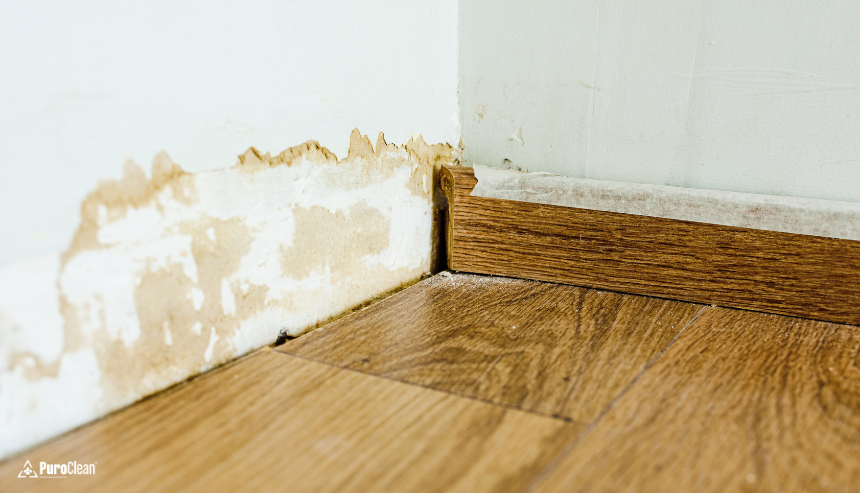
Water damage is one of the most stressful and disruptive issues a homeowner can face. Whether it’s caused by a burst pipe, appliance failure, storm damage, or a hidden leak, water has a way of spreading quickly and causing more damage than expected. Many homeowners are unsure what happens next, how serious the situation is, or what it will cost to fix. Understanding what to expect with water damage can help you respond quickly, minimize damage, and make informed decisions. From the first few hours after water exposure to the risk of mold growth and the overall cost of repairs, this guide walks you through the most important things to know.
What Happens Immediately After Water Damage
The moment water enters your home, it begins to spread and absorb into surrounding materials. Floors, walls, furniture, and personal belongings can all be affected within minutes.
In the first few hours, water will begin soaking into porous materials such as carpet, drywall, and wood. These materials act like sponges, pulling moisture deeper inside where it becomes harder to remove.
Within 24 hours, the damage can escalate significantly. Drywall may begin to swell and break down, wood can start to warp, and odors may begin to develop. At this stage, the risk of mold growth also begins.
If water is not removed quickly, the damage continues to spread. Moisture can travel behind walls, under flooring, and into insulation, affecting areas that are not immediately visible.
This is why the initial response is so important. The sooner water is removed and the drying process begins, the more likely it is that materials can be saved rather than replaced.
What You Should Do Right Away
When water damage occurs, taking quick and appropriate action can make a major difference in the outcome.
Start by ensuring safety. If water is near electrical outlets or appliances, turn off power to the affected area if it is safe to do so. Avoid standing water if there is any risk of electrical hazards.
Next, stop the source of the water if possible. This may involve shutting off the main water supply, turning off an appliance, or temporarily addressing a roof leak.
Once the source is under control, begin removing as much water as possible. Small amounts of water can sometimes be handled with towels, mops, or a wet vacuum, but larger amounts typically require professional equipment.
Move furniture, rugs, and belongings out of the affected area to prevent further damage. Items like upholstery, paper products, and electronics are especially vulnerable.
Increasing airflow can help slow the damage. Use fans and dehumidifiers to begin drying the area, and open windows if weather conditions allow.
Even with these steps, hidden moisture often remains. Professional water damage restoration services are designed to locate and remove this hidden moisture before it leads to bigger problems.
How Fast Mold Grows After Water Damage
One of the most important things to understand about water damage is how quickly mold can begin to develop.
In most situations, mold growth can start within 24 to 48 hours after water exposure. This timeline depends on factors such as temperature, humidity, and the type of materials involved.
Mold spores are naturally present in the air, both indoors and outdoors. When moisture is introduced, these spores can settle on damp surfaces and begin to grow.
Porous materials like drywall, carpet, insulation, and wood are particularly vulnerable because they retain moisture. Once mold begins growing, it can spread rapidly if the environment remains damp.
In the early stages, mold may not be visible. However, it is already developing at a microscopic level. Within a few days, a musty odor may appear, signaling active growth.
After about a week, mold can become widespread, affecting larger areas and requiring more extensive remediation.
This rapid growth is why immediate drying and moisture control are essential after any water damage event.
Why Mold After Water Damage Is a Serious Issue
Mold is not just an inconvenience or a cosmetic problem. It can have serious effects on both your home and your health.
Structurally, mold can damage materials by breaking them down over time. Drywall can crumble, wood can weaken, and insulation can lose its effectiveness. If left untreated, this damage can spread and lead to costly repairs.
From a health perspective, mold exposure can cause symptoms such as coughing, sneezing, nasal congestion, eye irritation, headaches, and skin irritation. For individuals with allergies, asthma, or respiratory conditions, these symptoms can be more severe.
Because mold often grows in hidden areas, such as behind walls or under flooring, the problem may be more extensive than it appears on the surface.
Addressing mold quickly and thoroughly is essential for maintaining a safe and healthy living environment.
The Role of Professional Water Damage Restoration
While some minor water issues can be handled by homeowners, most water damage situations benefit from professional restoration services.
Professionals use specialized equipment to remove water and dry affected areas more effectively than standard household tools. This includes high-powered water extractors, industrial air movers, and dehumidifiers.
In addition to drying, restoration professionals use moisture detection tools to identify hidden water that may be trapped inside walls, floors, or ceilings.
They also take steps to prevent mold growth by applying antimicrobial treatments and ensuring that all materials are thoroughly dried.
If mold is already present, professionals follow proper containment and remediation procedures to safely remove it and prevent it from spreading.
This comprehensive approach helps ensure that the problem is fully resolved rather than temporarily masked.
Average Cost of Water Damage Repair in Kansas
The cost of water damage repair can vary widely depending on the severity of the situation and how quickly it is addressed.
In Kansas, minor water damage repairs may range from $1,000 to $3,000. These situations typically involve small areas affected by clean water and minimal structural impact.
Moderate water damage, which may include multiple rooms, damaged flooring, and partial drywall removal, can range from $3,000 to $7,000.
Severe water damage, especially when it involves contaminated water, structural repairs, or extensive mold remediation, can exceed $10,000 or more.
Several factors influence the overall cost.
The type of water involved is a major factor. Clean water from a broken pipe is less expensive to address than gray water or black water, which may contain contaminants and require additional sanitation.
The length of time the water remains in the home also impacts cost. The longer materials stay wet, the more damage occurs, increasing the scope of repairs.
The materials affected will also affect pricing. Hardwood floors, cabinetry, and finished basements tend to be more expensive to repair or replace than basic materials.
Finally, the presence of mold can significantly increase costs due to the need for specialized remediation.
How Acting Quickly Affects Cost
One of the biggest factors in controlling water damage repair costs is how quickly you respond.
When water is removed and drying begins within the first 24 hours, damage is often limited. In many cases, materials can be dried and saved, avoiding the need for replacement.
If water sits for several days, materials begin to deteriorate, and mold may start to develop. At this stage, removal and replacement of affected materials are often necessary.
Delays of a week or longer can result in widespread damage and significantly higher repair costs.
Taking immediate action not only protects your home but can also save thousands of dollars in repairs.
Common Causes of Water Damage
Water damage can happen for many reasons, often when it is least expected.
Some of the most common causes include burst pipes during freezing temperatures, leaking or malfunctioning appliances, roof damage from storms, clogged gutters, and plumbing failures.
Understanding these risks can help homeowners stay proactive and address small issues before they become major problems.
Preventing Future Water Damage
While not all water damage can be prevented, there are steps you can take to reduce your risk.
Regularly inspect plumbing for leaks or signs of wear. Replace aging hoses and connections on appliances.
Keep gutters and downspouts clear so water can drain properly away from your home.
Check your roof for damaged or missing shingles, especially after storms.
Maintain your sump pump and consider installing a backup system.
Monitor indoor humidity levels to prevent excess moisture buildup.
Install water detection devices in areas prone to leaks, such as basements, laundry rooms, and near water heaters.
These preventative measures can help reduce the likelihood of future water damage and give you peace of mind.
When to Call a Professional
Not all water damage situations are the same, but there are clear signs that professional help is needed.
If there is standing water that cannot be easily removed, if water has soaked into walls or flooring, if there is a persistent musty odor, or if more than a small area is affected, it is best to contact a professional.
Situations involving contaminated water, such as sewage backups or floodwater, should always be handled by trained professionals due to health risks.
The sooner professionals are involved, the better the chances of minimizing damage and restoring your home efficiently.
What to Expect Moving Forward
Water damage can feel overwhelming, but understanding the process helps you stay in control. From the moment water enters your home, time becomes the most important factor.
Acting quickly, addressing moisture thoroughly, and preventing mold growth are all critical steps in protecting your property.
By knowing what to expect with water damage, you can make informed decisions, reduce stress, and take the right actions to restore your home as quickly and safely as possible.


 PuroClean of Olathe