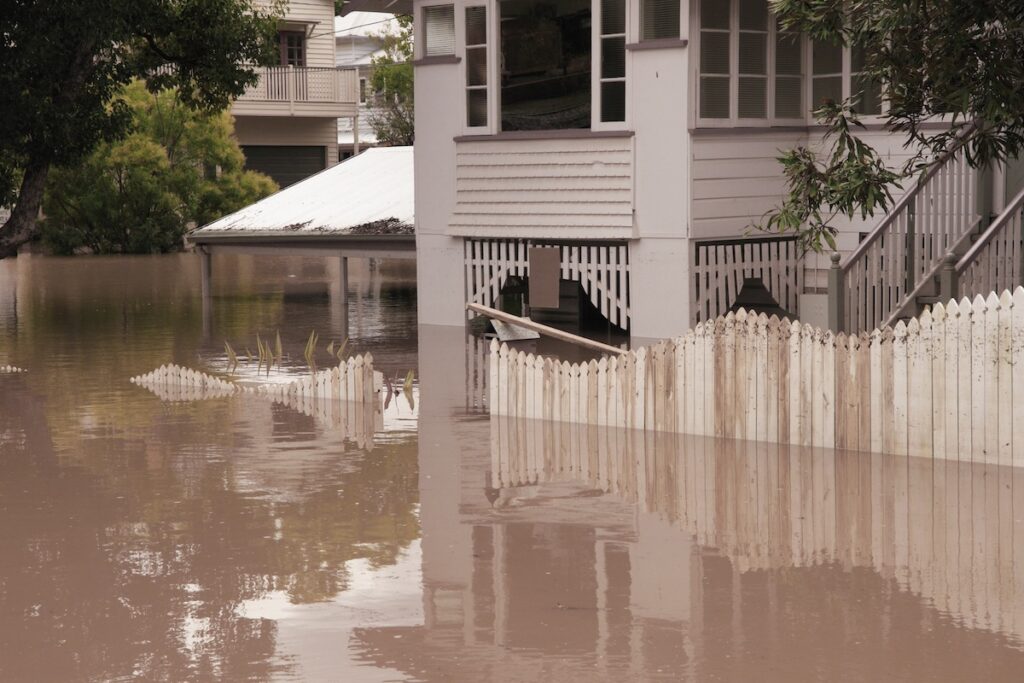
Safety tips for inland hurricane preparation often get overlooked, especially in places like East Orlando. While you’re not on the coast, you’re not immune to the devastating effects of storm surge and heavy rainfall. The truth is: hurricanes don’t stop at the shoreline. As these powerful systems move inland, they can push dangerous floodwaters deep into neighborhoods and overwhelm stormwater infrastructure.
In this guide, the experts at PuroClean of East Orlando break down everything residents should know about hurricane-related inland flooding, and how to prepare your home and family this season.
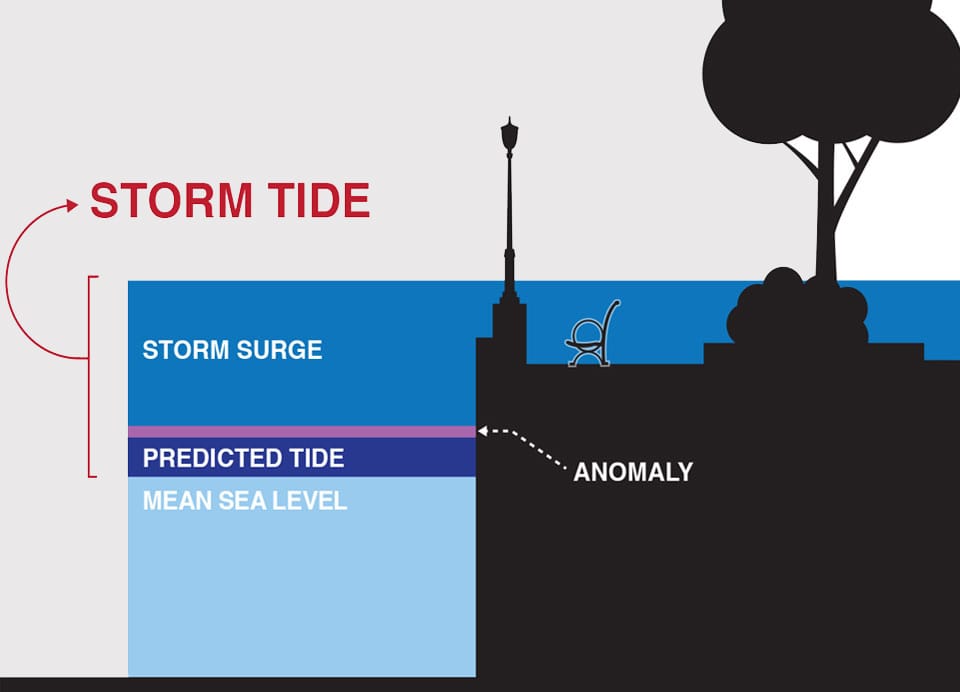
💧 What Is Storm Surge?
According to the National Hurricane Center, storm surge is the abnormal rise of seawater generated by a storm’s winds. This surge can push massive volumes of water far beyond the coastline—especially in areas connected by rivers, lakes, and drainage basins.
While most people associate storm surge with beachfront properties, it’s important to understand how these waters behave. Orlando is surrounded by lakes and connected to coastal systems, meaning water can move inland through tributaries, storm drains, and low-lying roads.
“Storm surge flooding is often the greatest threat to life and property from a hurricane,” explains the NHC. (source)
🧭 How It Affects East Orlando
You might be surprised to learn that inland cities like Orlando can experience severe flooding during hurricanes. Here’s how it happens:
- Rivers and lakes overflow as storm surge and rainwater push inland
- Storm drains back up, flooding streets, homes, and businesses
- Heavy rain adds to the surge, leading to compound flooding
During Hurricane Irma (2017), storm surge and rainfall flooded parts of Central Florida, including neighborhoods well inland. In some areas, water levels rose over 4 feet and lingered for days, causing mold and structural damage.
🧠 Know Your Risk Zones
Many East Orlando residents assume they’re “safe” because they’re not in an evacuation zone. But flood risks vary based on:
- Proximity to lakes, retention ponds, and rivers
- Elevation
- Stormwater drainage systems
Use FEMA’s Flood Map Service Center (msc.fema.gov) to check your property’s flood risk. You can also view Orange County’s flood maps and evacuation routes through local emergency management services.
✅ Hurricane Preparation Tips for East Orlando
🧰 Build a Storm Kit
Your emergency kit should include:
- One gallon of water per person per day (for 3–7 days)
- Non-perishable food and manual can opener
- Flashlights, batteries, and a weather radio
- Prescription medications and first aid supplies
- Cash, extra phone chargers, and pet supplies
- Copies of IDs, insurance policies, and deeds (in waterproof bags)
For a full list, visit Ready.gov’s Emergency Kit Guide.
🏠 Prepare Your Property
Floodwaters can infiltrate through floors, walls, and drains. Help reduce the impact:
- Elevate critical systems like electrical panels and HVAC units
- Install sump pumps with battery backups
- Seal basement walls with waterproofing compounds
- Clear gutters and check for drainage clogs
- Place sandbags around low-lying entry points
Orange County offers sandbag distribution sites during declared hurricane watches—stay connected with your local emergency alert system for updates.
🚗 Prepare to Evacuate—Even If You’re Inland
Don’t assume that being inland means you’ll never have to evacuate. If roadways flood, you may be cut off from emergency services or supplies.
- Keep your gas tank at least half full at all times during hurricane season
- Know multiple evacuation routes in case one is flooded
- Arrange transport for elderly or disabled family members in advance
- Pre-book pet-friendly shelters or hotels, if needed
❌ What NOT to Do During Inland Flood Events
❌ Don’t Drive Through Flooded Roads
“Turn Around, Don’t Drown.” Just 6 inches of moving water can knock you off your feet—and 2 feet can carry away your vehicle.
❌ Don’t Rely on Past Storms
Every storm behaves differently. Just because you didn’t flood last time doesn’t mean you won’t next time. Storm surge can vary dramatically based on rainfall, wind direction, and tide cycles.
❌ Don’t Wait Until the Last Minute
If you wait to buy supplies or review insurance coverage until a storm is approaching, it may be too late. Take action now, while skies are still clear.
🔧 What To Do After the Storm
If your home floods—even slightly—take immediate steps to avoid long-term damage:
- Document everything: Photos, videos, and lists of damaged items are essential for insurance claims.
- Don’t touch electrical systems: Wait for professionals to inspect.
- Ventilate the area: Open windows and doors to reduce moisture buildup.
- Call PuroClean of East Orlando: We respond 24/7 to emergencies like flooding, mold, and water damage.
Our certified technicians provide:
- Water extraction and structural drying
- Mold inspection and remediation
- Odor control and sanitation
- Reconstruction and damage restoration
📣 Final Thoughts: You Don’t Need to Be Coastal to Be at Risk
Hurricanes affect more than just beachfront communities. Inland cities like East Orlando can suffer just as much from storm surge and flooding—often with less warning. That’s why preparation is so important.
PuroClean of East Orlando is here to support our community—before, during, and after every storm. We’re more than just a restoration company. We’re your partner in resilience.
📞 Contact us today to schedule a preparedness consultation or emergency response service:
Stay prepared. Stay safe. PuroClean is here to help.