 PuroClean of Ormond Beach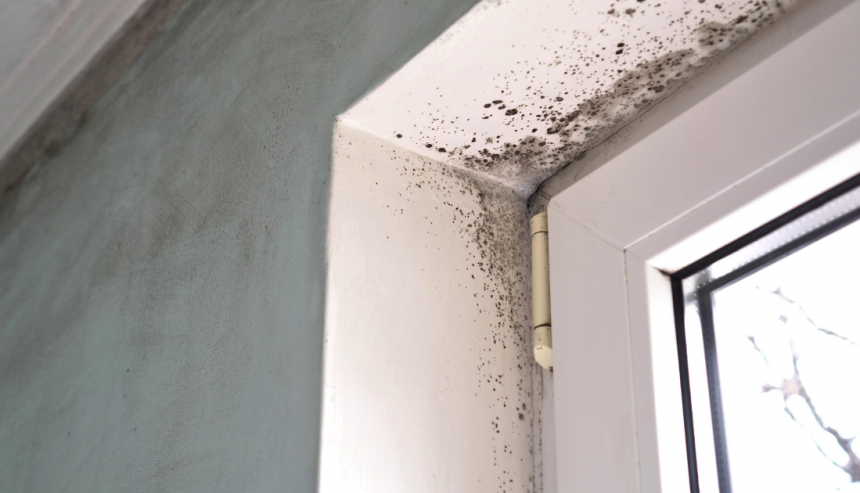
What Happens Inside a Closed Florida Home During a Storm and Why Mold Is Often Waiting When You Return
You locked the house, turned the AC up or off entirely, boarded the windows, and evacuated. You did everything right. Then you came back to a smell that told you, before you even fully opened the door, that something had gone wrong while you were gone.
Mold remediation after hurricane evacuation is one of the most common calls we receive at PuroClean of Ormond Beach in the weeks following a major storm. The combination of factors that produce it are almost perfectly designed by Florida’s climate, and understanding them helps homeowners respond faster and make smarter decisions about what to do next.
Why Closed Homes and Hurricane Conditions Create Ideal Mold Conditions
When a home is evacuated and closed up before a hurricane, several things happen simultaneously that mold finds extremely favorable.
Air conditioning stops circulating and dehumidifying interior air. Outdoor humidity during and after a tropical system in Volusia County regularly exceeds 90 percent. That humid air finds its way into the home through every gap, door seal, and ventilation opening, and with no mechanical dehumidification running, interior relative humidity climbs rapidly into the range where mold spores germinate and grow.
If the storm caused any water intrusion, even minor roof damage, a failed window seal, or wind-driven rain through a soffit vent, that moisture source feeds the process further. In a closed, dark, warm home with no airflow, mold can establish visible colonies within 48 to 72 hours.
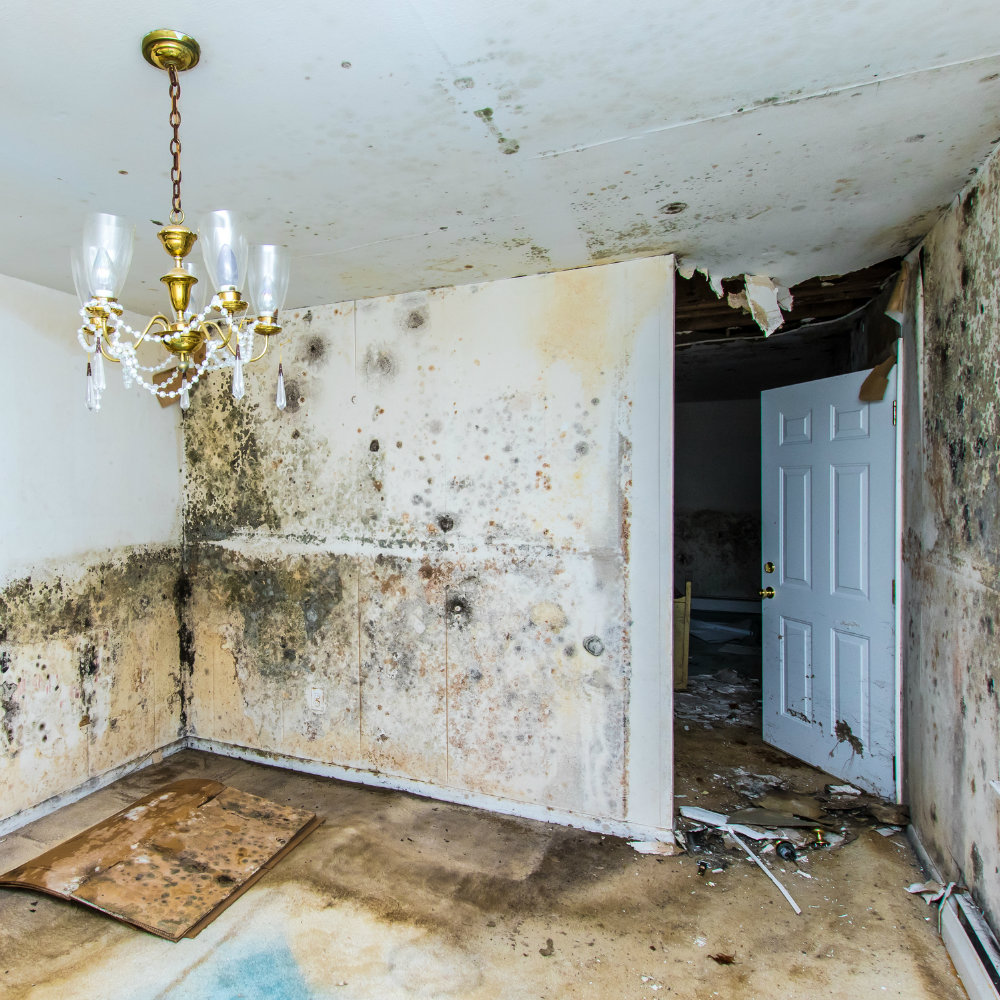
By the time a homeowner returns several days after the storm, the conditions have been ideal for mold growth for the entire duration of the evacuation.
The Areas Mold Claims First in a Post-Hurricane Home
Not all rooms are equally vulnerable when a home sits closed and humid for several days. The areas our team finds mold most consistently after hurricane evacuations in Ormond Beach include:
- Bathrooms, where residual moisture in grout, caulk, and wall cavities behind tile provides an immediate food source
- Closets and enclosed storage areas, where zero airflow and organic materials like clothing and cardboard create concentrated growth conditions
- Under-sink cabinets, where any pre-existing slow leak becomes dramatically accelerated by elevated ambient humidity
- HVAC air handlers and drip pans, which hold residual moisture and become active mold sources the moment the system restarts
- Attic spaces, where any storm-related roof penetration combined with heat and humidity produces rapid growth in insulation and sheathing
Mold Remediation vs. Cleaning: Why the Distinction Matters After a Storm
Returning homeowners often attempt to address visible mold with bleach and household cleaners before calling for professional mold remediation. This is understandable but almost always incomplete.
Surface cleaning removes visible mold growth but does not address the moisture conditions driving it, the hidden growth in wall cavities and under flooring, or the elevated spore count in the air throughout the home. In Florida’s post-storm conditions, surface-cleaned areas frequently redevelop visible growth within days if the underlying moisture issue is not resolved.
Professional mold remediation after hurricane evacuation involves:
- Full property moisture assessment to identify elevated humidity zones and any storm-related water intrusion
- Air quality testing to establish the spore count throughout the home before remediation begins
- Containment of actively affected areas to prevent spore distribution during remediation
- HEPA vacuuming and antimicrobial treatment of all affected surfaces
- HVAC inspection and treatment before the system is restarted, which is one of the most critical steps after an extended shutdown
- Clearance verification to confirm the home is safe to reoccupy
One Step Most Homeowners Skip Before Restarting the AC
The single most common mistake after returning to a post-evacuation mold situation is restarting the air conditioning immediately. If mold has established itself in the air handler, drain pan, or ductwork during the shutdown period, running the system distributes spores throughout every room in the house within minutes.
Before restarting HVAC in a home that has been closed for several days during or after a tropical storm, a quick inspection of the air handler and drain pan is worth doing. If there is any visible growth or musty odor from the vents, call for mold remediation assessment before the system runs.
Smelled It the Moment You Walked In? Trust That.
Your nose is a remarkably accurate mold detector. If the smell hit you in the doorway before you had processed anything else, there is active mold growth somewhere in the home. The question is not whether to address it, but how quickly.
PuroClean of Ormond Beach handles mold remediation across Ormond Beach, Daytona Beach, Port Orange, Holly Hill, and throughout Volusia County. Call us at (386) 777-4770 and we will assess the property, identify exactly what you are dealing with, and walk you through what mold remediation involves before any work begins. No pressure, just a straight answer from a local team that has seen this situation more times than we can count.

 PuroClean of Ormond Beach