


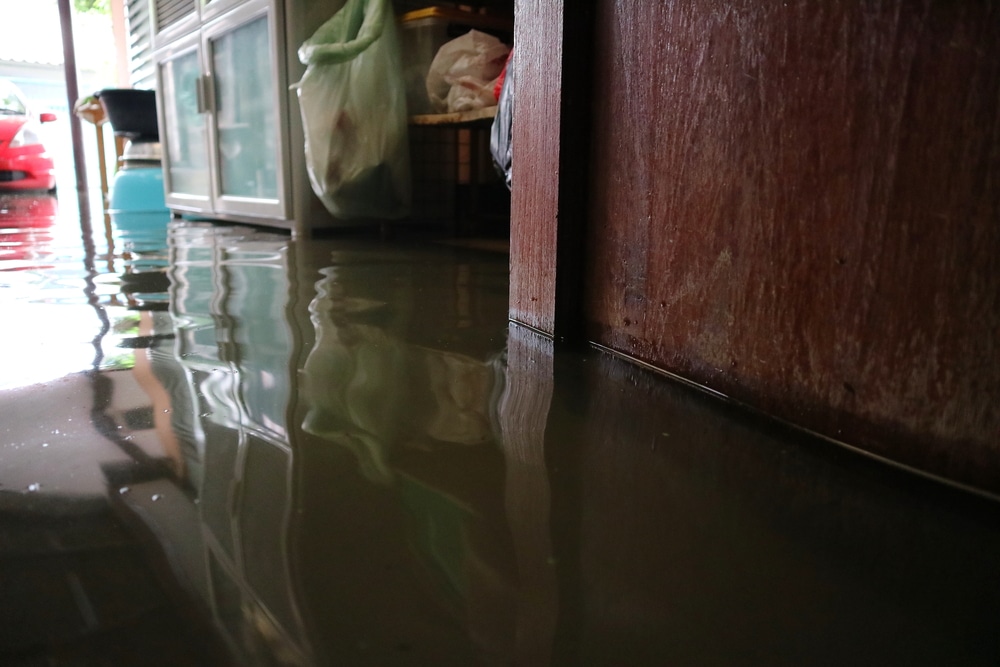
Water Mitigation Is the First Line of Defense
When water enters a home or business, the most important decisions are made within the first hours. Water mitigation is the process that happens before full restoration begins, and its role is to stop damage from spreading. In Ormond Beach, where humidity and storm activity are common, water mitigation often determines whether damage remains manageable or becomes extensive.
Many property owners confuse mitigation with restoration. While restoration focuses on repairing and rebuilding, mitigation focuses on containment and stabilization. Without proper mitigation, restoration becomes more invasive, more expensive, and more disruptive.
Why Immediate Water Control Matters in Coastal Areas
In coastal communities like Ormond Beach, moisture behaves aggressively. Water spreads quickly through porous materials and remains active longer due to high humidity. Even small water events can escalate if mitigation does not begin right away.
Water mitigation limits how far water travels and how deeply it penetrates materials. This early intervention protects structural components and reduces the overall scope of damage.
Mitigation Begins With Assessing the Full Impact
Effective water mitigation starts with understanding where water has traveled. Moisture is rarely limited to visible areas. It moves beneath flooring, behind walls, and into ceilings.
Water mitigation includes moisture detection to locate hidden saturation. Identifying these areas early prevents water from continuing to migrate and cause additional damage during the drying process.
Stopping the Source Is Only One Step
Turning off a water supply or sealing a leak stops new water from entering, but it does not resolve existing damage. Materials that have absorbed moisture continue releasing humidity into the air.
Water mitigation addresses both active water and residual moisture. Removing standing water and controlling humidity prevents secondary damage and prepares the property for proper restoration.
How Water Mitigation Protects Structural Materials
Wood framing, drywall, and subfloors weaken when exposed to moisture. In humid environments, this process accelerates. Water mitigation reduces exposure time by removing moisture before materials reach critical saturation levels.
By stabilizing materials early, water mitigation often prevents the need for large scale demolition and reconstruction.
Flooring Systems Benefit From Early Mitigation
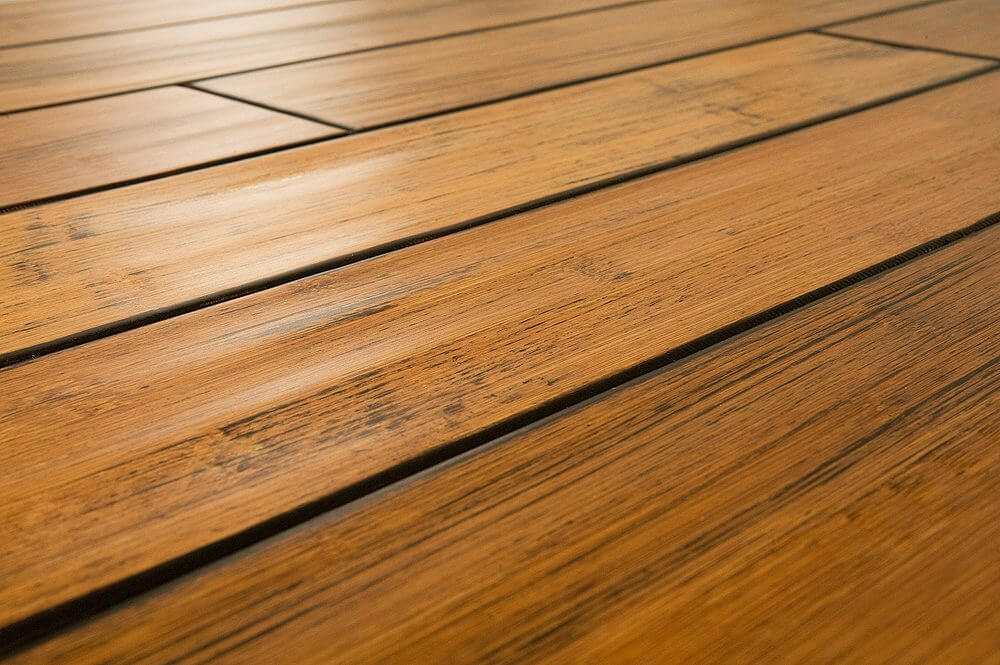
Flooring systems trap water beneath the surface. Carpet padding, laminate underlayment, and wood subfloors absorb moisture quickly and dry slowly.
Water mitigation evaluates flooring layers to determine whether drying is possible or whether materials require removal. Early mitigation decisions protect flooring investments and prevent long term issues such as odors and warping.
Mold Risk Is Reduced Through Proper Mitigation
Mold growth thrives in warm, moist environments. In Ormond Beach, mold can begin developing quickly after water intrusion if moisture is not controlled.
Water mitigation lowers humidity levels and dries materials before mold spores have time to colonize. This proactive step often eliminates the need for extensive mold remediation later.
Mitigation Helps Preserve Personal Belongings
Furniture, electronics, documents, and personal items are vulnerable during water events. Early water mitigation helps protect these belongings by reducing exposure time and stabilizing the environment.
Quick action often means items can be dried and restored rather than replaced.
Commercial Properties Rely on Mitigation to Reduce Downtime
For businesses, time is critical. Water mitigation helps stabilize commercial spaces quickly, allowing restoration planning to move forward without unnecessary delays.
Limiting damage early reduces downtime and helps businesses return to normal operations sooner.
Mitigation Sets the Stage for Successful Restoration
Restoration outcomes depend heavily on how well mitigation is performed. Drying materials thoroughly and controlling humidity ensures repairs are built on a stable foundation.
Skipping or rushing mitigation often leads to recurring problems, incomplete drying, and additional repairs later.
Mitigation Sets the Stage for Successful Restoration
Restoration outcomes depend heavily on how well mitigation is performed. Drying materials thoroughly and controlling humidity ensures repairs are built on a stable foundation.
Skipping or rushing mitigation often leads to recurring problems, incomplete drying, and additional repairs later.
Acting Early Changes the Outcome
Water mitigation is the moment when damage can still be contained instead of compounded. In a coastal area like Ormond Beach, moisture spreads quickly and stays active longer, which means hesitation often leads to larger repair scopes and longer recovery timelines. Understanding how water mitigation works allows property owners to act with intention rather than urgency.
If water has entered your home or business, taking the next step sooner rather than later can protect flooring, walls, and structural components from additional damage. Property owners who are unsure how far moisture has traveled can contact us to evaluate the situation, begin mitigation immediately, and stop water damage from progressing before restoration becomes more extensive.