 PuroClean of Ormond Beach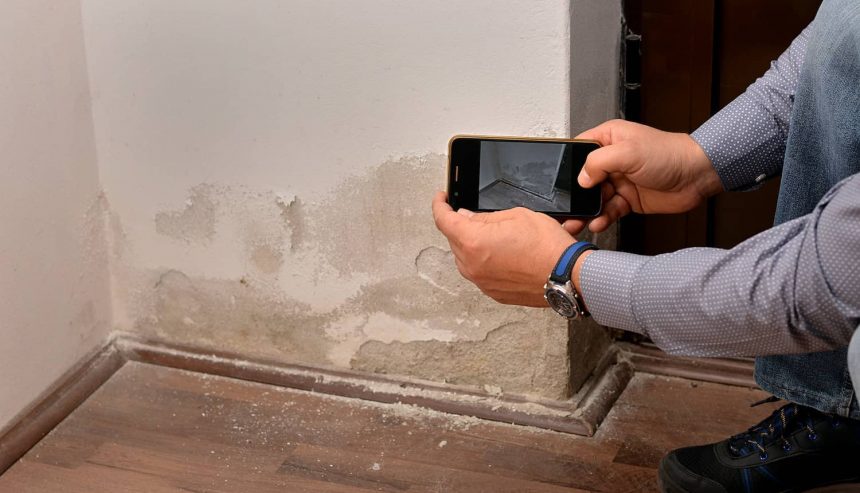
A No-Nonsense Guide to What Makes Coastal Florida’s Aging Housing Stock a Water Mitigation Challenge Unlike Any Other
Here is something nobody tells you when you buy a charming older home in Ormond Beach: the same solid concrete slab that makes you feel like you built your house on a rock is, in Florida’s coastal climate, one of the sneakiest moisture management problems you will ever deal with.
Ormond Beach has a substantial inventory of homes built between the late 1950s and the early 1980s. These are well-constructed, often beautifully maintained properties in established neighborhoods close to the beach, the river, and everything that makes this part of Volusia County worth living in. They were built to the standards of their era, which means they were built before modern vapor barriers, before updated slab edge insulation requirements, and in many cases before the building science community fully understood what Florida’s combination of heat, humidity, and high water table does to a concrete slab over the course of decades.
The result is a generation of homes that are genuinely solid and genuinely loved, but that have a moisture vulnerability built into their foundations that makes water mitigation here a fundamentally different job than it is in a newer construction property.
What Happens to a Concrete Slab in Ormond Beach Over 50 Years
Concrete is porous. This is not a defect. It is the nature of the material. In a dry climate, the porosity of a concrete slab is largely irrelevant to daily life. In Ormond Beach, where the water table can sit within a few feet of the surface during wet season and where the soil around and beneath the slab retains moisture almost continuously, that porosity becomes a slow and steady pathway for ground moisture to migrate upward through the slab into the living space.
Older Ormond Beach slabs were typically poured directly on compacted fill or sand with minimal or no polyethylene vapor barrier beneath them. The vapor barriers that did exist in early Florida construction were thinner and less durable than modern standards require, and after five or six decades of soil movement, root pressure, and thermal cycling, whatever was originally there may be largely ineffective.
The practical consequence is what building scientists call vapor drive: moisture from the soil below moves upward through the slab, driven by the temperature differential between the cool air-conditioned interior above and the warm, humid ground below. In an active water damage event, whether from a plumbing failure, a roof leak, or storm intrusion, this existing vapor drive dramatically complicates the mitigation process because water does not just need to be extracted from above. It needs to be managed from below as well.
The Mitigation Mistake That Turns a Three-Day Job into a Three-Week Problem
Let’s talk about the most common and most costly water mitigation mistake we see in older Ormond Beach homes, because it happens regularly and it is entirely avoidable with the right assessment upfront.
The scenario goes like this. A homeowner has a water event, maybe a supply line failure in the kitchen or a washing machine overflow. A crew arrives, extracts the standing water, sets up a standard array of air movers and dehumidifiers, and leaves the equipment running. Three days later, surface readings look acceptable. Equipment is pulled. Job declared done.
Two weeks after that, the homeowner notices the vinyl flooring lifting at the seams. Then the baseboard starting to bow. Then, if they are unlucky enough and the timing is right, a musty smell that gets stronger rather than fading. What happened? The surface dried. The slab beneath did not.
In an older home without an effective vapor barrier, the concrete slab acts as a reservoir. Water from the event saturates the slab and the soil beneath it. Surface drying equipment removes moisture from the air and the floor covering above, but the slab itself continues to off-gas moisture upward long after the surface appears dry. Without equipment specifically designed to address slab drying, and without moisture readings taken at the slab level rather than just at the surface, the job looks complete while the actual problem is still very much in progress.
This is not a criticism of anyone. It is a direct consequence of using a standard mitigation approach on a non-standard building assembly. Older Ormond Beach slabs require readings at depth, drying timelines calibrated to concrete rather than drywall, and in some cases, specialized drying mats designed to pull moisture through the slab surface rather than just from the air above it.
What Proper Water Mitigation Actually Looks Like in an Older Coastal Florida Home
When our team responds to a water mitigation call in an older Ormond Beach home, the assessment process looks different from what a newer construction job requires. Here is specifically what that means in practice:
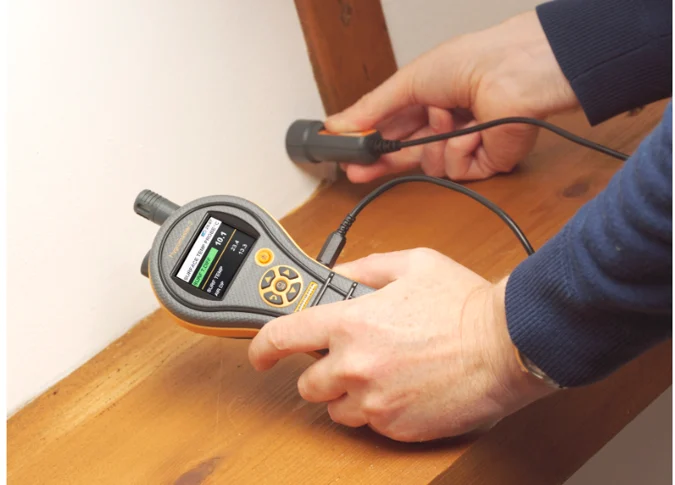
Slab-level moisture assessment. We take readings at the concrete surface using calibrated instruments designed for the material, not just readings at the flooring or baseboard level. The number that matters in an older slab home is what is happening at and below the concrete surface, not what the air feels like.
Thermal imaging of the full floor plane. Infrared cameras reveal temperature differentials that indicate moisture migration patterns across the slab. In an older home, water from a localized event can wick laterally through the slab significant distances from the source, appearing dry at the point of entry while saturating material several feet away.
Flooring assessment for salvageability. Original terrazzo floors, common in Ormond Beach homes from the 1960s and early 1970s, respond to water events very differently from vinyl, tile, or carpet. Terrazzo can often be successfully dried in place. The materials and adhesives beneath it, however, require careful evaluation before that determination is made.
Drying equipment positioned for slab conditions. Air movers directed at a wet slab without addressing vapor drive from below simply move humid air around a room. Effective slab drying in a high water table environment like coastal Volusia County requires dehumidification capacity matched to the actual moisture load, including the ongoing contribution from the ground, not just the initial event volume.
Extended monitoring with daily readings. Older slab homes take longer to dry to acceptable clearance levels than newer construction with modern vapor management systems. Daily monitoring is not optional here. It is the only way to know when the slab has actually dried rather than when the surface has stopped feeling wet.
The Three Questions Every Ormond Beach Homeowner Should Ask Before Signing a Mitigation Contract
Not all water mitigation companies approach older slab construction the same way, and the difference between a thorough job and an incomplete one may not become apparent until weeks after the crew has packed up and left. Before you commit to a mitigation company after a water event in your older Ormond Beach home, these three questions will tell you a lot about whether they understand what they are dealing with:
- “How do you assess and monitor moisture in a concrete slab?” A company that only talks about drying walls and air quality without specifically addressing the slab is telling you something important about their process.
- “How do you account for the water table and ambient vapor drive during drying?” In coastal Volusia County, ignoring the ongoing moisture contribution from the ground beneath the slab produces incomplete results regardless of how good the surface readings look.
- “Will you provide daily moisture logs at the slab level throughout the drying process?” Documentation of slab moisture progress is the only objective evidence that the job was completed to the standard the structure actually requires.
PuroClean of Ormond Beach answers all three of these questions in detail before work begins on every job, because our team understands what Ormond Beach’s specific combination of housing age, soil conditions, and coastal humidity actually demands from a professional water mitigation process.
A Note on Insurance and Older Home Claims
One more thing worth knowing if your older Ormond Beach home has experienced a water event: insurance carriers handling claims in Florida’s coastal market have seen the incomplete-slab-drying scenario many times, and some adjusters will look closely at mitigation documentation to confirm that slab-level readings were taken and that drying was monitored to completion rather than simply to surface appearance.
A thorough mitigation file that includes slab moisture readings, daily drying logs, and thermal imaging documentation is not just good practice. In an older home claim, it is often the difference between a straightforward settlement and a drawn-out conversation about whether secondary damage that appeared after the job closed was related to the original event.
We provide complete documentation as a standard part of every job, not because it is required but because Ormond Beach homeowners deserve to have that protection in their corner when they need it.
Older Home, Modern Problem, Local Experts Who Actually Know the Difference
You love your older Ormond Beach home. So do we, honestly. There is something genuinely great about the construction quality and the character of Volusia County’s mid-century housing stock that newer builds simply do not replicate.
But when water gets into the picture, that same solid slab that you appreciate needs someone who understands exactly what it does with moisture, how long it takes to properly dry, and what it takes to get clearance readings you can actually trust. That is what PuroClean of Ormond Beach brings to every mitigation job in this market, regardless of how new or old the property is.
Got water somewhere it should not be? You know where to find us. (386) 777-4770, any hour, any day. We will come take a look, tell you exactly what is happening, and give you a straight answer about what it takes to fix it properly. No upselling, no drama. Just a local team that knows Ormond Beach homes the way they actually are, not the way the textbook says they should be.



 PuroClean of Ormond Beach