 PuroClean of Ormond Beach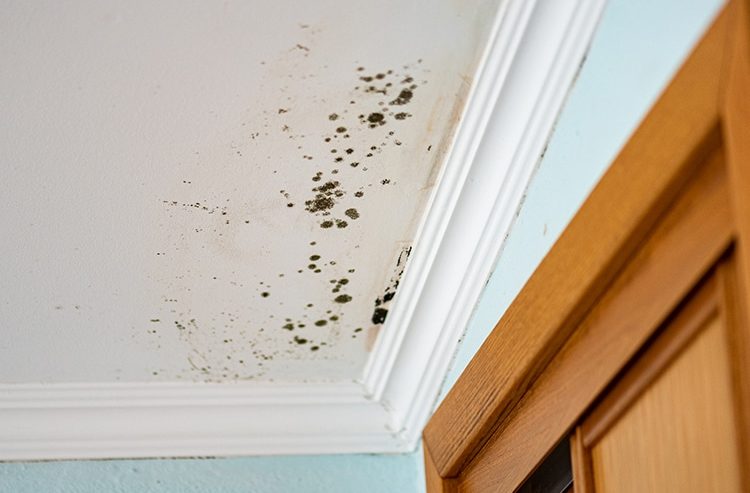
Mold Growth Often Begins Without Obvious Warning Signs
Mold problems in Ormond Beach rarely begin with visible patches on walls or ceilings. In most cases, mold develops quietly in areas where moisture lingers unnoticed. Wall cavities, attic spaces, crawlspaces, and areas beneath flooring provide the ideal conditions for mold to grow long before it becomes visible. Coastal humidity keeps these spaces warm and damp, allowing spores to activate quickly when moisture is present.
Homeowners often associate mold with major flooding or obvious leaks, but mold remediation is frequently required after much smaller events. Minor plumbing leaks, condensation from air conditioning systems, or slow roof leaks can introduce enough moisture to start mold growth. Because these issues develop gradually, mold may spread extensively before anyone realizes there is a problem.
Coastal Humidity Creates the Perfect Environment for Mold
Ormond Beach’s climate plays a major role in how often mold remediation is needed. High humidity levels make it difficult for moisture to evaporate naturally, even when no active leak is present. Indoor humidity can remain elevated for long periods, especially in homes with inadequate ventilation or insulation.
When humidity stays high, building materials such as drywall, wood, and insulation absorb moisture from the air. This creates a constant moisture source that feeds mold growth. Mold remediation in coastal homes often involves addressing humidity control alongside removal efforts to prevent recurring growth.
Why Mold Is Rarely Limited to One Area
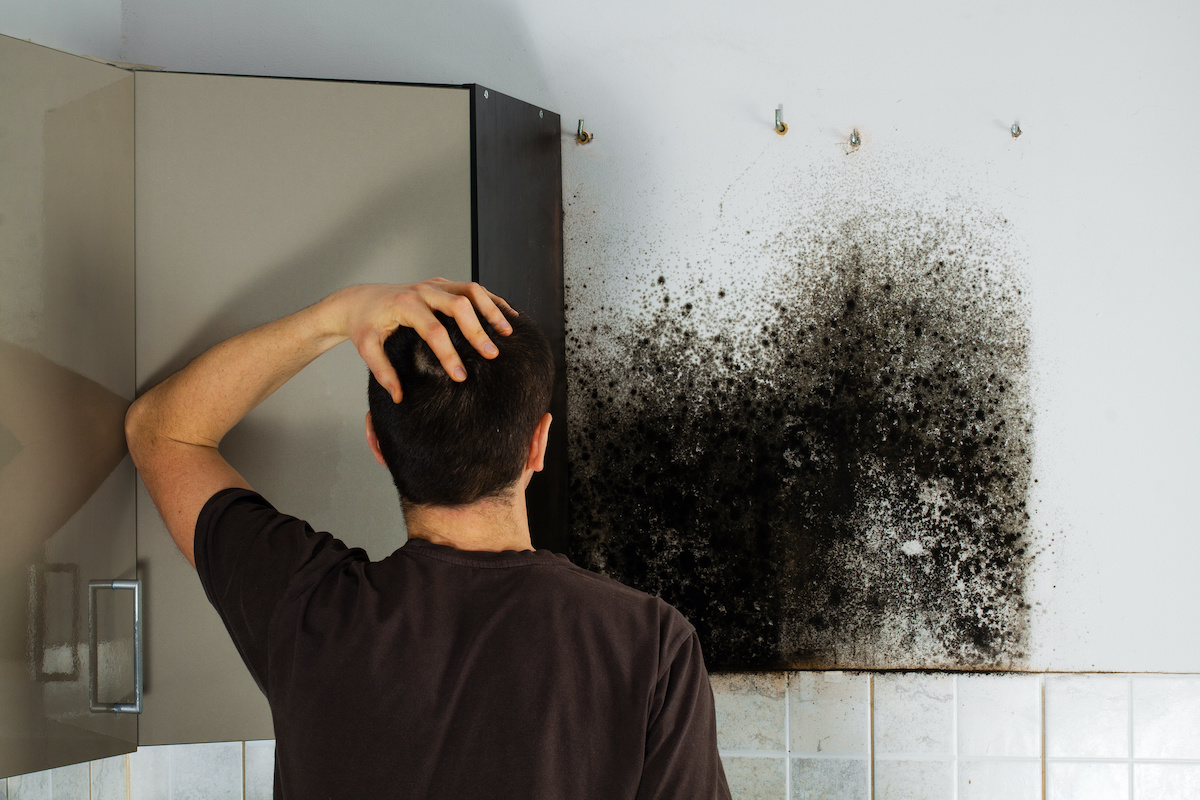
Mold spreads through microscopic spores that move easily through air currents. HVAC systems, open doorways, and even normal foot traffic can carry spores from one area of a home to another. This is why mold remediation rarely involves a single small section of the property.
Once mold establishes itself in one moisture rich area, it often spreads to adjacent spaces. Mold remediation focuses on containment to prevent spores from migrating during cleanup. Without proper containment, cleaning efforts may unintentionally spread contamination to previously unaffected areas.

Surface Cleaning Does Not Stop Mold From Returning
One of the most common misconceptions about mold is that surface cleaning solves the problem. While wiping visible mold may improve appearance temporarily, it does not remove mold that has penetrated porous materials. Mold roots extend into drywall, wood framing, and insulation, allowing growth to return quickly when moisture remains present.
Mold remediation addresses both visible growth and affected materials beneath the surface. This may include removing damaged materials and treating surrounding areas to eliminate spores. Proper remediation focuses on long term prevention rather than short term cosmetic improvement.
Mold Remediation Depends on Identifying Moisture Sources
Removing mold without correcting the moisture source almost always leads to recurrence. In Ormond Beach homes, moisture may come from roof leaks, plumbing issues, condensation, or elevated indoor humidity. Sometimes multiple sources contribute simultaneously.
Mold remediation includes identifying and correcting these moisture issues as part of the process. Drying affected areas and stabilizing indoor humidity levels are critical steps in ensuring mold does not return after cleanup is completed.
Addressing Mold Early Protects Health and Property
Mold affects more than the structure itself. Spores and fragments released into the air can impact indoor air quality and occupant comfort. Many homeowners first notice mold issues through persistent odors or unexplained irritation rather than visible growth.
Early mold remediation limits exposure and prevents damage from spreading deeper into the structure. Addressing mold promptly often reduces the amount of material that must be removed and shortens recovery time. For property owners who suspect mold but are unsure of its extent, taking action sooner rather than later can prevent a much larger problem. If moisture or mold concerns have surfaced in your home, you can contact us to evaluate conditions, identify the source, and determine whether mold remediation is needed to restore a healthy indoor environment.


 PuroClean of Ormond Beach