 PuroClean of Ormond Beach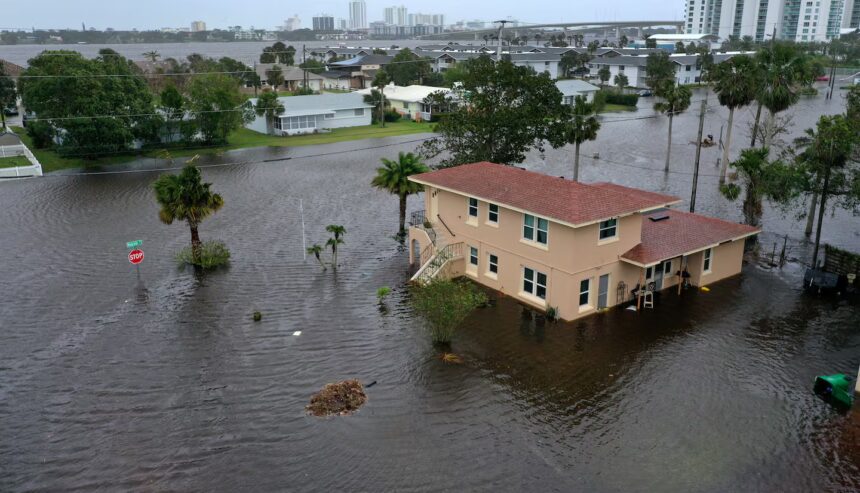
Coastal Living Creates Unique Water Damage Risks
Living near the coast offers many benefits, but it also introduces challenges when it comes to protecting a property from water damage. In Ormond Beach, homes and businesses are exposed to frequent storms, high humidity, salt air, and sudden weather changes. These conditions allow water damage to spread faster and cause more severe issues compared to inland areas.
Water damage restoration in coastal environments must account for these factors. Moisture behaves differently near the coast, penetrating materials more quickly and lingering longer. Understanding how coastal conditions influence water damage helps explain why immediate action is critical when water intrusion occurs.
Humidity Accelerates Moisture Absorption
High humidity is one of the most significant contributors to water damage progression in Ormond Beach. When indoor air is already saturated with moisture, wet materials dry much more slowly. Drywall absorbs water rapidly and retains it. Wood framing swells and weakens. Insulation traps moisture against surrounding surfaces.
Even small leaks can result in widespread damage because moisture does not dissipate naturally. Water damage restoration includes aggressive humidity control to prevent moisture from spreading further into the structure.
Storm Systems Bring Sudden and Widespread Water Intrusion
Coastal storms often deliver heavy rainfall in short periods. Wind driven rain can force water through roof joints, siding seams, and window frames. Drainage systems may become overwhelmed, allowing water to enter basements, crawlspaces, and ground level rooms.
Water damage restoration after storms focuses on identifying all entry points and stopping further intrusion. Addressing only visible water without evaluating storm related vulnerabilities often leads to recurring problems.
Salt Air Increases Long Term Material Deterioration
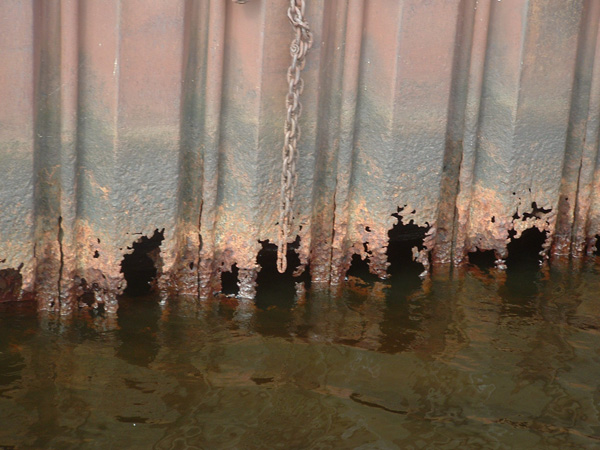
Salt carried in coastal air accelerates corrosion and material breakdown. When combined with water damage, salt exposure worsens deterioration of metal fasteners, electrical components, and structural connectors.
Water damage restoration in Ormond Beach must account for this added stress. Drying alone is not enough. Materials exposed to salt air require careful evaluation to ensure long term stability and safety.
Water Damage Often Spreads Beyond What Is Visible
Water rarely remains confined to the area where it enters. It travels through wall cavities, under flooring, and along framing members. Coastal humidity allows this moisture to migrate quickly and remain active.
By the time staining or odors appear, moisture has often affected a much larger area. Water damage restoration relies on moisture detection tools to locate hidden saturation and prevent damage from spreading further.
Flooring Systems Trap Moisture in Coastal Homes
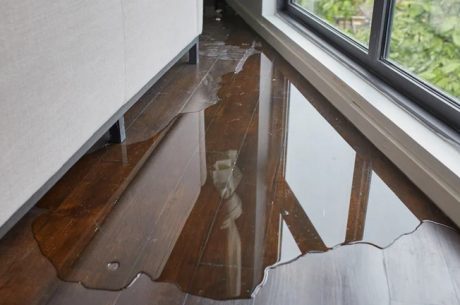
Flooring systems in coastal homes are particularly vulnerable to water damage. Carpet padding, wood subfloors, and laminate underlayment absorb moisture and release it slowly. Surface drying may make floors feel dry while moisture remains trapped underneath.
Water damage restoration evaluates flooring layers thoroughly. Drying decisions are based on moisture readings rather than appearance, preventing future warping, odors, and microbial growth.
Electrical and Mechanical Systems Face Increased Risk
Water intrusion can affect electrical wiring, outlets, and appliances even when they are not submerged. Salt air combined with moisture increases corrosion risk and shortens component lifespan. HVAC systems exposed to moisture may circulate contaminants throughout the property.
Water damage restoration includes assessing these systems to ensure they remain safe and functional. Identifying compromised components early prevents future failures and safety hazards.
Delays Increase Mold Risk in Coastal Environments
Mold spores thrive in warm, humid conditions. In Ormond Beach, mold growth can begin quickly after water intrusion if moisture is not removed promptly. Even brief delays increase the likelihood that mold remediation will be required.
Water damage restoration reduces mold risk by removing moisture before spores can colonize materials. Controlling humidity and drying thoroughly are essential steps in protecting indoor air quality.
Emergency Response Reduces Overall Damage
Immediate response is one of the most important factors in limiting water damage. Early water removal and drying often preserve materials that would otherwise need replacement. Delayed response usually leads to more invasive repairs and longer recovery times.
Water damage restoration prioritizes rapid stabilization of the property to prevent additional damage and reduce repair costs.
Why Local Experience Matters
Restoration strategies must be adapted to local conditions. Coastal climates require specialized drying techniques and continuous monitoring. Methods that work in dry regions may fail in humid coastal environments.
Water damage restoration performed with local climate knowledge ensures moisture is removed completely and does not return after repairs are completed.
Protecting Properties in Ormond Beach
Water damage restoration in Ormond Beach is not just about removing water. It is about understanding how coastal conditions affect materials and responding accordingly. Acting quickly helps preserve the structure, prevent mold, and protect long term property value.
When water intrusion occurs, knowing that timing and technique matter can make a significant difference. For property owners facing water damage in Ormond Beach or nearby areas, reaching out to our team at PuroClean of Ormond Beach allows the situation to be evaluated promptly and addressed before coastal conditions turn a small problem into extensive damage.


 PuroClean of Ormond Beach