 PuroClean of Bellflower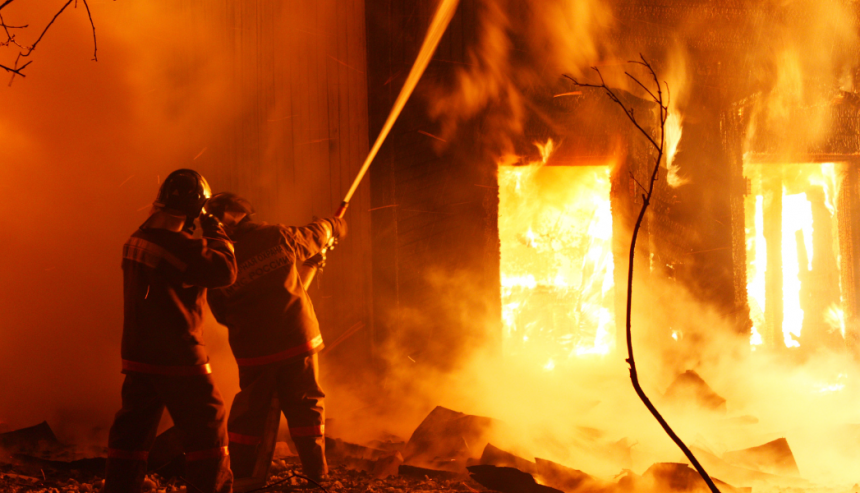
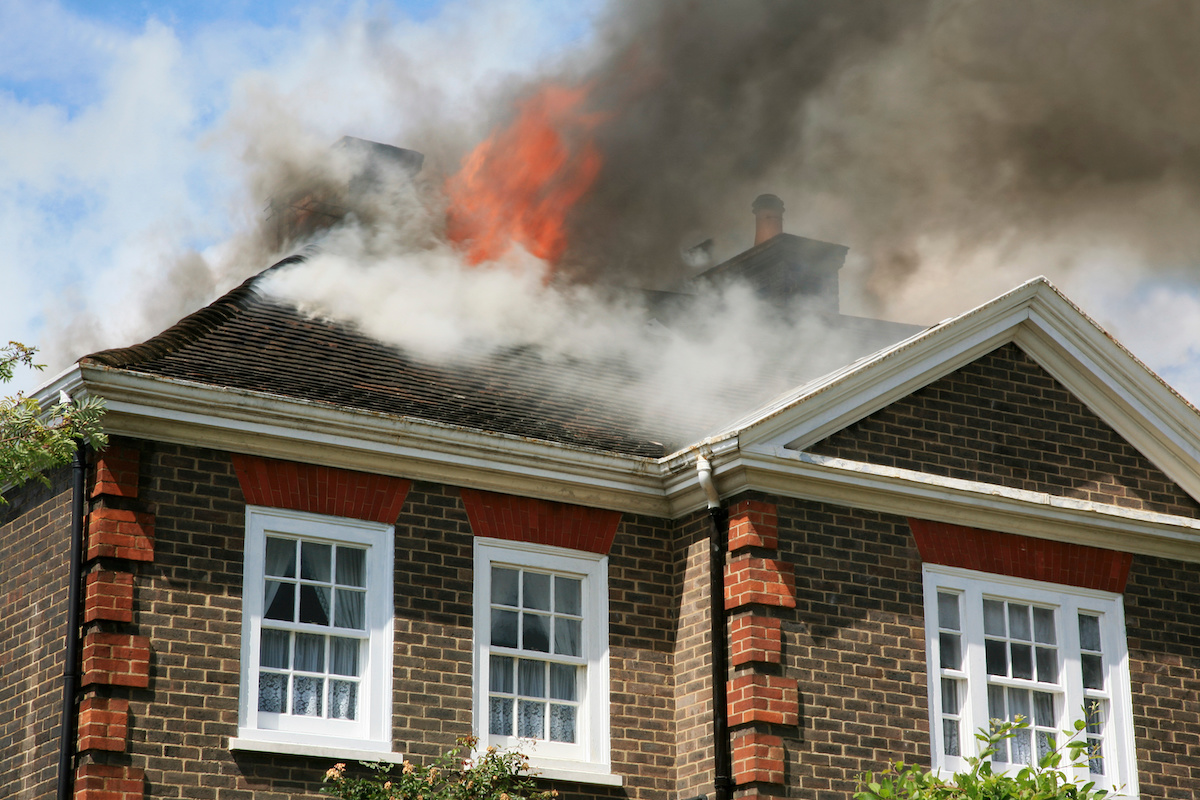
A house fire can reach extreme temperatures, up to 2,300°F during flashover, within minutes, leading to structural damage, toxic smoke, and safety hazards. In this guide, we’ll explore exactly how hot a house fire can get, why that matters for homeowners, the stages of fire, and when it’s essential to call in professionals like PuroClean of Bellflower for expert fire damage cleanup.
Table of Contents
How Hot Does a House Fire Get?
A typical house fire heats rapidly. Within minutes, room temperatures can reach:
- 600–1,100°F during growth
- 900–1,200°F at flashover (turning an entire room into a fireball)
- 1,500–2,300°F in extreme cases like flashover peak.
That heat is enough to weaken steel, warp concrete, liquefy aluminum, and shatter glass, even melt it.
How Fast Does it Get That Hot?
House fires escalate alarmingly fast:
- Within 2–3 minutes: temperatures can reach 1,000°F, prompting flashover and engulfing a room.
- At 5 minutes: temps near 1,300–1,500°F, heating drywall and framing.
In a tragic test fire, flashover occurred in just 4.5 minutes, with ceiling temps topping 1,100°F before the entire room ignited.
The Stages of a House Fire
Understanding fire stages helps grasp how heat evolves:
- Incipient – Small flames, easily extinguished.
- Growth – Heat and smoke build; temps hit ~1,000°F
- Flashover – Sudden combustion of the room at 900–1,200°F, sometimes maxing 2,300°F+
- Fully Developed – Maximum heat, smoke, and structural damage 700–1,200°C (~1,300–2,200°F)
- Decay – Fire slows, but embers and hidden hotspots remain dangerous.
Why Heat Levels Matter
Structural Damage
High temperatures soften steel at 1,100–1,200°F, compromising support beams. Concrete can spall and crack under thermal shock. Walls, floors, and ceilings may be unsafe even if flames are gone.
Toxic Smoke
Close to 90% of fire deaths result from smoke inhalation, not burns. Flashover produces superheated, toxic gases that spread fast and damage your health.
Spread Risk
Heat, embers, and vents can ignite adjacent rooms. One flashover can cascade to engulf entire sections of a home.
FAQs About House Fire Temperatures
Q: Can a house fire melt metal?
A: Yes. Aluminum melts at ~1,200°F—temps easily reached in most flashovers.
Q: How long before a house becomes unsalvageable?
A: Many homes reach flashover in 3–5 minutes, making things unsafe almost instantly.
Q: Are modern homes more dangerous?
A: Yes—synthetic furnishings and open layouts cause faster heat buildup and quicker spread.
Q: What’s the difference between flashover and backdraft?
A: Flashover is room-wide ignition due to heat. A backdraft is an explosive ignition of gas in oxygen-starved spaces.
Q: Can I clean fire damage myself?
A: No. Extreme heat causes hidden structural issues, and smoke damage requires expert restoration. Always involve certified pros.
A house fire isn’t just flames, it’s a rapid, heat-driven disaster that can reach 2,300°F in flashover, melting materials and poisoning air. These temperatures obliterate structural integrity within minutes. Knowing the stages and heat danger highlights why professional fire damage cleanup and safety protocols are vital to recovery.
Why You Need PuroClean of Bellflower
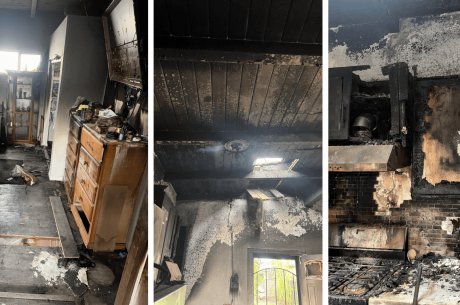
After a house fire, the damage isn’t over once the flames die. Hidden structural weaknesses, soot, toxic residues, and lingering smoke must be thoroughly addressed. At PuroClean of Bellflower, our certified fire damage cleanup team:
- Conducts thermal and structural assessments
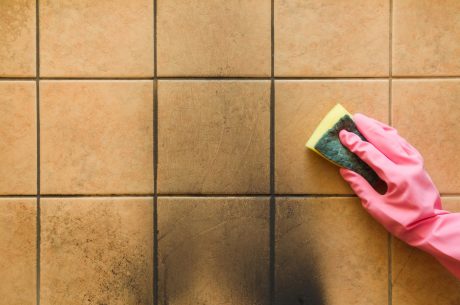
- Removes soot, smoke odor, and damaged materials
- Restores your home safely with industry-grade equipment
- Works 24/7 for rapid response and peace of mind
Call us now for expert fire damage restoration and full-service cleanup. Let our experience and care bring your home and your life back from the flames. (562) 356-8500.

 PuroClean of Bellflower